
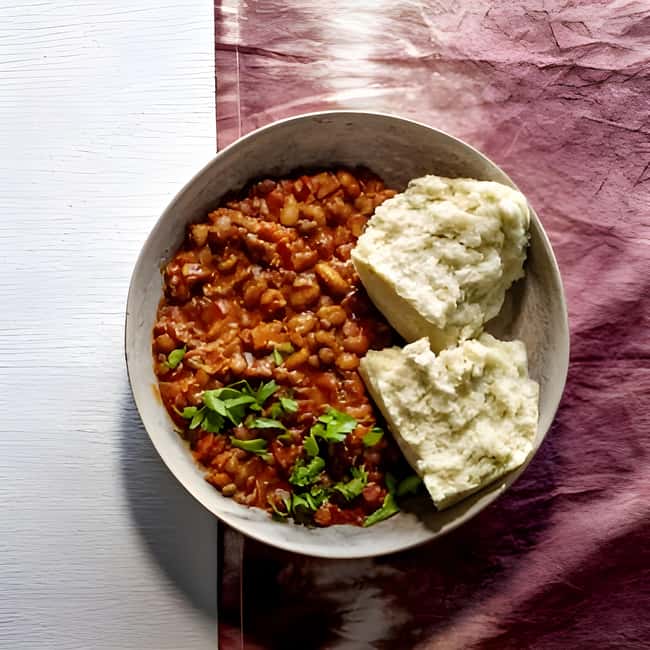
Reviewed · COOKING CLASSES
Zulu Food Cooking & Dining Experience with a local Chef
A Zulu food day in Maboneng is interesting because it mixes street-level neighborhood life with real cooking skills you can take home. You start in a home setting, you walk through the area with local vendors, and then you get hands-on in the kitchen with a chef who can explain what you’re doing and why it matters. Maboneng is the backdrop, but the focus stays on food and community.
Two things I really like about this experience are the Maboneng walk with local vendors and the full hands-on cooking session that lasts around two hours. You are not just watching. You are cooking, tasting, and learning practical techniques while you chat about culture and everyday life.
One drawback to consider is timing. In at least one case, food timing could be tighter, which can mean some items cool down while others finish. It’s still a good experience, but go in with a flexible attitude, and ask your host how they plan the cooking order if you’re sensitive to warm food.
Quick hits before you go
- Home welcome in Maboneng sets a relaxed tone right away, including a welcome drink.
- Neighborhood stroll plus vendor time gives you context for the food you’ll cook later.
- About two hours of hands-on cooking means you do more than taste.
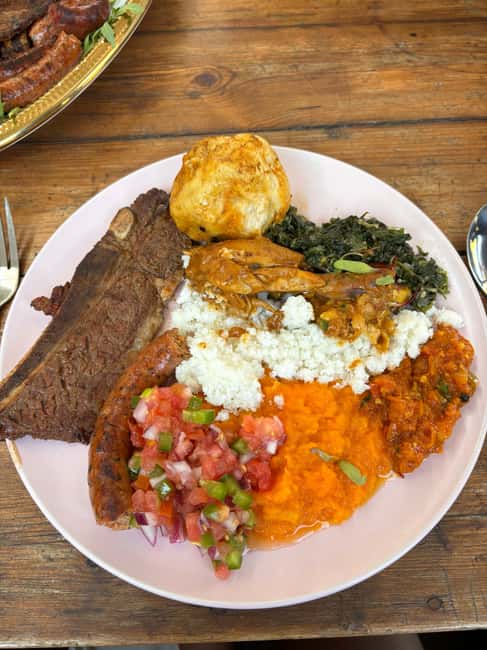
- Zulu-inspired lunch is the payoff, and it tends to be satisfying and generous.
- English and Zulu language support helps you follow along even if you do not speak Zulu.
- Friendly conversation with the chef and host is a major part of the value.
Why a Zulu cooking day in Maboneng feels different
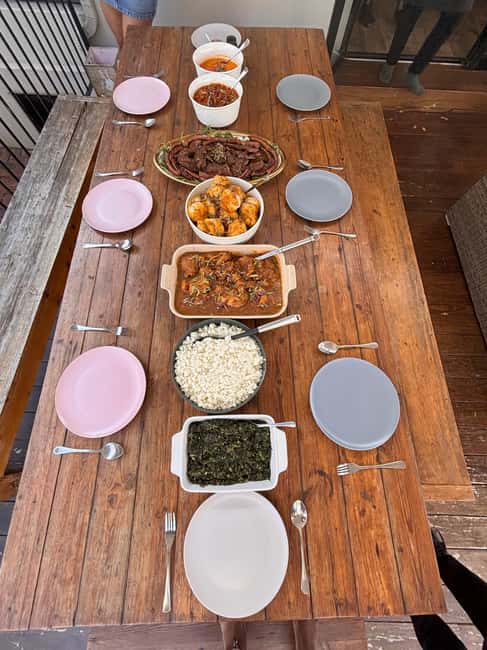
This is not a quick cooking class where you chop onions for 20 minutes and call it culture. It’s a slower, more human-paced afternoon. You get the neighborhood context first, then you cook, then you eat what you made together. That flow matters because you’re learning more than recipes. You’re learning how food connects to daily life, community, and identity in Johannesburg.
I especially like that you meet the day through a host’s home. You start with warm hospitality, you settle in, and it feels like you’re being welcomed rather than processed. Then the walk through Maboneng and the local food stops help you understand where ingredients and flavors come from in the real world.
As for the meal itself, the best part is that it’s not just a plate of food. It’s a shared result of learning techniques, working together, and swapping questions about what you’re seeing and cooking.
More Food Tours in Johannesburg
- Johannesburg: Local Food Tasting Guided Walking Tour
★ 4.7 · 192 reviews - Soweto Food & Beer Bike Tour
★ 4.9 · 40 reviews - Unique street food tour from at least 6 different cultures!
★ 5.0 · 29 reviews
Meeting at your Maboneng home base, what to expect first
The day begins at a home in the heart of Maboneng. Expect a friendly greeting, a warm welcome drink, and a chance to get oriented before you step out. If you’re the type who likes to feel comfortable early, this format helps. You’re not rushing from a hotel lobby to a van.
From there, you head out for the Maboneng portion, then you return to the same meeting point area afterward. That end back at the start is practical, especially if you want an easy buffer for getting dinner plans after.
A small note that comes up in the vibe: since it’s someone’s home, the setup can feel personal. In some cases, the space includes little touches like cats and plants, which can make the whole experience feel more like visiting a friend than attending a class.
Maboneng stroll and local vendor time: how it sets up your lunch
The neighborhood walk is a big part of why this works. You stroll through Maboneng and you head toward a local supermarket as part of the experience. This is not “shopping time” in the stressful tourist sense. It’s more like learning what people actually buy and why certain ingredients show up again and again.
You also get interaction with local food vendors during the process. That vendor contact helps connect the cooking session to real supply, pricing reality, and day-to-day choices. Even if you do not buy anything extra, you still come away with a better feel for the ingredients you’ll handle later in the kitchen.
What I like here is that you learn context before you cook. Your brain remembers recipes better when you understand what they come from. And the walk gives you a chance to ask questions in plain language, including how people think about food in Zulu culture.
If you’re a history-and-people person, you’ll probably enjoy the way the host shares stories along the way. In one memorable version of the experience, the walk included a history lesson and an explanation of what local community efforts are trying to build in the area.
The cooking session in a cozy kitchen: two hours of real work
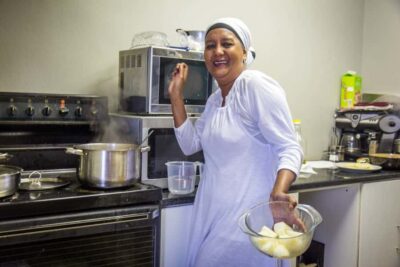
After the neighborhood portion, you return to the kitchen for the main event. This is the part most people come for, and for good reason: you spend about two hours cooking with a local chef using traditional techniques.
The key difference from many cooking classes is that you’re doing the steps yourself. You’re not just standing at the edge watching someone else plate food. The kitchen facilities are provided, and ingredients for the cooking session are included. That means you can focus on learning rather than figuring out what you need.
The language experience can also help a lot. With English and Zulu available, you’re more likely to catch the meaning behind the steps. If pronunciation matters to you, you’ll likely appreciate that the chef or host will guide you on how to say dish names or ingredient words properly.
Something different for the Johannesburg list:
- From Johannesburg: Pilanesberg Nature Reserve Game Safari
★ 4.8 · 1,327 reviews - Johannesburg: Hop-On Hop-Off Bus with Optional Soweto Tour
★ 4.6 · 985 reviews - Soweto /Johannesburg and Apartheid Museum Guided Full Day Tour
★ 5.0 · 932 reviews - Johannesburg Hop-On Hop-Off City Tour with Soweto Option
★ 4.5 · 768 reviews
What you might cook (and why it feels authentic)
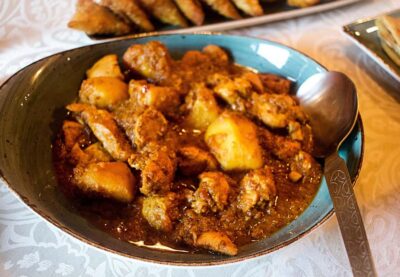
The exact menu can vary by session, but you should expect classic Zulu-inspired flavors and techniques. In one example, the chef handled BBQ chicken and grilled sausage, and those were standout moments. That matters because grilling is not just a method. It’s a social food skill, tied to gatherings and shared eating.
Even if your menu includes different items, the structure of the class stays similar: you work with ingredients, learn how to season and prepare, and then cook in a way that matches the traditional style your chef explains.
A practical heads-up on timing
This is the one place you should plan for flexibility. In at least one instance, the kitchen flow could have been better, with multiple dishes finishing at different times. The result can be that some items cool while others finish. The lesson for you is simple: if you care a lot about everything staying hot, tell your chef early that you want everything served warm and ask how they’re coordinating the cooking order.
Lunch is the reward: tasting Zulu-inspired food you made
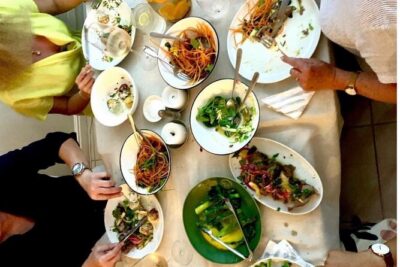
The meal happens after cooking. You sit down to savor a Zulu-inspired lunch, and it’s presented as a celebration of culture, tradition, and the connections formed during the cooking work.
This is where the day clicks. By the time you eat, you understand the steps behind the flavors. You can taste the difference between “I ate it” and “I made it.” That’s why hands-on learning pays off.
I also like that the lunch tends to be generous. In one version of the experience, the host kept feeding people, and the amount was a real surprise. If you work up an appetite during the walk and cooking, you’ll likely be very happy at the table.
Common lunch vibes you can expect:
- Grilled or meat-forward components, depending on the menu
- Hearty side dishes designed to balance the spices and flavors
- Conversation around the food, not just eating in silence
And yes, you should come hungry. You’re doing a neighborhood stroll, plus about two hours of active cooking. Your energy use is real.
Culture and conversation: the stories that make it stick
This experience is not only about food technique. It’s also about people. Your host shares cultural insights and stories throughout the day, and the chef adds context while you cook.
Conversation is a major ingredient. In one case, the host printed recipe sheets and helped with pronunciation, which is useful because you can recreate at home without guessing. In another, the chef and host guided a lot of back-and-forth about food, life, and culture, so the afternoon passed fast.
Language helps here too. When hosts can switch between English and Zulu, you get better explanations, and you miss fewer details.
If you’re the kind of traveler who likes to understand the “why” behind meals, this part will feel especially meaningful. You are not collecting facts for a quiz. You’re learning how food fits into community life.
Price and value: is $85 per person worth it?
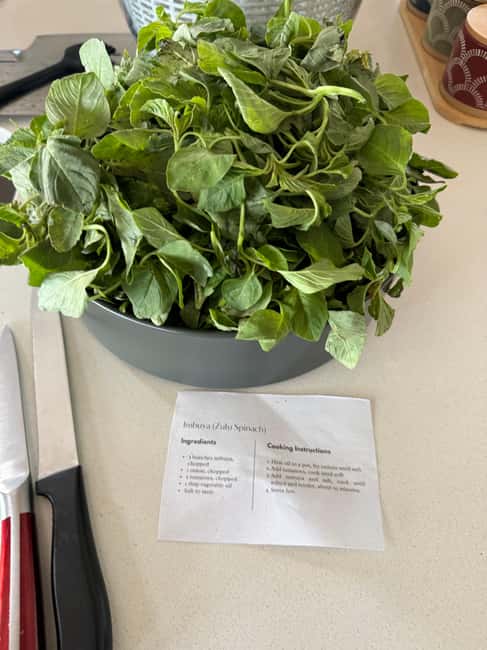
At about $85 per person, you’re paying for a full afternoon of host time, guided neighborhood walking, vendor interaction, and about two hours of hands-on cooking with a local chef. You also get ingredients for the cooking portion, the lunch itself, and a welcome drink.
That price is typically fair when you compare it to the cost of doing only the meal plus paying for a separate guide. Here, the value comes from three things working together:
- You get context, through the Maboneng stroll and vendor contact
- You learn skills, through the hands-on cooking instruction
- You get an actual sit-down meal at the end, not just small bites
If you’re looking for a cheap activity, this is not it. But if you want an authentic Johannesburg experience that also teaches you how to cook, the cost feels more reasonable.
One thing to watch: because it happens in a home kitchen, the flow depends on how the host and chef manage timing and cleanup. That can affect comfort. Still, the overall experience has been strong, with a standout emphasis on hospitality and food quality.
Practical tips so your day runs smoothly
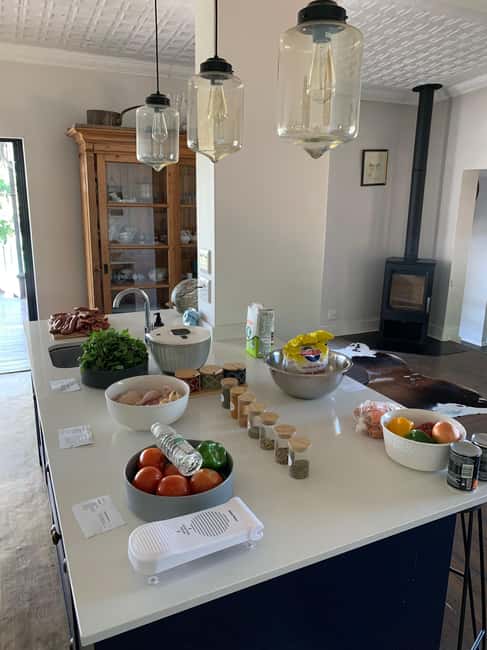
Here’s how I’d set yourself up for a great afternoon.
Before you go
- Wear shoes you can walk in comfortably. The Maboneng portion involves strolling.
- Bring a curious mindset. The best questions usually lead to the best explanations.
- If you have dietary needs, mention them early. The tour data confirms ingredients are provided, but it does not list special dietary handling, so you’ll want to check directly.
During the walk
- Ask about ingredients you see. The vendor interaction is there for a reason.
- Take in the neighborhood stories. Even short explanations help you connect the meal to place.
In the kitchen
- Expect active participation during the two-hour cooking portion.
- If you care about hot food, politely ask about how everything gets finished and served.
- If recipe sheets are available, take them. They make it much easier to cook again at home.
For the meal
- Plan to eat well. The lunch is the end goal and is generally filling.
- Skip alcohol. Alcoholic drinks are not included, so you can decide for yourself elsewhere if you want one.
Who should book this Zulu food experience?
This is a great fit if you want more than a restaurant meal in Johannesburg. You’ll likely enjoy it if you:
- Like cooking classes where you actually make food
- Enjoy meeting locals, not just seeing sights
- Want to understand Zulu culture through everyday food
- Prefer small, conversation-heavy experiences over big group tours
It’s also a good option if you are traveling solo or as a couple and you want an easy way to connect with people during the day.
If you’re extremely sensitive to restaurant-style timing, or you expect everything to move like a choreographed show, you may find the home-kitchen pace a bit looser than you’d like.
Should you book it?
If your priority is learning to cook Zulu-inspired food with a local chef, this is one of the better ways to spend an afternoon in Johannesburg. The day has a strong structure, neighborhood context, and a real payoff at lunch. The conversation and hospitality often make it feel personal.
I’d recommend booking if you like hands-on learning and you enjoy cultural stories tied to what’s on your plate. I would hesitate only if you need strict timing and perfectly polished logistics from start to finish, since a home setup can mean occasional rough edges like dish timing and kitchen cleanup.
If you’re okay with a friendly, real-world vibe and you want the skills and meal to show for it, go for it.
FAQ
Where does the experience start?
It starts at the host’s home in Maboneng, Johannesburg. You’ll receive detailed directions after booking.
Does the tour end somewhere else or back at the start?
It ends back at the meeting point.
How long is the hands-on cooking session?
The hands-on cooking session lasts for about two hours.
What’s included in the price?
The experience includes a guided stroll through Maboneng, interaction with local food vendors, ingredients for the cooking session, a local chef, hands-on cooking instruction, a Zulu-inspired lunch, cultural insights and stories, kitchen facilities, a warm welcome drink, and hospitality in the host’s home.
Are alcoholic drinks included?
No, alcoholic drinks are not included.
What languages are used during the experience?
English and Zulu.
Do I need to pay right away?
You can reserve and pay later, meaning you pay nothing today.
How late can I cancel for a full refund?
You can cancel up to 24 hours in advance for a full refund.
What does the Maboneng part of the day involve?
You’ll take a leisurely stroll in Maboneng, stop at a local supermarket, and interact with local food vendors while learning about the neighborhood and its food culture.
What should I expect to eat at the end?
You’ll sit down for a Zulu-inspired lunch made as part of the cooking experience.
Newest reviews around Johannesburg
- Johannesburg: 3-Day Panorama Tour with Kruger Park Safari★ 5.0 · 7 reviews
- Drakensberg Mountains. Tugela Gorge and Amphitheater Hike★ 5.0 · 7 reviews
- 5-Day Kruger National Park Safari including Breakfast and Dinner★ 4.5 · 7 reviews
- Aerial cableway Hartebeespoort Halfday tour★ 4.5 · 7 reviews
- Soweto Township Tour★ 5.0 · 7 reviews
- Private Safari Tour: Pilansberg National Park Big 5★ 5.0 · 7 reviews
- Historical and Cultural Interactive Experience of Soweto★ 5.0 · 7 reviews
- Johannesburg: Cradle of Humankind & Harties Aerial Cableway★ 5.0 · 7 reviews
Cooking Classes, compared.
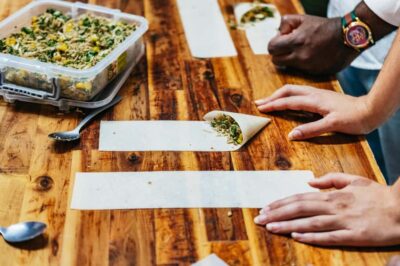
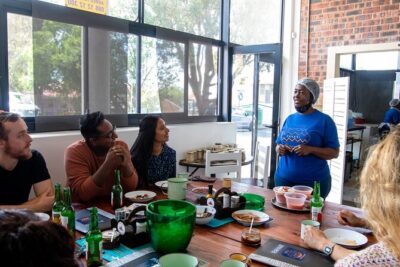
Half-Day Small Group Cooking Experience in Franschhoek
Read our review →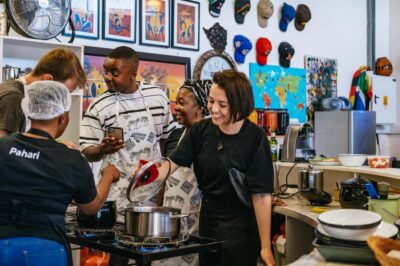

Private Cape Malay Cooking Class in Cape Town with a Local Family
Read our review →
GQ: City Walking Tour & African Cuisine Cooking Class
Read our review →Browse the lists this tour appears in