
Reviewed · COOKING CLASSES
Cape Town: Authentic African Cuisine Cooking Experience
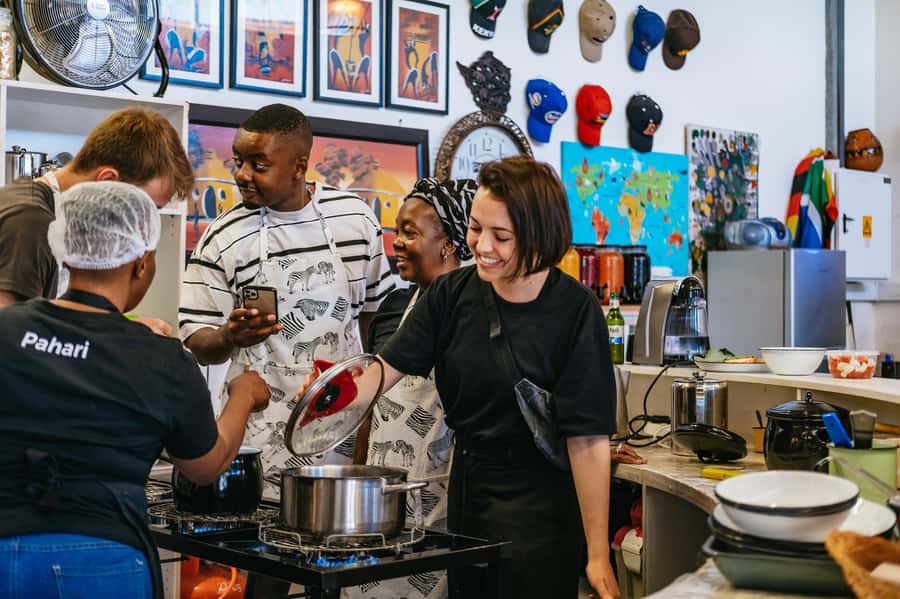
What makes this Cape Town cooking class interesting is that you are not just following recipes, you are learning the logic behind them, ingredient by ingredient, and then cooking the meal yourself. I love the hands-on format where everyone gets a chance at the stovetop and the preparation. I also like that you get a clear history of African cuisine tied to real dishes you will make.
One consideration: if you expect a fancy, multi-course dessert situation, this experience is more about the meal and hospitality than finishing with sweets.
Key things to know before you go
- Florence (co-owner of Pahari African Restaurant) is your guide, and the history piece feels personal, not scripted
- Small group (max 10) means you will actually cook, not just watch
- You make the full meal from start to finish, including the base for the main dishes like sadza
- Included drinks cover African juice, African beer, and tea or coffee after the meal
- Communal eating is part of the experience, so plan for shared table energy and hands-on style of eating
- Vegetarian and vegan options are available, not an afterthought
Cape Town’s Pahari cooking class: what you’re really paying for
For $71 per person and about 150 minutes, this isn’t a quick taste-and-run. You are paying for three things that matter in real life: time in the kitchen, an explanation you can use, and a meal you help create and then enjoy with the hosts.
The setting is also practical. You meet at Pahari African Restaurant and then head to a separate room adjacent to the restaurant. That keeps it easy, especially if you are already eating in the area. The small-group size, limited to 10 participants, changes the vibe. You can ask questions, you get hands-on roles, and you are not stuck waiting for someone else to stir the pot.
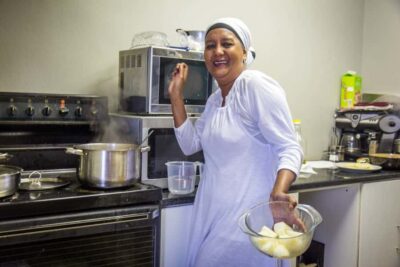
The star of the day is Florence, a co-owner at Pahari who learned cooking from her mother and keeps the recipes in the family line. If your goal is an authentic experience, this matters. Food culture stays alive when someone teaches it as something they actually do at home.
Put these Cape Town options head to head
- Wine Tour: Paarl, Franschhoek & Stellenbosch incl 3 wineries
★ 5.0 · 3,940 reviews - Cape Town: Hop-On Hop-Off Bus Tour with Optional Cruise
★ 4.8 · 3,929 reviews - Cape Town: Cape of Good Hope & Penguins Day Tour with Pickup
★ 4.7 · 3,362 reviews
Meet Florence at Pahari African Restaurant, then head to the kitchen room
Your day starts at Pahari African Restaurant, where you ask for Florence. That simple meeting point is helpful because you do not need a long scavenger hunt with a bunch of small signs. Once you are in, expect a welcome that sets the tone: African drinks plus starter snacks.
This part is more than a courtesy. It helps you loosen up before you start working with ingredients and spices. It also gets you in the habit of tasting while you cook, instead of waiting until everything is finished.
Then, you will move into the cooking space next to the restaurant. Because it is a dedicated room, you can focus on the class without the distractions of a full dining room.
The welcome tasting: starter snacks and African drinks
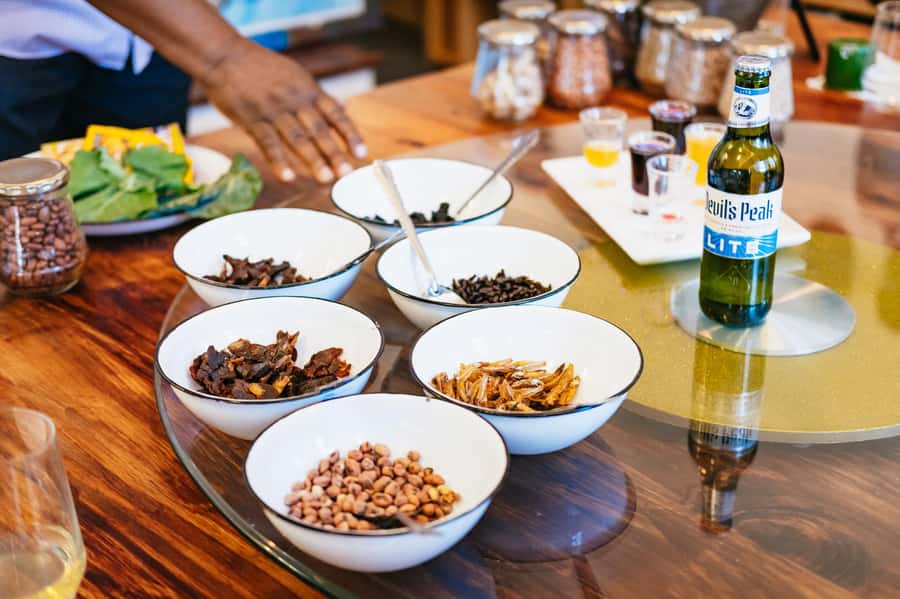
Before the stove work begins, you get a spread of starter snacks and a drink selection. The class includes African juice, African beer, and tea or coffee (the hot beverage comes at the end too).
What I like about this setup is that you start with flavor education, not just instruction. When you sip and nibble first, you start recognizing what later tastes will be trying to achieve: balance, spice warmth, and that satisfying slow-cooked depth you get from stews and bean dishes.
Also, you should be ready for the fact that in some African home-style meals, starters can surprise visitors. One earlier experience I saw described tasting items like termite and caterpillar-style starters as part of the adventure. You might find options like that on some days, but the key is that you will certainly have starter snacks that connect to the meal you cook.
Learn the history of African cuisine while you cook
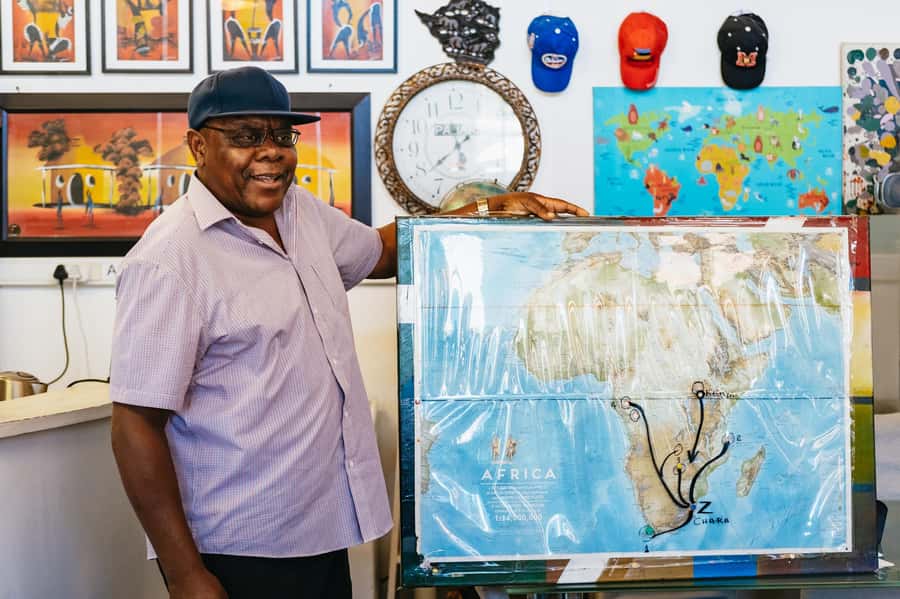
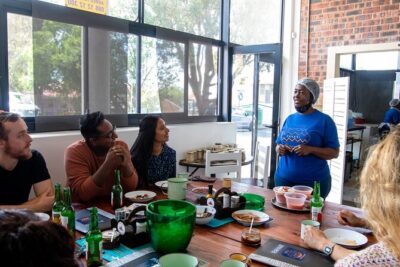
A big part of this experience is not just the menu. Florence explains the history of African cuisine, including ingredients and how recipes have changed over time and passed down through generations.
This matters for your kitchen confidence. You stop thinking of a dish as a random collection of steps. Instead, you learn why certain ingredients show up together and how techniques carry meaning. Even if you never plan to cook these exact dishes again, that kind of context makes your meal feel grounded.
Language is English, so you will be able to follow along without relying on guesswork. In a small group, you can also ask questions when something clicks or confuses you.
Something different for the Cape Town list:
- Zipline Cape Town – From Foot of Table Mountain Reserve
★ 5.0 · 3,179 reviews - Cape Town: Table Mountain Cable Car, Hop-On Hop-Off Bus Tour
★ 4.6 · 3,157 reviews - Cape Point and Boulder’s Penguins Full Day Tour
★ 5.0 · 3,118 reviews - From Cape Town: Big Five Game Reserve with Lunch
★ 4.6 · 2,409 reviews
The hands-on lesson: cooking the meal from start to finish
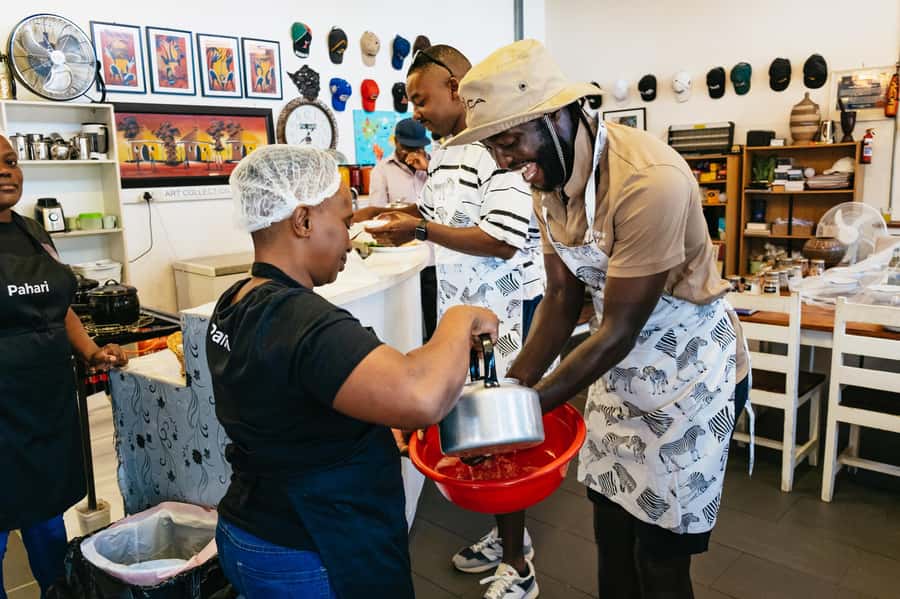
This is the heart of the class. You will learn to cook several dishes, guided step by step. Everyone has an opportunity to contribute, so you should expect roles at the cutting board, stove, stirring, portioning, and serving.
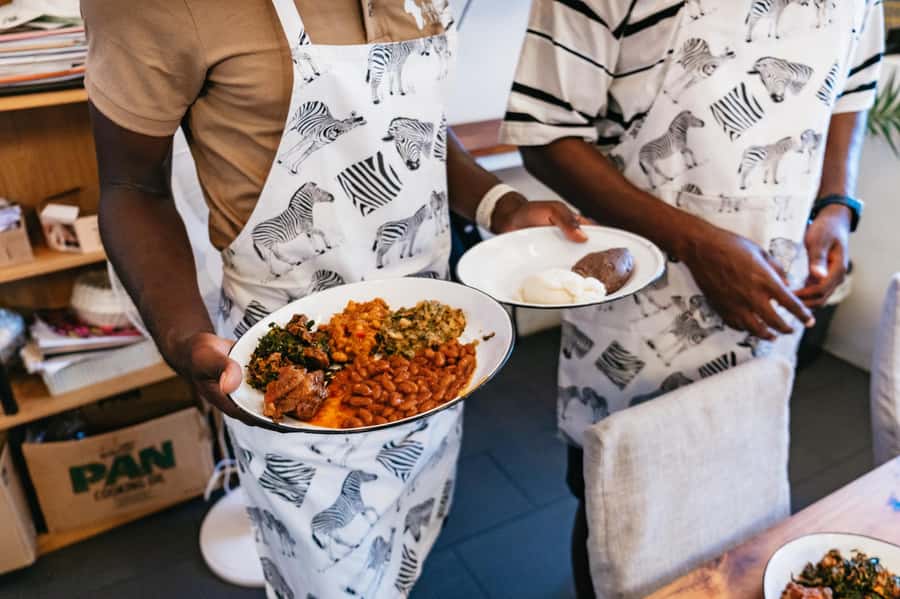
The lineup includes:
- Sadza (ground mealie meal, sometimes called pap in the region)
- Meaty beef bones with green veggies
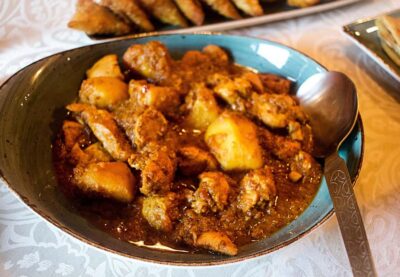
- Chicken stew
- Chakalaka
- Sugar beans
That combination is smart because it teaches variety. You get a starchy base, saucy stews, a veggie-forward side with spice, and beans for comfort and texture. It also gives you a balanced plate of flavors: hearty, savory, slightly spicy, and filling.
Sadza: the foundation dish you will actually make
Sadza is the base of many meals, and learning it is one of the best ways to understand why African cuisine feels so satisfying. In class, you will learn how to prepare it with ground mealie meal, which gives you that thick, spoon-able comfort.
What makes it valuable is that sadza is not just a side. It is the anchor for how you eat. Once you make it, you better understand why people build a plate around it.
Beef bones with green veggies: slow comfort with real staying power
The beef bones dish brings depth. Bones and greens create a hearty stew feeling, the kind that warms you from the inside. You will learn how to mix and cook it so the flavors work together rather than staying separate.
If you are someone who loves a meal that tastes like it took time, this is the one that delivers that impression fast. It is also the dish that most clearly shows how African home cooking often leans into rich, slow satisfaction.
Chicken stew: the crowd-pleaser that teaches technique
Chicken stew is where you learn how to build flavor without overcomplicating things. You will work with a hearty stew structure, where seasoning and cooking time turn simple ingredients into a comforting bowl.
Even if your cooking style is more everyday than “cookbook chef,” you will come away with technique you can reuse.
Chakalaka: the spicy, veggie side that brings the plate alive
Chakalaka is the dish people remember when they think about big-flavor sides. It is made to be spooned over and mixed into the rest of the meal.
In a class like this, chakalaka is valuable because it teaches you that vegetables can be the main event, not just filler. When you make it yourself, you learn how spice, texture, and cooking together create that signature taste.
Sugar beans: comforting, grounding, and great for leftovers
Sugar beans add a sweet-savory comfort that helps round out the plate. This dish is a good lesson in patience and consistency, since beans take their time to get tender and satisfying.
If you like meals you can eat again the next day, this is the part of the class that gives you that possibility. The flavors are hearty and travel well.
Vegan and vegetarian options: real substitutions, not just a swap
The class offers vegan and vegetarian options. That matters because African cuisine has plenty of plant-forward dishes, and you should not feel like you are being pushed aside.
If you have dietary needs, you should still show up ready to taste and learn. The best approach is to think of this as a cooking education, not a test of how closely a substitute matches an original dish.
Communal eating: the home-style finish (and what to expect at the table)
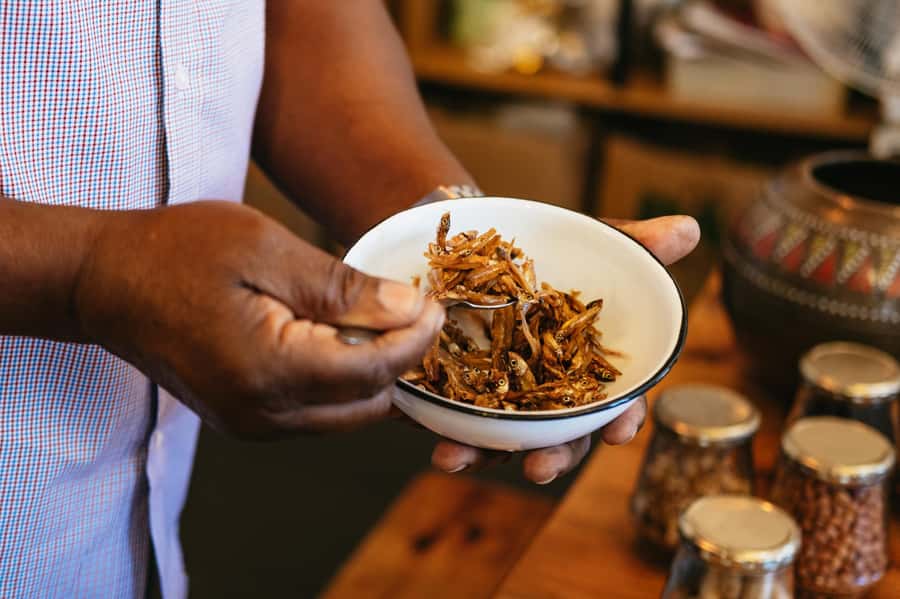
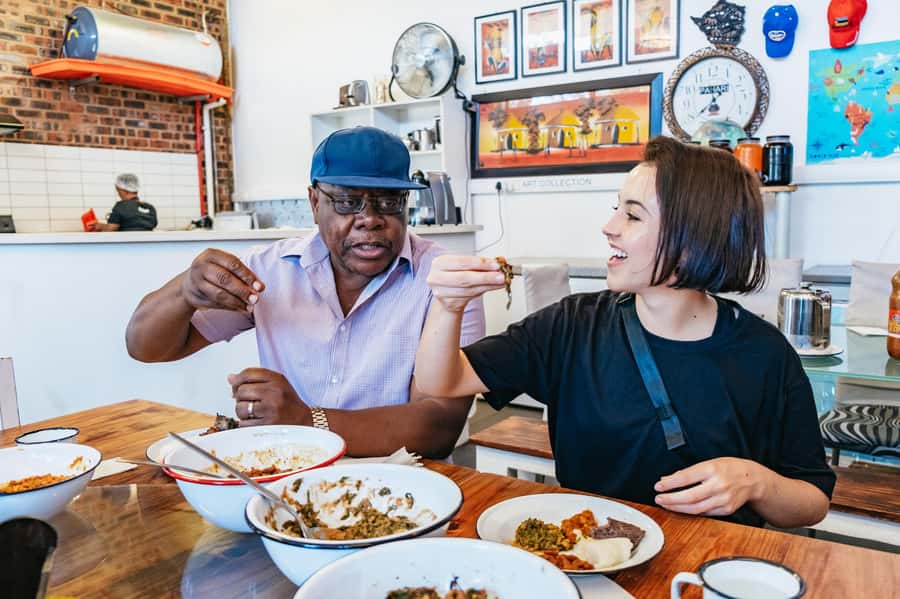
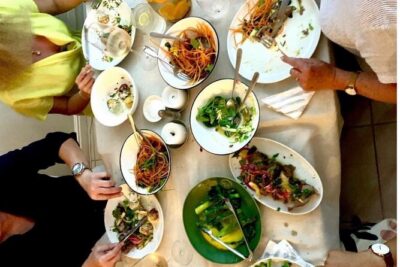
After cooking, you enjoy the meal together, communally, like it is typically done in an African home. This is not just a ceremony. It changes how you experience the food because you are sharing the same plate you helped make.
One practical detail: you may eat with your hands. An earlier account of the experience described the fun struggle of trying to eat without utensils, because the meal was meant to be handled and mixed the way home cooks do. If that sounds intimidating, do not stress. You can watch others, follow the lead, and you will pick it up.
This communal format also makes the class feel social in a good way. In a small group, you have enough time to talk, ask about ingredients, and learn how people approach cooking at home.
And yes, the meal is meant to be satisfying and practical. One earlier comment noted the absence of dessert, which fits the reality that many home-style meals end after the main dish and a hot drink.
Ask for the easy-to-follow recipe, then enjoy your meal again
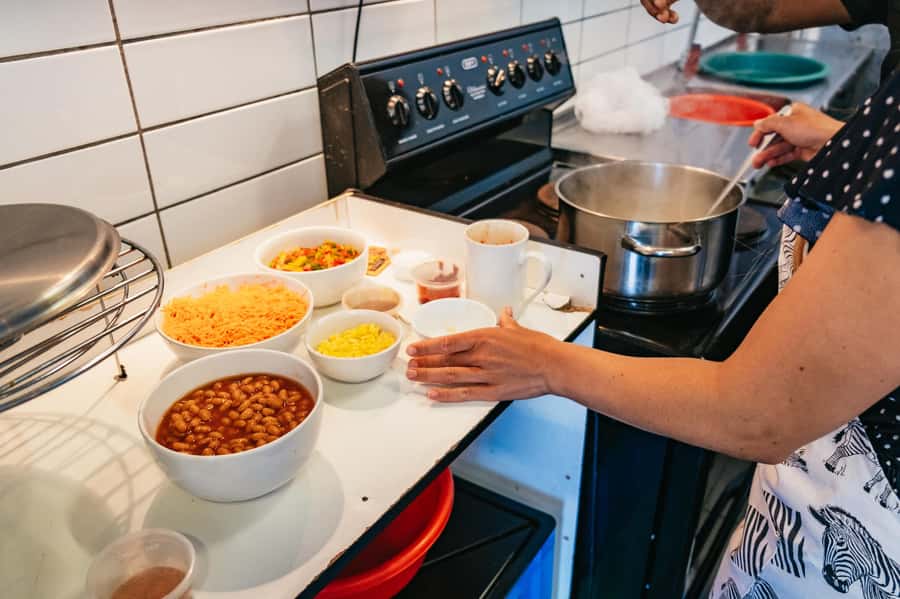
You can request an easy-to-follow recipe. That is the part that helps you take something home beyond memories. If you are the kind of person who likes to cook later, this gives you a real path forward.
After the communal meal, you can enjoy your food privately with family, friends, work colleagues, and other travelers from around the world in a peaceful environment. Even if you are traveling solo, that private angle helps if you want a calmer moment after the social cooking portion.
A final hot beverage, tea or coffee, closes things out. It gives you that last chance to digest the experience, and it is also a nice way to slow down before you head back out into Cape Town.
Price and value: is $71 worth it?
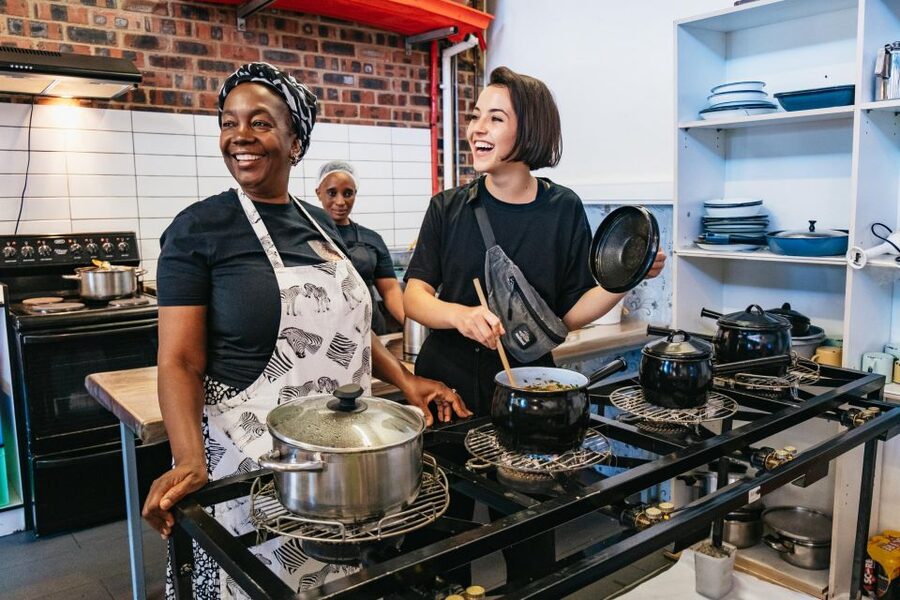
Let’s be honest. $71 is not a throwaway add-on, especially in Cape Town where you have tons of restaurant choices. But for this class, the value comes from what is included.
You get:
- A 150-minute cooking experience with hands-on participation
- Multiple dishes, including sadza and several main and side components
- Food and drinks included, specifically African juice, African beer, and tea or coffee
- A history and ingredient explanation led by Florence
- Small group attention, limited to 10 participants
- Access to an easy-to-follow recipe you can request
If you price out the cost of dinner plus drinks plus a guided cultural lesson plus actual cooking time, this starts to look fair. The biggest cost you are paying for is not food. It is time, instruction, and the hosts’ effort to explain the cultural context while keeping you busy at the stove.
If your goal is only to snack and watch, you might feel overcharged. If your goal is learning plus eating plus doing, it is a strong deal.
Who this Cape Town cooking experience is perfect for
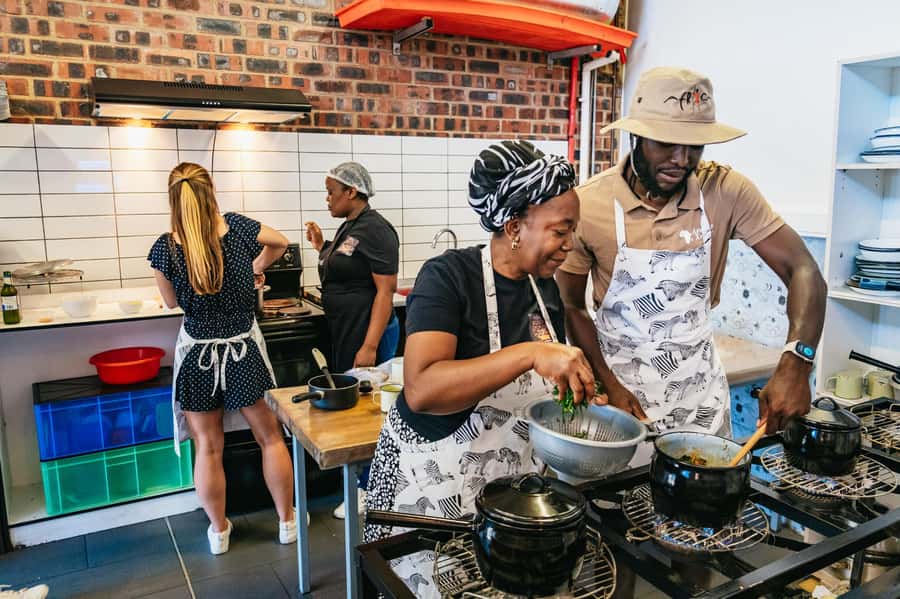
I think you should book this if you want one of these outcomes:
- You want a real cooking lesson, not a quick demo
- You enjoy cultural storytelling that links directly to food
- You like meal formats that are shared and social
- You want something in English with a small group
- You are happy to get a little messy, because you will be cooking for real
It is also a great fit if you are traveling with friends. A small group makes it easy to talk, and everyone leaves with a shared story about the dishes they helped make.
If you are picky about very structured timetables, you might find the flow more relaxed than a strict, timed class. But you should still feel guided step by step.
Practical tips so you enjoy it more
- Go hungry. The meal you cook is the main event, and it is meant to fill you up.
- Expect to handle ingredients. This is not a stand-and-smile activity.
- Be ready for communal table style. If you have never eaten with your hands, watch first and follow.
- If you have dietary needs, plan to ask about vegan or vegetarian options so you can prepare mentally for the style of substitutions.
- Ask for the recipe at the right time. If you wait too long, your practical notes might end up being incomplete.
Should you book Florence’s Pahari African cuisine cooking experience?
My take is simple. If you want a Cape Town experience that is hands-on, food-centered, and taught with real family knowledge, this is an excellent choice.
Book it if you like the idea of cooking sadza, chakalaka, and stews, plus learning the story of the cuisine behind the dishes. It is also a smart pick for small-group travelers who want a guided cultural experience without crowds.
Skip it if you only want a light snack, or if you strongly prefer very formal dining structure and courses with dessert. This is a home-style meal, guided by Florence and the Pahari team, and it focuses on cooking, tasting, and hospitality.
Newest reviews around Cape Town
- Robben Island and Table Mountain Pre Booked Tickets★ 5.0 · 18 reviews
- Private Wine tasting Cape Town Wineries Stellenbosch Franschoek Paarl full Day★ 5.0 · 18 reviews
- Private Half DayTour:Cape Winelands, Stellenbosch from Cape Town★ 5.0 · 18 reviews
- Cape Peninsula with a Marine Biologist★ 5.0 · 18 reviews
- AFFORDABLE Quad Biking Atlantis Dunes+ PHOTOS★ 4.5 · 18 reviews
- 3 Days Private Tour: Cape of Good Hope, Penguins, Table Mountain & Robben Island★ 5.0 · 19 reviews
- Airport Shuttle Transfer from Airport to Cape Town City Center★ 4.5 · 19 reviews
- Private/Personalized Full Day Wine Tasting Tour Cape Winelands★ 5.0 · 19 reviews
Cooking Classes, compared.
Half-Day Small Group Cooking Experience in Franschhoek
Read our review →
Private Cape Malay Cooking Class in Cape Town with a Local Family
Read our review →
GQ: City Walking Tour & African Cuisine Cooking Class
Read our review →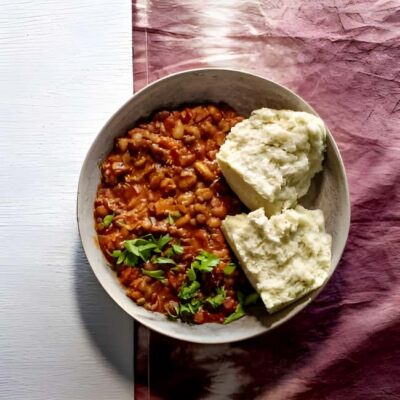
Zulu Food Cooking & Dining Experience with a local Chef
Read our review →Browse the lists this tour appears in