

Reviewed · SOWETO TOURS
Historical and Cultural Interactive Experience of Soweto
Soweto can feel like a stack of textbook dates, but this tour keeps it human. You move through major landmarks tied to the anti-apartheid story, then you spend time meeting people along the way, from sharing tea in a local home vibe to chatting in community spaces.
I like that the day is built around real locations you can see and picture instantly. I also like the flexibility factor, because the guide shapes the experience around your interests and energy, with one simple rule, have fun.
The main thing to consider is time and comfort. The route is a half-day program (about 4 to 5 hours), and a few stops involve walking and time outdoors in Johannesburg weather. Also, the optional traditional healer visit costs extra.
Key Highlights You Should Not Skip
- FNB Stadium’s Calabash design in Nasrec, a major World Cup legacy site
- Walter Sisulu Square and the Freedom Charter, tied to the People’s Congress in 1955
- Hector Pieterson Museum and Memorial, centered on the June 16, 1976 student uprising
- Mandela House in Orlando West, where Nelson Mandela lived before and after imprisonment
- Vilakazi Street, famous for having had two Nobel Prize laureates as residents
- Optional traditional healer visit from home, available for an extra R300 per person paid in cash
Why This Soweto Tour Feels Different From a Usual Checklist
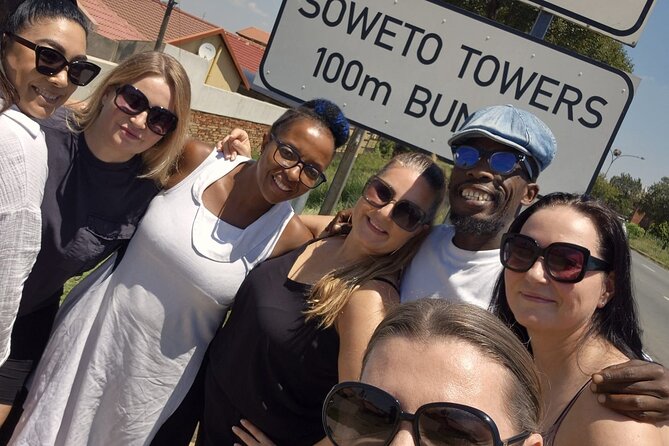
If you want Soweto as more than photos, this kind of tour helps. The stops are famous, yes, but the way you experience them is the point. You are not only listening to dates. You are watching how people live today, hearing context that explains how the past still shapes daily life, and building quick, genuine human moments.
The guides are a big part of that. In the feedback you can see repeat themes: guides like Zandile, Jazz, and Zandile again (same guide mentioned by a slightly different name) are praised for being kind and for giving explanations that connect past and present in a way that sticks. People also mention the guides felt like family, not a stiff tour script.
There is also a practical advantage. You get pickup and an air-conditioned vehicle, plus bottled water. That matters in Johannesburg, because the comfort gap between jumping between spots on your own and having a vehicle lined up is real.
More Historical Tours in Johannesburg
- Soweto Township Cultural Tour incl Apartheid Museum and Nelson Mandela House
★ 5.0 · 30 reviews - Cradle of Humankind World Heritage Site
★ 5.0 · 15 reviews - Johannesburg: Soweto History Tour with Hotel Pickup
★ 4.8 · 14 reviews
Getting From Johannesburg to Nasrec and Soweto Without the Headache
The tour runs as a half-day window, typically with pickup around 10:00 AM. The overall experience lasts about 4 to 5 hours, and it runs 10:00 AM to 3:00 PM on all days shown in the schedule dates.
You have a mobile ticket and you receive confirmation at booking. That reduces the usual arrival stress of figuring out where to meet and what to show. It is also a private tour, meaning it is just your group, not a giant mixed crowd.
Cost-wise, it is $90.81 per person. At first glance, that may feel like a lot for a half-day. Then you factor in what is included: vehicle transport, bottled water, all fees and taxes, and admission for two major interior visits. For many people, that is the sweet spot between a bare-bones drive-by and an expensive full-day package.
Stop 1: FNB Stadium, the Calabash in Nasrec
The day starts at FNB Stadium. Pickup happens around 10:00 AM, and you roll in for the stadium stop around 10:30 AM. This venue is big, and it has a personality. The design concept is called the Calabash, or African pot, which is a visual nod to an African shape and everyday cultural object.
This is the largest venue in South Africa and it seats 87,436 people. It is also known internationally for its World Cup-era transformation. If you have ever seen world-famous stadium architecture and wondered how it fits into an African identity, this is one of the more interesting answers.
Practical note: the stop is short, about 30 minutes. Admission is marked as free. That works well if you want to get your bearings early and not feel like you are stuck somewhere you cannot linger.
Stop 2: Walter Sisulu Square and the Freedom Charter
Around 11:00 AM, you move to Walter Sisulu Square. This stop is about the Congress of the People on 26 June 1955, when people met to draft what became the Freedom Charter.
Here is the value of this stop: it connects the anti-apartheid struggle to a specific document and a specific moment. The Freedom Charter emphasized ideas like a non-racial society, liberty, and individual rights. It is described as a cornerstone in political thinking connected to South Africa’s later constitutional direction.
This square is now a national heritage site, so you are looking at a preserved memory place, not just a street corner.
The timing is about 45 minutes, and admission is free. The only consideration is context sensitivity. This area carries heavy political weight, so you will get the most out of it if you keep a respectful pace and let the guide do the explaining in full, not just skim.
More Soweto tours:
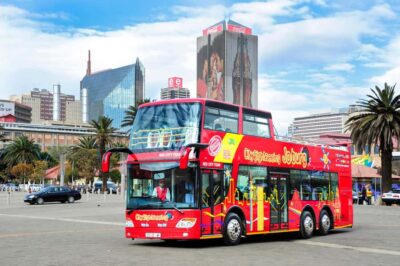
- Johannesburg: Hop-On Hop-Off Bus with Optional Soweto Tour
★ 4.6 · 985 reviews - Soweto /Johannesburg and Apartheid Museum Guided Full Day Tour
★ 5.0 · 932 reviews - Johannesburg Hop-On Hop-Off City Tour with Soweto Option
★ 4.5 · 768 reviews - Half-Day Tour of Soweto Tour
★ 4.5 · 712 reviews
Stop 3: Hector Pieterson Museum and Memorial, June 16, 1976
By 12:00 PM, you are at the Hector Pieterson Museum and Memorial. The museum is named after Hector Pieterson, a 12-year-old boy whose killing during the June 16, 1976 student protest became an iconic image.
The global uproar matters here. There is a well-known photograph of the dying Hector being carried for help, and it helped shock the world and fuel anti-apartheid sentiment. Even if you have heard the story before, I like seeing how the museum frames the build-up and the aftermath, instead of treating the moment like a random tragedy.
You will also learn about how the protest began over language in schools, specifically the use of Afrikaans rather than students’ home languages or English. Then the protest escalated into broader resistance.
This stop takes about 1 hour, and admission is included. That is a big deal for value, because museums inside can otherwise add cost quickly on your own. It is also a place where you will likely feel your attention slow down, because the story is intense and detailed.
Stop 4: Mandela House in Orlando West, the place marked by an X
At 1:00 PM, the tour goes to Mandela House. This is a guided visit inside the home where Nelson Mandela lived for more than 14 years. Your guide will cover life there during different family periods, including when Evelyn Ntoko Mase was his wife and later when Winnie Madikizela-Mandela lived there with their daughters, Zenani and Zindzi Mandela.
This stop hits best when you treat it like a home, not a monument. You are seeing how politics and imprisonment shaped daily life, and how family endured during absence and uncertainty.
You also get context for his return after imprisonment in 1990. Mandela wrote about coming back to this address after 27 years in prison, describing a mental shift that told him he had left captivity behind. The guide connects that meaning to what the house represented: a center point of his world again.
Time here is about 45 minutes, and admission is included. This is one of the strongest reasons to choose a guided format. Without a guide, you might walk through with only partial understanding of what the rooms represent. With a guide, the house becomes a storyline you can track.
Stop 5: Vilakazi Street, Nobel Residents, Food, and Street Life
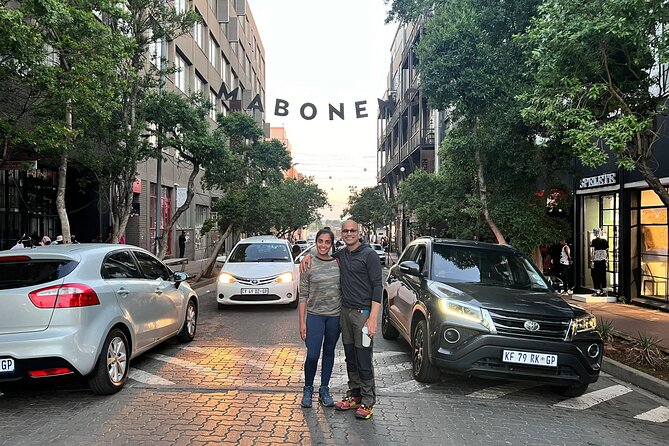
Next is Vilakazi Street, at about 1:00 PM in the schedule. This street is famous for one simple reason: it is the only street in the world noted as having had two Nobel Laureates as residents, Nelson Mandela and Archbishop Emeritus Desmond Tutu.
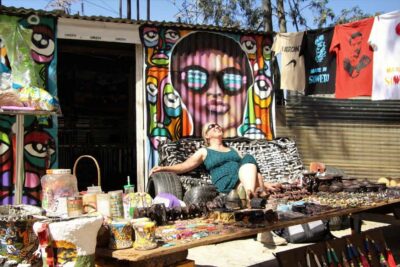
It is also where you get a sense of modern Soweto life. The guide helps you notice the entrepreneurial energy, from shops selling accessories and African-inspired fashion to homeware type stores. There can also be performers singing and dancing, which adds movement and sound to the day.
You will have time to explore and you can also eat nearby. The tour description mentions restaurant options with Soweto-style buffet type meals. Just be clear: lunch is not included in the tour price. So plan for your own lunch decision if you want to eat on-site. If your budget is tight, even a snack stop can help you keep energy for the afternoon.
This stop is listed as about 1 hour, admission free. The upside is flexibility. The downside is that the street can be active, so if you prefer quiet museum-like pacing, tell your guide you want more focused time for photos and less shopping.
Optional Extra: Traditional Healer Visit With a Home Visit Angle
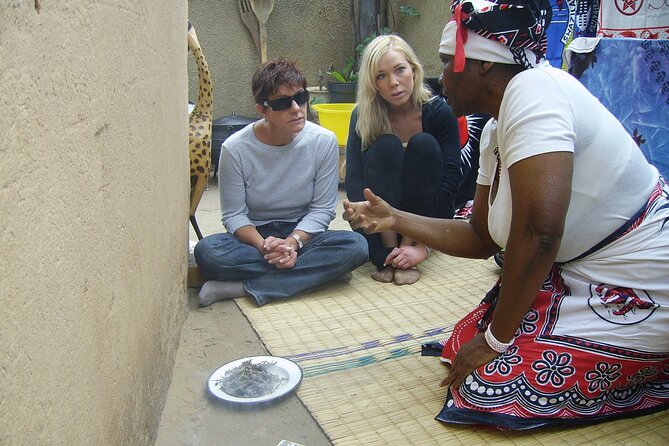
One of the tour’s more distinctive features is the optional visit to a traditional healer. It is positioned as a way to connect with ancestors and messages, and the healer works from home, so you can get a home-visit style experience.
Cost is R300 per person, paid in cash to the healer as an optional extra. It is not included in the base tour price.
Here is how I’d think about deciding on it. If you are curious about lived cultural practice and spiritual traditions in South Africa today, you may find it meaningful. If you prefer your tours strictly inside museums and memorials, you may skip it. Either way, you are still seeing the core Soweto landmarks.
Tip: if you do add it, bring the cash you need ahead of time. This is one of those add-ons where convenience comes from preparation.
The Most Praised Part: Human Connection, Not Just Facts
The tour description and the guide feedback keep pointing to the same outcome: you leave with more than notes. You leave with moments.
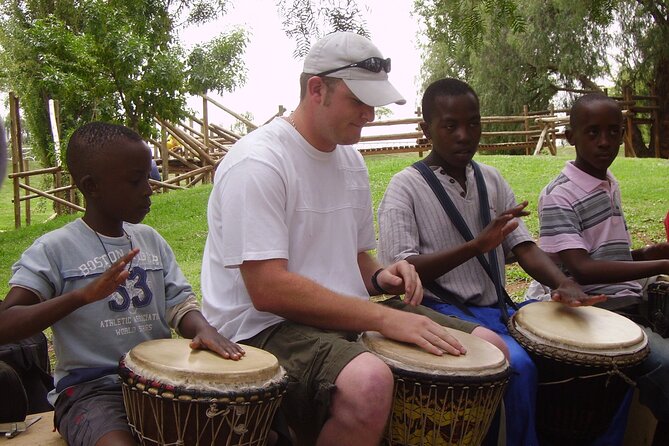
The experience is described as making connections through small interactions, like sipping tea in a local home vibe, meeting people at a local tavern, and spending time with children from a kindergarten. That is paired with the idea that guides share both information and heritage.
From the reviews, there is a clear pattern of praise for the guides’ warmth. People describe guides like Zandile as kind and attentive, with a feel of being treated like family. Jazz gets mentioned for showing both the good and the not-so-great parts and for giving a deeper understanding of South African history.
That matters for value because the tour is not only selling admissions. It is trying to give you context you cannot easily get from guidebooks alone. And if you care about respectful, personal storytelling, the guide style becomes part of the product you are paying for.
How to Plan Your Half-Day So It Stays Comfortable
This is a 4 to 5 hour experience, so you want to travel light and keep your body comfortable.
What I’d do if you book:
- Wear shoes you can walk in, because the stops are spread and the streets around memorial sites can involve uneven surfaces.
- Bring a layer. Johannesburg weather can shift during the half-day window.
- Budget for lunch on your own, since lunch is not included.
- Decide in advance whether you want the optional healer visit. If yes, plan for the R300 cash.
Also, since pickup is included, you do not need to arrange transport between sites. That removes one of the most annoying costs and timing problems that pop up when you do this on your own.
Who This Tour Fits Best
This tour works especially well if you:
- Want a high-impact half-day focused on Soweto’s key memorial and political sites
- Prefer a guided explanation that connects the past to the present
- Like experiences that include social moments, not just photo stops
- Are traveling as a couple, family group, or small group that wants private guiding rather than a big group bus
If you are very rushed, have mobility limitations, or dislike emotionally intense memorial learning, you might consider shortening your plan or skipping the memorial sites. But the structure still makes sense, because you are not spending all day on one location.
Should You Book This Soweto Experience?
I’d book it if you want Soweto with guidance and context, plus the chance for real-life human interactions. The included admissions at Hector Pieterson Museum and Mandela House are a strong value anchor, and the vehicle, bottled water, and private format help the day feel smooth.
I’d think twice if:
- You want a strictly museum-only day with minimal interaction beyond exhibits
- You do not want any optional cultural/spiritual add-ons, like the healer visit
- You plan to skip lunch altogether, because lunch is not included and you may want to pace your energy for the full route
If your goal is to understand Soweto beyond headlines, this half-day route, anchored by Mandela House and Hector Pieterson Memorial, plus the Freedom Charter stop, is an efficient way to get the story and the people, not just the places.
FAQ
How long is the Soweto tour?
It lasts about 4 to 5 hours.
What time does the tour start, and what is the operating window?
Pickup starts around 10:00 AM, and the experience runs during the day between 10:00 AM and 3:00 PM (depending on the date).
Is hotel pickup included?
Yes. The tour includes pickup from your hotel, and you travel in an air-conditioned vehicle.
What attractions have admission included, and which are free?
FNB Stadium and Walter Sisulu Square are listed as free. Admission is included for Hector Pieterson Museum and Memorial and for Mandela House.
Is lunch included in the price?
No. Lunch is not included.
What does the optional traditional healer visit cost?
The traditional healer visit is optional and costs R300 per person, paid in cash to the healer.
Can I get a full refund if I cancel?
Yes, free cancellation is available up to 24 hours before the experience’s start time for a full refund.
Newest reviews around Johannesburg
- Johannesburg: 3-Day Panorama Tour with Kruger Park Safari★ 5.0 · 7 reviews
- Drakensberg Mountains. Tugela Gorge and Amphitheater Hike★ 5.0 · 7 reviews
- 5-Day Kruger National Park Safari including Breakfast and Dinner★ 4.5 · 7 reviews
- Aerial cableway Hartebeespoort Halfday tour★ 4.5 · 7 reviews
- Soweto Township Tour★ 5.0 · 7 reviews
- Private Safari Tour: Pilansberg National Park Big 5★ 5.0 · 7 reviews
- Soweto Tour★ 5.0 · 7 reviews
- Johannesburg: Cradle of Humankind & Harties Aerial Cableway★ 5.0 · 7 reviews
Soweto Tours, compared.

Soweto /Johannesburg and Apartheid Museum Guided Full Day Tour
Read our review →Johannesburg Hop-On Hop-Off City Tour with Soweto Option
Read our review →

Jo’berg in 1 Day: Soweto, Apartheid Museum & City Tour
Read our review →
Full-Day Tour with Soweto and Apartheid Museum
Read our review →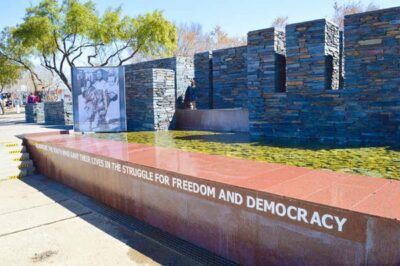
Browse the lists this tour appears in