
Reviewed · COOKING CLASSES
Cape Town: Malay Cooking Class and Lunch in Bo-Kaap
Bo-Kaap in Cape Town is a feast for the eyes, with those hot pink and burnt-orange houses climbing up toward Signal Hill. Add a hands-on Cape Malay cooking class in a real home, led by Faldela, and you get a day that’s part food lesson, part neighborhood story.
I like two things a lot here. First, the class is practical and interactive, so even if you have never cooked before, you still end up doing real work in the kitchen. Second, the food is made to be shared, and you finish with a lunch that comes right out of your own dishes.
One consideration: because it happens in a home setting, the pace can feel more social than “solo chef training.” If your group is larger, you might do a bit less hands-on per dish than you expect.
Key highlights you will actually care about
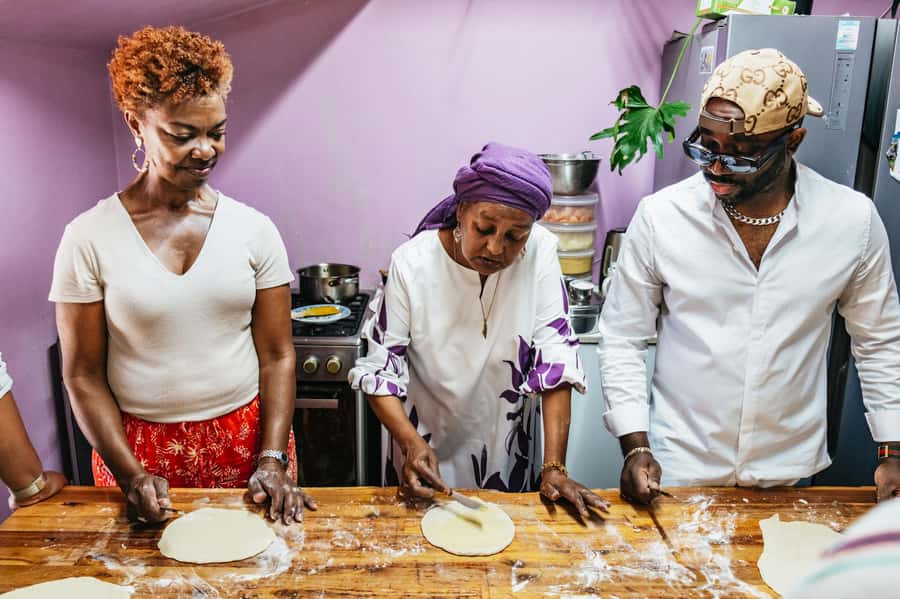
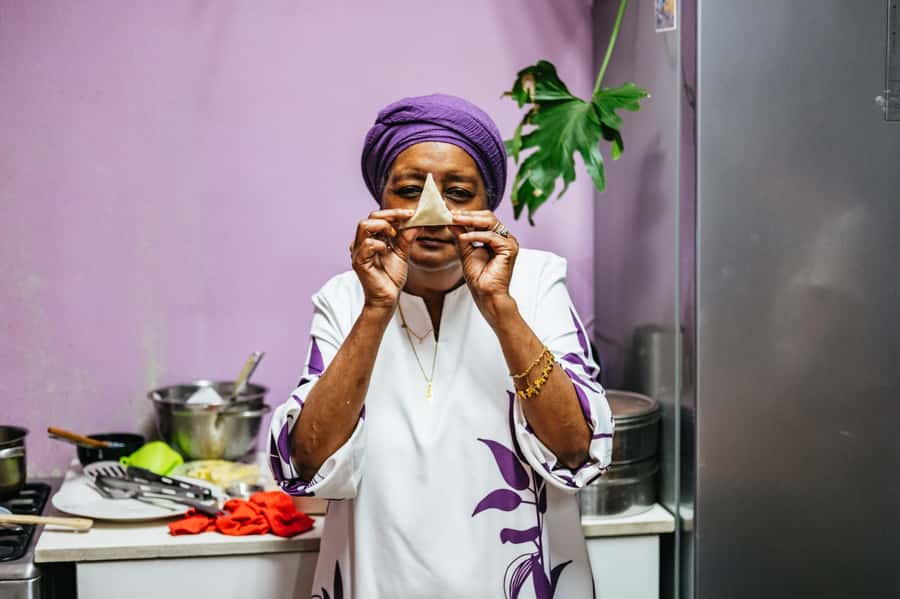
- Hands-on Cape Malay cooking in a home with Chef Faldela, plus family help from time to time
- Bo-Kaap street time for photos among the famous colorful houses
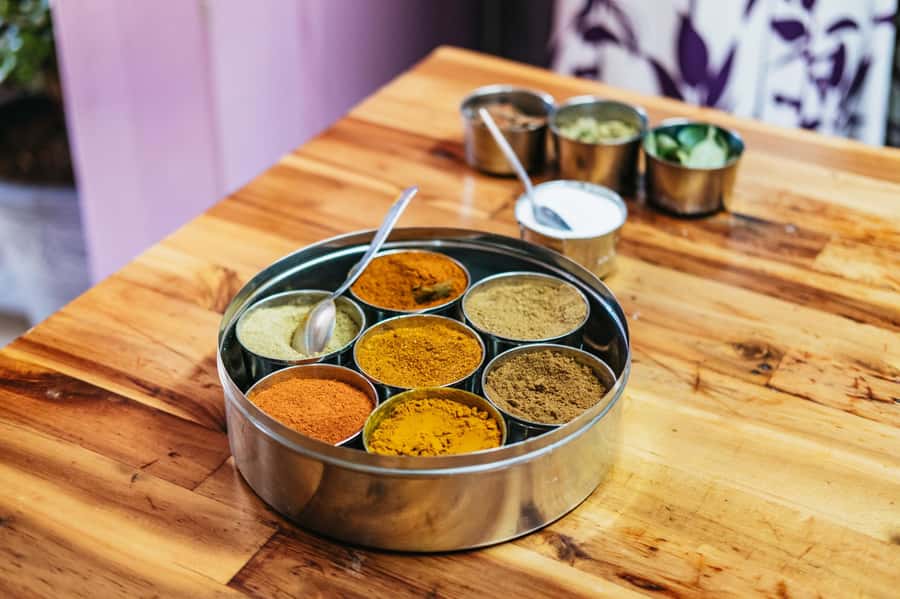
- Spice education you can use again at home, including turmeric and spice combos like star anise and tamarind
- Sauce-heavy curries and comfort food style dishes, the kind Cape Malay cooking is known for
- Lunch plus soft drinks included, no need to plan a meal afterward
Bo-Kaap cooking is the kind of Cape Town experience that sticks
This isn’t a ticket to an anonymous cooking studio. The heart of the experience is learning Cape Malay dishes in the home where the flavors live, in Bo-Kaap, one of Cape Town’s most recognizable neighborhoods. The color alone gets your attention fast, but what keeps you listening is the way the chef connects each dish to ingredients, technique, and family life.
Cape Malay cuisine is shaped by movement and mixing, with African traditions fused with Malaysian and Indonesian influences brought by enslaved people via Dutch connections in the 17th and 18th centuries. What you taste during the class will reflect that blend, especially in the spice base and the way meals are built around slow-simmered, sauce-driven comfort.
I also love that this class does not pretend you need advanced cooking skills. You join, learn, cook alongside the host, then eat what you made. That full arc matters, because you leave with both a memory and an actual method you can repeat.
Put these Cape Town options head to head
- Cape Town: Cape Malay Cooking Class in Bo-Kaap
★ 4.8 · 120 reviews - Cape Town: Bo-Kapp Walking Tour and Malay Cooking Class
★ 4.7 · 105 reviews - Private Surf Lesson
★ 5.0 · 53 reviews
Meet at 109 Wale St, then let Bo-Kaap set the mood
Your day starts at 109 Wale St, Schotsche Kloof, Cape Town. You meet there, get oriented, and then you move into the neighborhood atmosphere. Bo-Kaap is famous for its steep streets and painted facades, and you will get time to look around and take a photo among the colors.
Why this first step works: it gives you a sense of place before you cook. When a chef talks about spices and cooking traditions, the story lands better when you can connect it to the neighborhood you are standing in. You are also less rushed once you hit the kitchen portion.
A small practical note: transportation is not included. If you are coming from elsewhere in the city, plan how you will reach Schotsche Kloof and back to the same meeting point after the class. Since the tour returns to 109 Wale St, you do not need a separate drop-off plan.
Cape Malay flavors explained through spices you can name
The chef’s explanations are one of the biggest reasons this experience earns such strong ratings. You are not just told what to do, you learn what the ingredients do. Expect discussion of spice work like ginger, fennel, star anise, tamarind, and turmeric, with turmeric especially emphasized for the aromatic character it brings to many dishes.
Here is what that means for you as a cook at home. Once you understand the spice logic, you can adjust recipes without ruining the dish. For example, tamarind brings tang and balance in sauce work, while star anise can deepen warmth in stews and braises. Turmeric is the scent marker that many Cape Malay meals share.
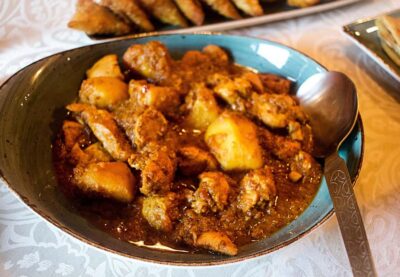
Cape Malay dishes often lean into roasts, stews, and curries that are heavier on sauce than what you might expect from a lighter curry style. In the class, the chef focuses on building flavor in layers and timing the cooking so the spices taste cooked, not just sprinkled.
If you are the type who likes to shop smarter, this is a great class. Several participants mention learning what spices can do beyond one recipe, which makes it easier to build a pantry that actually serves you after the trip.
The cooking lesson: interactive, hands-on, and built for non-experts
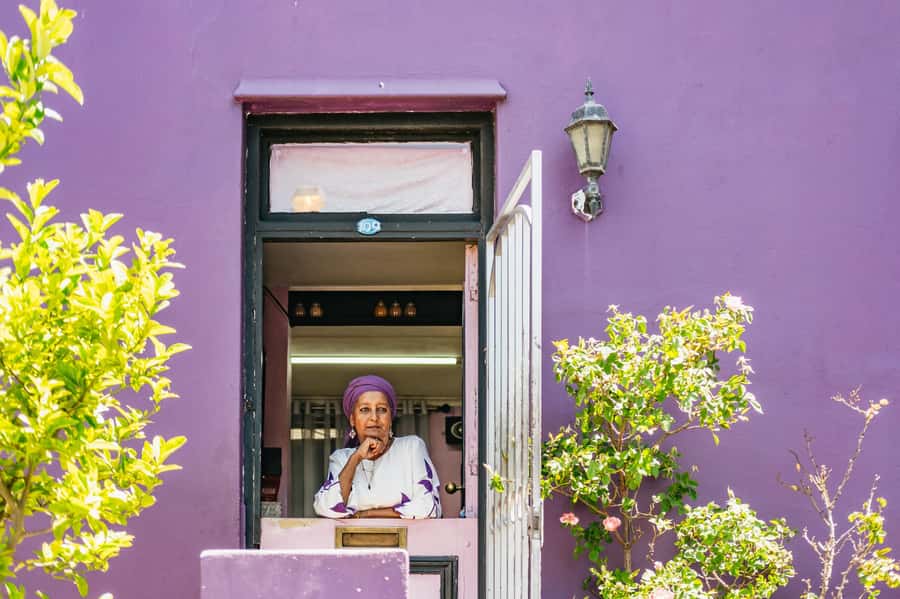
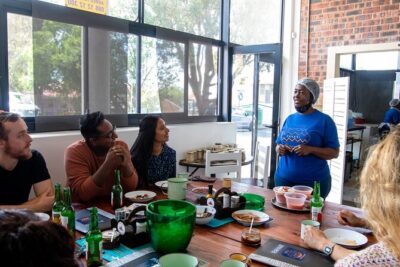
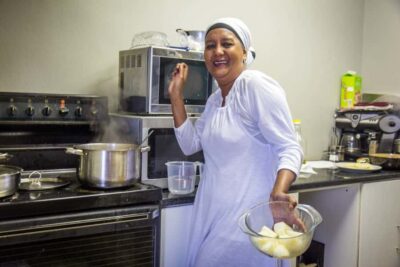
The cooking portion is about 150 minutes total, with the class itself described as roughly 2.5 hours at the chef’s home location. This is where you do the real work: chopping, mixing, assembling, and cooking components depending on the menu.
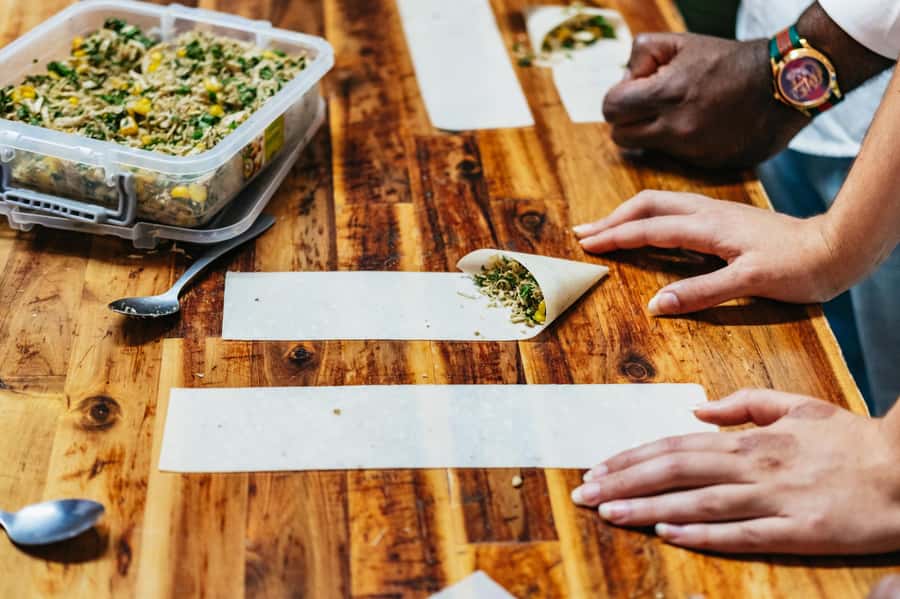
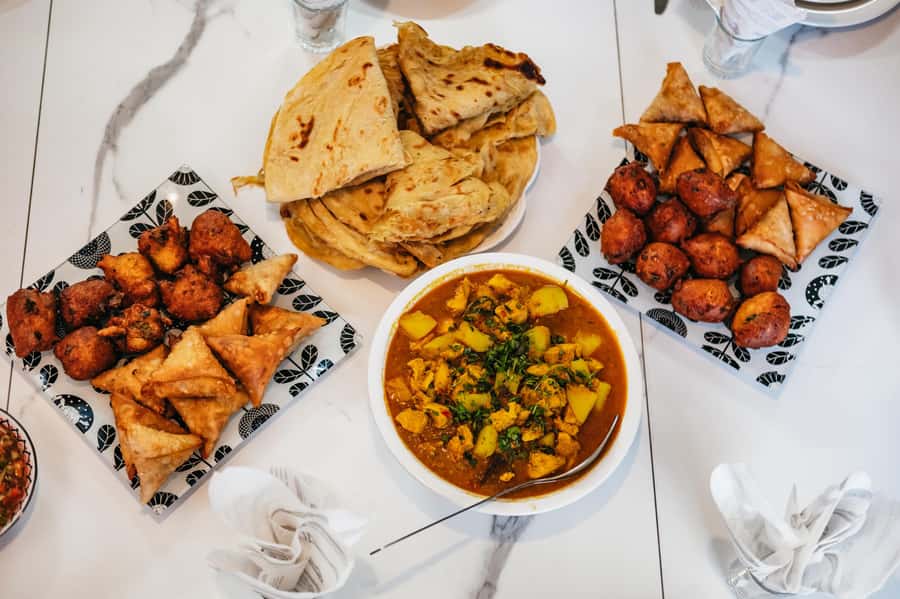
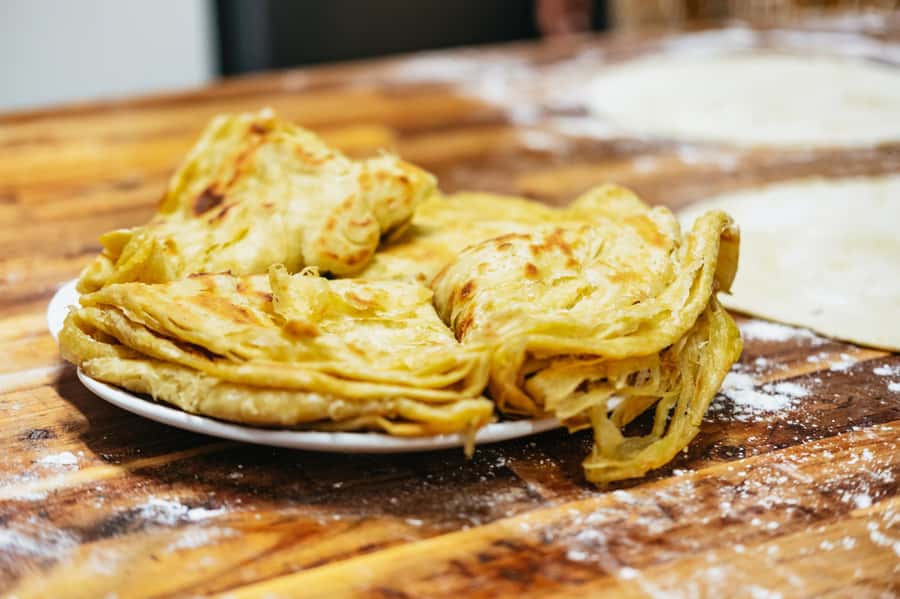
You should expect a range that fits the Cape Malay comfort-food profile: stews, roasts, and sauce-heavy curries are part of the likely menu. You may also cook items such as rotis and samosas, based on the way the class is described and what past participants have reported. Since dishes can vary, focus on the technique and spice approach, not only the final menu.
What makes the kitchen time especially valuable is the teaching style. Reviews commonly highlight the chef’s humor and warmth, and the way the class stays relaxed while still moving through steps clearly. There is also mention that no previous cooking experience is needed, which matters because nerves can slow you down.
Dietary needs also get attention. One strong data point from the feedback is that the chef accommodated dietary requirements with ease. If you have allergies or a specific diet, you should share it when you book, so the menu and portions can be adjusted properly.
Something different for the Cape Town list:
- Wine Tour: Paarl, Franschhoek & Stellenbosch incl 3 wineries
★ 5.0 · 3,940 reviews - Cape Town: Hop-On Hop-Off Bus Tour with Optional Cruise
★ 4.8 · 3,929 reviews - Cape Town: Cape of Good Hope & Penguins Day Tour with Pickup
★ 4.7 · 3,362 reviews - Zipline Cape Town – From Foot of Table Mountain Reserve
★ 5.0 · 3,179 reviews
Bo-Kaap home dining: lunch is not an afterthought
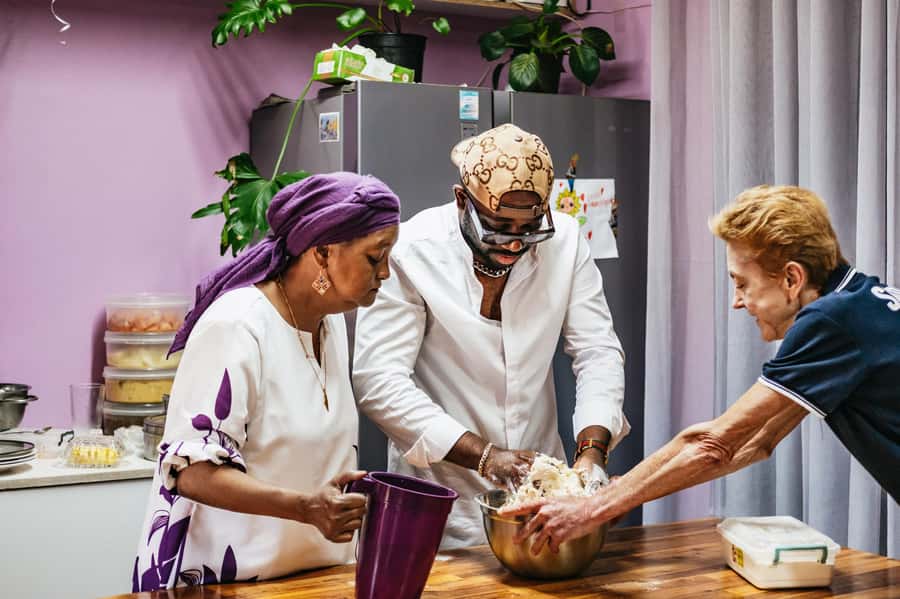
The meal is part of the point, not an add-on. After cooking, you sit down and eat what you prepared. You will have soft drinks included, and alcoholic drinks are not included.
This is one of those travel experiences where your brain stays engaged through the whole timeline. While you cook, you can already imagine the final flavors, then the meal locks them in. People frequently call the lunch delicious, generous, and more satisfying than a standard restaurant plate because you understand what went into it.
Also, because it is hosted in a home, it tends to feel communal. Several participants mention meeting other people in the group and enjoying conversation during the meal. If you prefer silent, head-down tours, this might not be your style. If you like food plus people, it is exactly the right setup.
A final note on leaving with a “souvenir.” Many participants report receiving recipes after the class, so you can recreate the dishes later. The class experience is memorable, but the recipes are what let you keep the flavor long after you return home.
Price and value: what $49 buys you in Cape Town
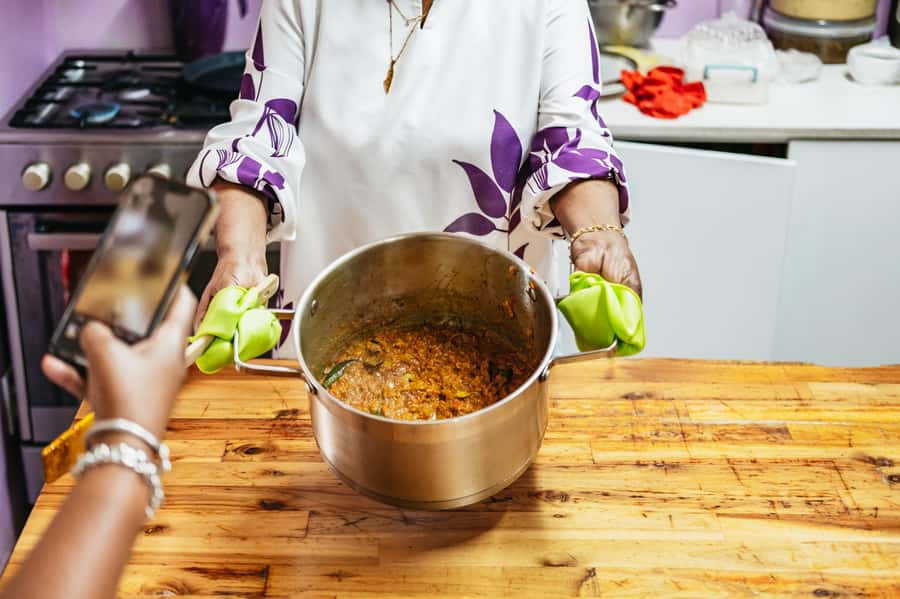
At $49 per person for about 150 minutes, this is a pretty efficient deal, mostly because the price includes the expensive parts that tours often cut corners on: ingredients, equipment, a chef instructor, and lunch with soft drinks.
You also get two practical benefits that make the value feel higher than the dollar amount:
- You get a guided neighborhood experience in Bo-Kaap, not just a cooking stop.
- You get real teaching time plus a full meal at the end, so you are not paying extra to solve lunch plans.
What you should plan for outside the price: alcoholic drinks are not included, and transportation is not included. If you drink alcohol, you will need to handle that separately. If you rely on taxis or rideshare, budget for getting to 109 Wale St and back.
In my view, the cost makes sense for people who want culture through food, not just food. If you are the type who likes understanding what spices mean and how techniques translate, this class gives you more than a one-time meal.
Who should book this (and who might not love it)
This fits best if you:
- Want an authentic Cape Malay food experience in Bo-Kaap, not a generic cooking show
- Like interactive activities where you participate in the kitchen
- Enjoy meeting other people and chatting with the host during the meal
- Want technique you can repeat later, especially with spice blending and sauce-building
It might feel less perfect if you:
- Prefer a private, quiet setting with zero social interaction
- Expect every person to do the same amount of work at all times, since home classes can be more communal and cooking tasks may not split evenly
- Need alcohol included, because it is not included and the rules also restrict alcohol and drugs during the activity
Quick checklist for the smoothest afternoon
I would come with the mindset of learning by doing. Comfort helps, because you may be standing, moving around a kitchen, and handling ingredients.
- Wear comfortable clothes you do not mind getting splashed or smelling faintly of spices
- Bring a phone for Bo-Kaap photos before you settle into the kitchen
- If you have any dietary needs, confirm them at booking so the host can plan the menu
If you do just one thing, do this: pay attention to the spice combinations and the chef’s explanations about what each ingredient is doing. That is the part you will use the most once you get back home.
Should you book Cape Town Malay Cooking Class and Lunch in Bo-Kaap?
Yes, book it if you want a Cape Town afternoon that connects neighborhood culture with practical cooking. The format is solid: meet at 109 Wale St, get Bo-Kaap time for colorful house photos, cook with Chef Faldela, then enjoy the lunch you made, with soft drinks included.
Skip it only if you need a very quiet, highly individualized experience, or if you expected transportation and alcohol to be part of the package. For everyone else, this is the kind of “do it with a local” activity that gives you both a full belly and real flavor knowledge you can carry forward.
FAQ
Where do I meet for this cooking class?
You meet at 109 Wale St, Schotsche Kloof, Cape Town.
How long is the experience?
The duration is 150 minutes, and the cooking class portion is described as about 2.5 hours.
How much does it cost?
It costs $49 per person.
What’s included in the price?
The class includes the cooking class, ingredients, equipment, chef instructor, lunch, and soft drinks.
Is transportation included?
No. Transportation is not included.
Is alcohol included or allowed?
Alcoholic drinks are not included, and alcohol is not allowed during the activity.
Can the chef accommodate dietary requirements?
Dietary requirements are accommodated according to feedback from past participants.
Is smoking or pets allowed?
Smoking is not allowed, and pets are not allowed.
Is this experience suitable for wheelchair users?
Yes, it is listed as wheelchair accessible.
Newest reviews around Cape Town
- Cape Town: Half-Day Guided City Sightseeing Tour by Bus★ 4.8 · 7 reviews
- Cape Town to Cape Point Private Day Tour★ 4.5 · 7 reviews
- Abseiling Table Mountain★ 5.0 · 7 reviews
- Private Tour:Cape of Good Hop>Chapman’s >Penguin>Seal island★ 5.0 · 7 reviews
- Table Mountain Group Hike – Solo Travelers welcome★ 4.1 · 7 reviews
- Pre-Booked Ticket Robben Island Half-Day Tour from Cape Town★ 2.8 · 7 reviews
- Cape Town Airport and Hotel Private Transfers★ 5.0 · 7 reviews
- Table Mountain, Boulder’s Penguins & Cape Point Private Tour★ 4.5 · 7 reviews
Cooking Classes, compared.
Half-Day Small Group Cooking Experience in Franschhoek
Read our review →

Private Cape Malay Cooking Class in Cape Town with a Local Family
Read our review →
GQ: City Walking Tour & African Cuisine Cooking Class
Read our review →
South African Cooking in Cape Town with Local Chef Richard
Read our review →Browse the lists this tour appears in