
Reviewed · COOKING CLASSES
Cape Town: Cape Malay Cooking Class in Bo-Kaap
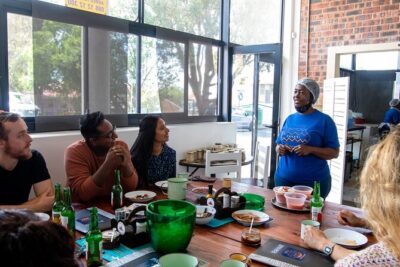
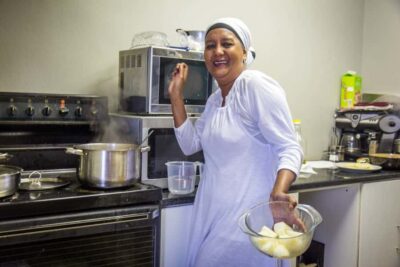
A Cape Town cooking class in Bo-Kaap is interesting because you are not just watching from the sidelines. You cook a Cape Malay meal from scratch in a local home, then sit down and eat it while your host explains the culture behind the flavors.
I love the hands-on 3-course format, where you actually make the dishes, not just chop once and hope for the best. I also love the way the class mixes food with personal stories from the neighborhood, with hosts such as Shafeeqah or Fuad guiding the session in English or Afrikaans. One possible drawback to consider: getting to the table can involve a steep walk, which may be tough if you have a back or mobility issue.
You’ll spend about 2 hours cooking, then enjoy lunch with soft drinks. Alcohol is not allowed, and that keeps the vibe focused and family-style, not party-style.
If you book, wear comfortable shoes and come hungry. You’ll be encouraged to participate in multiple steps, so your hands will be busy even if you are not a kitchen person.
Key highlights you’ll feel during the class
- Cook a full 3-course Cape Malay meal in a local home kitchen
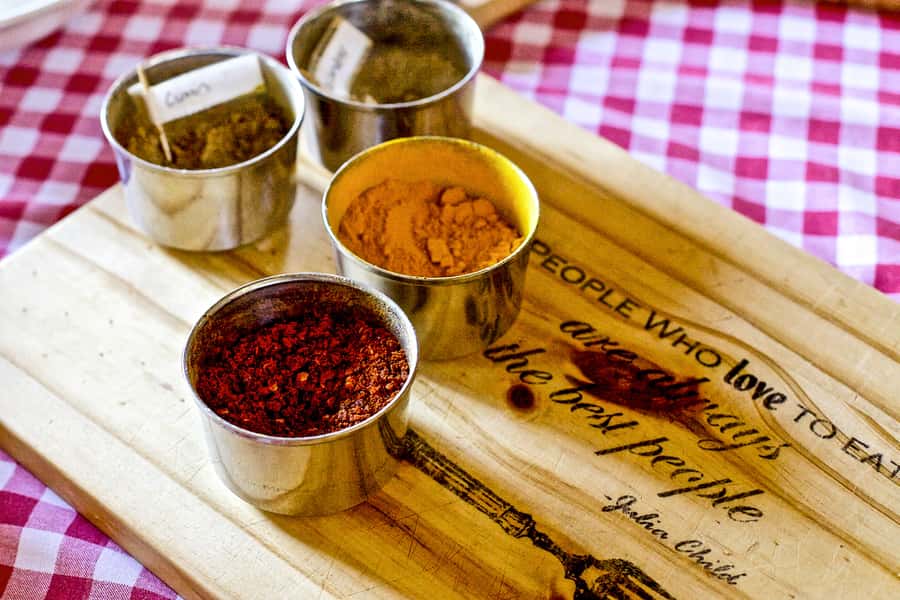
- Learn Malay cooking differences through spices and technique, not just ingredients
- Hands-on participation so you can help with starters, mains, and dough work
- History and family conversation from a Bo-Kaap local resident
- Simple takeaway value: you eat what you cook, so you immediately know what works
Bo-Kaap: where Cape Malay flavors start before you touch the pan
Bo-Kaap is one of Cape Town’s most recognizable neighborhoods, and this class puts you inside it for real. Instead of doing a quick photo stop and leaving, you arrive to a home kitchen where Cape Malay food is treated like everyday life, not a performance.
You’ll also notice the social rhythm fast. The session is interactive, and the host invites you into the process step by step. That matters because Cape Malay cuisine is about method and spice balance. When you help stir, fold, and taste along the way, the food makes sense.
The other thing I like here is the human scale. Your host is a local resident who connects the food to family traditions and community stories. It is not a lecture hall. It is more like visiting someone who cares about their kitchen and their neighborhood.
If you are the type who learns best by doing, Bo-Kaap is a strong place to practice. You get context while your hands are working.
Put these Cape Town options head to head
- Cape Town: Malay Cooking Class and Lunch in Bo-Kaap
★ 4.8 · 515 reviews - Cape Town: Bo-Kapp Walking Tour and Malay Cooking Class
★ 4.7 · 105 reviews - Private Surf Lesson
★ 5.0 · 53 reviews
Your 2-hour Cape Malay 3-course meal, what you can expect to make
This experience is built around a 3-course meal cooked from scratch during a 2-hour session. You start with a starter, move to the main, and then finish with dessert or a sweet course. The pacing is designed so you are not waiting around while someone else does everything.
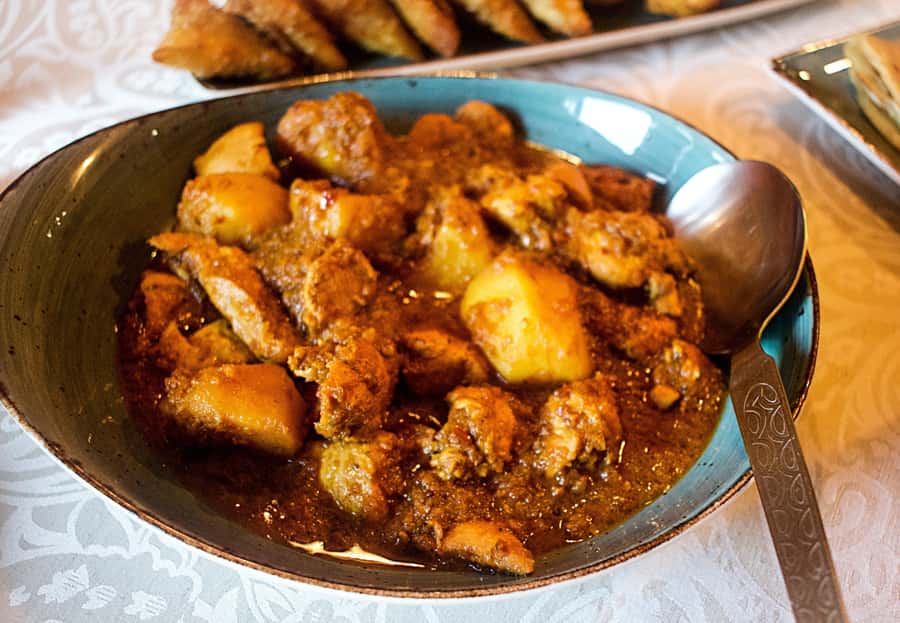
Based on what people have made in these classes, you might work with items like samosas, chili bites, and roti or flatbread. For the main course, curry shows up often, including options like chicken curry or beef curry. The important part is not the exact menu you get, it is that you are learning the practical steps behind it.
One small detail to keep in mind: a sweet course may be partially prepared ahead of time so the class stays on schedule. You still get to eat it as part of the meal, and the focus of your hands-on work stays on the starter and main.
I think this structure is good value for time. Two hours sounds short, but a full 3-course meal is a lot to accomplish. When the class is run in a home kitchen, there is less wasted movement and more steady guidance.
The hands-on cooking lesson, spices, and technique that actually clicks
The heart of the class is technique plus spices. You are shown how to use authentic spices and fresh ingredients, and you follow along as the host guides you through the steps.
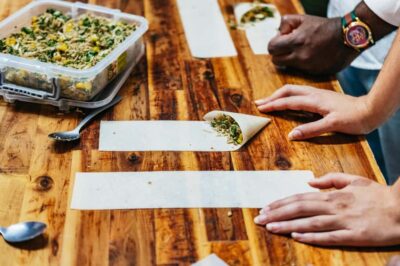
In particular, pay attention to the small technical moments. One guest highlighted an “aha” moment about folding samoosas so they hold their filling when cooked. That is the kind of detail that turns a dish from guesswork into repeatable skill.
You’ll also see how the host explains the why behind the cooking, not just the what. People describe the guidance as clear and encouraging, with hosts pointing out tips and adjustments as you go. That helps if your cooking style is more “I wing it” than “I studied culinary school.”
Another perk is that you get to participate in multiple tasks. Multiple guests mention that the class is not built around separate individual stations. Instead, you help with starters and mains as a group, so you learn by doing in stages.
If you care about learning, this is the part that delivers. The best lessons are the ones where you leave able to repeat at least one dish at home, not just armed with a vague memory of spices.
Starter to table: how the class keeps you moving
The starter phase is where you feel the teamwork. You may handle shaping, frying prep, assembling, or dough work, depending on the menu that day. The host keeps the group cooking, so even if you are waiting for something to cook, you can still be doing a related step.
This is also the phase where aromas start to build. Spices hit the air early, and that is your cue that the session is real cooking, not a demo. Since you are helping, you will also be able to spot what changes during the process, like when flavors intensify or when something is ready to move forward.
Then comes the transition to eating. One guest noted that when it was time to eat, there was a steep walk down steep streets. That’s not a reason to skip the class, but it is worth knowing. If you have a back injury or you struggle on steep inclines, consider asking in advance how the movement is handled or whether you can stay close to the dining area.
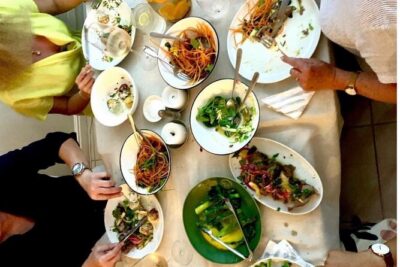
Once you’re seated, the meal feels like a reward rather than an interruption. You’re not eating later after a food tour. You’re eating what you just made.
Something different for the Cape Town list:
- Wine Tour: Paarl, Franschhoek & Stellenbosch incl 3 wineries
★ 5.0 · 3,940 reviews - Cape Town: Hop-On Hop-Off Bus Tour with Optional Cruise
★ 4.8 · 3,929 reviews - Cape Town: Cape of Good Hope & Penguins Day Tour with Pickup
★ 4.7 · 3,362 reviews - Zipline Cape Town – From Foot of Table Mountain Reserve
★ 5.0 · 3,179 reviews
Curry and roti work: main course comfort food with real guidance
The main course is usually the showpiece, and it is where the technique matters most. Guests mention curries like chicken curry and beef curry, plus flatbread or roti steps. This is the part of Cape Malay cooking that people remember because the flavors are layered and the aroma is intense.
Here is what makes it valuable for you: curry is not one flavor. It is a balance of spice heat, warmth from aromatic spices, and sauce depth. When the host guides you through what to add and when, you can understand how the dish builds instead of treating it like magic.
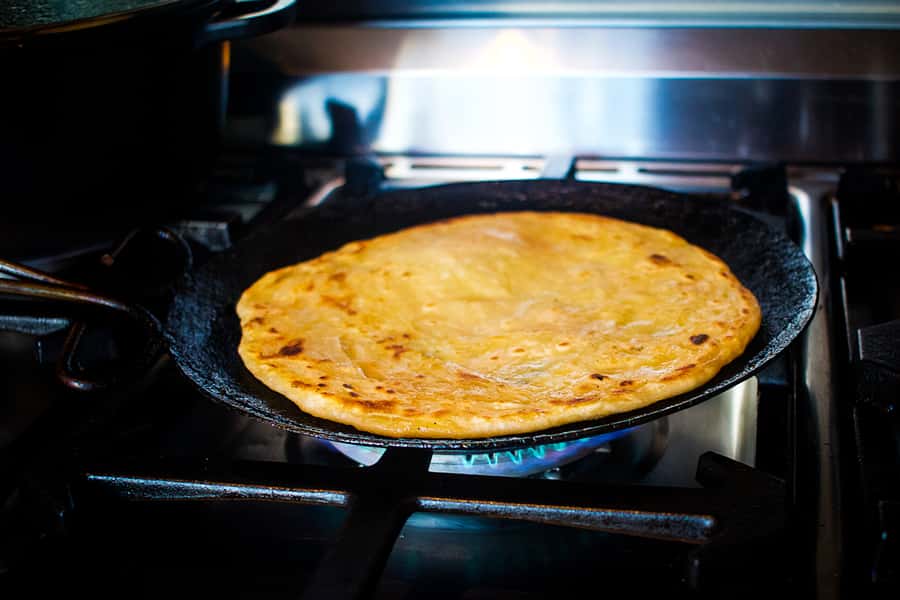
You may also get practice with dough or flatbread preparation. One guest mentioned learning and making roti, and another described making samosas and flatbread components. Even if you do not get the full “master” experience, the class gives you enough repetition to feel confident with at least part of the process.
Also, the group dynamic helps. Multiple guests said everyone was encouraged to participate. That means you are not stuck watching while other people cook. If you like social cooking, this is your lane.
If you dislike being active, you might find it a bit hands-on. But if you enjoy contributing, this class is built for that.
Sweet finish and the schedule trick that keeps it flowing
Dessert is part of the meal, and in practice, the sweet course may be prepared ahead. That is not a dealbreaker. It usually means the host protects your class time for the parts that need active attention, like the starter and main.
You still get the full experience: the sweet course shows up at the end of your work session, paired with the meal you cooked. This is one of those experiences where you leave with a complete plate in front of you, which is better than finishing a class and hoping you can recreate it later.
If you have a sweet tooth, you will probably appreciate how the course structure makes the session feel like an actual meal, not a cooking workshop that ends before you eat.
And if you do not care about dessert much, the schedule still makes sense. The focus stays where you’ll gain the most skills: spices, shaping, cooking, and timing.
Eating at a local table: conversation that turns food into context
After the cooking, you sit with your host to enjoy the meal. This is where the class becomes more than food.
You can expect conversation about family, local traditions, and the community. Several guests specifically mention warmth and a family-style welcome. Hosts described a calm confidence, with patience while guiding a multinational group.
This is also where the history piece becomes personal. The local resident shares a first-hand history lesson about Cape Malay cooking and its place in Bo-Kaap. You get context while you eat, which helps your brain connect flavors to origins instead of treating the menu as just another tourist dish.
My advice: use the meal time to ask simple questions. Ask what spice blend is used, why certain dishes show up at celebrations, or what meals are associated with family traditions. In a home setting, answers usually come naturally.
This is where you get the real “value add.” It is not only learning how to fold or fry. It is learning what the food means to the people who cook it daily.
Price and value at $52, lunch included, transport on you
At $52 per person for a 2-hour class, the value comes from what is included. You get the cooking class itself, plus lunch and soft drinks. You are also getting a local host in a neighborhood home, which is different from a commercial kitchen experience.
What you are not getting is transportation. That is important to factor into your real cost. In Bo-Kaap, you will likely need to arrange your own ride or walking plan, and that affects how easy the day feels.
Also note the rules: alcohol and drugs are not allowed. Alcohol is not included here anyway, but the no-alcohol rule helps keep the class focused and comfortable for a mixed group.
When I evaluate value, I think about three things:
- You are eating the results of the cooking, not just watching.
- You are learning techniques you can repeat, like shaping samosas or working with spices.
- The host provides context through local conversation.
If those matter to you, the price feels fair. If you want a high-end restaurant meal with wine, this is not that.
Who this suits best, and who should consider the steep walk
This class is a great fit if you want hands-on cooking, enjoy spices, and like learning from locals in a home setting. It also works well for solo travelers who want interaction, since the host encourages participation and conversation.
It is also a good pick for groups, because the shared cooking tasks create an easy social rhythm. People mention meeting others during the session and enjoying the camaraderie that grows as everyone chops, folds, or stirs.
Who might want to think twice:
- Anyone with mobility limitations or significant back issues due to a steep walk when transitioning to eating.
- People who prefer a more lecture-style class. This one is active, and you will be encouraged to participate.
If you do have dietary restrictions, ask about them before you go. One guest noted that the host understood dietary needs, so there is some flexibility, but you should still clarify details.
Practical tips: what to wear, what to ask, and what rules matter
A few small choices make this experience smoother.
First, wear shoes you can trust on uneven surfaces. Since the meal portion can include walking down steep streets, your footing matters. Comfortable shoes are not a suggestion here, it is a smart move.
Second, come ready to participate. Even if you think you are not a “real cook,” you will likely handle parts of the starter and main. The host guidance is structured to make participation possible, not just optional.
Third, be ready for a spice-focused class. You might find the aromas strong and the flavors bold. If you have sensitivities, tell your host ahead of time so you can cook safely and comfortably.
Finally, remember the rules: alcohol is not allowed, and the session is designed to stay clean and family-friendly. That makes it easier to relax and focus on learning.
Should you book this Cape Town Cape Malay cooking class in Bo-Kaap?
Book it if you want an honest Cape Town experience that mixes hands-on cooking with local conversation, and you like learning through technique. You leave with a real meal, not just a photo.
Skip it or ask more questions first if steep walking could be a problem for you, or if you want a more passive, restaurant-style evening. For everyone else, it is a solid value way to experience Cape Malay cooking in Bo-Kaap, because the focus is squarely on spices, steps, and a table where people actually talk.
FAQ
How long is the Cape Town Cape Malay cooking class in Bo-Kaap?
The class runs for 2 hours.
What do I get for the $52 price?
The price includes the cooking class, lunch, and soft drinks. Transportation is not included.
Is alcohol allowed during the class?
No. Alcohol and drugs are not allowed.
What meal will I cook during the session?
You will prepare a popular Cape Malay 3-course meal from scratch, then eat what you cook.
What languages will the host or greeter use?
The host or greeter uses English and Afrikaans.
Is there any flexibility if my plans change?
You can cancel up to 24 hours in advance for a full refund.
Do I need to arrange my own transportation?
Yes. Transportation is not included, so you will need to get to the meeting area on your own.
Newest reviews around Cape Town
- Private Wine tasting Cape Town Wineries Stellenbosch Franschoek Paarl full Day★ 5.0 · 18 reviews
- Robben Island and Table Mountain Pre Booked Tickets★ 5.0 · 18 reviews
- Private Half DayTour:Cape Winelands, Stellenbosch from Cape Town★ 5.0 · 18 reviews
- Cape Peninsula with a Marine Biologist★ 5.0 · 18 reviews
- AFFORDABLE Quad Biking Atlantis Dunes+ PHOTOS★ 4.5 · 18 reviews
- 3 Days Private Tour: Cape of Good Hope, Penguins, Table Mountain & Robben Island★ 5.0 · 19 reviews
- Airport Shuttle Transfer from Airport to Cape Town City Center★ 4.5 · 19 reviews
- Private/Personalized Full Day Wine Tasting Tour Cape Winelands★ 5.0 · 19 reviews
Cooking Classes, compared.
Half-Day Small Group Cooking Experience in Franschhoek
Read our review →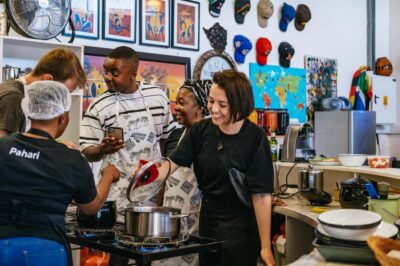

Private Cape Malay Cooking Class in Cape Town with a Local Family
Read our review →
GQ: City Walking Tour & African Cuisine Cooking Class
Read our review →
Zulu Food Cooking & Dining Experience with a local Chef
Read our review →Browse the lists this tour appears in