
Reviewed · WORKSHOPS
Koeksister and Samoosa Class by the Malay Cook Up
Bo-Kaap is one of those places where food is basically local culture on a plate. This hands-on class turns koeksister and samoosa into real, learnable skills, taught step-by-step in a home kitchen in the Western Cape.
I like how interactive it is, with an accomplished Cape Malay cook guiding you through the process instead of just talking at you. I also like the built-in payoff: you make both a savoury snack and a sweet-spicy treat, then sit down to eat what you cooked with conversation included.
One thing to consider is that the level of hands-on work may vary. Some people found the samoosa pastry and fillings were only partly homemade, so if you want every component from raw dough to finished filling, keep that in mind.
Key things you will love in this koeksister and samoosa class
- Step-by-step coaching in a home kitchen in Bo-Kaap, with a Cape Malay cook leading the action
- Two classic Cape Malay snacks made in one session: savoury samoosa and sweet-spicy koeksister
- Tasting included, so you get to eat what you made right after cooking
- Local history shared along the way, not just a recipe lecture
- English and Afrikaans support, useful if you are more comfortable with either
Bo-Kaap Kitchen Class: Why Koesister and Samosa Are More Than Just Snacks
If you want Cape Town food culture without the usual show-and-sell, this class is a smart choice. Bo-Kaap is tied to the early Cape Malay community, and these recipes are still part of daily life for people across faiths and backgrounds. You’re not just learning how to fry, you’re picking up why these dishes matter here.
I love how the session frames food as local identity. The cook shares history while you work, which helps recipes make sense instead of feeling random. You end up with a story you can repeat, plus a snack you can actually reproduce.
The price is $23 per person for a two-hour, hands-on workshop that includes equipment, ingredients, and tasting. That’s not budget-cheap, but it’s also not a pricey “show.” You’re paying for real time in a real kitchen, plus the guidance that keeps you from turning dough into sad, greasy practice.
Put these Cape Town options head to head
- Cape Town: Malay Cooking Class and Lunch in Bo-Kaap
★ 4.8 · 515 reviews - Cape Town: Cape Malay Cooking Class in Bo-Kaap
★ 4.8 · 120 reviews - Cape Town: Bo-Kapp Walking Tour and Malay Cooking Class
★ 4.7 · 105 reviews
The 2-Hour Flow: What Happens From Start to Finish
This is a two-hour cooking workshop with a step-by-step rhythm. You start with basics, then you move through two recipes in sequence: first the samoosa (pastry triangle), then koesister (sweet-spicy doughnut).
In the middle of the session, you should feel the class shift from listening to doing. The best part is that you’re not standing on the sidelines. You’re coached through each stage while everything is set up so you can focus on technique, not logistics.
At the end, you sit down with the host to enjoy the snacks you prepared. It’s not just eating, either. There’s time for conversation, which is where you tend to pick up small practical tips about spice levels, dough texture, and what you should do differently next time.
Timing note: because the recipes involve frying and finishing, you will likely feel the pace during the active parts. If you prefer slow, quiet cooking, this is still fun, but treat it like a lively workshop rather than a calm kitchen stroll.
Samoosa Pastry Triangles: How Hands-On It Really Feels
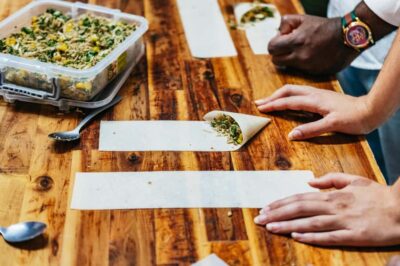
The samoosa segment is built around making samoosa pastry triangles as part of the class. You go through the process step-by-step, and you get a look at the pastry and shaping stages that make the finished snack hold together.
Now for the honest part. Some participants felt the samoosa pastry did not feel fully “from scratch,” with the pastry possibly starting as store-bought. Others also mentioned that fillings were pre-done, so they missed out on tasting, smelling, and working directly with every ingredient in that stage.
So what should you do with that information? If you mainly want to learn shaping, frying, and the workflow of a real samoosa station, you will likely enjoy it. If your goal is mastering every part of the pastry from raw dough to final triangles, you might want to temper expectations and focus on the skills you are clearly able to practice during the class.
Even with a potentially mixed level of preparation, the value is still there. Technique matters most in frying and handling dough, and the coaching is what helps you avoid common mistakes like uneven cooking or filling that leaks.
Koesister Doughnuts: The Sweet-Spicy Part That People Remember
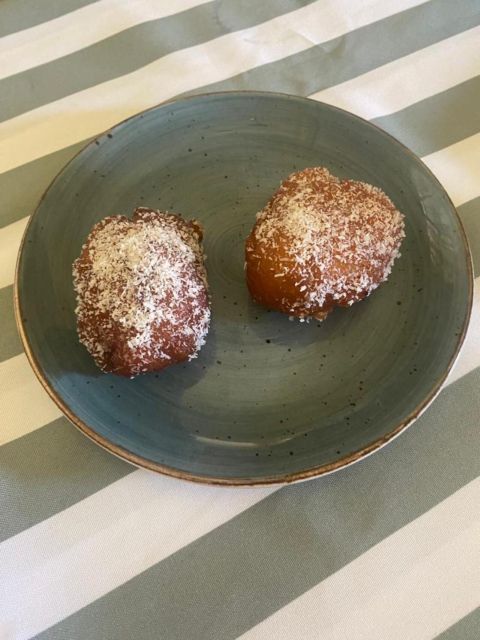
The koesister portion tends to be the highlight in this class. People often describe it as more interactive, and that makes sense: you get to work with the dough and then move through the finishing steps that create the characteristic sweet-spicy profile.
Koesister is a Cape Malay signature: a doughnut-style snack with spice and sweetness, known for that sticky, fragrant feel that shows up after frying and finishing. In a home-kitchen workshop, you get a chance to understand the texture you are aiming for, not just follow a written recipe.
If you enjoy food that tastes like a story, koesister is where it comes alive. You smell the spices while you work, you get to taste what the finished product is supposed to be like, and you learn how the overall balance lands between sweet and warm spice.
Also, this is a two-in-one class, so the koesister experience benefits from the fact that you already understand the cooking flow. By the time you start it, you’re warmed up, your kitchen senses are on, and you know how to pay attention to timing.
Something different for the Cape Town list:
- Wine Tour: Paarl, Franschhoek & Stellenbosch incl 3 wineries
★ 5.0 · 3,940 reviews - Cape Town: Hop-On Hop-Off Bus Tour with Optional Cruise
★ 4.8 · 3,929 reviews - Cape Town: Cape of Good Hope & Penguins Day Tour with Pickup
★ 4.7 · 3,362 reviews - Zipline Cape Town – From Foot of Table Mountain Reserve
★ 5.0 · 3,179 reviews
Tasting and Conversation: Eating Like a Host, Not Like a Ticket
After the cooking, you sit down with the host and enjoy what you made. That matters more than it sounds. When you taste right away, you can connect what you did with the result, like, oh, that’s why the texture felt this way during shaping, or why the spice level tastes different once it hits hot oil.
The class is also designed to feel welcoming and relaxed. People report informal vibes and real engagement, which is exactly what you want when you are learning techniques that do not fit neatly into a one-page instruction sheet.
This is also where you may get practical guidance that you will actually use at home, like what to watch for with oil temperature, how to adjust spice intensity, or what to do when dough behaves differently due to humidity and flour differences. No fancy lecture, just kitchen talk.
One more point: since you are making savoury and sweet snacks, you get variety without needing to plan multiple experiences. That’s great value for a limited time window in the Western Cape.
Price, Value, and Who Should Book This
$23 per person for a two-hour workshop in a home kitchen is a fair deal if you want hands-on cooking with guided coaching, ingredients, equipment, and tasting included. You are also getting local history shared during the session, which turns it into more than a recipe class.
This is good value compared to the cost of buying ingredients and still failing to master the technique. Cooking classes often feel expensive until you realize you are paying for someone to correct your mistakes in real time.
Who this suits best:
- Food lovers who want authentic Cape Malay flavours in a real Bo-Kaap setting
- People who enjoy learning by doing, especially when a cook guides you step-by-step
- Couples, small groups, or friends looking for a fun, social activity in Cape Town
Who might want to adjust expectations:
- If you are obsessed with full scratch methodology for every component, the samoosa part may not match that level of DIY. You may still get strong benefit from the shaping and frying practice.
If you are the kind of person who likes to go home with a skill, not just photos, this class is a strong fit.
Practical Tips Before You Go to the Malay Cook Up
A few practical points will make your experience smoother.
First, the class languages are English and Afrikaans. If either works for you, great. If you speak only one, you should still be fine because the cooking process is visual and guided.
Second, there are rules: alcohol and drugs are not allowed. Keep that in mind if you are planning this as a night out, because the tone stays focused on cooking and tasting.
Third, wear something you can get a little warm or potentially messy in. You are frying and working with dough, so comfort beats fashion.
Finally, come with an appetite and a willingness to ask questions. The more you participate, the more you will get from the interaction. If you learn best by talking through what you are doing, you’ll likely enjoy the cooking flow and the conversation at the end.
Should You Book This Koesister and Samoosa Workshop?
I think this is a book-worthy experience if you want an authentic Cape Malay cooking lesson with a real payoff. The combination of savoury samoosa and sweet-spicy koesister, plus tasting and conversation, makes it easy to feel like you actually did something in the Western Cape instead of just watching.
I would book it if you:
- Want a fun, interactive class in Bo-Kaap
- Like learning from an accomplished Cape Malay cook
- Care about practical technique, not just eating
I would hesitate only if your main goal is strict, full scratch dough mastery for every component of the samoosa, because some participants felt part of the pastry or fillings were not as hands-on as they expected. If that is you, still consider the class for koesister and the overall cooking workflow, but don’t assume every ingredient starts from zero in front of you.
If you are flexible and you enjoy food learning by doing, this one is worth your time.
FAQ
How long is the koesister and samoosa class?
It is a two-hour workshop, including tasting.
Where does the class take place?
The class happens in Bo-Kaap in the Western Cape, South Africa, in a home kitchen.
What will I learn to make?
You will learn how to make samoosa (pastry triangle) and koesister (sweet-spicy doughnut) from scratch, with step-by-step coaching.
Is tasting included?
Yes. The price includes tasting as part of the two-hour class.
Are ingredients and equipment provided?
Yes. All equipment and ingredients are provided, and authentic ingredients are used.
What languages are available during the class?
The class is offered in English and Afrikaans.
Is alcohol allowed?
No. Alcohol is not allowed.
What about drugs?
Drugs are not allowed.
What is the cost per person?
The price is $23 per person.
Can I pay later and cancel if needed?
You can use Reserve & Pay Later, meaning you can book your spot and pay nothing today. Cancellation is possible up to 24 hours in advance for a full refund.
Newest reviews around Cape Town
- Cape Town: Half-Day Guided City Sightseeing Tour by Bus★ 4.8 · 7 reviews
- Cape Town to Cape Point Private Day Tour★ 4.5 · 7 reviews
- Abseiling Table Mountain★ 5.0 · 7 reviews
- Table Mountain Group Hike – Solo Travelers welcome★ 4.1 · 7 reviews
- Private Tour:Cape of Good Hop>Chapman’s >Penguin>Seal island★ 5.0 · 7 reviews
- Pre-Booked Ticket Robben Island Half-Day Tour from Cape Town★ 2.8 · 7 reviews
- Cape Town Airport and Hotel Private Transfers★ 5.0 · 7 reviews
- Table Mountain, Boulder’s Penguins & Cape Point Private Tour★ 4.5 · 7 reviews
Workshops, compared.

Private Surf Lesson in Cape Town – Transport & Photos Included
Read our review →


Browse the lists this tour appears in