
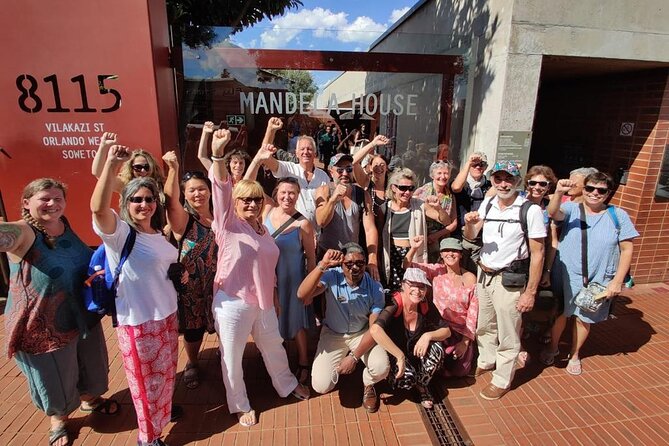
Reviewed · SOWETO TOURS
Johannesburg and Soweto Tour in French
Johannesburg can feel huge and hard to manage, so I like any plan that turns the city into a clear route you can actually follow. This private Johannesburg and Soweto tour in French is especially interesting because it links everyday Soweto streets to the moments that changed South Africa. You get that mix with private transportation, so you spend more time looking and less time figuring things out.
I love two parts in particular. The stop at Mandela House on Vilakazi Street gives you a personal sense of who lived there and how Nelson Mandela’s family story unfolded over time. I also really value Constitution Hill and the Apartheid Museum, since they help you connect the political story to the physical spaces where people were held and the way apartheid worked.
One consideration before you book: the tour does not include admission for every stop, so you should be ready to pay ticket fees on site at several places. Admission is included for Mandela House and the Apartheid Museum, but not for places like Hector Pieterson Memorial, Regina Mundi, or Constitution Hill.
Key highlights to know before you go

- French-speaking private guide, so the story lands clearly and you can ask questions
- Private transportation included, which keeps the day realistic and less tiring
- 1976 student uprising context, built around the Hector Pieterson Memorial and Museum
- Vilakazi Street visit, including Nelson Mandela’s house and family photos
- Constitution Hill and the Apartheid Museum, pairing incarceration history with the broader apartheid timeline
- Admission mix, with tickets included at Mandela House and the Apartheid Museum only
A French-guided Soweto day that turns places into context
Soweto is not just a district name. It is a collection of streets, institutions, churches, and memorials that connect directly to the political shocks of the 20th century, especially the 1976 student uprising and the apartheid era that followed. A guided day helps because you are not just looking at buildings, you are learning what happened in them, and why certain names and locations matter.
This is a private format, not a big bus tour. That matters in Johannesburg traffic and around sensitive sites where crowd flow can be unpredictable. In a good day, you feel like the guide is steering you, not the other way around.
The French-language angle is a genuine plus if you want your understanding to be natural. I’ve seen strong feedback that the guides are not just translating, they are teaching, with a clear, calm style and even a sense of humor when it fits the moment.
More Soweto tours:
- Johannesburg: Hop-On Hop-Off Bus with Optional Soweto Tour
★ 4.6 · 985 reviews - Soweto /Johannesburg and Apartheid Museum Guided Full Day Tour
★ 5.0 · 932 reviews - Johannesburg Hop-On Hop-Off City Tour with Soweto Option
★ 4.5 · 768 reviews
Pickup, timing, and how to pace 7 to 8 hours
Expect a day that runs about 7 to 8 hours, with a mix of short stops and one longer museum block. You should plan for a steady sequence: memorial and museum time, a church and a neighborhood stop, then stadium and city landmarks, and finally the two heavier sites, Constitution Hill and the Apartheid Museum.
Private transportation is included, so you can sit, listen, and move efficiently. This also means you avoid the mental burden of navigating between parts of Soweto and central Johannesburg, especially if you are tired after landing.
You will get a mobile ticket and confirmation at booking. It’s smart to keep your phone charged, and to have your pickup details ready. And because this is a pickup-dependent private tour, I recommend you confirm the day and keep the operator contact handy, since there has been at least one rare report of a no-show issue.
Hector Pieterson Memorial: where the 1976 uprising becomes personal
Your day starts at the Hector Pieterson Memorial and Museum, a site designed to mark the beginning of the 1976 student uprising in Soweto and how it spread across the country. The memorial gives you that immediate emotional focus, while the museum helps you connect the dots between student action, police response, and the wider national impact.
Plan on about 30 minutes here. That sounds short, but the experience is structured so you can grasp the key elements without rushing through everything. The big drawback is that admission tickets are not included, so you may need to pay on arrival.
If you want a good rhythm, arrive ready to be quiet for a few minutes. This is not the kind of stop where quick sightseeing works well. Give it a little attention, then let your guide translate the events into a clear timeline.
Mandela House on Vilakazi Street: more than a photo stop
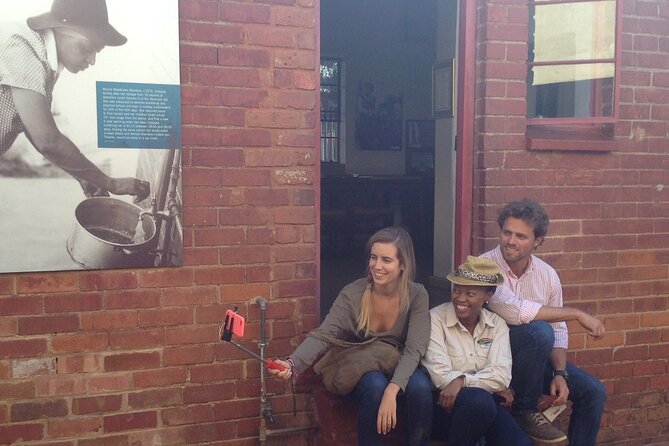
Next is Mandela House, located on Vilakazi Street. Nelson Mandela lived there first with his first wife, Evelyn Mandela, and later with his second wife, Winnie Mandela. This is one of those places where the guide’s explanation does a lot of heavy lifting, because the house is personal and the details help you understand why.
You’ll spend about 45 minutes here, and this is one of the rare stops where admission is included. That takes a bit of financial pressure off the day.
I like this stop because it shifts you from public events to family life. You get to see some Mandela family pictures, which makes the story feel human, not just political. Also, because Vilakazi Street is a known cultural and historical corridor, it helps set the tone for the rest of Soweto sites.
Put these Johannesburg options head to head
- From Johannesburg: Pilanesberg Nature Reserve Game Safari
★ 4.8 · 1,327 reviews - Full Day Ultimate Pilanesberg National Park Safari from Johannesburg or Pretoria
★ 4.5 · 718 reviews - Half-Day Tour of Soweto Tour
★ 4.5 · 712 reviews - Soweto: Walking Tour with a Local Guide and Lunch
★ 4.9 · 648 reviews
Regina Mundi: the church tied to hiding and survival

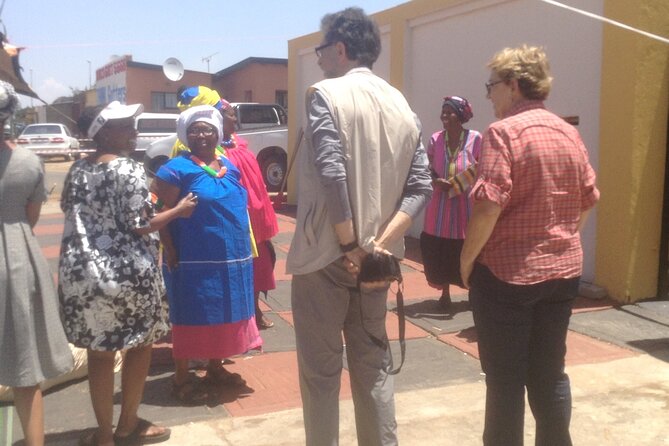
Regina Mundi is often described as the parliament of Soweto, and for a reason that goes beyond architecture. It is the biggest Catholic church in the country, and during the 1976 student uprising, students came here to hide from the police.
You will have about 30 minutes at this stop. Admission is not included, so expect ticket costs on site. That said, even a short visit can be powerful because the story links faith, community gathering, and protection during a crisis.
I’d treat this as a listening stop. Look around, let the guide’s explanation land, and then take a moment for photos only after you understand what happened there. It’s one of those moments where respect matters.
Walter Sisulu Square in Kliptown: the Freedom Charter moment
Then you head to Walter Sisulu Square, situated in Kliptown, often described as one of the oldest multicultural areas in Johannesburg. This is where the Freedom Charter was voted in 1955, which is a key stepping stone in the long road to democracy.
You’ll have around 30 minutes here. Admission tickets are not included for this stop, so again, be ready for small on-site costs depending on what you decide to enter.
This is a good place for practical context. You can use what you’ve already learned at the memorial and Mandela-related sites, then connect it to the idea that political change was being written down, negotiated, and voted on well before the uprising of 1976. It helps your brain see the timeline as a chain, not random events.
Soccer City and the Soweto skyline: FNB Stadium and the cooling towers
After the more solemn stops, the tour shifts gears with landmarks that show how Soweto connects to modern South Africa. You’ll stop at FNB Stadium, also known as Soccer City. It’s home of the FIFA World Cup 2010, and you’ll spend about 10 minutes here.
This is a quick look-and-photo type stop, and the good news is that admission is free. It’s a nice breather, and it gives you a sense of the scale of the city and how big global events can happen in this part of Johannesburg.
You’ll also see the cooling towers, prominent landmarks built in 1951 to supply electricity to the city of Johannesburg. Today, the towers are also used for bungee jumping from a platform between the two towers.
Don’t expect to do the jump on this tour unless something is arranged for you separately. But seeing the towers helps you understand that Soweto is not frozen in history. It’s a working, living place, with modern uses built around older infrastructure.
Constitution Hill: the human rights precinct you walk through
Next comes Constitution Hill Human Rights Precinct, one of South Africa’s most powerful incarceration sites. The area includes the Old Fort and women’s jails, plus notable holding spaces such as Number. Your guide’s explanation matters a lot here because the precinct is packed with names and stories.
It’s described as a living museum where world-renowned figures were imprisoned, including Nelson Mandela, Mahatma Gandhi, and other names such as Joe Slovo and Albertina Sisulu. The precinct also held tens of thousands of ordinary people across a 100-year history, with men and women of different races, creeds, ages, and political agendas, including children too.
You’ll spend about 30 minutes at this precinct. Admission tickets are not included, so plan for entry costs.
This stop can hit hard. My best advice is to go slow through the spaces you’re shown, and ask your guide to point out what you’re seeing. When guides are strong, they keep the tone thoughtful and clear, and they help you avoid turning it into just another photo session.
Apartheid Museum: turning the timeline into something you can walk through
The final major stop is the Apartheid Museum. It’s often described as the first of its kind, and it illustrates the rise and fall of apartheid. You’ll spend about 2 hours here, and admission is included, which is a big value point.
What makes the museum feel practical on a guided day is that you’ve already built context through the earlier memorial, the church connection, and Constitution Hill. Now you can place those personal stories into the broader system and timeline.
This is also where the French-language guidance really helps. You don’t want to be translating in your head for a full two hours while trying to absorb complex information. Having a guide who can explain clearly is a real advantage, especially if it’s your first time learning about apartheid’s mechanics.
If you feel your brain getting tired, that’s normal. Break your attention into themes as you move through rooms, like laws, forced removals, resistance, and the transition period. The museum is designed so that a guided approach keeps it organized.
Price and value: what $92.35 buys you in a private format
At $92.35 per person, the big question is value. On this tour, you are not just paying for sightseeing stops. You’re paying for a French-speaking private guide, private transportation, and included admission at two major locations.
Two admissions are included: Mandela House and the Apartheid Museum. That alone offsets part of the cost, since those are substantial stops. The remaining sites are mostly short visits where admission is not included, so the final out-of-pocket total will depend on the ticket fees you choose or are required to pay on site.
Private transportation also has value in Johannesburg. Even when the distances look manageable on a map, traffic and stop-and-go can drain the day. This tour keeps you from losing hours to logistics.
That said, it is still wise to budget for extra entry fees at sites marked as not included. And because it is a private pickup experience, you should double-check details before you leave, and be ready to be flexible if traffic or crowd levels shift.
What I’d expect from your French guide and driver
One of the best parts of this kind of private day is how the guide manages the flow. Strong feedback highlights guides who were attentive, patient, and willing to answer questions without rushing you. There are also notes about guides adjusting parts of the plan based on traffic and site crowding, which is exactly what you want in Johannesburg.
You may hear of guides like Ibrahim, described as very attentionné, friendly, and patient, with strong explanations and solid humor. In some feedback, the driver Basil is mentioned too, which fits the idea that the driver is part of your experience, especially on a day with several moving parts.
Because this is private, you should also be able to ask for small adjustments. If you want more time at a museum or less time at a quick landmark, ask early. The earlier you communicate your preference, the easier it is for the guide to adjust.
Practical tips: tickets, photos, and how to prepare mentally
Here’s how to set yourself up for a smoother day.
First, bring a little extra cash or a payment card for admission at stops where tickets are not included. Plan for that at Hector Pieterson Memorial, Regina Mundi, Walter Sisulu Square, and Constitution Hill.
Second, dress for comfort and respect. You’ll be at churches and memorial spaces, and you’ll likely do short walks and stand in indoor viewing areas. Comfortable shoes matter more than you think, especially after a long museum at the end.
Third, charge your phone. You’ll have a mobile ticket, and you may need your phone for entry and to keep track of time while moving between sites.
Finally, have a mental switch ready. This day moves between memorials and landmarks. You’ll go from heavy subject matter to stadium photos and then back into incarceration history. That emotional rhythm is real, so pace yourself and don’t try to force everything into one photo-heavy binge.
Who should book this Soweto and Johannesburg private tour
This tour fits you if you want an efficient day that covers major apartheid-era and 1976 uprising sites without the stress of planning the route yourself. It also fits if you prefer a guide who can explain in French, not just provide a basic outline.
You’ll likely enjoy it if you like historical storytelling tied to real places, and if you want private transportation to reduce fatigue. It also works well for first-timers who feel overwhelmed by Johannesburg’s geography.
It might be less ideal if you want a super long, unscripted exploration of only one site. With time slots like 10 minutes at FNB Stadium and 30 minutes at several key stops, you are getting breadth, not deep immersion at every location.
If you like to spend hours reading every label, you might want to pick another format. But if your goal is to understand the main story in one solid day, this is a strong match.
Should you book this Johannesburg and Soweto Tour in French?
I’d book it if your priorities are clarity, comfort, and a structured story across Soweto plus Constitution Hill and the Apartheid Museum. The private transportation, the French-speaking guidance, and included admission at Mandela House and the Apartheid Museum make the price feel more reasonable than a checklist of separate tickets.
I’d think twice if you hate paying on site, or if you want fully flexible time at every stop. You should also treat pickup logistics seriously and confirm your details, because one rare no-show report is still enough to remind you not to assume everything will be perfect.
Overall, this is the kind of day that helps you leave Johannesburg with more than photos. You get a guided sequence of places that explain how events connected, from the uprising in Soweto to the systems shown at Constitution Hill and the Apartheid Museum. If that sounds like what you want, this tour is a solid bet.
FAQ
Is this tour private?
Yes. It is a private tour/activity, and only your group will participate.
How long is the Johannesburg and Soweto tour?
The duration is approximately 7 to 8 hours.
Does the tour include pickup and transportation?
Pickup is offered, and private transportation is included.
Is the tour in French?
Yes. This is described as a private guided tour with a French-speaking guide.
Are entrance tickets included?
Admission is included for Mandela House and the Apartheid Museum. Admission ticket details are listed as not included for several other stops, and FNB Stadium entry is free.
What are the operating hours?
It runs Monday to Sunday from 9:00 AM to 5:00 PM, within the listed date range.
Newest reviews around Johannesburg
- Johannesburg: 3-Day Panorama Tour with Kruger Park Safari★ 5.0 · 7 reviews
- Drakensberg Mountains. Tugela Gorge and Amphitheater Hike★ 5.0 · 7 reviews
- 5-Day Kruger National Park Safari including Breakfast and Dinner★ 4.5 · 7 reviews
- Aerial cableway Hartebeespoort Halfday tour★ 4.5 · 7 reviews
- Soweto Township Tour★ 5.0 · 7 reviews
- Private Safari Tour: Pilansberg National Park Big 5★ 5.0 · 7 reviews
- Historical and Cultural Interactive Experience of Soweto★ 5.0 · 7 reviews
- Soweto Tour★ 5.0 · 7 reviews
Soweto Tours, compared.
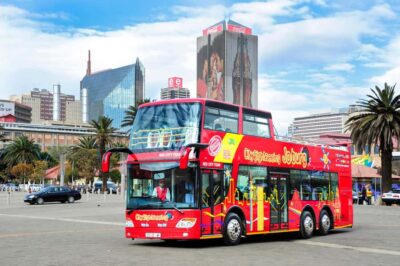

Soweto /Johannesburg and Apartheid Museum Guided Full Day Tour
Read our review →Johannesburg Hop-On Hop-Off City Tour with Soweto Option
Read our review →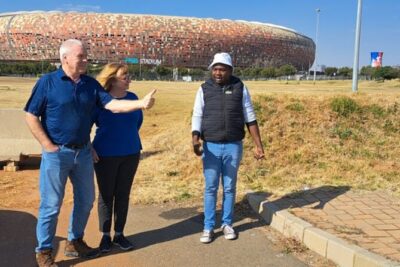

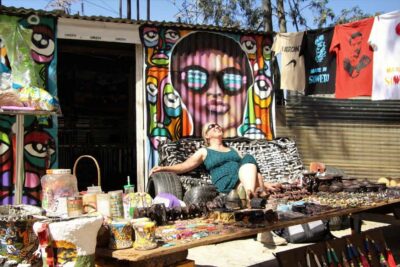
Jo’berg in 1 Day: Soweto, Apartheid Museum & City Tour
Read our review →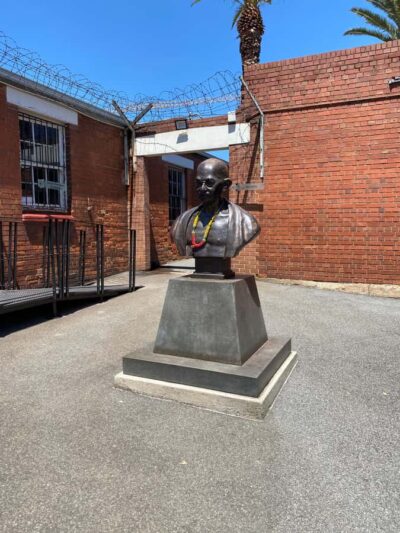
Full-Day Tour with Soweto and Apartheid Museum
Read our review →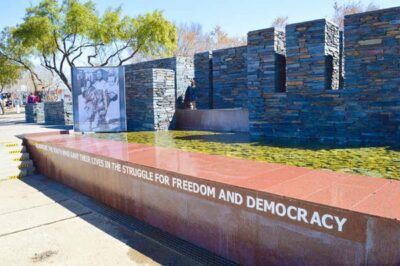
Browse the lists this tour appears in