
Reviewed · SOWETO TOURS
Johannesburg and Soweto: Half-Day Tour
This half-day Johannesburg and Soweto tour is interesting because it fast-tracks you from downtown skyscrapers into the places tied to the fight for freedom. I love how the route sets the contrast, from Johannesburg’s tall buildings built during apartheid to the shift in atmosphere as you enter Soweto. I also love the emotional punch of Mandela’s House and the Hector Pieterson Memorial, though the subject matter can feel intense.
You’ll get a practical structure, too, with hotel pickup in a comfortable vehicle and bottled water on board. Do note one consideration: the day is timed tightly, and you’re asked not to carry any luggage, so pack lightly.
Key highlights you will actually feel during the tour

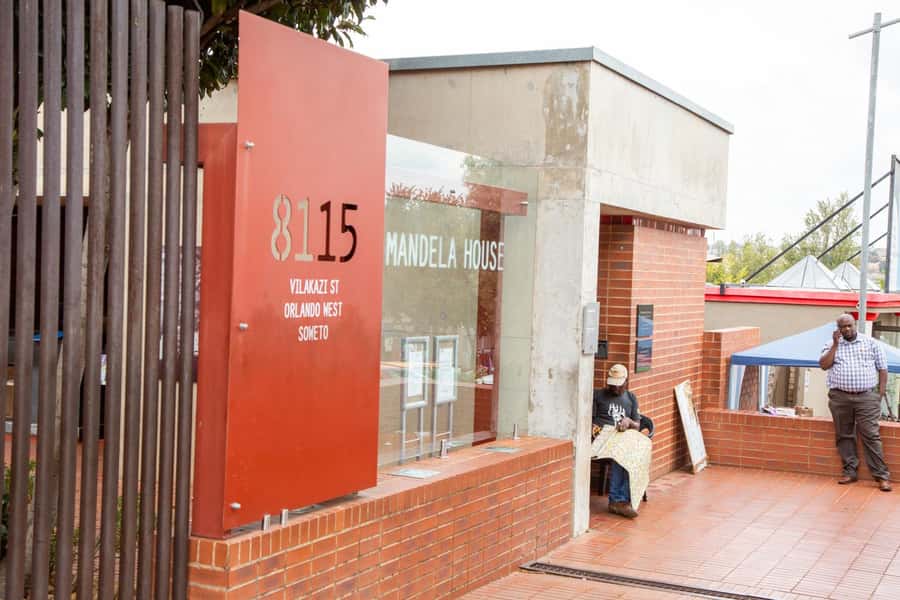
- Mandela House Museum on Vilakazi Street gives you a focused view of Nelson Mandela’s life and legacy
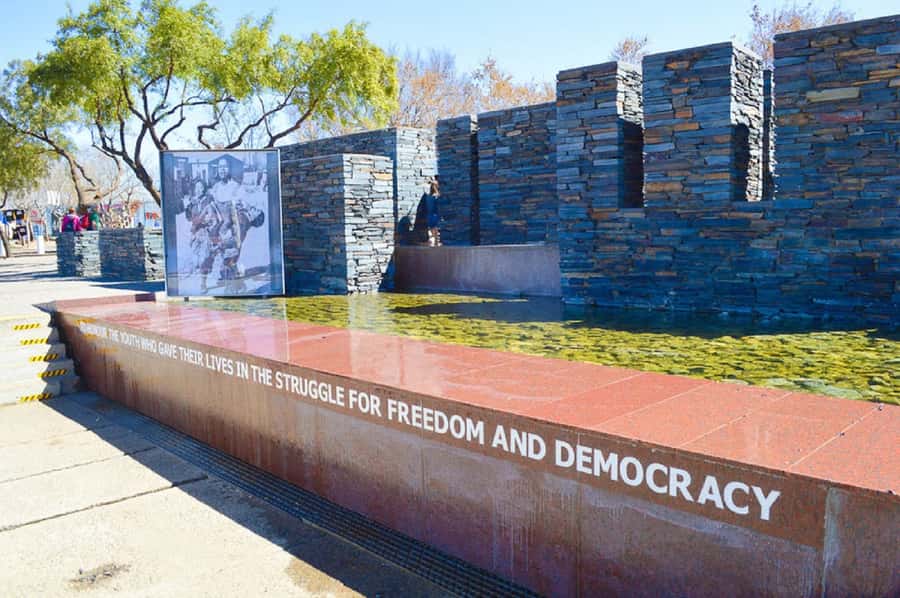
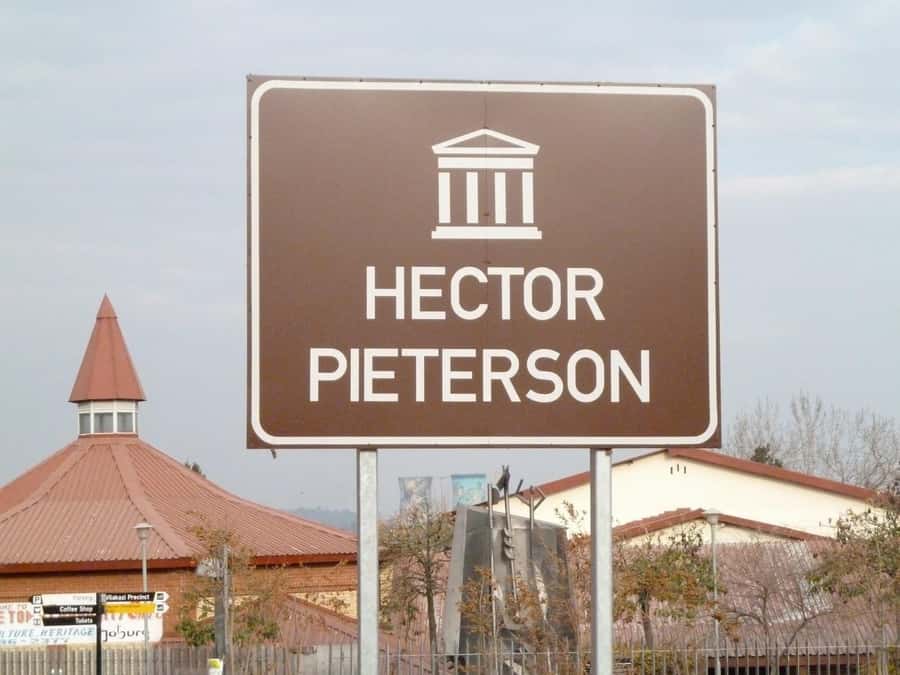
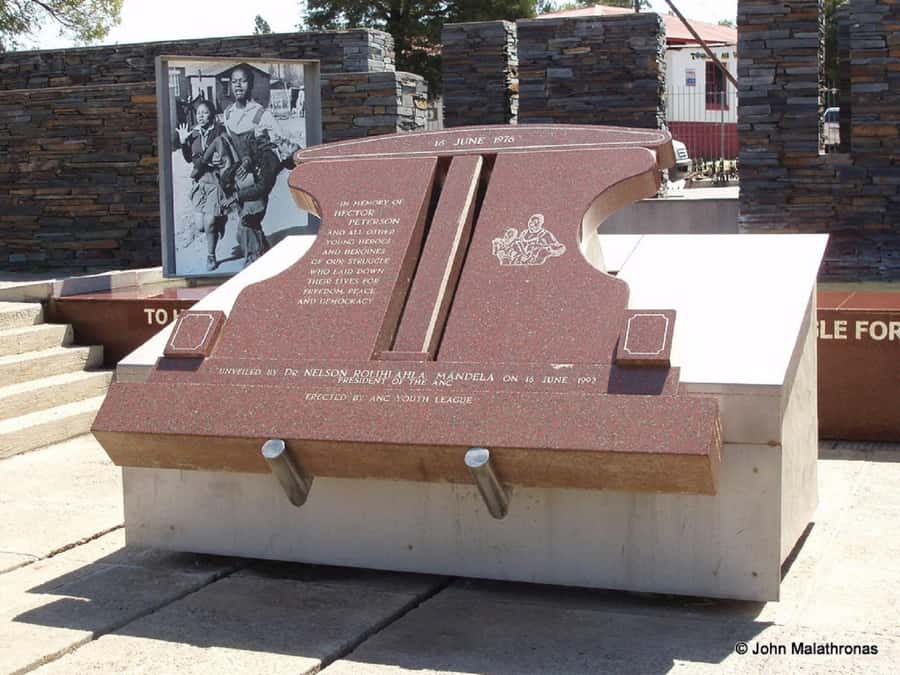
- Hector Pieterson Memorial centers on the youth uprising in 1976
- Soweto cooling towers and former power landmarks, now used for bungee jumping, add a memorable visual moment
- Street-level views of Desmond Tutu House and Winnie Mandela house, plus an informal settlement and Baragwanath Hospital
- FNB Stadium (Soccer City, The Calabash) flashes by near the end, linking the area to major events
- Hotel pickup and drop-off plus entrance to Mandela House, with lunch left out
Why Johannesburg and Soweto in 5 hours makes sense
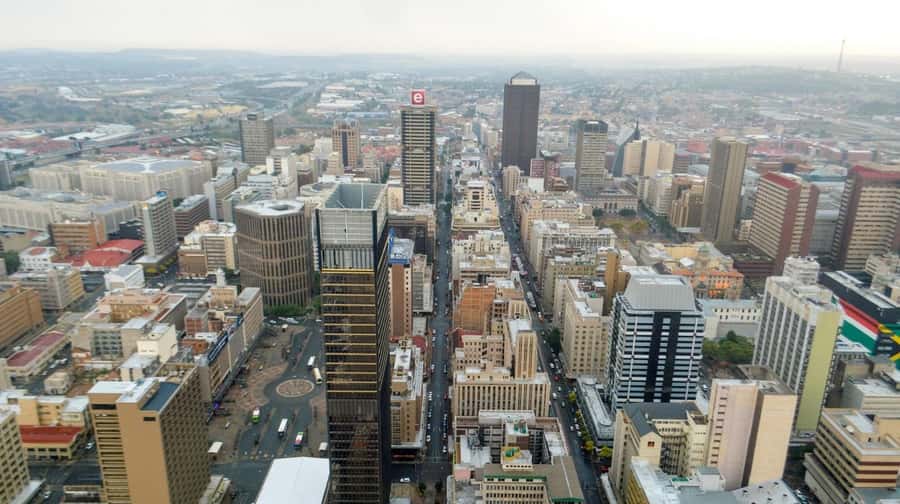
Johannesburg can feel like two cities sharing one border. The tour is built for that reality. You see a downtown skyline with tall, apartheid-era structures, then you head southwest and watch the scenery shift as you enter Soweto.
In five hours, you are not trying to “cover everything.” You are building a map in your head. That is what makes this format work, especially if you only have a short stay in Gauteng and want the right context without planning a whole day on your own.
One more thing I appreciate: you don’t just look at monuments. You get viewpoints of everyday settings, including an informal settlement and Baragwanath Hospital. It helps you understand Soweto as a living place, not just a museum topic.
More Soweto tours:
- Johannesburg: Hop-On Hop-Off Bus with Optional Soweto Tour
★ 4.6 · 985 reviews - Soweto /Johannesburg and Apartheid Museum Guided Full Day Tour
★ 5.0 · 932 reviews - Johannesburg Hop-On Hop-Off City Tour with Soweto Option
★ 4.5 · 768 reviews
The Johannesburg drive, skyline geometry, and apartheid-era city cues
You start with pickup from your hotel area in Johannesburg, then ride toward Soweto via the southern suburbs. The drive matters because it shows you the “other side” of Johannesburg first, with sleek cars and spacious freeways that make the city feel modern and fast.
Then the tour turns toward the city center, where the tall buildings give off a Manhattan-like feel. You also learn that many of these structures were built during apartheid. Even without getting out of the car much, this is a powerful framing tool. It explains why Johannesburg looks the way it does, and why the next stop in Soweto cannot be separated from those systems.
I recommend treating the early drive like your orientation lecture. Ask your driver-guide to point out what looks corporate and what looks like it grew out of older systems. The route gives you the chance to connect what you see to the story you will hear later.
Entering Soweto: the shift you can see immediately
Crossing into Soweto is not subtle, at least from the window. The greenery and speed of the suburbs fade, and you see the township space take over. The tour describes this as the scenery disappearing as you enter Soweto, and that’s exactly the feeling you should expect.
Your first set of iconic stops centers on two power landmarks. They used to generate power in the township and are now known for bungee jumping. Even if you never plan to jump off anything, the towers are a strong visual marker. They tell you how industrial infrastructure shaped daily life, and how meanings can change over time.
A practical tip: bring your phone and camera in a way that is easy to access. You will have moments where the best photos happen while you’re moving or at short viewpoint stops.
Hector Pieterson Memorial: understanding 1976 without the textbook tone
Next comes the Hector Pieterson Memorial, tied to the youth uprising in 1976. This is one of the most important stops on the day because it connects history to real people, not just dates.
What makes this stop valuable in a half-day itinerary is that it anchors the rest of Soweto visits. After you understand what happened in 1976 and why it mattered, you will read the surrounding streets and homes differently. The tour is built so that Mandela’s story on Vilakazi Street doesn’t feel like a separate topic.
Time here can feel a bit compressed. If you know you want to sit longer and absorb every detail, keep that in mind. Plan to be present in the moment you’re there, rather than expecting a leisurely, hour-after-hour museum experience.
Put these Johannesburg options head to head
- Half-Day Tour of Soweto Tour
★ 4.5 · 712 reviews - From Johannesburg: Lion & Safari Park Half-Day Tour
★ 4.6 · 384 reviews - Johannesburg: Soweto Half-Day Tour
★ 4.7 · 196 reviews - Johannesburg: Half-Day Soweto Tour with a Local Guide
★ 4.8 · 110 reviews
Vilakazi Street and Mandela House: the part you will remember later
Vilakazi Street is where the tour becomes personal. Mandela House Museum is on this street, and the visit is the final major anchor before you head back.
At Mandela House, you learn about Nelson Rolihlahla Mandela, who became a world icon. Even in a short visit, the point is clear: this is not only about a famous name. It’s about how a life and a movement connect to the physical spaces people walked every day.
I like the way the tour frames Mandela House as a museum you can pair with the earlier memorial. Start with 1976 at Hector Pieterson, then shift to Mandela’s home. That sequence gives you a timeline feel, even if you are only there for a small window.
You will likely get viewpoints of key homes along the street too. The tour includes views of Desmond Tutu House and Winnie Mandela house. You see them rather than fully touring everything, but the fact that these addresses sit near Mandela House helps you grasp how deeply this neighborhood is tied to South Africa’s modern story.
More than monuments: informal settlement, Baragwanath Hospital, and lived-in Soweto views
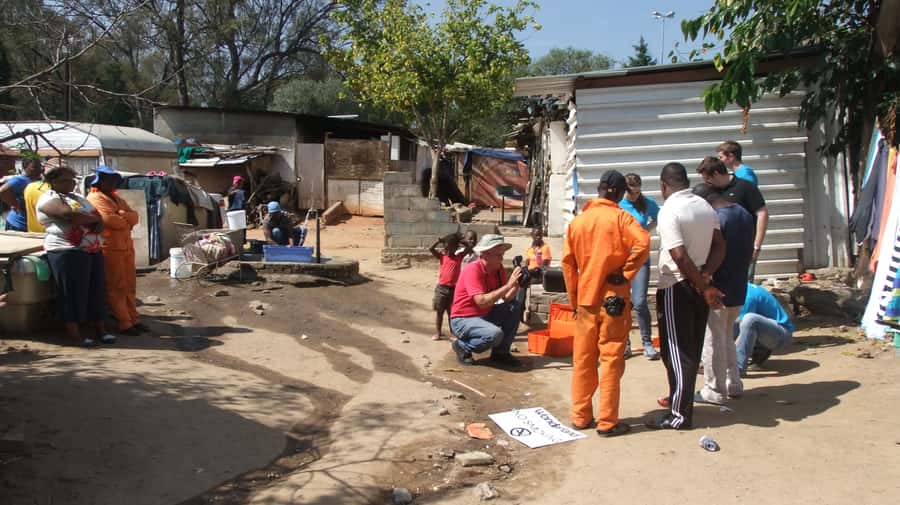
One of the best aspects of this tour is that it does not pretend Soweto is only a photo stop.
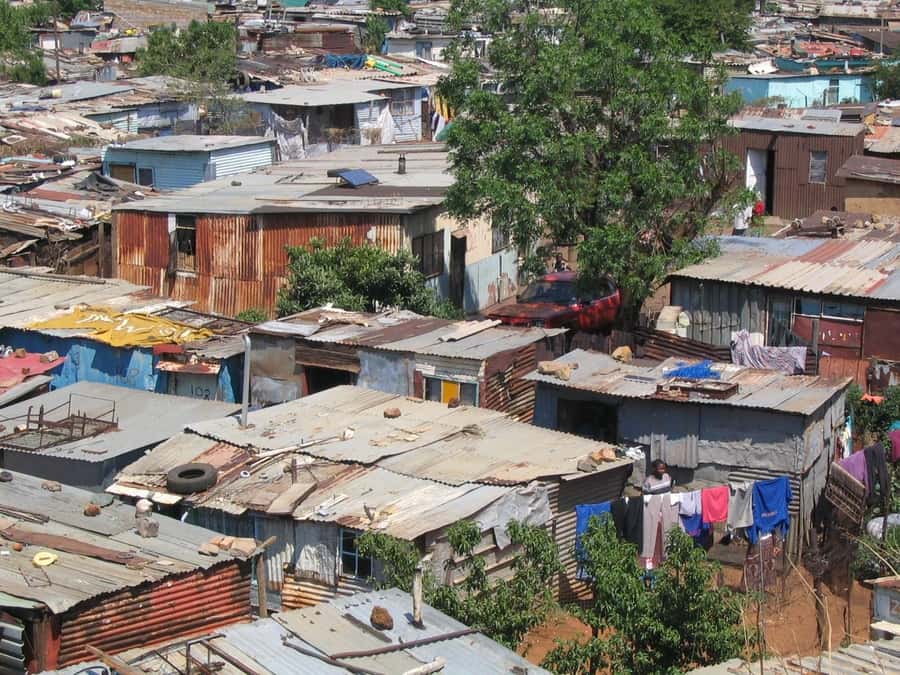
The itinerary includes views of an informal settlement. You’ll also pass or view Baragwanath Hospital. These are very different places, and that contrast is helpful. It points to how communities manage life, care, and services amid uneven resources.
This is also where your guide can make the difference. In the tour delivery style, guides are often praised for answering questions and keeping things respectful. If you’re the type who likes to ask, do it. Bring curiosity, not assumptions. If you’re nervous about asking sensitive questions, you can keep it simple, like asking what you should notice when you see a specific area.
A good mindset for these stops: treat viewpoints as prompts. Use them to ask, “What systems shaped this place?” and “What does this tell me about the present?”
FNB Stadium at the end: a quick link to 2010 World Cup energy
On the way back, the tour passes FNB stadium, also called Soccer City or The Calabash. This stop is brief, but it helps you connect Johannesburg’s global moments to its local context.
Why it’s worth seeing from a tour perspective: it reminds you that major events happen in real neighborhoods, not in a vacuum. After learning about apartheid-era structures and Soweto’s freedom struggle, you are watching the city with extra context.
If you’re a football fan, this is a fun visual payoff. If you’re not, it still works as a signpost for how Johannesburg positions itself on the world stage.
What you get for $71, and what you still need to plan
Let’s talk value in real terms. At $71 per person for a five-hour tour, you get hotel pickup and drop-off in a comfortable vehicle, a driver-guide, bottled water, and entrance to Mandela House Museum. You also get scheduled visits and viewpoint time at major sites, including Hector Pieterson Memorial and Vilakazi Street.
What’s not included is lunch and personal expenses. That matters because five hours can be enough time to get hungry. Bring a light snack strategy before you go, or plan to eat right after you return to your hotel.
If you’re comparing this to doing it independently, the biggest value is the guided route and sequencing. Getting the “why” right is often the hard part when you are short on time.
Safety, comfort, and the no-luggage request
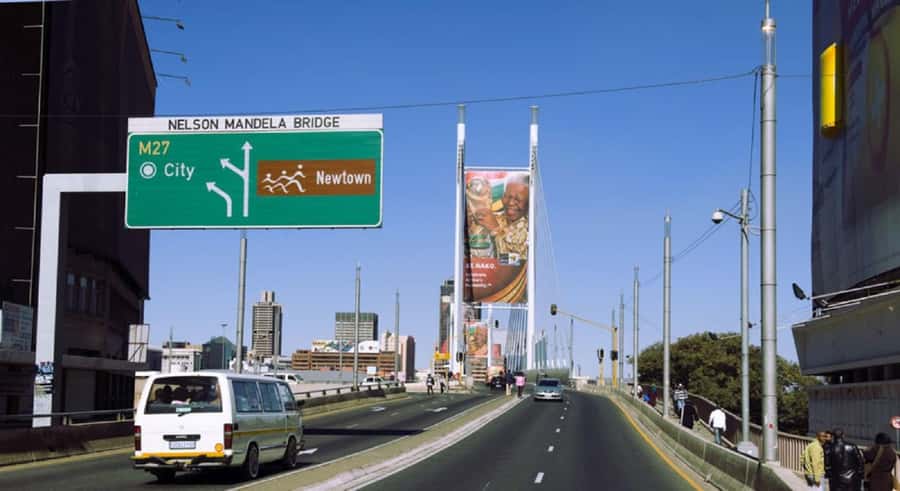
Comfort comes from the setup. You’re in a comfortable vehicle, and you’re picked up and dropped off from your hotel area. Bottled water is included, which is genuinely helpful on a day that includes driving and walking at memorial stops.
The tour also asks you not to carry luggage. That’s a clear signal to travel light. Keep only what you need for the day, like a small day bag, water, and your essentials. If you’re used to traveling with a big bag, adjust your packing before you book.
About safety: the guides on this tour are repeatedly described as attentive and careful, with many guests saying they felt safe in the car and during stops. You should still follow your guide’s instructions, stay aware of your surroundings, and avoid treating any township area like an empty sightseeing theme park.
Who should book this half-day Johannesburg and Soweto tour
This tour fits best if you:
- Have limited time and want a structured introduction to Johannesburg plus Soweto
- Want the key sites in a logical sequence, starting with downtown context and ending on Vilakazi Street
- Prefer guided storytelling so history connects to what you see outside the window
- Like asking questions, because the guide role is a big part of the experience
It might not fit if you:
- Want a long, slow museum experience and lots of independent roaming
- Are traveling with heavy luggage, since you are asked not to carry luggage
- Are highly sensitive to difficult political history, because the memorial stop is emotionally direct
Should you book it or choose a different option?
If you’re on a first trip to Johannesburg, this is a strong choice. It gives you the essentials without making you piece together logistics, and it links apartheid-era city imagery to Soweto’s freedom story in a way that makes sense in a short timeframe.
Book it if you want a guided day that feels organized and thoughtful, with multiple meaningful stops, a comfortable ride, and entrance to Mandela House included. Pass on it only if you know you need extra time inside Hector Pieterson Memorial, or if you dislike tours that move at a steady pace.
In the end, this half-day format works best when you go in ready to learn, ready to look, and ready to ask your guide what you notice.
FAQ
How long is the Johannesburg and Soweto half-day tour?
The tour duration is 5 hours.
What does the tour cost?
The price is $71 per person.
Is hotel pickup and drop-off included?
Yes, pickup and drop-off from your hotel in a comfortable vehicle are included.
Where does the tour go during the day?
The tour covers Johannesburg city center and then heads to Soweto, including Mandela House Museum on Vilakazi Street and the Hector Pieterson Memorial.
What stops are included in Soweto?
Included items cover Mandela House entrance, Vilakazi Street, Hector Pieterson Memorial, views of Desmond Tutu House and Winnie Mandela house, views of an informal settlement, Soweto cooling towers, and Baragwanath Hospital.
Is lunch included?
No, lunch is not included.
Is bottled water provided?
Yes, bottled water is included.
What languages are offered for the live guide?
The live tour guide is available in English, French, and Portuguese.
Can I carry luggage on the tour?
Please do not carry any luggage.
Can I cancel for a full refund, and is pay later available?
You can cancel up to 24 hours in advance for a full refund, and there is a reserve now and pay later option.
Newest reviews around Johannesburg
- Johannesburg: 3-Day Panorama Tour with Kruger Park Safari★ 5.0 · 7 reviews
- Drakensberg Mountains. Tugela Gorge and Amphitheater Hike★ 5.0 · 7 reviews
- 5-Day Kruger National Park Safari including Breakfast and Dinner★ 4.5 · 7 reviews
- Aerial cableway Hartebeespoort Halfday tour★ 4.5 · 7 reviews
- Soweto Township Tour★ 5.0 · 7 reviews
- Private Safari Tour: Pilansberg National Park Big 5★ 5.0 · 7 reviews
- Historical and Cultural Interactive Experience of Soweto★ 5.0 · 7 reviews
- Soweto Tour★ 5.0 · 7 reviews
Soweto Tours, compared.
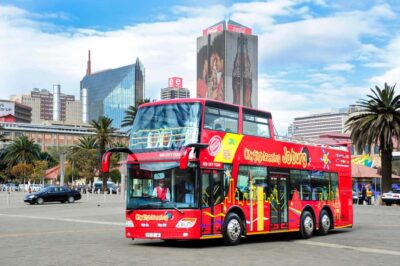

Soweto /Johannesburg and Apartheid Museum Guided Full Day Tour
Read our review →Johannesburg Hop-On Hop-Off City Tour with Soweto Option
Read our review →

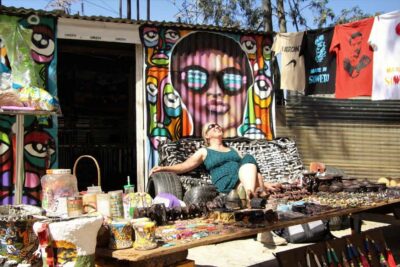
Jo’berg in 1 Day: Soweto, Apartheid Museum & City Tour
Read our review →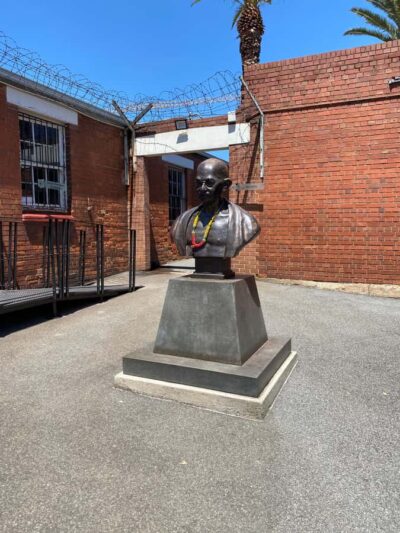
Full-Day Tour with Soweto and Apartheid Museum
Read our review →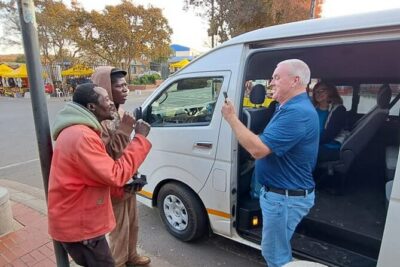
Full-Day Soweto, Apartheid Museum and Lunch Tour
Read our review →Browse the lists this tour appears in