

Reviewed · APARTHEID HISTORY TOURS
Apartheid Museum and Soweto Tour in Johannesburg
This is an intense, practical day out that helps you connect the dots between apartheid policy and everyday life in South Africa. You start with the Apartheid Museum and then move through Soweto’s major landmarks, including stops tied to Nelson Mandela and the 1976 student uprising.
Two things I like about this tour are the mix of learning plus walking and the fact that the vehicle keeps the schedule realistic in a single half-day. The other win is that the Apartheid Museum admission is included, so you spend less time figuring out tickets and more time absorbing what you came for.
One consideration: the day focuses on powerful subject matter, and a couple of museum-related entrances are not included. If you want to go inside places like Mandela House or the Hector Pieterson Museum, plan for extra fees and a bit more time.
Key highlights to know before you go
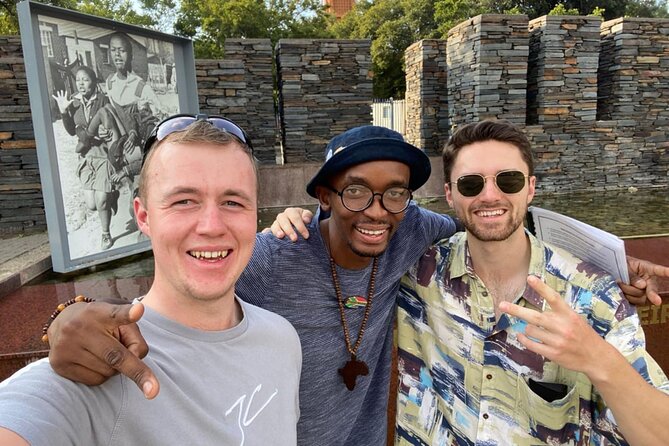
- Apartheid Museum admission included with about two hours on site
- Small group size (max 15) for a more personal pace
- Soweto landmarks in short, efficient stops, including FNB Stadium and Orlando Towers
- Vilakazi Street visit tied to Nelson Mandela and Desmond Tutu
- Mandela House and Hector Pieterson Memorial not included for entry, so decide in advance what you want to access
A 5-hour mix of big history and real streets in Soweto
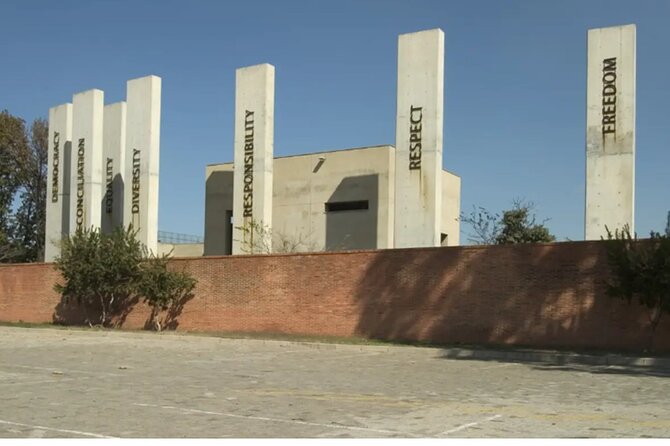
This is built as a tight Johannesburg package, not a slow, all-day wandering trip. In about five hours, you get the core story of apartheid through the museum and then you see how those events connect to the neighborhoods and icons that people still use as reference points today.
What makes this format work is the balance. The museum gives you the timeline and the mechanisms, then the street-level stops in Soweto help you place it in a living city. You are not just looking at photos. You are moving through the same kinds of public spaces where the past still shows up in names, landmarks, and memorials.
The tour also keeps you comfortable while you’re out there. You get bottled water and an air-conditioned vehicle, which matters when you are squeezing multiple stops into one morning or afternoon and want to avoid feeling fried.
More Museums in Pretoria
- Johannesburg Full-Day Tour(Soweto/Jo-Burg & Apartheid Museum)
★ 5.0 · 110 reviews - Soweto and Apartheid Museum Guided Tour
★ 5.0 · 38 reviews - Soweto & Apartheid Museum Tour
★ 5.0 · 20 reviews
What you pay for, and why the value is more than the price
The price is $83.71 per person, and it’s often booked around 23 days in advance. That timing detail matters because this is a small-group style tour with a maximum of 15 people, and small groups do not always stay available for long.
Here’s the value math that matters to you:
- The Apartheid Museum admission is included, and that is the heaviest ticket item on the itinerary.
- A guide is included, which is key for a topic like apartheid where the meaning depends on context, not just exhibits.
- You get pickup offered, plus transport via an air-conditioned vehicle, which saves your energy and reduces guesswork.
The main thing to watch is that not everything is included entry-wise. Mandela House and the Hector Pieterson Museum experience are handled differently than the museum. If you are the type who wants every door you see to become an inside visit, budget a bit extra.
Entering the Apartheid Museum, from policy to lived experience
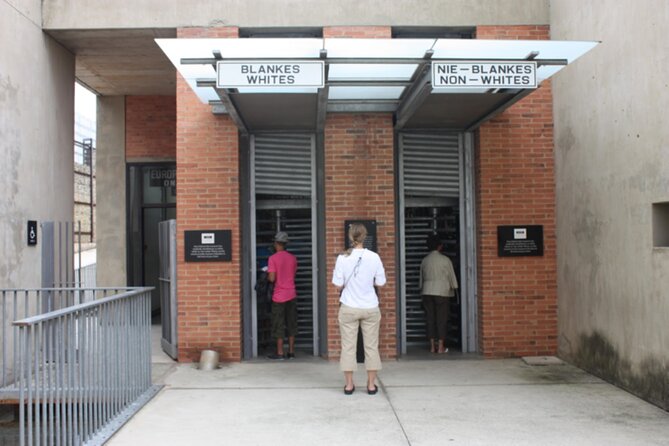
Your first and biggest stop is the Apartheid Museum, where you spend about two hours. Admission is included, so you start learning right away without extra ticket friction.
This museum is built around the story of apartheid in South Africa, with segregation enforced from 1948 until 1994. That date range is not trivia. It is the backbone for understanding why later events matter, including the student uprising and the political transformations that followed.
What I find useful about putting this stop at the beginning: it gives you a map in your head. When you later pass through Soweto landmarks tied to Nelson Mandela and other central figures, you understand why those names carry weight. Without that museum context, the street stops can feel like a list. With it, they feel like chapters.
Practical tip: plan your photos and questions. In a museum with heavy themes, it is easy to rush because the rest of the day is scheduled. Two hours is a solid window, but you will get more out of it if you choose what you want to focus on before you walk deeper.
Quick stops at FNB Stadium and Orlando Towers, why they fit the schedule

After the museum, you make two short landmark visits.
FNB Stadium: You stop for about 10 minutes, and the admission ticket is free. The stadium hosted the 2010 Soccer World Cup Final. Why does a sports stop belong on this tour? Because it shows how modern South Africa, including major international events, sits on the same map as the struggle for equality. In other words, it’s not only about separation. It’s also about change and public life today.
Orlando Towers: Another 10-minute stop, also free for your visit. These towers are a recognizable landmark of Soweto. Even if you keep your eyes on the bigger story, landmarks help you orient yourself. You start to remember what is where, and that makes the remaining street stops feel less abstract.
For both of these: keep expectations aligned with the time. They are brief views, not long sightseeing sessions. If you want extended time inside stadium facilities or deeper photo walks, this tour is not aiming to do that.
More apartheid-history tours:
- Apartheid History of South Africa (Full day Experience with lunch
★ 4.5 · 24 reviews - Soweto & Apartheid Museum Guided Tour
★ 5.0 · 18 reviews - Soweto, Apartheid Museum & Constitution Hill Day Tour
★ 5.0 · 12 reviews - Soweto and Apartheid Museum
★ 4.5 · 11 reviews
Vilakazi Street and the Mandela and Tutu connection

Your next stop is Vilakazi Street, about 30 minutes, with no admission fee included for the visit. This is one of the most prestigious streets in the world on your itinerary, and it carries a specific credential: it was home to Archbishop Desmond Tutu and Nelson Mandela, both Nobel Peace Prize winners.
This stop can feel like a bridge between history and human stories. The apartheid era is often explained in systems and laws. Vilakazi Street brings it closer to people and networks, especially when the same street is associated with multiple world-recognized names.
You also get a chance for souvenir shopping here. That sounds small, but it matters. It gives you time to interact with local sellers and take home something that feels connected to place. Just keep your shopping calm and respectful, and remember you are on a schedule.
Practical tip: if you plan to buy souvenirs, bring small bills or check what payment options are practical in the moment. This is a place where you might see a range of price points.
Mandela House outside view, plus how to decide on entry time
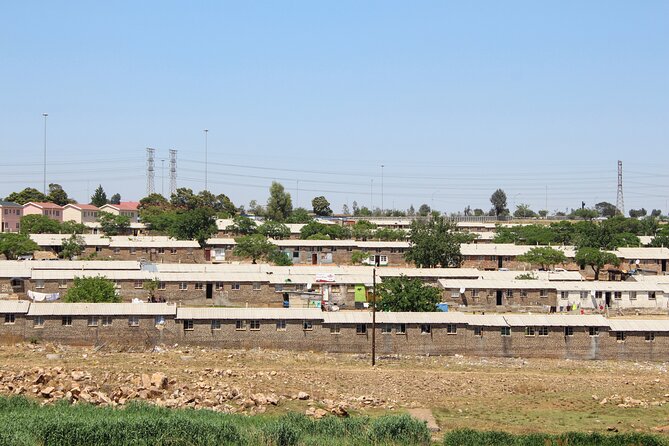
Next is Mandela House, and the tour currently plans about 20 minutes for you. You view it from the outside, and entrance fees are not included.
You might be offered time to enter, but you would handle that on your own. The key is mindset: do not let the outside view feel like disappointment. Sometimes it is enough to see a site referenced through the broader story, especially when the schedule is tight and the day already includes the Apartheid Museum plus a memorial stop.
If you do want to go inside, decide early so you do not lose time later when you could be moving on to the Hector Pieterson site. Since the entry fee is not included, treat it as an optional extra, not an expectation you need to force.
Hector Pieterson Memorial stop, and what it adds to the day

Your last major stop is the Hector Pieterson Memorial, about 30 minutes. The itinerary notes admission for the memorial is not included, and the focus here is an overview of the 1976 Soweto Student Uprising.
This is the moment where the history becomes personal in a different way. The Soweto Student Uprising is one of those events that turns protest into a turning point. It helps you connect why Soweto is not just a location on a map. It is a name attached to resistance, courage, and sacrifice.
What I like about keeping this as the final stop: you leave with a clear reason why later political change happened, not just when it happened. You carry the emotional weight of the uprising with you, and then you can compare it to what the museum explained about apartheid policies.
Since the memorial entry is not included, if the experience you want includes going beyond the view, plan for additional cost and time.
Safety, pacing, and the value of a guide
One of the strongest takeaways from the experience data is that the day can feel safe and well run. A five out of five review specifically highlighted the chance to walk through a Soweto community with a local and said it felt very safe.
That makes sense given the structure. You are not trying to figure out where to go on your own. You are with a guide, using an organized route, with stops designed to fit in a single half-day.
The pacing is also a plus. With only 15 people max, you are unlikely to get lost in a crowd. You get quicker transitions between the museum and the street-level stops, which helps you keep the story coherent instead of tiring yourself out.
Also, the tour has bottled water, which sounds like a small thing until you realize how much easier it is to pay attention when you are not thirsty and rushing for drinks.
Weather matters, because this is built for real outdoor movement
This experience requires good weather. That matters because part of the day is walking and short landmark viewing in Soweto. If it’s canceled due to poor weather, you should expect a different date or a full refund.
When you book, I recommend dressing like you are going to be outside more than inside. Bring sun protection if it’s hot, a light layer if it’s cooler, and comfortable shoes. You are doing enough walking to feel it by the end of the day, even if many stops are short.
Who this Soweto and Apartheid Museum tour is best for
This tour fits you if you want:
- A guided introduction to apartheid and Soweto landmarks in one outing
- A structured half-day rather than an open-ended schedule
- A mix of museum time plus short street-level stops
It may not fit you as well if you need lots of free time to go deep into every single site. Some entrances are not included, and several stops are brief by design. If you prefer long, slow visits and lots of independent exploration, you might want a different style itinerary.
Should you book Tsalanang Tours for this half-day experience?
I’d book this if you want an efficient, meaningful day that starts with the Apartheid Museum and then helps you place what you learn into Soweto’s major landmarks. The included museum admission, the small group size, and the guide support make the experience feel organized and worth the money.
I would hesitate only if you know you want to enter every building you see, because some key entry fees like Mandela House and the Hector Pieterson Memorial are not included. If you are okay treating those as optional add-ons, this tour is a strong pick.
FAQ
How long is the Apartheid Museum and Soweto tour?
The tour duration is approximately 5 hours.
Is pickup included?
Pickup is offered.
What is included in the price?
The tour includes bottled water, an air-conditioned vehicle, and a guide. Admission is included for the Apartheid Museum.
Is admission to the Apartheid Museum included?
Yes. Admission to the Apartheid Museum is included, and the stop is about 2 hours.
Are the FNB Stadium and Orlando Towers visits included?
Yes. Those stops have free admission noted and are about 10 minutes each.
Is Vilakazi Street admission included?
Yes. Vilakazi Street is a free stop, about 30 minutes.
Is Mandela House entrance fee included?
No. You view Mandela House from outside, and the entrance fee is not included.
Is the Hector Pieterson Museum and Memorial admission included?
The Hector Pieterson Memorial stop is noted as admission not included, with about 30 minutes for the visit.
What is the maximum group size?
The tour has a maximum of 15 travelers.
What is the cancellation policy?
You can cancel for a full refund up to 24 hours in advance. If you cancel less than 24 hours before the start time, the amount paid is not refunded.
More Soweto tours
- Soweto Half Day Tour
★ 5.0 · 231 reviews - Johannesburg and Soweto tour
★ 5.0 · 231 reviews - Soweto walking tour with a taxi ride
★ 4.5 · 42 reviews - Soweto, Kliptown, Eldorado Park Tour
★ 5.0 · 41 reviews
Newest reviews around Pretoria
- History Bicycle Tour of Soweto★ 4.0 · 7 reviews
- Johannesburg,Soweto and Apartheid Museum full-day tour★ 5.0 · 7 reviews
- Bicycle or Tuk Tuk Soweto Guided Experience★ 5.0 · 7 reviews
- Soweto and Apartheid Museum Tour★ 4.5 · 7 reviews
- Half Day Johannesurg and Soweto Guided Tour★ 5.0 · 7 reviews
- 3 Day Victoria Falls Tour From Johannesburg★ 5.0 · 7 reviews
- Full Day Johannesburg , Apartheid Museum and Soweto Tour – 8hrs★ 4.5 · 7 reviews
- Lesedi Cultural Village Tour★ 5.0 · 7 reviews
Apartheid History Tours, compared.

Soweto /Johannesburg and Apartheid Museum Guided Full Day Tour
Read our review →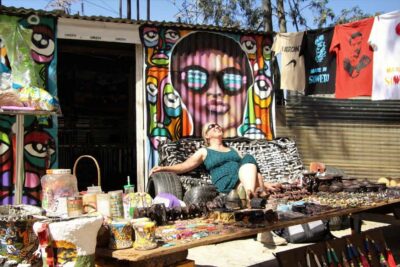
Jo’berg in 1 Day: Soweto, Apartheid Museum & City Tour
Read our review →
Full-Day Tour with Soweto and Apartheid Museum
Read our review →
Full-Day Soweto, Apartheid Museum and Lunch Tour
Read our review →
Half Guided Day Tour of Soweto And Apartheid Museum
Read our review →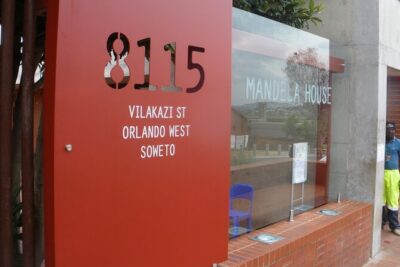
Ultimate Johannesburg Soweto Experience with Apartheid Museum
Read our review →
Hop-On Hop-Off Bus, City Tour and Apartheid Museum
Read our review →
Johannesburg and Soweto Apartheid Full Day Tour w/Lunch
Read our review →Browse the lists this tour appears in