
Reviewed · SOWETO TOURS
History Bicycle Tour of Soweto
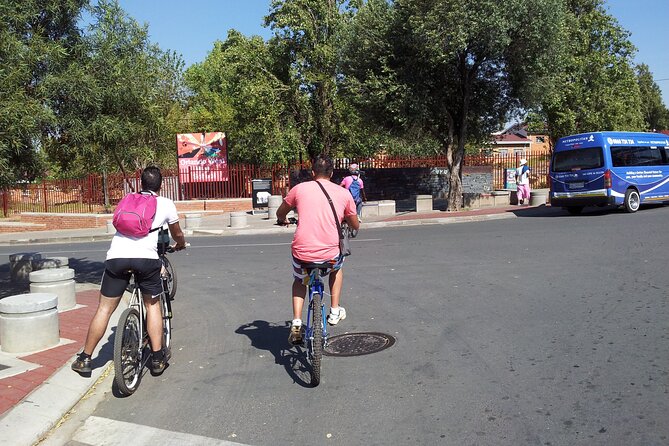
A 4-hour bike tour of Soweto is interesting because you’re not just looking at landmarks. You’re moving through neighborhoods shaped by segregation, resistance, and everyday life, with stops tied to Nelson Mandela, Archbishop Desmond Tutu, and the 1976 student uprising. I especially like seeing Nelson Mandela-related sites up close and learning from a local guide who explains what you’re actually looking at, not just reciting dates. The main drawback to plan for is the physical side, with heat and some uphill riding on basic bikes.
You also get a clear structure to the day: you start at the Hector Pieterson Memorial, ride through key places around Orlando West, and then finish at Coffee and Cream. I like that the pace is long enough to feel like a real tour, but short enough that you still have energy to visit the Hector Pieterson Museum on your own after.
Key Points You’ll Feel in Your Day
- Start at the Hector Pieterson Memorial in Orlando West, with context before you roll
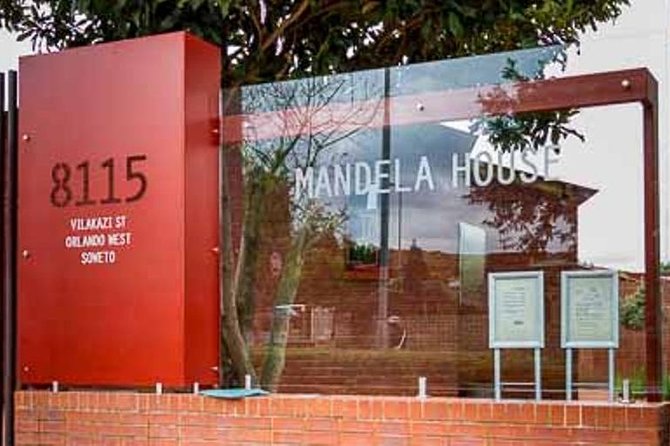
- Pedal past Mandela and Tutu linked homes and important community places like Regina Mundi church
- Stop at Orlando West High School to connect the 1976 student uprising to the death of Hector Pieterson
- Ride through the township’s real texture, including things like a mineworkers’ hostel and an orphanage
- Finish at Coffee and Cream, so you have a natural end point after 4 hours on the move
- Bring sun protection and expect uphill effort, since the heat can catch you off guard
Why This 4-Hour Bike Ride Through Soweto Matters
If you care about understanding South Africa beyond a headline, this is a smart way to do it. Townships can be described in broad strokes, but cycling through the area forces you to slow down and look again, street by street. You’ll hear how Soweto was shaped by apartheid laws, then by the resistance of Black South Africans against those rules, including the student uprising in 1976.
What makes the tour hit differently is the mix of places. You’re shown churches like Regina Mundi, community structures like an orphanage, and everyday housing that helps you picture daily life instead of only tragedy. The Mandela-related stops also ground the story in real locations, not abstract posters.
This is not a casual stroll. It’s a half-day activity on a bicycle, and the best way to enjoy it is to treat it like an active learning walk with handlebars.
More Soweto tours:
- Soweto Half Day Tour
★ 5.0 · 231 reviews - Johannesburg and Soweto tour
★ 5.0 · 231 reviews - Johannesburg Full-Day Tour(Soweto/Jo-Burg & Apartheid Museum)
★ 5.0 · 110 reviews
Start at the Hector Pieterson Memorial: Getting Oriented Fast
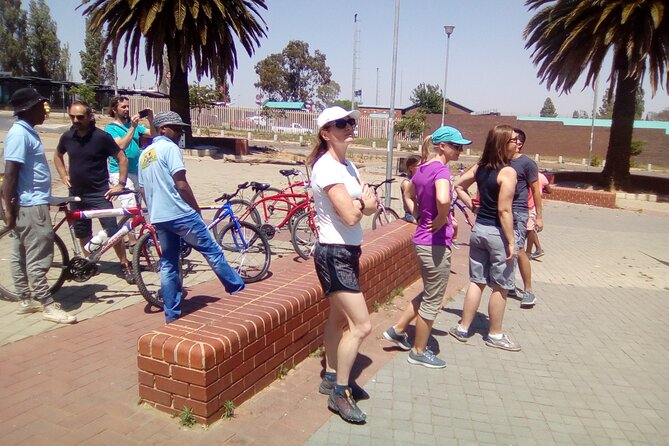
The tour begins at the Hector Pieterson Memorial on Khumalo Road in Orlando West. You’ll meet there and start cycling from that point. There’s no hotel pickup or drop-off, so you’ll want to arrive on your own and be ready to start on time.
One small but helpful detail is that you get a mobile ticket, so you’re not dealing with paper tickets on a bike. Since the group size is capped at a maximum of 10 travelers, you’re less likely to get lost in the shuffle, and your guide can keep a closer eye on how everyone is doing.
Before you set off, take a minute to get your bearings. Knowing the tour’s theme upfront makes the stops land better. You’re going to hear about Soweto’s early establishment around 1904, then follow the thread toward the 1976 uprising and its lasting impact.
Orlando West First Stops, From 1904 Roots to Everyday Community Life
After you roll out from the memorial, you’ll learn about where the township began, including that it was first established in 1904. It’s a key anchor point because it reminds you that Soweto isn’t only a protest story. It’s a place that developed, grew, and housed real communities over many years.
From there, the tour introduces you to the built environment and the institutions that shaped daily routines. You’ll see a mineworkers’ hostel and an orphanage, plus several churches and other community spaces. The point isn’t just to collect photos. It’s to connect what you see to how people lived, studied, worshipped, worked, and built support networks.
You’ll also encounter places connected to the reality of limited resources, including a squatter camp. That kind of stop can feel heavy because it’s visible proof of how apartheid planning pushed people into unstable housing conditions. It’s also why this ride can feel more honest than a quick drive-by.
If you’re the type who likes to understand context before you judge from afar, you’ll appreciate how the guide ties each site to the broader story of control and resistance.
Regina Mundi, Squatter Camps, and the Places That Hold the Story
A standout set of stops focuses on religious and community landmarks, including Regina Mundi church. Churches in Soweto are more than architecture. They often functioned as meeting points, support spaces, and symbols that gave people strength and organization when official systems were hostile.
You’ll also pass through or see areas that reflect the unevenness of life shaped by apartheid. One stop includes a squatter camp, and the tour’s framing helps you understand it as more than an image. It’s part of a long pattern of displacement and the struggle to find stable ground.
The tour doesn’t shy away from the good, bad, and sad sides of the township’s history. That balance matters. If every stop were only tragedy, you’d miss how communities survived and formed bonds anyway. If every stop were only success stories, you’d miss why resistance became so urgent. This approach helps you hold multiple truths in your head at once.
More Historical Tours in Pretoria:
- Apartheid History of South Africa (Full day Experience with lunch
★ 4.5 · 24 reviews - Cape Town: Art, Culture & History Walking Tour
★ 4.9 · 392 reviews - Stellenbosch: Guided Historical Walking Tour
★ 4.7 · 283 reviews - Stellenbosch: Historical Bike Tour & Wine Tasting
★ 4.9 · 248 reviews
Nelson Mandela’s House and Archbishop Desmond Tutu: Why These Stops Land
One reason this tour is so compelling is that it includes sites tied to both Nelson Mandela and Archbishop Desmond Tutu. Seeing where Mandela once lived adds a human scale to the movement against apartheid. You’re not only hearing about leadership. You’re seeing a location that connects to the life behind the name.
The tour also includes Nelson Mandela and Desmond Tutu linked homes, so the story spans personal experience and moral leadership. For many visitors, it’s easier to understand the scale of the apartheid struggle once you connect it to people who had different roles but shared an ethical direction.
There’s also something practical here: the guide ties these stops to the broader story, so you don’t leave thinking, Mandela lived there, period. You leave thinking about why these figures mattered to events in Soweto and beyond, and how community life and political life were tangled together.
This section is usually the heart of the tour for people who care about South African history with real grounding.
Orlando West High School and the 1976 Uprising Connection
A key moment on the ride is the stop at Orlando West High School. This is where the tour connects the 1976 student uprising against apartheid to the death of Hector Pieterson. That connection is what turns “history” into something you can place, because you’re standing at the kind of site where students gathered and where consequences unfolded.
It helps that the day also points you back to the Hector Pieterson Museum. After your ride, you can visit the Hector Pieterson Museum on your own. That’s a smart add-on for people who want more time with photos, documents, and deeper explanations that you can take at your own pace.
If your learning style is scene-based, this part is ideal. You see one place during the ride, then you follow up with the museum afterward while the story is still fresh in your mind.
Coffee and Cream Finale: The Right Place to Land the Day
The tour concludes back at the meeting point, and it’s framed around stopping at Coffee and Cream. Having a defined end matters on a bike tour. It’s not just a random finish, so you know where to regroup, check your phone for photos, and reset before heading back to your next stop in Johannesburg.
This finish also helps you avoid the usual “what now?” feeling. After 4 hours cycling, you’ll likely want a drink, and having a cafe as a natural wrap-up makes the transition smoother.
If you’re planning a second activity that afternoon or evening, this cafe ending gives you a predictable time window, since the tour is listed at about 4 hours total.
Price and Value for $40.91: What You’re Really Paying For
At $40.91 per person, this tour is priced for an active, guided experience without the premium costs of private drivers or multi-day packages. You’re paying primarily for three things: the guide, the bicycle, and safety basics like the included helmet.
Because the tour runs about 4 hours and caps at 10 travelers, the guide attention is likely better than on very large group tours. The ride also includes visits to multiple meaningful sites instead of just passing them from a car.
The included items are straightforward, but they matter: a bicycle that’s provided means you don’t have to rent and manage one on your own. A helmet means you’re not shopping last minute. And the local guide means you get explanations that connect the locations into a single story.
The value can drop if you arrive underprepared for heat or if you’re sensitive to the bike’s physical limits. Based on feedback, the bikes can be basic. If you go in expecting a smooth, modern ride, you’ll probably feel disappointed. If you go in expecting an active cultural ride with basic equipment, you’ll likely feel more satisfied.
The Big Practical Question: Bike Condition, Brakes, and Heat
This is the section to take seriously. One review flagged major bike issues, including wheels that were bent, problems with braking, and no gear changes. It also mentioned that seating could be difficult to adapt for a child, raising safety concerns.
That doesn’t mean every bike will be in that condition, but it does mean you should treat bike safety as your job from the moment you pick up the bicycle. Before you start, check that you can brake confidently. Confirm you can stop safely and that the bike feels stable when you shift your weight. If something feels wrong, speak up right away. Don’t wait until you’re already rolling in a busy area.
Heat is the other big factor. Another review emphasized that it can get intense and recommended a full hat instead of just a cap, along with thorough sunscreen. That advice is easy to act on and can completely change your comfort level. If you want to enjoy the learning, you need to manage sun first.
Also, because the route includes uphill biking, you’ll enjoy the tour more if you come with realistic expectations. This isn’t a leisurely flat loop.
If you’re bringing kids, take extra care with fit and comfort. The seating adaptability issue was specifically called out, so confirm that the child’s seat setup works and feels secure.
Group Size, Timing, and How to Plan Your Day
This tour runs for about 4 hours and operates with a maximum group size of 10. It requires a minimum of 2 people per booking, so it won’t run as a solo-only experience. You should also plan for no hotel pickup, which means you’ll need to factor in time to reach the Hector Pieterson Memorial in Orlando West.
The listing says it is near public transportation, which is useful if you want a flexible route to the start point. Since you’re biking immediately after meeting, you’ll want to arrive early enough to settle in and do a bike check without rushing.
Given the topics, I also recommend giving yourself time afterward. You can visit the Hector Pieterson Museum on your own after the tour, and that’s a great way to extend the day if you want more context.
Who This Tour Suits Best, and Who Should Rethink It
This is a strong fit if you want a guided, scene-based way to learn about apartheid history in Soweto without feeling detached. It’s also a great option if you like active travel. You’ll learn more because you’re not stuck watching everything from a vehicle window.
It’s also a fit if you appreciate practical, direct guiding. The tour is described as having young escort guides who explain what you’re seeing with care, and that kind of on-the-ground explanation can make each stop feel clearer.
Rethink it if you:
- expect a comfortable, modern bike ride with lots of gears
- are very sensitive to heat or uphill effort
- need a child bike seat setup that fits perfectly, due to prior safety concerns raised about seat adaptability
Most travelers can participate, but the physical and bike condition variables are real enough that you should go in with eyes open.
Should You Book This Soweto Bicycle Tour?
I’d recommend booking if you want more than a sightseeing drive and you’re ready for an active half day. The payoff is strong: you connect Soweto’s apartheid-era resistance to real locations, including Nelson Mandela-related sites, Regina Mundi, and the Orlando West High School connection to 1976 and Hector Pieterson.
I would not book blindly if you’re worried about bike safety or you are traveling with a child who needs a very specific seat fit. In those cases, do a careful pre-ride bike check with your guide and raise concerns immediately.
If you plan for the heat with proper sun protection, accept that the bikes may be basic, and treat this as an educational ride with real context, this is likely to be worth your time.
FAQ
How long is the History Bicycle Tour of Soweto?
The tour is about 4 hours.
Where does the tour start?
It starts at the Hector Pieterson Memorial, 8287 Khumalo Rd, Orlando West, Johannesburg, 1804, South Africa.
Where does the tour end?
It ends back at the meeting point, and the tour concludes at Coffee and Cream.
How much does the tour cost?
The price is $40.91 per person.
What’s included in the tour price?
Included are a local guide, use of a bicycle, and a helmet.
Is hotel pickup and drop-off included?
No. Hotel pickup and drop-off are not included.
What should I bring for the tour?
Plan for sun and heat. One strong tip is to wear a full hat and use plenty of sunscreen.
How big are the groups?
The tour has a maximum of 10 travelers.
Is there a child rate?
Yes, a child rate applies only when sharing with 2 paying adults.
What is the cancellation policy?
You can cancel for free up to 24 hours in advance for a full refund.
Is this tour easy for most people to do?
The tour states that most travelers can participate. It is still an active bike ride, so you should be ready for uphill effort.
Newest reviews around Pretoria
- Johannesburg,Soweto and Apartheid Museum full-day tour★ 5.0 · 7 reviews
- Bicycle or Tuk Tuk Soweto Guided Experience★ 5.0 · 7 reviews
- Soweto and Apartheid Museum Tour★ 4.5 · 7 reviews
- Half Day Johannesurg and Soweto Guided Tour★ 5.0 · 7 reviews
- Full Day Johannesburg , Apartheid Museum and Soweto Tour – 8hrs★ 4.5 · 7 reviews
- 3 Day Victoria Falls Tour From Johannesburg★ 5.0 · 7 reviews
- Lesedi Cultural Village Tour★ 5.0 · 7 reviews
- Soweto & Apartheid Museum Combo Tour★ 5.0 · 7 reviews
Soweto Tours, compared.
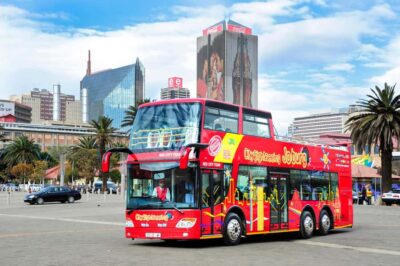

Soweto /Johannesburg and Apartheid Museum Guided Full Day Tour
Read our review →Johannesburg Hop-On Hop-Off City Tour with Soweto Option
Read our review →
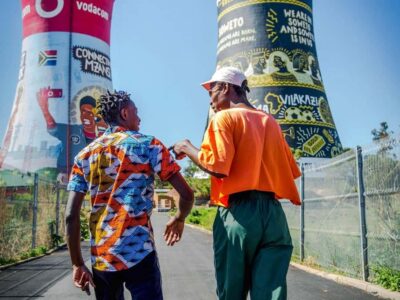
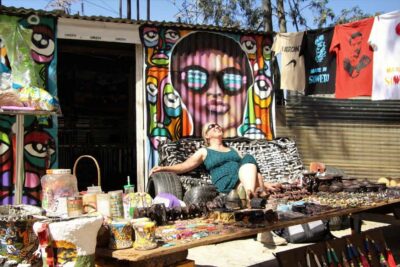
Jo’berg in 1 Day: Soweto, Apartheid Museum & City Tour
Read our review →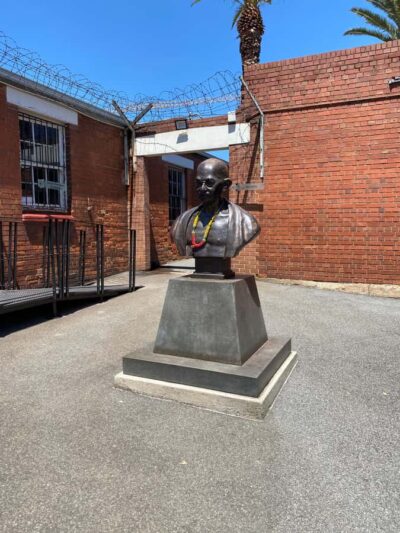
Full-Day Tour with Soweto and Apartheid Museum
Read our review →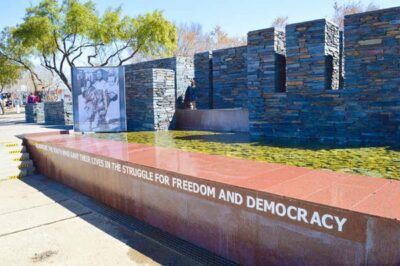
Browse the lists this tour appears in