
Reviewed · APARTHEID HISTORY TOURS
Soweto & Apartheid Museum Guided Tour
Soweto plus the Apartheid Museum is one of those combos that gives you both streets and context. You get a guided look at how apartheid shaped everyday life in Soweto, then you cap it off with museum exhibits that explain the system and the resistance.
I love the mix of landmarks and real neighborhoods. Seeing places tied to Nelson Mandela, Desmond Tutu, and Hector Peterson, then riding through different parts of Soweto, helps the story feel grounded. I also like that the guides are THETA-registered and are set up to answer questions while keeping the day organized.
One consideration: this is mostly a walking light, driving heavy tour with no lunch included, so you’ll want to plan food timing. And like any visit to apartheid-related sites, the content is serious, not a casual sightseeing day.
Key things to know before you go
- THETA-registered guides: Expect informed, respectful guiding and lots of room for questions.
- Soweto route with class-area context: You’ll drive through upper, middle, and lower parts of the township.
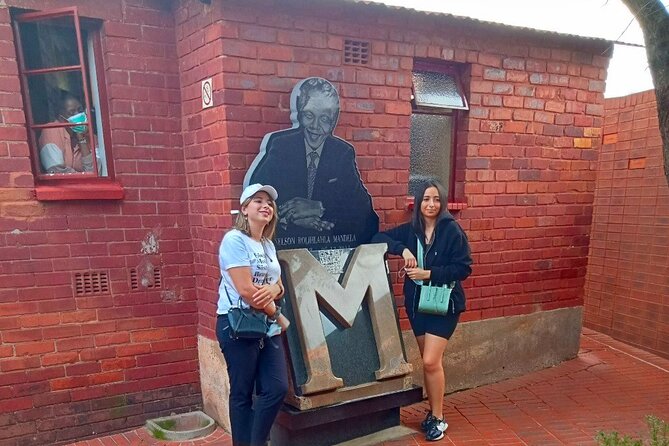
- Major memory points: Mandela House, Tutu’s House, Winnie Mandela House, and Hector Peterson memorial sites.
- Kliptown and Freedom Square: A strong stop for understanding the Freedom Charter and community history.
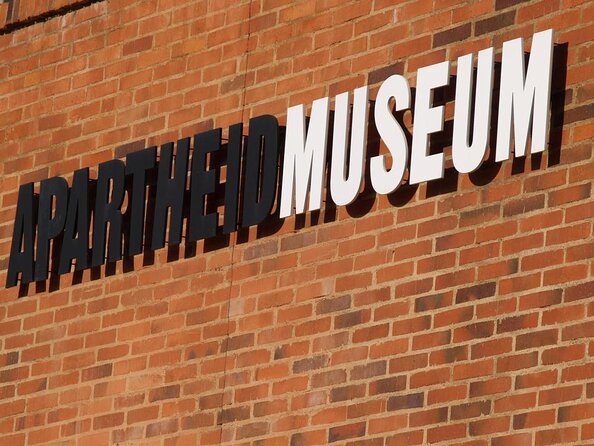
- Apartheid Museum admission included: The afternoon visit is the hard-hitting anchor of the day.
- Air-conditioned vehicle and bottled water: Practical comfort for a 5-hour day.
Why Soweto and the Apartheid Museum hits harder than stand-alone sightseeing
This tour works because it doesn’t treat apartheid like a textbook chapter. You start in Soweto, where the housing, churches, memorial sites, and institutions you pass reflect how the system shaped daily life. Then you move to the Apartheid Museum, where the same themes are organized into clear exhibits and timelines.
That two-stage structure is the key value. The drive and stops help you build mental “map points,” so museum panels and photos land with more meaning. Without that street-level context, people often walk through the museum remembering dates but not the lived pressure behind them.
More Museums in Pretoria
- Johannesburg Full-Day Tour(Soweto/Jo-Burg & Apartheid Museum)
★ 5.0 · 110 reviews - Soweto and Apartheid Museum Guided Tour
★ 5.0 · 38 reviews - Soweto & Apartheid Museum Tour
★ 5.0 · 20 reviews
THETA-registered guidance: what “good guiding” looks like here
The guides on this tour are registered with THETA, the Tourism, Hospitality, Sports, Education, and Training Authority. In plain terms: you are paying for someone trained to guide visitors responsibly, and that matters a lot for sensitive topics.
From the guide styles described, the strongest pattern is how well they handle questions. Names you may hear include Lindela, Pastor, KG, William, Norman, and Pasta, and the common thread is professionalism and courtesy. You’ll want that on a day where you are moving between memorials, family homes connected to national icons, and community landmarks tied to freedom struggles.
What you should do: come with at least a couple of questions. If you’ve been reading about Mandela, Tutu, or Hector Peterson, jot down anything you’re unsure about. The tour experience gets better when you can ask, not just listen.
Morning in Soweto: driving through the township with a lesson in social design
Your morning focuses on Soweto and the township’s layout. The route includes a drive through different sections, described as upper-class, middle-class, and lower-class areas. You are also taken past hostels and key spots tied to schooling, health, faith, and family history.
This is not just “look at the houses” sightseeing. The point is that apartheid didn’t only control laws, it organized space. Seeing those differences from the road helps you grasp how inequality was built into geography and services.
Practical note: you’ll spend plenty of time in the vehicle. That can be a plus in Pretoria heat, but it also means you should pay attention to what the guide points out as you pass. Even small details, like which institutions sit where, can connect directly to museum themes later.
Chris Hani Baragwanath Hospital and the Hector Peterson memorial stops
Among the stops on the route are Chris Hani Baragwanath Hospital and the Hector Peterson memorial sites. These are powerful locations because they connect apartheid-era decisions to human outcomes, especially around youth, health, and the cost of repression.
Hector Peterson’s name is tied to a moment that became a symbol of youth resistance and worldwide attention. A memorial stop isn’t about performing emotion. It’s about understanding how a single event can turn into a lasting reference point for a movement.
For you, the best approach is to go slow here. Give yourself a minute to read, then ask your guide what they want you to notice. Guides tend to point out context that you would otherwise miss, like how these memory sites fit into the broader story of protest and international pressure.
More apartheid-history tours:
- Apartheid History of South Africa (Full day Experience with lunch
★ 4.5 · 24 reviews - Soweto, Apartheid Museum & Constitution Hill Day Tour
★ 5.0 · 12 reviews - Soweto and Apartheid Museum
★ 4.5 · 11 reviews - Johannesburg,Soweto & Apartheid museum tour
★ 5.0 · 10 reviews
Mandela and Tutu-related home landmarks: what to notice without turning it into a photo stop
The route includes visits or passing views connected to Nelson Mandela House and Tutu’s House, plus Winnie Mandela House. These kinds of stops can feel different from monuments, because they sit closer to family history than abstract memorials.
What I find helpful here is shifting your mindset from tourism mode to “interpretation mode.” Instead of chasing the perfect photo, focus on what your guide says about roles, networks, and how public struggle comes from private lives. The tour’s goal is that you leave understanding how leaders and communities were shaped by the system.
You should also expect the day to be emotionally heavy at points. If you know you get overwhelmed, take small breaks when you can. The vehicle, bottled water, and the structured pacing of a guided half day are useful for that.
Kliptown, Freedom Square, and Regina Mundi Church: where community history becomes political history
After the core Mandela and memorial landmarks, you head toward Kliptown informal settlements, then Freedom Square, and Regina Mundi Church.
Kliptown is important because it represents community life under brutal constraints. An informal settlement isn’t just a housing label, it’s a lived reality shaped by policy. Passing through gives you a chance to connect “law” to “street.”
Freedom Square and the Freedom Charter are the political backbone of the story you’re building. The Freedom Charter is a key document linked to South Africa’s struggle for rights and equality, and this stop is where the tour translates that struggle into something concrete. Regina Mundi Church adds another layer, because faith communities often played roles in meeting spaces, moral authority, and community support during difficult times.
A good tip: treat these as meaning stops, not box-check stops. If your guide is willing, ask how the church and community spaces fit into the broader strategy of resistance.
The Apartheid Museum in the afternoon: how it ties your morning together
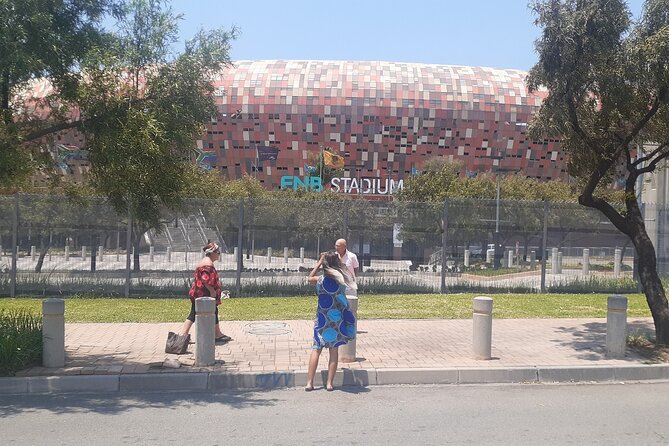
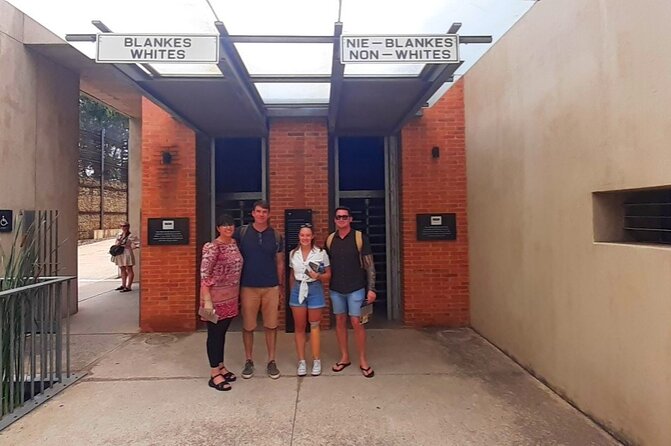
The Apartheid Museum visit is the emotional and educational center of the day. The tour includes admission, and this is where the guide’s street context pays off.
If your morning ride helped you place people and places on a mental map, the museum fills in the why and how. You can expect exhibits that cover the apartheid period, explaining the system’s mechanisms and the resistance that challenged it.
This is also where I’d recommend slowing down. Don’t try to “finish” the museum. Pick a few sections that match what stood out in Soweto, then let the guide’s questions help you choose. The guides’ job here is to connect images and artifacts to the landmarks you’ve already seen.
Based on the day flow, you’ll likely leave feeling like you understand both perspectives: what apartheid did to neighborhoods and what people did in response.
Vehicle comfort and timing: what a 5-hour day feels like in practice
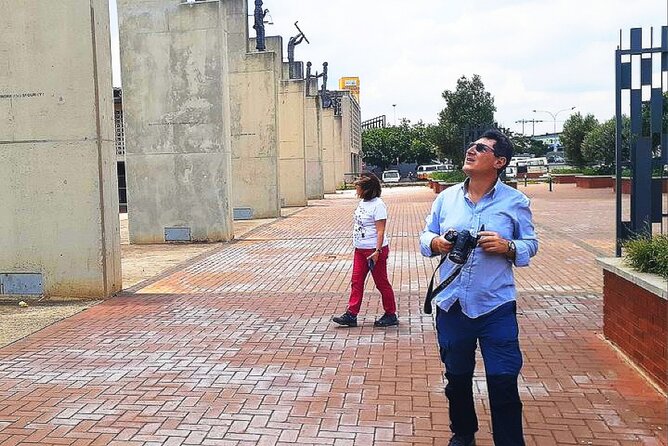
The tour runs about 5 hours. It’s set up with an air-conditioned vehicle and bottled water, plus all fees and taxes are included in the price. Pickup is offered, and the tour also notes group discounts and a mobile ticket.
Because lunch is not included, your energy management matters. You might do fine if you eat before you start, and then plan a meal afterward. If you tend to get hungry quickly, consider bringing a small snack only if the tour allows it, or plan a nearby lunch stop after the museum.
Also note that this is described as private, meaning it’s only your group. That usually makes it easier to ask questions and keep the pace aligned with your interests, instead of being pushed along by a big crowd.
Price and value: is $77.92 a fair deal for Soweto plus museum admission?
At $77.92 per person, the value comes from three things working together.
First, you get both components in one package: a guided Soweto experience with multiple landmark stops and the Apartheid Museum admission. Admission adds up fast in major museums, so bundling it usually helps your budget.
Second, the guide is a major part of the pricing. A day focused on apartheid-era sites needs context, and the THETA-registered guidance is a clear value signal.
Third, the practical inclusions help your comfort: air-conditioned transport, bottled water, and all fees and taxes included. You aren’t nickel-and-diming yourself for basic needs while you’re focused on the learning side of the day.
If you want a simple decision rule: if you plan to visit both Soweto landmarks and the Apartheid Museum anyway, a guided package like this often saves you time and confusion. If you were only planning museum exhibits, then you might not need the full Soweto portion. But if you want meaning, not just information, the pairing is the point.
Who should book this tour, and who might want a different plan
This tour fits best if you want an organized introduction to Soweto and apartheid history with a guide who can handle questions and keep the story connected.
You’ll likely enjoy it if:
- You like guided context more than reading alone
- You want to see major Mandela and Hector Peterson-related sites
- You want the museum to feel connected to what you saw outside
You might choose something else if:
- You dislike emotionally heavy historical content
- You prefer a longer, more self-paced exploration time in the museum
- You need lunch included in the price, not just water and transport
Should you book this Soweto and Apartheid Museum guided tour?
I think this is a solid pick if you want a one-day plan that helps you understand apartheid with both geography and exhibits. The strongest reasons to book are the THETA-registered guidance, the specific landmark route tied to Mandela, Tutu, Hector Peterson, and the Apartheid Museum admission that ties it all together.
If you do book, come prepared for serious subject matter, and plan your meals since lunch is not included. Bring curiosity, ask questions, and treat the stops as meaning points. For many people, that approach is what turns a tour into a real education.
FAQ
How long is the Soweto and Apartheid Museum guided tour?
The tour lasts about 5 hours.
Where is this tour located?
It is in Pretoria, South Africa.
What is the price per person?
The price is $77.92 per person.
Does the tour include pickup?
Yes, pickup is offered.
Is bottled water included?
Yes, bottled water is included.
Is the Apartheid Museum admission included?
Yes, the Apartheid Museum admission ticket is included.
Is lunch included in the price?
No, lunch is not included.
Does the tour use an air-conditioned vehicle?
Yes, the vehicle is air-conditioned.
Is this a private tour?
Yes, it is private, and only your group will participate.
What is the cancellation policy?
You can cancel for free up to 24 hours in advance for a full refund. If you cancel less than 24 hours before the start time, the amount paid is not refunded.
More Soweto tours
- Soweto Half Day Tour
★ 5.0 · 231 reviews - Johannesburg and Soweto tour
★ 5.0 · 231 reviews - Soweto walking tour with a taxi ride
★ 4.5 · 42 reviews - Soweto, Kliptown, Eldorado Park Tour
★ 5.0 · 41 reviews
Newest reviews around Pretoria
- History Bicycle Tour of Soweto★ 4.0 · 7 reviews
- Johannesburg,Soweto and Apartheid Museum full-day tour★ 5.0 · 7 reviews
- Bicycle or Tuk Tuk Soweto Guided Experience★ 5.0 · 7 reviews
- Soweto and Apartheid Museum Tour★ 4.5 · 7 reviews
- Half Day Johannesurg and Soweto Guided Tour★ 5.0 · 7 reviews
- Full Day Johannesburg , Apartheid Museum and Soweto Tour – 8hrs★ 4.5 · 7 reviews
- 3 Day Victoria Falls Tour From Johannesburg★ 5.0 · 7 reviews
- Lesedi Cultural Village Tour★ 5.0 · 7 reviews
Apartheid History Tours, compared.

Soweto /Johannesburg and Apartheid Museum Guided Full Day Tour
Read our review →
Jo’berg in 1 Day: Soweto, Apartheid Museum & City Tour
Read our review →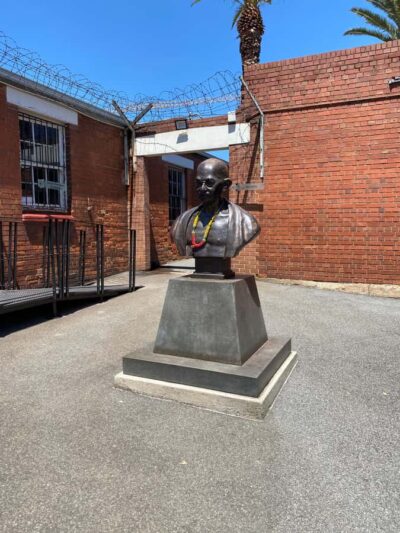
Full-Day Tour with Soweto and Apartheid Museum
Read our review →
Full-Day Soweto, Apartheid Museum and Lunch Tour
Read our review →
Half Guided Day Tour of Soweto And Apartheid Museum
Read our review →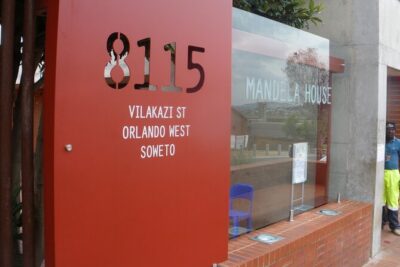
Ultimate Johannesburg Soweto Experience with Apartheid Museum
Read our review →
Hop-On Hop-Off Bus, City Tour and Apartheid Museum
Read our review →
Johannesburg and Soweto Apartheid Full Day Tour w/Lunch
Read our review →Browse the lists this tour appears in