
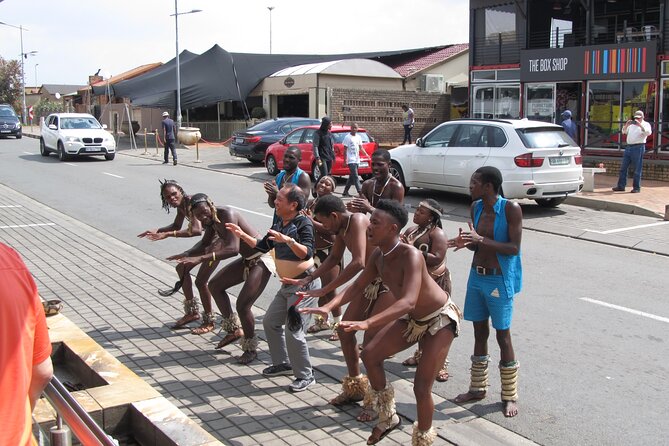
Reviewed · SOWETO TOURS
Johannesburg and Soweto Private Guided Tour with Shebeen Lunch.
Johannesburg and Soweto in one guided day is a strong mix of big city views and deep, personal history. I love the Carlton Centre observation deck for quick 360-degree orientation, and I love that the tour links the names you know to specific places like Mandela House and Desmond Tutu’s former home on Vilakazi Street. One thing to plan for is the emotional weight of the apartheid story, especially at the Apartheid Museum and Hector Pieterson Memorial.
This is also a genuinely practical way to see a lot without guessing your route or juggling timings. Your guide drives you through key districts in a private vehicle, then builds in time for museum viewing and a proper lunch break. If you want extra time at one stop, that’s where a good guide matters.
Small note: the schedule is tight for an 8 to 9 hour day, so keep your expectations realistic about how much walking and how many stops you can absorb comfortably.
Key highlights to notice before you go
- Carlton Centre, 50th floor views that help you understand Johannesburg fast before you head to Soweto
- Apartheid Museum paced for about two hours, with enough depth to still feel powerful after you leave
- Vilakazi Street lunch plus Nobel Peace Prize sites tied to Mandela and Archbishop Desmond Tutu
- Hector Pieterson Memorial focused on the 1976 student uprising and National Youth Day
- Constitution Hill Human Rights Precinct as a living museum, including the Constitutional Court
Entering Johannesburg with context, not just checklists
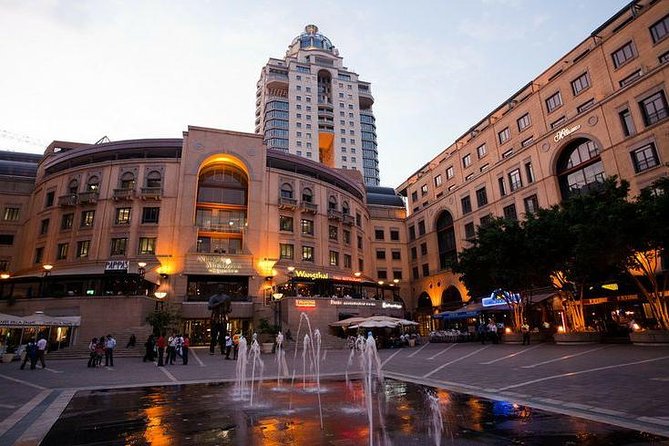
Johannesburg can feel like a place of contradictions, and this tour does a good job of giving you a sense of why. You start with city framing, including neighborhoods and landmarks that help you understand how the city grew and how apartheid shaped daily life. That matters, because without that setup, the history in Soweto can feel like a separate world instead of part of the same story.
I also like the way the tour builds from “what you see” into “what it means.” The observation deck stop is not random sightseeing, it’s your map. After that, the narrative shifts into the struggle, the institutions of repression, and the push toward democracy.
The emotional side is real. The sites you visit are not meant to be light and breezy, and you should expect the tone to be serious. For me, that is a plus, as long as you go in knowing it is a day with heavy themes.
More Soweto tours:
- Soweto Half Day Tour
★ 5.0 · 231 reviews - Johannesburg and Soweto tour
★ 5.0 · 231 reviews - Johannesburg Full-Day Tour(Soweto/Jo-Burg & Apartheid Museum)
★ 5.0 · 110 reviews
Carlton Centre and Gandhi Square, your fast orientation to the city
The tour takes you through Johannesburg’s business district heart before you hit the big viewpoint at the Carlton Centre. Going up to the observation deck on the 50th floor gives you that clean 360-degree overview, so later streets and suburbs stop feeling random. It’s the kind of stop that helps you take the rest of the day in with less mental clutter.
On the way toward the Apartheid Museum, you also pass Gandhi Square and the statue of Gandhi. It’s a small moment, but it helps you remember South Africa’s history is layered, not only apartheid and resistance.
Practical tip: the viewpoint is a quick win, but it still counts as part of your day’s energy. If you’re the type who gets tired easily standing in lines, ask your guide how long the observation stop typically takes before you settle in.
Also, because this is a private tour, you can ask questions on the spot. If you want your guide to slow down and explain what you’re seeing from above, this is where you’re best able to do it.
The Apartheid Museum stop that sets the emotional tone
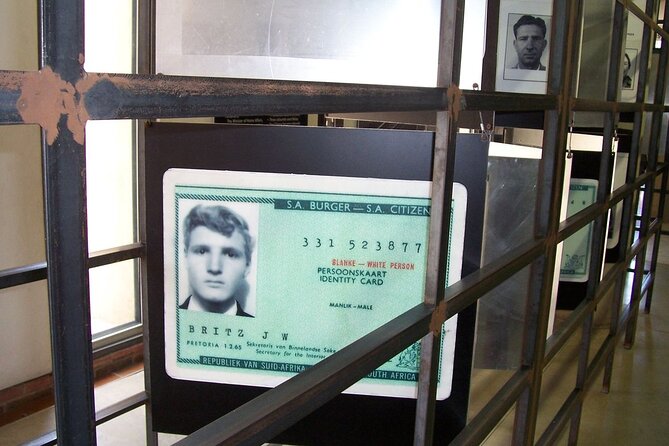
The tour’s centerpiece is the Apartheid Museum, and it’s given about two hours. That’s a workable amount of time because the museum’s exhibits are deep and multimedia based. You will leave with a clearer sense of how apartheid operated, not only the end results, but the mechanisms that shaped laws, work, housing, and everyday movement.
What I like about how this stop is handled is that it’s treated as more than a quick photo stop. The museum tells the story of injustice, then also follows the emergence into a multicultural democracy that still struggles with equality of opportunity. In other words, you get context and you get direction, not just outrage.
Possible drawback: two hours can still feel short if you are the kind of person who reads every panel. If you’re especially detail-driven, you might want to save personal “extra time” for later and accept this as the core overview within a day schedule.
If you have questions about how apartheid changed South African society over decades, this is where your guide can tie it all together. A strong guide makes the difference between just watching screens and actually understanding the timeline.
Soweto and Vilakazi Street, where Mandela and Tutu feel close
Once you head into Soweto, the tour shifts from national-level history into recognizable names and homes. The lunch stop on Vilakazi Street is set up as more than a meal break. You eat on the street that is strongly associated with both Nelson Mandela and Archbishop Desmond Tutu, two Nobel Peace Prize winners.
This is one of the tour’s most valuable parts for me because it connects food, place, and memory. You’re not just driving through Soweto. You’re pausing in the neighborhood’s everyday rhythm. And because the former homes of Mandela and Tutu are located here, your guide can point out what you’re seeing while you’re already there.
The tour description also includes Mandela’s former home as a museum, and it places that in your Soweto walk-through. It’s the kind of sequence that helps your brain connect the dots, especially if you know Mandela’s story but want to visualize what daily life and political reality looked like on the ground.
Practical food note: lunch is included, and alcohol is not included but can be purchased. Minimum drinking age is 18, so plan accordingly if you’re traveling with people under that age.
Put these Pretoria options head to head
- Ultimate Johannesburg Tour
★ 5.0 · 200 reviews - Johannesburg: Pretoria and Cullinan Diamond Mine Tour
★ 4.7 · 165 reviews - Taste of Africa Food tasting Experience
★ 4.5 · 138 reviews - Harties Cableway Experience Ticket
★ 4.5 · 119 reviews
Mandela House, Hector Pieterson Memorial, and key Soweto landmarks
Soweto history is told through specific memorials and places, and the tour hits several. You’ll visit Hector Pieterson Memorial, named for a 12-year-old killed when police fired on demonstrating school children during the 1976 student uprising. The memorial also references the many who died that day, and June 16 is now National Youth Day, observed as a public holiday.
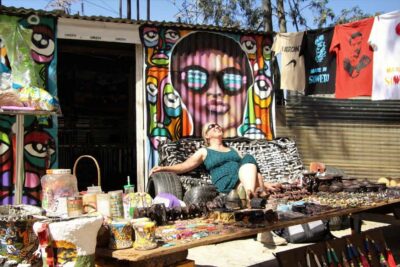
Right near this memorial area, there’s mention of an African crafts market if you want souvenirs. I’d treat that as a “quick browse only” unless you have extra time, because you are on a schedule. If you want something meaningful, ask your guide what’s worth looking at locally, then move on so you don’t lose time you’ll want later at Mandela-related stops.
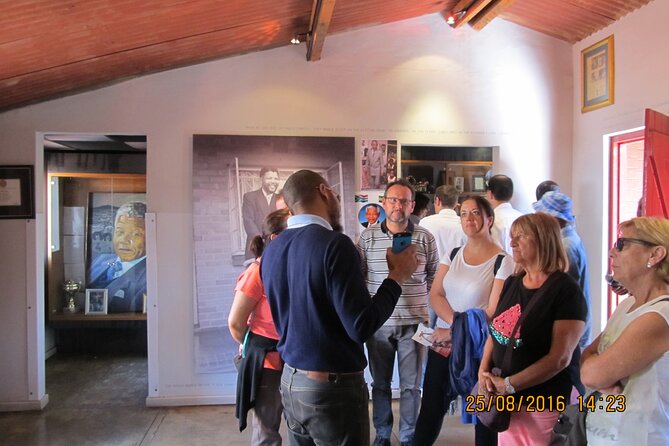
Next up is Mandela House, Nelson Mandela’s Soweto home, now a museum. You’ll also see other important Soweto landmarks mentioned in the plan, including Regina Mundi Church, Freedom Square, and the World Cup Stadium. Even if you only get a shorter look at each, those stops help you see Soweto as a living community with institutions, not only a memorial district.
Here’s how to get the most out of these stops: don’t just read names. Ask your guide how each place fits into the story of resistance and the eventual shift toward democracy. That is where a private format pays off.
Constitution Hill, the prison story turned into courtroom justice
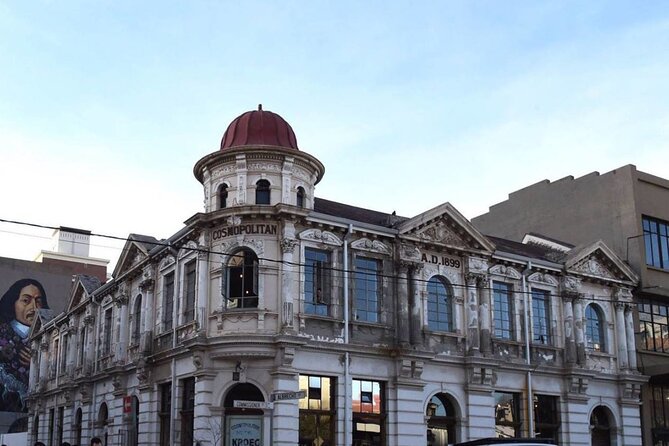
The tour includes Constitution Hill Human Rights Precinct, with about 1.5 hours. This place is framed as a living museum that tells South Africa’s journey to democracy. It’s set in a former prison and military fort, which means the site itself carries the weight. You’re not just learning about the system, you’re learning about it in the same walls where it once operated.
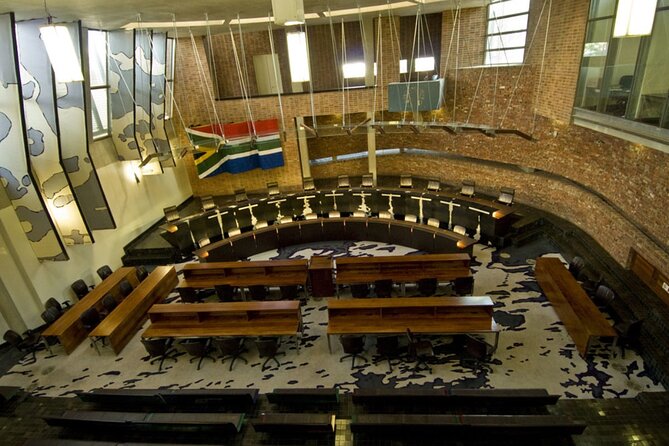
A big reason this stop works well is that it connects history to present rights. The plan includes time to visit the Constitutional Court, which endorses the rights of all citizens. That gives the day a forward-looking sense of meaning, not only a backward-looking one.
Possible drawback: you may feel museum fatigue by this point if you’ve spent long time reading at the Apartheid Museum. If you’re flagging, ask your guide to focus you on the highest-impact sections first, then skim the rest.
Also, if your mind is heavy from the Soweto memorials, give yourself a moment before the court area. It can help to pause, take in the shift in tone, and let the story land rather than rushing through it.
Houghton Estate and the Rand ridge, Johannesburg through wealth and geography
Another stop in the day is Houghton Estate, about 30 minutes, and it comes with geographic storytelling. The tour connects the area to Nelson Mandela’s life in the period just before his death. It also uses Johannesburg’s physical structure, the Witwatersrand ridge, to explain why wealth and development clustered where they did.
The explanation of “rand” as ridge in Afrikaans is the kind of small detail that actually helps you understand the city shape. When you learn that Johannesburg is bisected by a ridge from east to west, the different directions of the city make more sense, and the viewpoint from Carlton Centre fits better into your mental map.
This stop is also a reminder that Johannesburg history is not only about apartheid institutions. It’s about how gold wealth, housing patterns, and political power overlapped. That context makes Soweto stops even more meaningful later, because you start to see how separate zones were created and maintained.
If you’re short on time or want to prioritize the most emotional sites, this is the area where you might feel the least urgency, since it’s shorter and more contextual. Still, it’s useful because it anchors the day in geography, which is what people often remember later when they share photos.
Private vehicle value, timing, and the guide effect
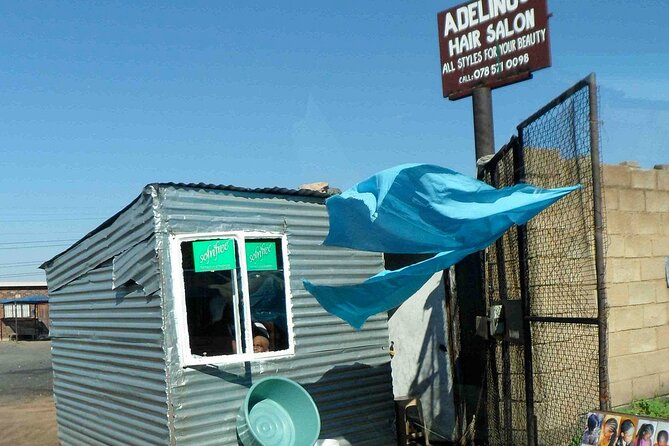
An 8 to 9 hour day is long, but it’s realistic if you’re actually trying to see both Johannesburg’s central landmarks and Soweto sites. The private vehicle matters because you avoid the stress of transfers, unclear directions, and time lost to coordination. You also get bottled water and hotel pickup and drop-off, which keeps the day smoother.
This tour is also explicitly set up as private, so only your group participates. That changes everything for questions and pacing. If you want extra time at a museum exhibit panel or you need a bathroom break between stops, you can ask and adjust without feeling like you’re slowing a large crowd.
On the guide front, one name that shows up as a standout is Mtsimane Mekgwe. In descriptions of his work, he’s praised for being extremely knowledgeable about Johannesburg and for handling travelers revisiting priorities better than they did themselves, while also offering thoughtful suggestions. If your tour lets you request a guide, it’s worth asking whether Mtsimane Mekgwe is available, because that management style can make a big difference on a day with many stops.
One practical consideration: because the schedule is dense, you should bring a calm mindset. You are getting a guided overview across major sites, not a slow study session. If you want more free time for walking, shopping, or extra museum reading, you may need a second trip.
Price and value: is $248.67 per person fair for this day?
At $248.67 per person, this tour sits in the “serious day” category, not the budget range. But value comes from what is included and what would cost extra on your own.
Included in the plan are hotel pickup and drop-off, a professional guide, bottled water, and lunch. Admissions are also included for major stops like the Apartheid Museum, Mandela House, and Constitution Hill Human Rights Precinct. Hector Pieterson Memorial is listed as free, which is great. When you add up guide time plus admissions plus lunch plus transport time, the price starts to look less like an add-on and more like a packaged day.
Where you should judge value for yourself is your tolerance for time and your desire for a guided narrative. If you like history explained clearly and you want the day stitched together logically, this price can feel fair fast. If you prefer independent exploration and you don’t want to sit through museum-style exhibits, you might find better deals by going site-by-site on your own.
Group discounts are mentioned, which can help if you’re traveling with friends or family. A private format also means you are not waiting around for other schedules, so the day stays efficient.
Should you book this Johannesburg and Soweto private tour with shebeen lunch?
Book it if you want one day that actually connects the dots between Johannesburg landmarks and Soweto’s memorial sites, with lunch on Vilakazi Street built into the flow. It’s a strong choice for first-time visitors who want a clear orientation and an honest, guided look at apartheid history through places like the Apartheid Museum, Hector Pieterson Memorial, Mandela House, and Constitution Hill.
Skip it or pair it with something lighter if you know you need a slower pace, or if emotional museums tire you quickly. Also, if you are the type who wants lots of free time to wander, the schedule may feel structured rather than flexible.
If you do book, do one smart thing: come with a couple of questions. Ask how the places connect, and ask what to notice while you’re standing there. In a day like this, a good guide and a curious mindset turn a list of stops into real understanding.
FAQ
How long is the Johannesburg and Soweto private guided tour?
The tour runs about 8 to 9 hours.
Is hotel pickup and drop-off included?
Yes. The experience includes hotel pickup and drop-off.
Is this tour private or shared with other people?
It is private. Only your group participates.
Are admission tickets included for the museums and memorials?
Yes for several stops. The Apartheid Museum and Mandela House have admission tickets included, and Constitution Hill has admission ticket included. Hector Pieterson Memorial is listed as free.
Where is lunch, and is it included?
Lunch is included and is scheduled on Vilakazi Street in Soweto.
Can I buy alcoholic drinks during the tour?
Alcoholic drinks are available to purchase, but they are not included in the tour price.
What is the minimum age for alcohol?
The minimum drinking age is 18 years.
What is the cancellation policy?
You can cancel for a full refund up to 24 hours in advance of the experience start time. If you cancel less than 24 hours before, the amount paid is not refunded.
Newest reviews around Pretoria
- History Bicycle Tour of Soweto★ 4.0 · 7 reviews
- Johannesburg,Soweto and Apartheid Museum full-day tour★ 5.0 · 7 reviews
- Bicycle or Tuk Tuk Soweto Guided Experience★ 5.0 · 7 reviews
- Soweto and Apartheid Museum Tour★ 4.5 · 7 reviews
- Half Day Johannesurg and Soweto Guided Tour★ 5.0 · 7 reviews
- 3 Day Victoria Falls Tour From Johannesburg★ 5.0 · 7 reviews
- Full Day Johannesburg , Apartheid Museum and Soweto Tour – 8hrs★ 4.5 · 7 reviews
- Lesedi Cultural Village Tour★ 5.0 · 7 reviews
Soweto Tours, compared.
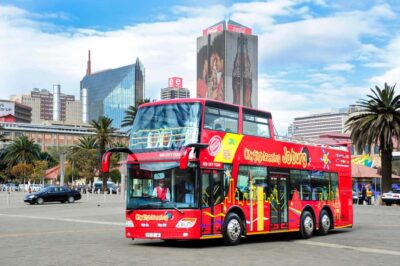

Soweto /Johannesburg and Apartheid Museum Guided Full Day Tour
Read our review →Johannesburg Hop-On Hop-Off City Tour with Soweto Option
Read our review →

Jo’berg in 1 Day: Soweto, Apartheid Museum & City Tour
Read our review →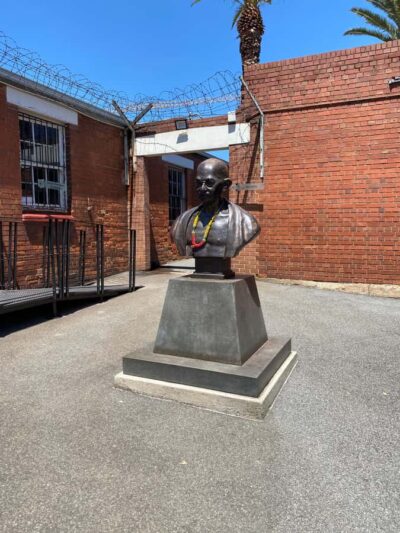
Full-Day Tour with Soweto and Apartheid Museum
Read our review →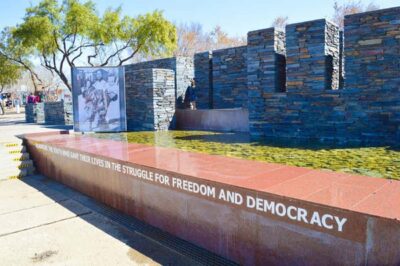
Browse the lists this tour appears in