
Johannesburg and Soweto can feel like two different worlds, so having one organized day that links them together is a smart move. This tour packs major stops into a single 6-hour loop, with pickup and an air-conditioned vehicle so you can spend time looking instead of figuring out transport.
I love two parts here. First, the Constitution Hill Human Rights Precinct visit comes with admission included, so you get real context instead of a quick photo stop. Second, the guides bring a local, personal perspective, with standout storytelling you can feel, especially around Vilakazi Street and the 1976 Soweto Student Uprising.
One possible drawback to plan for: some of the most meaningful sites on the route have entrances not included, including Mandela House and the Hector Pieterson Museum, and lunch is also not part of the price. That means you may want a little extra cash or card ready, and a snack plan.
Key Points That Make This Tour Worth Your Time
- Small-group format (max 15) for a calmer pace and easier questions
- Air-conditioned pickup and bottled water to keep the day comfortable
- Constitution Hill admission included, a strong start with human rights context
- Vilakazi Street on the agenda, including time near Mandela House from outside
- Hector Pieterson Museum and Memorial visit, focused on the 1976 uprising (entrance not included)
- Apartheid Museum option Thursday to Sunday, with admission included on those days
A First Timer Crash Course in Johannesburg and Soweto
If it’s your first time in South Africa’s biggest city, Johannesburg can throw you a curve. The streets, the history, and the neighborhoods can be hard to read from the outside. This tour helps you get your bearings fast by stitching together a set of landmarks that explain the city and the township in one day.
You start with pickup, ride in comfort, and keep moving. That matters because Johannesburg traffic can be unpredictable, and you do not want your schedule wrecked by waiting around for buses or taxis. The route also gives you a solid mix: institutions, stadium-era history, and the places tied to Mandela and the Soweto uprising.
The vibe is also not just sightseeing. With guides such as Thabang, who brings a local Soweto perspective, the day often feels more like walking through ideas, not just taking photos. You get the why behind the where.
More Soweto tours:
- Soweto Half Day Tour
★ 5.0 · 231 reviews - Johannesburg and Soweto tour
★ 5.0 · 231 reviews - Johannesburg Full-Day Tour(Soweto/Jo-Burg & Apartheid Museum)
★ 5.0 · 110 reviews
Price, Timing, and What You Get for About $101
The price is $101.01 per person for a tour listed at about 6 hours. For that kind of time with pickup, an air-conditioned vehicle, and multiple stops, you’re paying for convenience and interpretation, not just transportation.
Here’s the key value point: Constitution Hill admission is included, and the FNB Stadium portion is a free drive-by stop. On Thursday to Sunday, the Apartheid Museum is also included with admission. That combination helps balance out the days when you’ll have extra paid entry costs elsewhere.
What is not included is equally important. Lunch is not included, and entrances for Mandela House and the Hector Pieterson Museum are not included. So even though the tour has a lot covered, you should budget for at least a couple extra fees and plan what you’ll eat.
Morning Momentum: Pickup and the Constitutional Hill Start
Your day begins with pickup from your Johannesburg hotel or accommodation, then you head to the Constitution Hill Human Rights Precinct. This is a former prison site now used as a place to reflect on rights and justice, and it’s where your tour’s history thread really starts.
You’ll have about 1 hour at Constitution Hill, with the admission ticket included. That’s a meaningful chunk. It gives you time to take in the space and connect the story to South Africa’s broader human rights journey, instead of rushing through highlights.
Practical note: since it’s a prison site turned precinct, it can feel heavy. Still, the structure helps. You’re not just being told facts, you’re seeing a place where the past is physically present. Guides often make this easier to process by giving plain context and then letting you walk and absorb.
Braamfontein and Newtown Drive-Through: The City Texture
After Constitution Hill, you’ll drive through areas like Braamfontein and Newtown. This part is mainly narrated while you’re on the move, so it’s less about one big stop and more about building an understanding of daily city life and architecture.
You’re not stuck in line for tickets here. The vehicle ride keeps momentum while the guide connects the dots. If you like cities that have layers, this is a good intermission between the heavy history stop and the township-focused sites later.
The one downside is that you won’t get to wander much on foot in these neighborhoods during the drive-through segment. If you want to stop for street-level photos or peek into specific buildings, you may wish you had more time in this area. But for a single-day overview, it works.
Put these Pretoria options head to head
- Ultimate Johannesburg Tour
★ 5.0 · 200 reviews - Johannesburg: Pretoria and Cullinan Diamond Mine Tour
★ 4.7 · 165 reviews - Taste of Africa Food tasting Experience
★ 4.5 · 138 reviews - Harties Cableway Experience Ticket
★ 4.5 · 119 reviews
FNB Stadium Stop: A Quick Reality Check of Scale
You’ll stop briefly at FNB Stadium, hosted during the 2010 Soccer World Cup. The scheduled time is about 10 minutes, and the stop is free since it’s mainly a drive-through look.
This is not a deep stadium tour, so think of it as a “there it is” moment. Still, it helps anchor the day because it shows how Johannesburg’s global spotlight ties into its local story.
If you’re a soccer fan, you might enjoy this more. If you’re not, don’t worry. The tour’s core payoff is still ahead, especially once you shift toward Vilakazi Street and Soweto.
Vilakazi Street and Mandela House: Where the Stories Become Personal
Then you head toward Vilakazi Street, often described as one of the most important streets connected to both Nelson Mandela and Desmond Tutu. This is where the day starts to feel human scale, not only institutional scale.
The tour plan includes time to be in the neighborhood and shop. You also get an overview of Mandela House from outside, with about 30 minutes allocated here. Entrance to Mandela House is not included, but you’ll have time to enter at your own cost if you want.
This is a great stop for two reasons. One, it’s practical. You’re not forced to commit to an extra entry fee if you’d rather use that money for the sites that matter most to you. Two, it sets up the next stop. When you learn about the Soweto uprising, Mandela’s broader role and the township context land more clearly.
If you hate walking in the sun, this is one reason to wear comfortable shoes and plan for shade where you can find it. Vilakazi Street is more about being there than doing a long museum circuit.
Hector Pieterson Museum and Memorial: The 1976 Uprising in Focus
Next is the Hector Pieterson Museum and Memorial, with about 30 minutes scheduled. Like Mandela House, the admission ticket is not included, so you’ll decide on the spot whether you want to pay and go in deeper.
This stop matters because it centers the 1976 Soweto Student Uprising, and it gives you an overview of the events and their impact. Even with limited time, the Memorial component does a lot. It helps you understand that Soweto is not only a place people visit, it’s a place that holds memory in a very direct way.
A practical tip: if you’re short on energy, prioritize whatever portion feels most essential to you. The guide can point you toward what to focus on first so you don’t spend your limited time spinning your wheels.
Also, expect emotions. This isn’t a casual museum stop, even when the tour pace is controlled and timed. Going with a guide who can explain context in plain language can make the whole experience more manageable.
Apartheid Museum on Thursday to Sunday: Worth It If It’s Running
On Thursday to Sunday, you may have an optional stop at the Apartheid Museum, with admission included and about 2 hours scheduled. On Monday and Tuesday, the museum is closed, and the plan shifts, with the focus staying on Hector Pieterson rather than adding the Apartheid Museum.
This is the “choose your depth” part of the itinerary. The Apartheid Museum is a major, broad institution, and it tends to help you connect the dots from policy to daily life, then back again to the specific uprising story you just heard at Hector Pieterson.
If you have limited time and you strongly want the most direct uprising connection, you might feel happy keeping the day focused on the Soweto story. If you want the big-picture political framework that explains how apartheid worked as a system, the Apartheid Museum is a strong add when it’s available.
How Small-Group Comfort Makes Johannesburg Feel Easier
A standout feature is the maximum of 15 travelers. That’s a sweet spot for this kind of day because it keeps the group from turning into a moving crowd. You can ask questions, and the guide can slow down when something needs clarification.
You also get bottled water and an air-conditioned vehicle. In Johannesburg, where heat can bite and schedules can be tight, those details matter more than you’d think. You’re not trying to tolerate long stretches without comfort.
Safety and pace show up in the same way. Guides discussed in the tour’s feedback often highlight punctual pickup and careful driving. That combination helps you feel calmer as the route moves from one major site to the next.
One more practical note: the tour is described as having pickup near public transportation, which can be helpful if you’re staying somewhere central. But your day still runs on the tour schedule, so you’ll want to be ready at pickup time rather than trying to “just pop out” for one extra errand.
What to Bring and How to Plan Your Day
Because lunch is not included, I suggest you either eat before pickup or plan a simple meal plan afterward. You might find you’re hungry after moving through several strong, emotionally weighted sites.
Bring a water bottle plan too. Bottled water is included on the tour, but carrying your own helps if you do extra shopping on Vilakazi Street or decide to add an entry fee at Mandela House.
Wear comfortable shoes. The day includes multiple short stops, and even when time is “just” 30 minutes, you’ll still be standing, walking, and moving between viewpoints and entrances.
If you’re budgeting, expect these potential extra costs:
- Mandela House entrance not included
- Hector Pieterson Museum entrance not included
- Apartheid Museum entrance included only Thursday to Sunday
Finally, accept that this is a good weather day. If conditions are rough, tours may adjust, so keep some flexibility with your Johannesburg schedule.
Who This Tour Fits Best (And Who Might Want Something Else)
This is a strong fit for:
- First-time visitors who want an organized overview without the stress of transit
- People who want history with clear context, not just “look at that”
- Travelers who like a local perspective, the kind guides such as Thabang are known for
It may be less ideal if you:
- Want lots of free time at fewer locations, since this is a multi-stop day
- Are hoping for a fully inclusive museum experience where every ticket is covered, since some are not included
- Don’t handle emotionally intense sites well, since Constitution Hill and Hector Pieterson can be heavy
If you’re also planning other South Africa stops, this tour is a good grounding day for Johannesburg and Soweto. It gives you a framework you can carry into whatever region comes next.
Should You Book the Johannesburg and Soweto Tour?
I’d book this if you want the fastest path to understanding Johannesburg’s core stories, especially the connections between Constitution Hill, Vilakazi Street, and the 1976 uprising. The small group, pickup, and the mix of included admissions make it good value for a limited-time day.
I’d pause if you strongly prefer museums with no extra entry fees, since Mandela House and Hector Pieterson have ticket costs not included, and lunch is also on you. If that matters, you can still make it work, but you’ll want to plan ahead.
Bottom line: for a first-timer who wants a day that feels both organized and human, this tour hits the right balance. If your dates include Thursday to Sunday, it gets even better with the Apartheid Museum option.
Newest reviews around Pretoria
- History Bicycle Tour of Soweto★ 4.0 · 7 reviews
- Johannesburg,Soweto and Apartheid Museum full-day tour★ 5.0 · 7 reviews
- Bicycle or Tuk Tuk Soweto Guided Experience★ 5.0 · 7 reviews
- Soweto and Apartheid Museum Tour★ 4.5 · 7 reviews
- Half Day Johannesurg and Soweto Guided Tour★ 5.0 · 7 reviews
- 3 Day Victoria Falls Tour From Johannesburg★ 5.0 · 7 reviews
- Full Day Johannesburg , Apartheid Museum and Soweto Tour – 8hrs★ 4.5 · 7 reviews
- Lesedi Cultural Village Tour★ 5.0 · 7 reviews
Soweto Tours, compared.
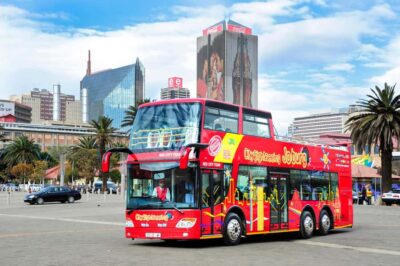

Soweto /Johannesburg and Apartheid Museum Guided Full Day Tour
Read our review →Johannesburg Hop-On Hop-Off City Tour with Soweto Option
Read our review →

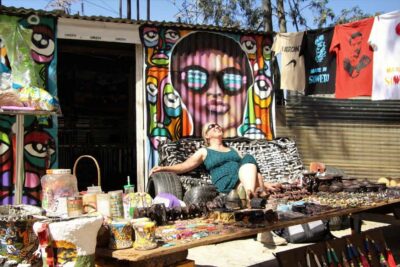
Jo’berg in 1 Day: Soweto, Apartheid Museum & City Tour
Read our review →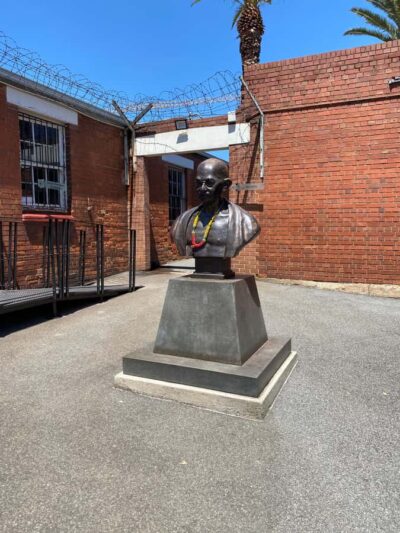
Full-Day Tour with Soweto and Apartheid Museum
Read our review →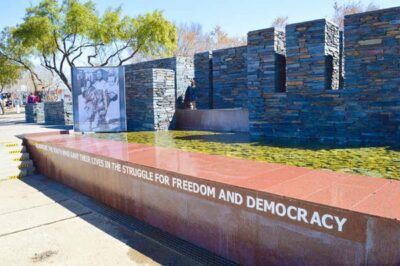
Browse the lists this tour appears in