
Reviewed · LESEDI CULTURAL VILLAGE
Lesedi Cultural Village Half-Day Tour
Lesedi Cultural Village is interesting because it turns South Africa’s tribal stories into something you can see and hear in a few hours, not just read about. I like the way the day mixes live culture, guided explanations, and a real sense of place. I also like the small group size, since it makes the tour feel more personal and less rushed. One thing to consider: it’s only a half-day, so you’ll get broad exposure rather than deep, slow detail.
You’ll be picked up in Johannesburg and driven out past leafy suburbs into a more relaxed rural feel before the atmosphere shifts into a traditional village setup. The format gives you a tight timeline that works well if you want culture without giving up a whole day. The trade-off is simple, you’ll be on the move for most of the experience.
Key things that make this tour worth your time
- Small group size (up to 15), so the guide can keep it interactive
- Zulu dance included, plus explanations of cultural symbols and traditions
- Multiple tribes in one visit, with time split so you get maximum exposure
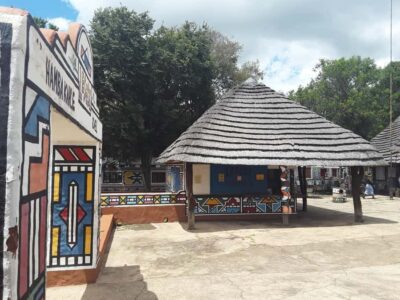
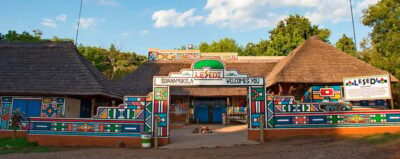
- Homesteads you can actually look at, designed in historical styles
- A dowry lesson that includes cattle, explained as part of marriage customs
- Traditional cuisine served before you head back to Johannesburg
Why a half-day at Lesedi Cultural Village makes sense
Lesedi Cultural Village is a smart option when you want cultural context without building a full itinerary around it. This tour is built like a sprint with good pacing: you’re not just dropped at a site and left to wander. You ride out from Johannesburg, get guided structure, see homesteads, watch a performance, and eat, all in about five hours.
What I like about that is how it respects your time. You start in the city, but you end in the city again, with a clear plan and no long waiting around. If you’re traveling with limited days in Johannesburg, this kind of half-day format can be a lifesaver.
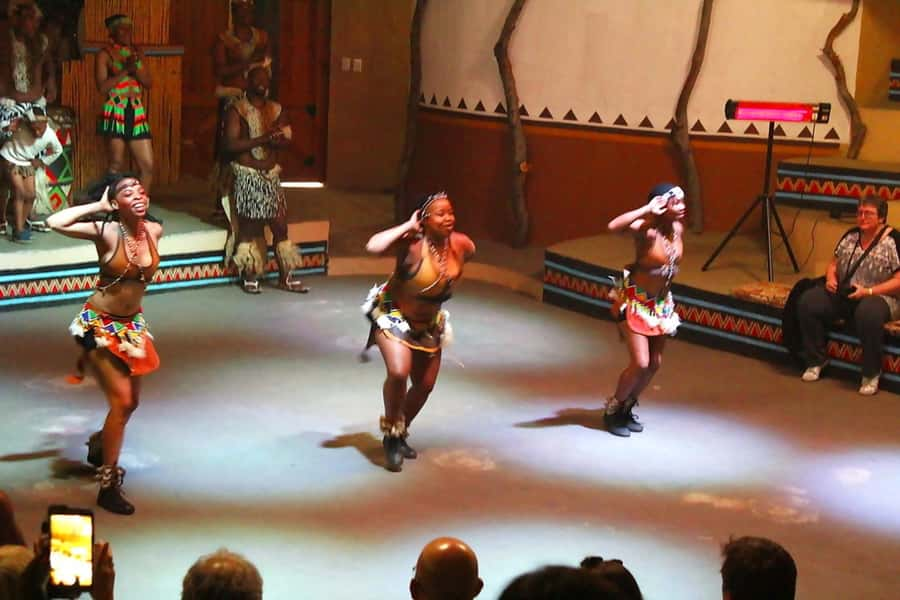
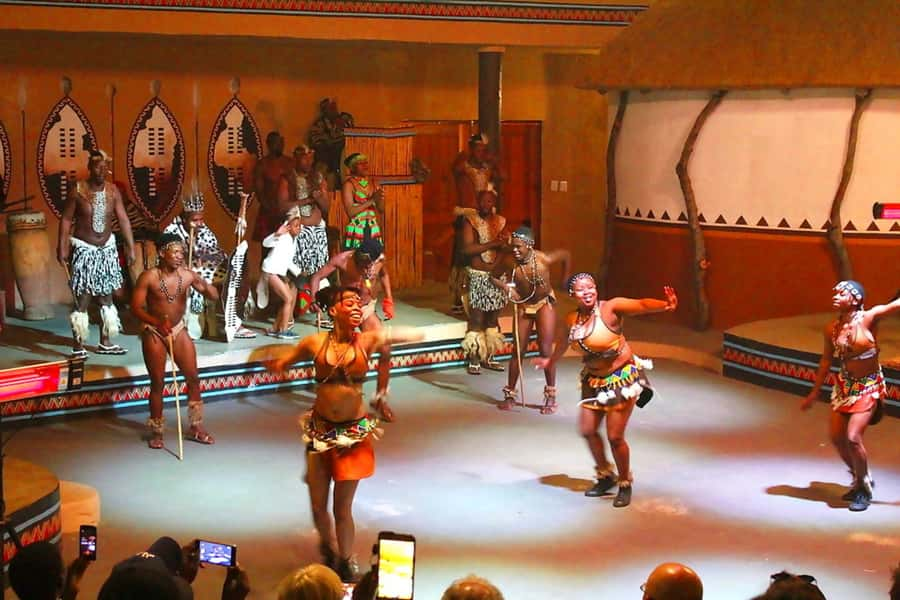
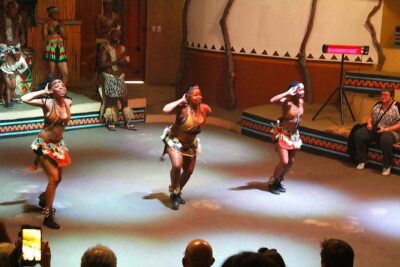
The other big win is the mix of learning and doing. You’re not only listening. You’ll experience a traditional Zulu dance, and the rest of the tour is designed to connect what you see in the homesteads with the traditions being described.
More Lesedi visits:
- Lesedi Cultural Village and Cradle of Humankind Tour
★ 5.0 · 48 reviews - Lesedi Cultural Village Tour
★ 5.0 · 46 reviews - Lesedi Cultural Village
★ 5.0 · 45 reviews
Pickup and the drive north from Johannesburg
The day begins with hotel pickup in Johannesburg. You’re asked to wait in the lobby about five minutes before the scheduled pickup time, which is one of those small details that keeps everything smooth. Then you head out on a bus or coach for roughly 80 minutes.
During the ride, the route takes you through Johannesburg’s leafy suburbs north. As you go, the scenery shifts from city streets to countryside and a more relaxed rural environment. This is more than filler time. It sets the mood so the village experience feels like a real change of world, not just a location change on a map.
Practical tip: comfortable shoes matter here too. Even though the drive is long, you’ll still be getting on and off transport, and the village portion involves walking between areas.
Entering Lesedi Cultural Village: guided time in a real traditional setup
Once you arrive at Lesedi Cultural Village, the atmosphere changes quickly into a more traditional setup. The guided part is about 2.5 hours, and it’s the core of the tour. You’re organized into groups, which is a key feature. Instead of everyone racing past everything, groups help you get maximum exposure to the different cultures represented on the site.
This group system also makes the explanations easier to follow. You don’t have to hold everything in your head at once, because you can focus on the specific tribe or tradition your group is learning about at that moment. If you’re the type who likes to ask questions, a small group format usually makes it easier to do so.
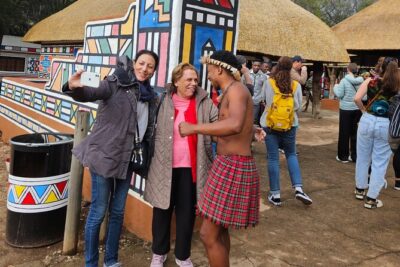
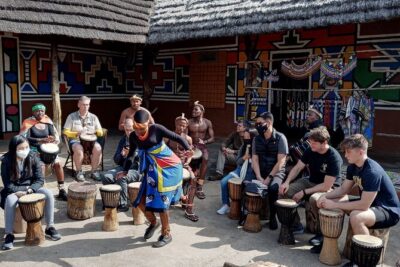
What you’ll see: homesteads in historical designs. This matters because it gives your brain a visual anchor. When a guide talks about daily life, family roles, ceremonies, or symbolic objects, you can point your attention to something tangible in front of you.
Zulu dance and the performance piece that teaches fast
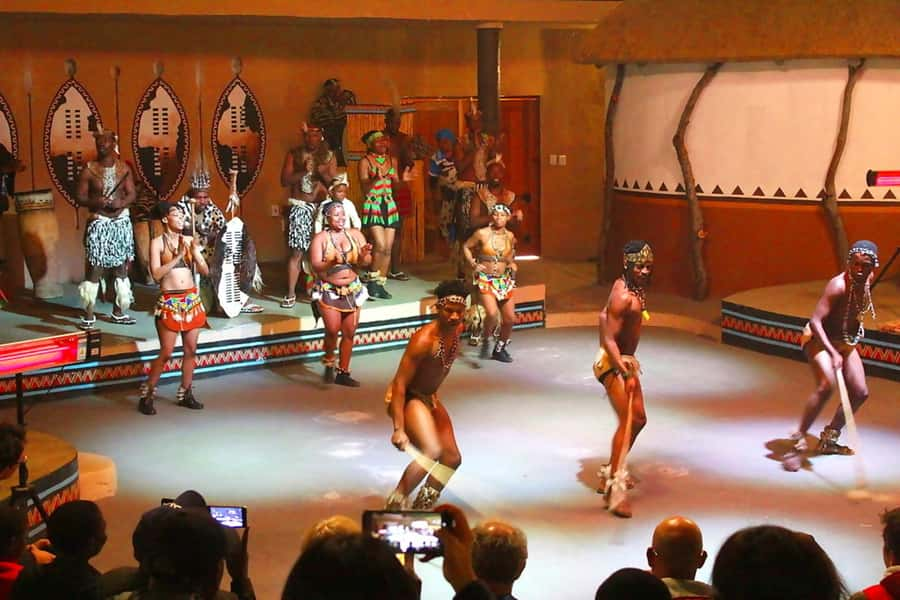
One of the highlights is the traditional Zulu dance. Even if you’re not the biggest dance person, performance is one of the fastest ways to understand rhythm, community, and expression. Watching it live helps the rest of the explanations stick.
The tour also includes explanations tied to Zulu traditions, including a discussion of why they like fighting sticks. That detail is not random. It connects physical culture and symbolism to how communities form identity through tradition.
How to enjoy this part: don’t treat it like background entertainment. It’s part of the guided learning. If the guide offers context, listen closely, because later parts of the tour build on the idea that traditions have meaning behind them, not just costumes for show.
Put these Johannesburg options head to head
- Half-Day Tour of Soweto Tour
★ 4.5 · 712 reviews - Johannesburg and Soweto: Half-Day Tour
★ 4.8 · 439 reviews - From Johannesburg: Lion & Safari Park Half-Day Tour
★ 4.6 · 384 reviews - Johannesburg: Soweto Half-Day Tour
★ 4.7 · 196 reviews
Xhosa blankets, Pedi drums and whistles: noticing the details
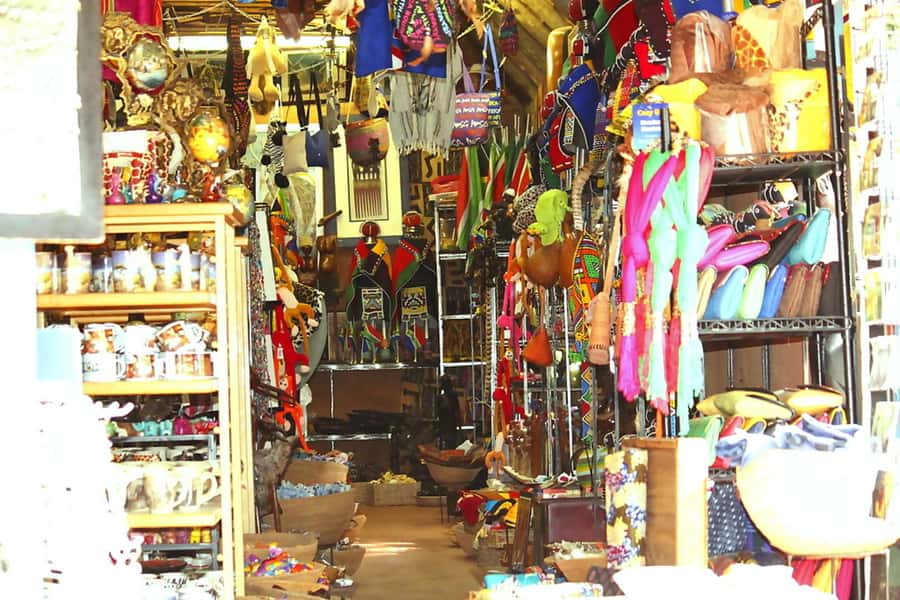
The tour doesn’t focus on just one culture. You’ll also learn about the Xhosa and the Pedi, among others. The descriptions include the Xhosa’s trademarks blankets and the Pedi drums and whistles. These aren’t presented as abstract facts. You’ll connect them to what you’re seeing during the homestead visits and guided stops.
Here’s why that matters for you: when you hear about cultural identity through specific items, you start noticing details the moment you arrive. Blankets become more than fabric. Drums and whistles become more than instruments. They’re tied to community life, communication, and tradition.
If you like photography, you’ll have opportunities, but remember: you’re there to learn, too. Keep your phone ready, then put it away when the guide is talking. A good way to get the best of both worlds is to shoot quick, then listen for the meaning behind what you’re seeing.
The dowry in cows: a memorable cultural lesson
One of the most distinctive parts of the tour is the explanation of how much dowry each tribe asks for, and the fact that this dowry is paid in cows. It’s the kind of detail that tends to stay with you because it’s practical and specific, and it shows how marriage customs connect to resources, family ties, and responsibility.
Now, a balanced note: this is an overview meant to fit into a half-day format. You’ll likely get the core idea and examples rather than a deep academic discussion. Still, even a quick, guided explanation can shift how you think about tradition, because it connects beliefs to real-life life logistics.
If this topic interests you, go in ready to think critically and ask questions. A good guide can help you understand how to interpret customs respectfully and without turning them into stereotypes.
Traditional cuisine before you head back
After the cultural touring, you’ll experience the taste of a traditional local cuisine. Food is a natural wrap-up for a tour like this because it brings the stories into a shared human experience: you eat, you talk, you reset.
One practical thing: the tour includes bottled water. Alcoholic drinks are not included, so plan on staying with water or non-alcoholic options unless your budget includes buying drinks separately.
If you have dietary restrictions, this is the area where you’ll want to be clear before you go. The provided info doesn’t list specific menu details, so it’s smart to check with the provider when you confirm your booking.
Timing and logistics: what the 5 hours really mean
The tour duration is listed as 5 hours total, with about 80 minutes each way on the coach and roughly 2.5 hours at Lesedi Cultural Village. That structure is pretty efficient.
What it means in real life:
- You get a full cultural visit without losing the whole day.
- You won’t have much time for side trips or extra stops.
- The ride is part of the experience, since it transitions you from city to countryside.
If you’re hoping to slow travel, this may feel too structured. If you want a guided hit of culture and you value convenience, it’s a strong match.
Small group of 15: why it changes your experience
This tour limits participation to a small group, capped at 15 people. That’s a big deal for tours like this. With fewer people, it’s easier for the guide to manage the flow between homesteads and explanations, and you’re less likely to feel like one more body in a crowd.
It also tends to improve the quality of your attention. You can hear better, follow the sequence of traditions, and notice details in the setups. If you’re traveling solo, the small group format can also make the day feel friendlier without turning it into a long private tour.
Price and value: is $183 per person fair?
At $183 per person, this is not a bargain-basement activity. But it also isn’t overpriced for what you get if you value convenience and guidance.
Here’s the value math that matters:
- Hotel pickup and drop-off in Johannesburg
- Entrance fees included
- A live English tour guide
- English audio guide included
- Bottled water included
- A guided, structured 2.5 hours on site with multiple tribal traditions
- Traditional cuisine experience included
- Small group size (up to 15), which usually means better attention
When you total those elements, you’re paying not just for the entry ticket, but for transportation, time management, interpretation, and on-site guidance. That’s often where tours earn their keep, especially when you want context without doing the planning yourself.
Possible consideration on value: if you want a very deep, slow study of one single culture, a half-day overview may not feel like enough time. But for broad exposure and a memorable, structured first look, the price starts to make sense.
Who should book this tour from Johannesburg
This is a great fit if you:
- Have limited time in Johannesburg and want a guided culture outing
- Like learning through live performance and hands-on observation
- Prefer small group tours over large bus crowds
- Want a clear plan with pickup, transport, and entry handled for you
- Enjoy food as part of the travel story
It’s less ideal if you:
- Want long unbroken time at one tribe or one topic
- Get impatient with a schedule that includes a lot of movement in a short window
Should you book the Lesedi Cultural Village half-day tour?
If you want a well-paced, guided introduction to several South African cultures in one morning or afternoon block, I’d book this. The combination of Zulu dance, visible homesteads in historical designs, and cultural explanations like the dowry in cows makes it more than a quick photo stop. The small group limit helps the experience feel more connected.
Just go in with the right expectations: it’s an overview that fits a half-day timeline. If you treat it as a first chapter, you’ll come away with real context and a story you can build on later.
FAQ
Where is pickup for this tour?
Pickup is included from your hotel or accommodation in Johannesburg. You should wait in the lobby about 5 minutes before the scheduled pickup time.
How long is the Lesedi Cultural Village half-day tour?
The total duration is 5 hours. It includes bus or coach travel of about 80 minutes each way, plus about 2.5 hours at Lesedi Cultural Village.
Is the tour guided and in English?
Yes. The tour includes a live tour guide in English, and an English audio guide is also included.
How big is the group?
This is a small group tour limited to 15 participants.
What is included in the price?
Entrance fees, a tour guide, hotel pickup and drop-off, bottled water, and an English audio guide are included.
Are alcoholic drinks included?
No. Alcoholic drinks are not included.
What should I bring?
Bring comfortable shoes and sunglasses.
Do I need to reconfirm the pickup time?
Yes. You should reconfirm the pick-up time with the service provider one day prior.
Is there free cancellation?
Yes. You can cancel up to 24 hours in advance for a full refund.
Newest reviews around Johannesburg
- Johannesburg: 3-Day Panorama Tour with Kruger Park Safari★ 5.0 · 7 reviews
- Drakensberg Mountains. Tugela Gorge and Amphitheater Hike★ 5.0 · 7 reviews
- 5-Day Kruger National Park Safari including Breakfast and Dinner★ 4.5 · 7 reviews
- Aerial cableway Hartebeespoort Halfday tour★ 4.5 · 7 reviews
- Soweto Township Tour★ 5.0 · 7 reviews
- Private Safari Tour: Pilansberg National Park Big 5★ 5.0 · 7 reviews
- Historical and Cultural Interactive Experience of Soweto★ 5.0 · 7 reviews
- Soweto Tour★ 5.0 · 7 reviews
Lesedi Cultural Village, compared.
Lesedi Cultural Village and Cradle of Humankind Tour
Read our review →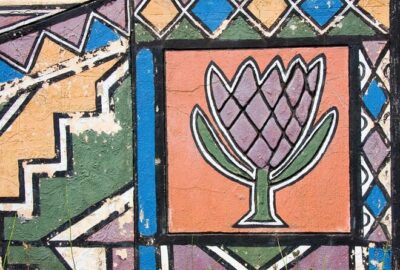
Lesedi Cultural Village & cradle of Humankind Guided Tour
Read our review →

Cradle of Human Kind Tour and Lesedi Cultural Village Day Tour
Read our review →Browse the lists this tour appears in