
Reviewed · WILDLIFE
Jukani Wildlife Sanctuary Admission with Guided Tour
Jukani Wildlife Sanctuary is interesting because you get close-up views of big cats, not in a typical zoo cage setting, but in enclosures shaped around the animals’ needs. I love the small-group guided walk with time to ask questions, and I also like that the experience includes entrance fees so you do not waste vacation time at the desk. One drawback to plan for: on very hot days, cats often rest and you may see fewer active moments than you hoped.
The whole visit runs about 90 minutes, and it is offered multiple times during the day. You will walk the property with a guide who explains behavior and conservation context, which helps you understand what you are seeing instead of just pointing at fur and stripes.
If you are the type who likes to optimize timing, this is a smart stop. Go with realistic expectations, though. You are not doing a full-day safari, and visibility can change depending on weather, shade, and the animals’ daily rhythm.
Key things I’d zero in on before you go
- Max 16 people per tour means you can hear the guide and actually ask questions.
- Entrance included so you skip the ticket-buying line and get moving.
- A 90-minute walking safari style route, with lots of enclosure time.
- You can see a mix of big cats plus other South African wildlife like zebra, springbok, and spotted hyena.
- Expect a weather-flexible visit, so dress for sun or rain.
- The guides bring animal behavior and conservation context to the walk, not just names.
Entering Jukani for a guided walking safari you can actually hear
Your tour starts at Jukani Wildlife Sanctuary on the N2 in The Crags area. You’ll check in at reception, and you will be asked to sign an indemnity form before you begin. Then you are off on a walking safari route with a professional local guide, designed around getting you close to the animals while still keeping the day calm and manageable.
The group size is capped at 16 travelers or fewer. In practice, that matters because you can hear the guide through the whole walk, and you are not stuck in a loud stampede trying to see over everyone’s heads.
Tours run in English, and Afrikaans tours can be arranged if needed. The sanctuary operates in all weather conditions, so the experience does not pause just because clouds show up. Dress accordingly, and plan for a walk that is active enough to keep you moving at a steady pace.
Put these Plettenberg Bay options head to head
- Plettenberg Bay: Private Guided Wildlife Photography Tour
★ 4.9 · 49 reviews - Guided Wildlife Tour and Forest Walk with Lunch Platter
★ 4.6 · 40 reviews - Cape Town: Marine Wildlife Tour from the V&A Waterfront
★ 4.6 · 1,118 reviews
The 90-minute walkthrough: which animals you can expect to spot
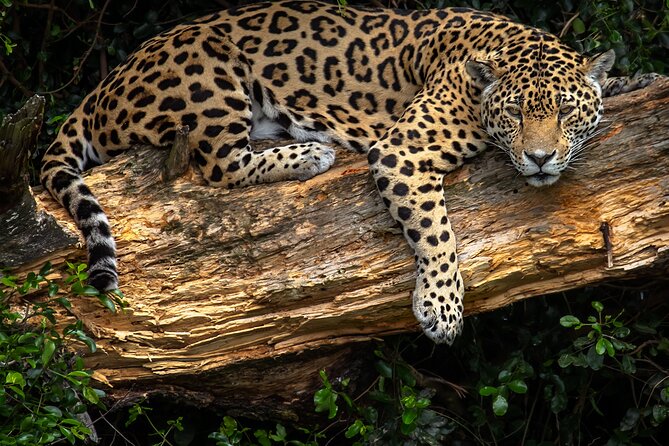
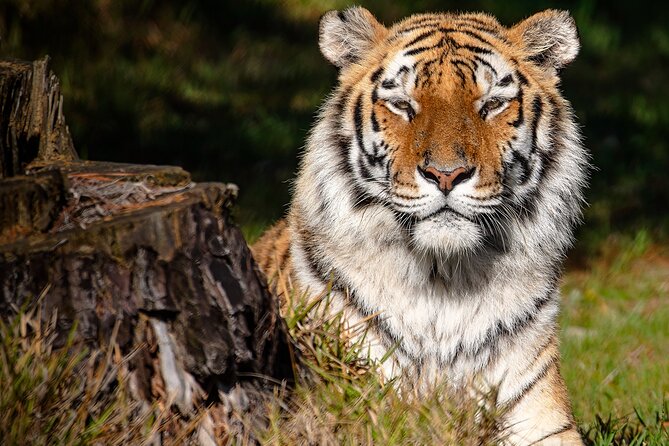
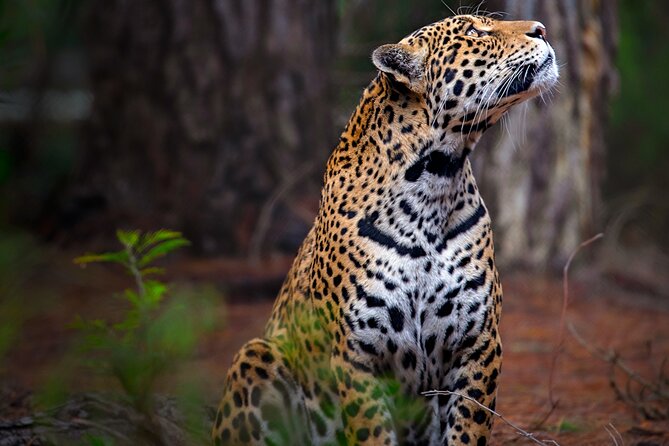
The main stop is the sanctuary itself, where your guided route focuses on predators and apex cats. The headline animals include lions, tigers, leopards, and jaguars, with plenty of time to observe them in their enclosures and get photos from viewing points.
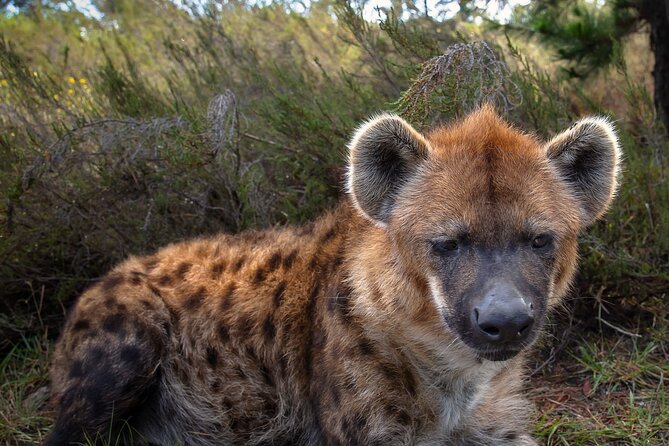
You will also have chances to see other species such as cheetah, pumas, caracal, zebra, springbok, and spotted hyena. Smaller or less obvious animals can also come up during the walk, including raccoons and honey badger.
A useful way to think about this: the guide is not just pointing out an animal every few minutes. The route is structured so you can learn what to look for. Is the cat watching but staying still? Is it moving because of scent or temperature? Even when the animals are quiet, the guide helps you read the behavior instead of feeling like you paid for a camera roll of naps.
One practical note from real-world pacing: if you arrive early, you might wait for the group to be ready. That can be frustrating when you are excited, but it is usually tied to the next tour start time and getting everyone in sync.
Rescue-first context: why the enclosures feel different from standard zoo visits
Jukani is a sanctuary, which means many of the animals are there because they were rescued or rehomed from places that could no longer care for them. At Jukani, the goal is to give each animal access to a larger natural habitat, built around individual needs.
What I appreciate here is that the walk includes conservation context. You are not just looking at wildlife as a spectacle. You learn why these animals are living in human care, what conservation status means for the wild counterparts, and why sanctuaries exist in the first place.
There is also a clear reality check to the story. Some cats come from histories of humanization or physical abuse, and that can affect how they behave. It is not presented as a sad gimmick, but you do leave with a stronger sense of the responsibility that comes with keeping animals safe long term.
For many people, that is the emotional core of the visit. You get to see magnificent cats up close, then you also get the reason behind the fences and caretaking.
Big cats up close, shade and viewing decks for real photos
The standout experience here is seeing big cats at close range, often from designed viewing decks. That matters for photography. If you have ever tried to shoot through random barriers in a zoo, you know how quickly your photos turn into blurry fence lines.
At Jukani, the viewing setup is designed to help you get usable angles. Some enclosures are best photographed from specific spots, and you may find that fence placement changes throughout the route. If you shoot with a camera that needs manual focus, you’ll probably want that skill for crisp shots around barriers.
Heat changes everything. On hot days, cats often rest in shade, and you may need patience to catch brief periods of movement. One simple tip I’d follow: bring an umbrella if the forecast looks sunny. It is a small thing, but it keeps you comfortable while you wait for the cat to decide it is time to be seen.
If you love photos, late-day light can also be kinder. The guide can point out where the best viewing tends to be, so you do not waste time walking past the spot you should have lingered at.
Something different for the Plettenberg Bay list:
- Plettenberg Bay: Swim with Seals
★ 4.7 · 887 reviews - Knysna Ziplines Tour
★ 5.0 · 688 reviews - Standard Canyoning Trip in The Crags, South Africa
★ 5.0 · 381 reviews - Plettenberg Bay: Whale Watching Boat Cruise
★ 4.4 · 362 reviews
Getting real value from the guide, from Xola to Elvis to Riko
The guide is not an add-on here. The professional local guide shapes the entire visit through commentary on biology, behavior, and conservation status. That is what turns the walk from a quick animal tour into an experience where you understand what you are seeing and why it matters.
Guides you might meet include Xola, Elvis, and Riko. Each brings energy and a clear way of communicating animal behavior, from where to focus your attention to what a specific posture might mean. In a small group, you can also ask follow-up questions without the guide rushing you along.
This is especially helpful for kids. Several families noted that children stayed engaged through the full 90 minutes because the guide kept explanations clear and matched to what was visible in the enclosures.
Even if you are traveling solo, I recommend thinking of the guide as your translator. The cats do not perform on cue, so your enjoyment rises when you learn to read their signals.
Timing your visit: why late afternoon can mean more cat activity
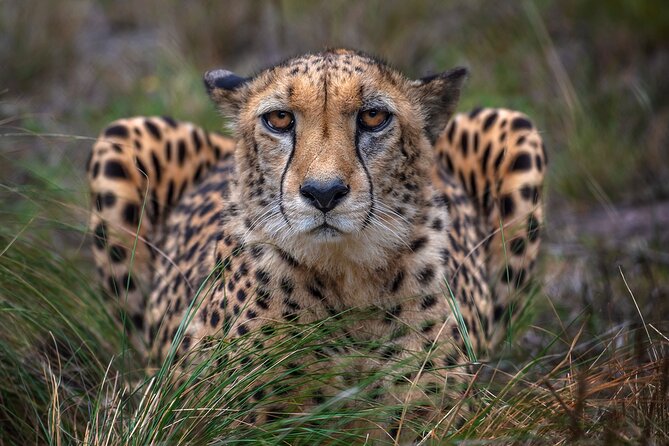
If you want the best odds for seeing cats active, time matters. I’d aim for an afternoon slot rather than the hottest part of the day. The sanctuary experience is still worth it in the morning, but as temperatures rise, animals often move into huts or shade to conserve energy.
Late afternoon is a strong bet. Some schedules are set around feeding times, which can bring cats into view more often during your walk. If you are flexible, plan your visit so you are there close to that late-day window, rather than arriving right when the sun is strongest.
Also keep your expectations realistic if you go during heat. You might still see many animals, but you may notice more resting than roaming. That is not a problem with the sanctuary. It is the animals following their own body clock.
A little strategy goes a long way:
- Wear sun or weather gear you can handle for 90 minutes.
- Bring shade support like an umbrella if it looks hot.
- Know that a quiet cat is still a cat you can learn from, especially with the guide’s explanations.
What you pay, what you get, and how good the value feels
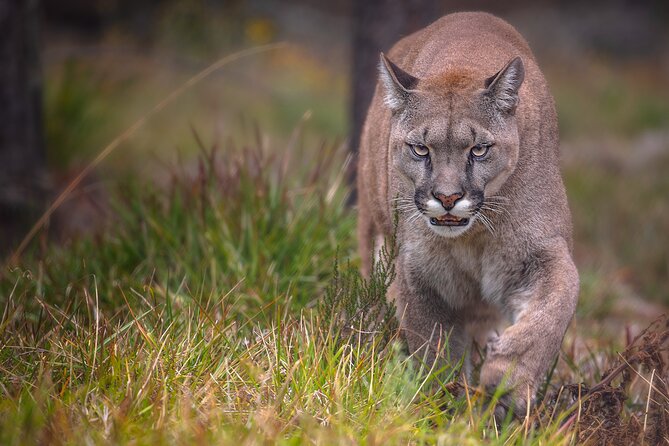
This tour costs $24.73 per person and includes entrance fees plus the guided walk. It also uses a mobile ticket, and the big perk is that you can skip the ticket-buying line. That is real value in a place where your time matters and you want the experience to start smoothly.
Duration is listed as about 1 to 2 hours, with the walking safari running around 90 minutes. Compared to many wildlife add-ons that feel short or vague, this one is a focused loop with commentary and enough time to actually look at multiple enclosures.
What is not included is important for budgeting. Food and drinks are not part of the tour, and transportation to and from the sanctuary is also not included. So if you are planning a half-day, think about how you will get there and where you will refuel afterward.
Given the small group size and the fact that entrance is included, I think the price is fair for most visitors. It is a great option if you want a strong wildlife encounter without committing to a full day.
Practical details before you go: what to plan in advance
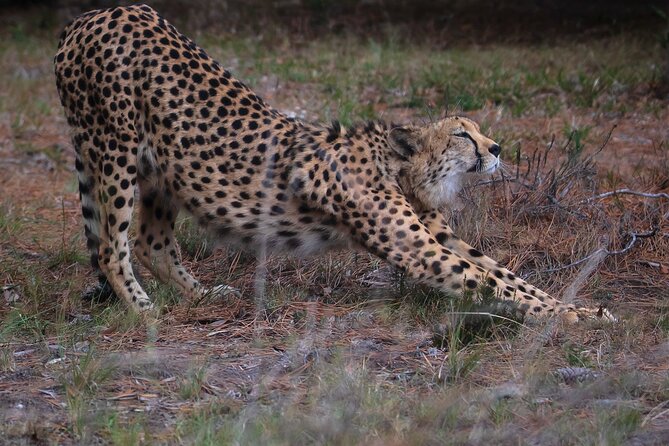
Your meeting point is the sanctuary itself at Jukani Wildlife Sanctuary, N2, The Crags, 6600 South Africa. The activity ends back at the same meeting point. That makes planning easier. You are not dealing with complicated pickups in the middle of the day.
Tours run in all weather conditions. That means you should pack like it might rain or it might scorch. Also, tours are in English by default, with Afrikaans available if arranged.
If you are traveling with children, note that children must be accompanied by an adult. Most people can participate, but it is still a walking safari. Wear comfortable shoes and be ready for a steady walk through the property.
Finally, expect the day to be timed by tour departures. If there is a gap between tour groups, you may wait briefly while animals are ready to be observed in their enclosures and the next group lines up.
Who this tour suits best, and who should reconsider
This guided visit is ideal for animal lovers who want close views of big cats and a learning-focused walk. It is also a solid match for families, because the small group size and guide explanations can keep kids engaged.
Photographers also tend to enjoy it. The viewing decks and close-up angles can produce strong images if you pay attention to focus and where you stand for each enclosure.
If you are craving a long, multi-park safari day with lots of driving and constant movement, this is probably not what you want. This is a short, purposeful sanctuary walk. It is a good use of time, but it is not a replacement for a full wildlife expedition.
Should you book the Jukani guided tour?
I would book it if you want a high-quality big-cat encounter with a guide, without wasting time on logistics once you arrive. The biggest reasons are the small group size and the fact that entrance fees are included, so you can get straight into the walking safari.
Go in with the right mindset: expect to see magnificent cats in real enclosures, expect that heat can slow movement, and plan for a thoughtful 90-minute experience rather than a marathon.
If your schedule allows, pick a later afternoon slot for better odds of active viewing, and bring an umbrella if the day looks hot. That combination is about as close as you can get to stacking the deck in your favor.
FAQ
How long is the Jukani Wildlife Sanctuary guided tour?
The guided tour runs about 1 to 2 hours, with the walking safari lasting around 90 minutes.
What does the admission ticket include?
The price includes entrance fees and a guided tour with a professional local guide.
Are food and drinks included?
No. Food and drinks are not included.
What group size should I expect?
The tour has a maximum of 16 travelers.
Is the tour available in languages other than English?
Tours are in English, and Afrikaans tours can be arranged.
What is the cancellation policy?
You can cancel for free up to 24 hours in advance for a full refund. If you cancel less than 24 hours before the experience starts, no refund is provided.
Newest reviews around Plettenberg Bay
- Plettenberg: 2-Hour Zipline Tour★ 4.5 · 27 reviews
- Plettenberg Bay: Swim with the Seals★ 4.7 · 31 reviews
- Guided Wildlife Tour and Forest Walk with Lunch Platter★ 4.6 · 40 reviews
- Plettenberg Bay: Dolphin and Marine Boat Tour★ 4.5 · 45 reviews
- Plettenberg Bay: Private Guided Wildlife Photography Tour★ 4.9 · 49 reviews
- 2-Hour Game Drive at the Plettenberg Bay Game Reserve★ 3.5 · 58 reviews
- Plettenberg Bay: Qolweni Township Cultural Walking Tour★ 5.0 · 58 reviews
- Plettenberg Bay: Whale-Watching Cruise★ 4.1 · 65 reviews
Wildlife, compared.


Big Five Game Reserve Wildlife Safari from Cape Town
Read our review →

2 Day South African Wildlife Tour with 4×4 Safari from Cape Town
Read our review →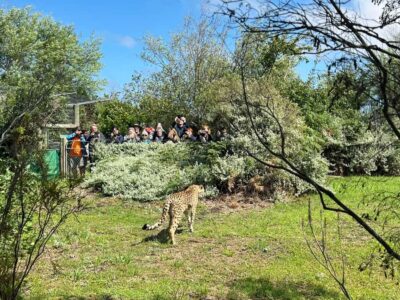

Schotia Safaris: Best Wildlife Encounters in Port Elizabeth
Read our review →
Browse the lists this tour appears in