Reviewed · WILDLIFE
Cape Town: Marine Wildlife Tour from the V&A Waterfront
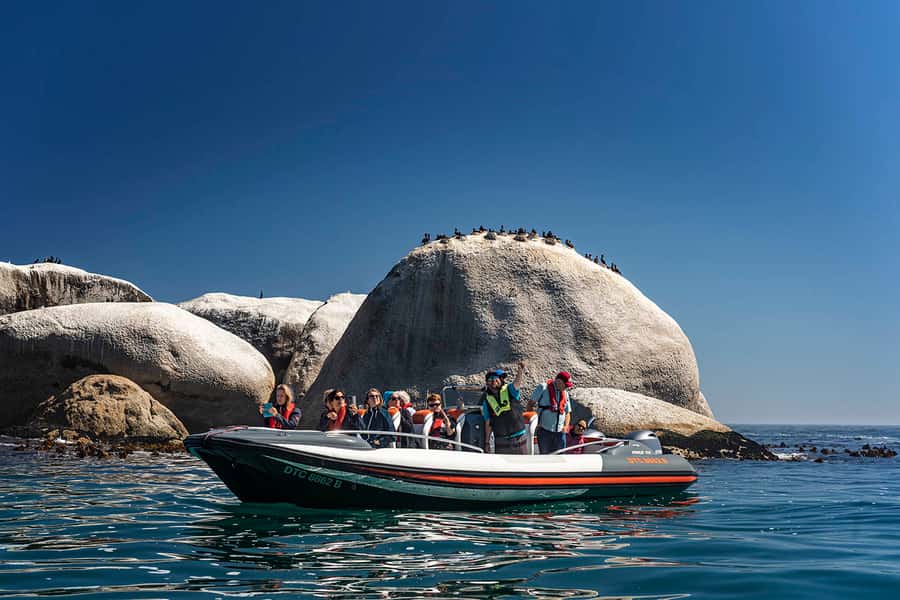
Cape Town’s Table Bay marine scene is interesting because the ocean life is right there, visible from a fast, water-level boat ride. I like two things a lot: the chance at up-close encounters with whales, dolphins, seals, and penguins, and the way you get stunning views of Table Mountain and Robben Island from the water. The main drawback to plan for is that this tour is weather dependent, so you might get a bumpy ride or a reroute.
What makes it feel especially worthwhile is the mix of wildlife and local context. On board, the English-speaking crew explains what you’re seeing and how conservation works in this area, and guides like John and Francois come up by name in customer stories for making the sightings feel real, not random. One practical consideration: if you sit at the back, you may struggle to hear commentary on choppier days or with onboard sound.
Key things to notice before you book
- Hydrofoil + Table Bay speed: you’re moving fast enough to chase activity without being stuck out there forever
- Seasons change the whale odds: humpbacks and southern right whales depend on timing
- Real marine mix, not just one species: dolphins, seals, penguins, sunfish, and seabirds are all possible
- Scenery from the water: Table Mountain and Robben Island show up in your photos more than you expect
- Small details matter: seats, boarding height, and comfort can affect how much you enjoy the ride
From the V&A Waterfront to Table Bay: how the tour flows
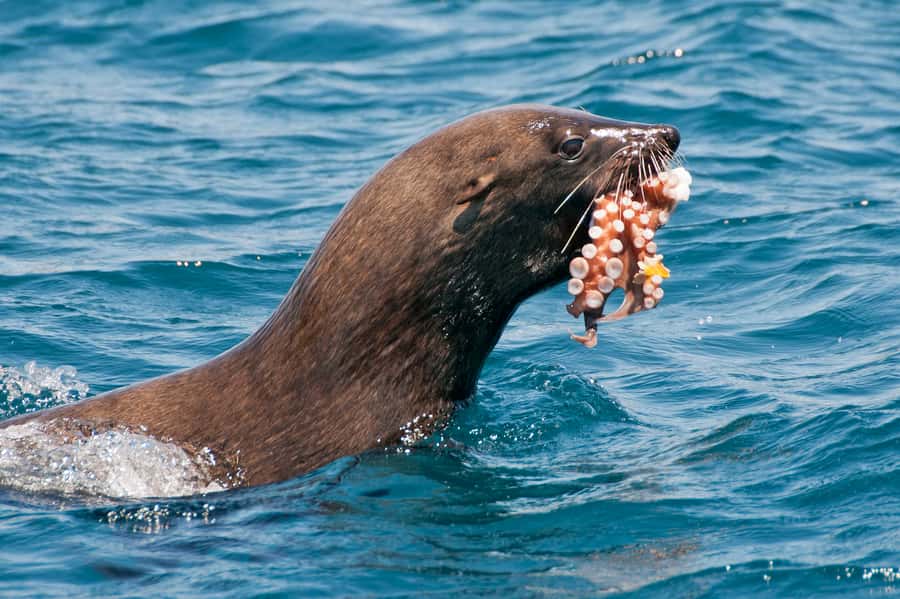
This is a straightforward, mostly water-based outing, built around one simple goal: show you Cape Town’s bay ecosystem from close range.
If you choose hotel pickup, you’ll meet a van and get transferred for about 15 minutes to the dock area. If you go on your own, you’ll want the meeting point: look out for the African Eagle Marine Kiosk near the Victoria & Alfred Basin Swing Bridge.
Then you settle into the V&A Waterfront area before the boat ride starts. The cruise itself runs about 90 minutes total, and that time is what you’re really paying for: time on the water, scanning for movement, and learning how this coastal ecosystem works.
On return, you’ll go back toward Cape Town city centre. The whole shape of the day is easy to plug into a Cape Town itinerary, especially if you want something scenic without spending half your day driving around.
Put these Cape Town options head to head
- Big Five Game Reserve Wildlife Safari from Cape Town
★ 4.0 · 576 reviews - From Cape Town: South African Wildlife and Safari 2-Day Tour
★ 4.7 · 411 reviews - Ocean Wildlife Encounter in Cape Town
★ 5.0 · 307 reviews
Boarding a hydrofoil, and what that means for your experience
The ride is on a hydrofoil, which is a big deal for how this tour feels. A hydrofoil is built for speed and efficiency, so you’re not just drifting. You’re likely to cover more area, find more chances for wildlife, and get better chances at spotting faster-moving species like dolphins.
That speed comes with a couple of tradeoffs.
First, it can get splashy. Some people end up a bit wet, especially if you’re seated forward and the wind is strong. Second, if conditions are rough, you’ll feel it more than on a slower boat. The good news is that the trip length is short enough that even a choppy hour and a half can feel like a story you tell later.
Comfort-wise, you should think like this: seats are part of the math. If you hate tight spacing or low visibility, choose your position carefully once you’re onboard. There are also reports of boarding being a little tricky depending on where you sit and how easy the steps feel for you. If you’re traveling with kids, going in with realistic expectations helps, since young ones often love the motion and the “ocean adventure” vibe.
The wildlife you’re actually likely to see in Table Bay
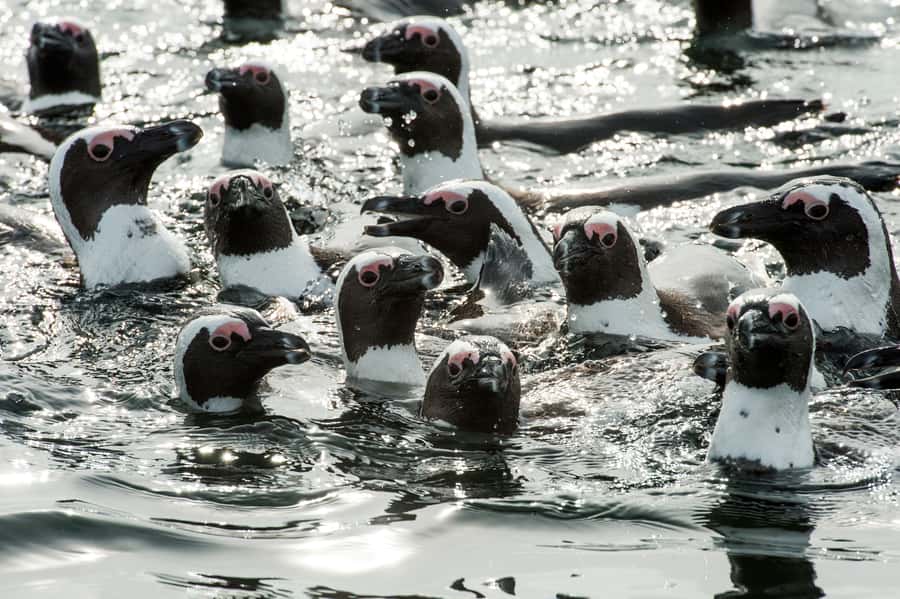
This is a marine wildlife cruise, so you should treat animal sightings as a real-time bonus, not a guaranteed checklist. Still, the tour is set up around species that show up in this region.
Here’s what you can reasonably expect to look for:
Whales: humpbacks and southern right whales (season matters)
Depending on time of year, you may spot humpback whales and southern right whales. The best time for southern right whales is June to November, which is the kind of detail that can meaningfully change your odds. If your travel dates fall outside that window, you might still get lucky, but whales become less predictable.
When whales do appear, the whole vibe changes. You’re no longer just scanning for movement, you’re watching for breathing, surfacing patterns, and the direction the animals are traveling.
Something different for the Cape Town list:
- Wine Tour: Paarl, Franschhoek & Stellenbosch incl 3 wineries
★ 5.0 · 3,940 reviews - Cape Town: Hop-On Hop-Off Bus Tour with Optional Cruise
★ 4.8 · 3,929 reviews - Cape Town: Cape of Good Hope & Penguins Day Tour with Pickup
★ 4.7 · 3,362 reviews - Zipline Cape Town – From Foot of Table Mountain Reserve
★ 5.0 · 3,179 reviews
Dolphins: pods and breaching up close
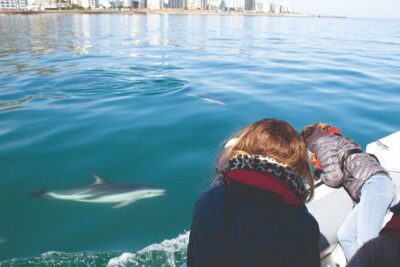
Dolphins are the species people talk about most often. You’re looking for pods, then for moments when they start moving more actively. Breaching is the big one, because it’s visually dramatic and usually happens when dolphins are feeding or moving with energy. If you want that “wow, I can’t believe we’re right here” feeling, this is where you often get it.
Seals: lounging and resting on jetties
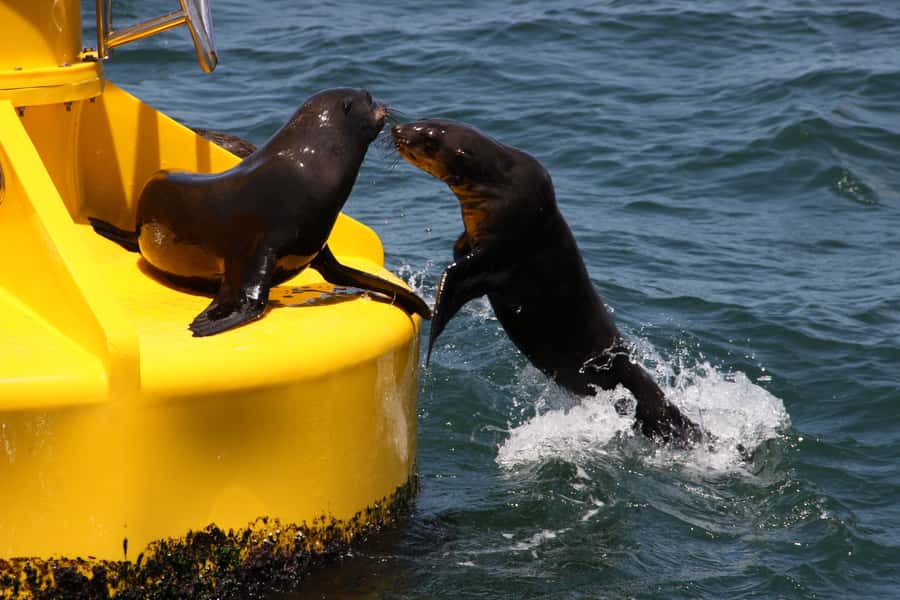
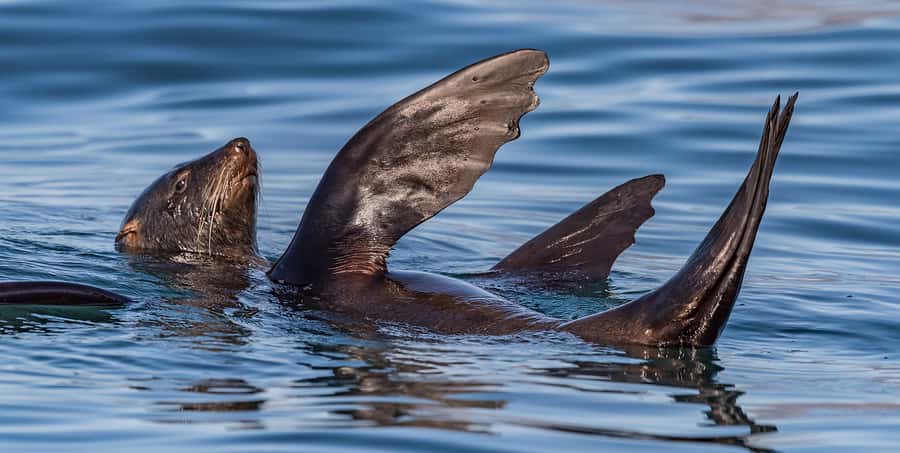
Cape fur seals are part of the bay’s routine life. You might see them lounging on jetties, resting near structures, or popping up around the waterline. Seals are also a nice counterbalance if the open ocean action slows down. Even when whales are absent, seals can keep the experience feeling alive.
African penguins: fish hunting near the Robben Island colony
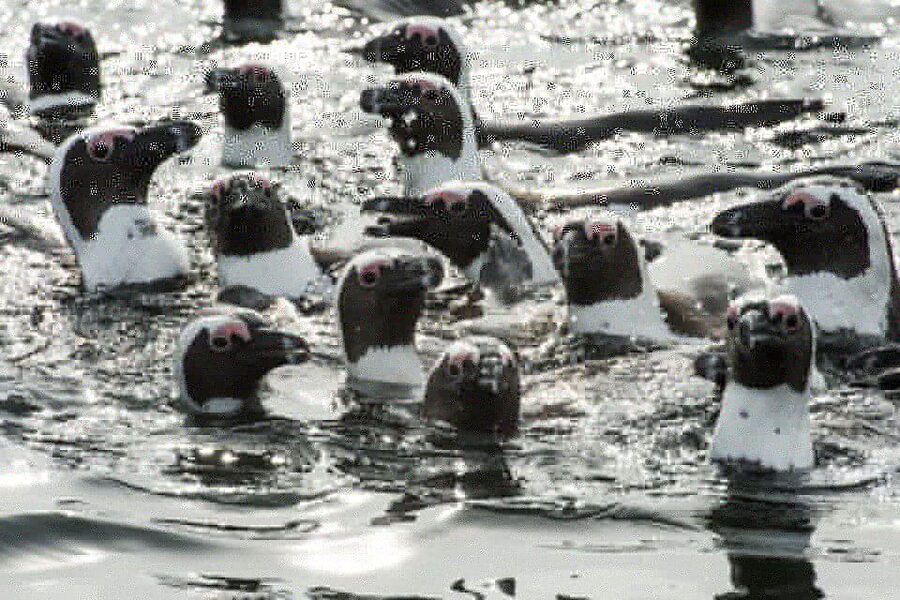
You may also spot African penguins, including scenes of them heading toward their breeding colony on Robben Island. Instead of a guessy “maybe you’ll see them” promise, this tour is designed around the fact that penguins in this area dive and move under the water to catch fish. When they show, it tends to happen in quick, repeated bursts, so it helps to keep your eyes up and not lock into one spot too long.
Sunfish and other unusual visitors
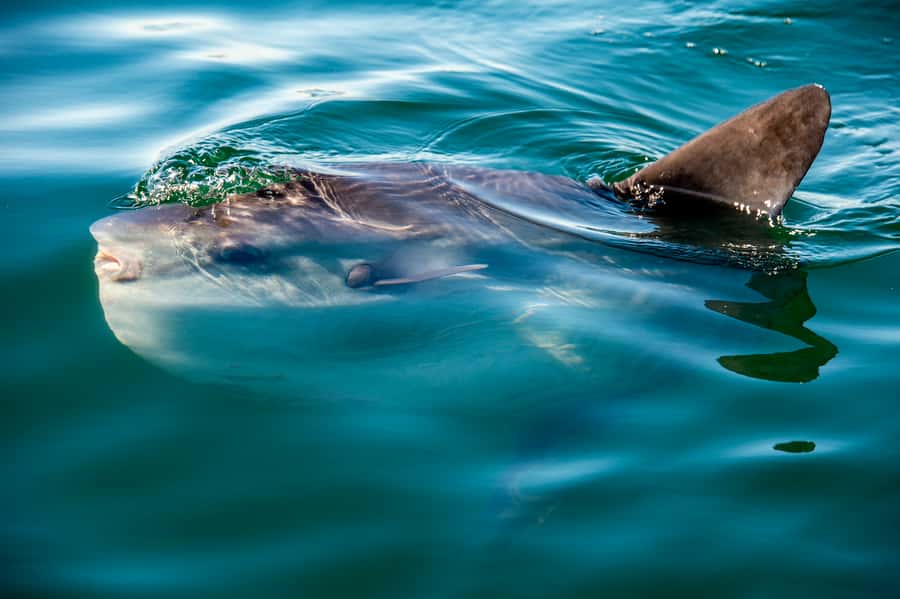
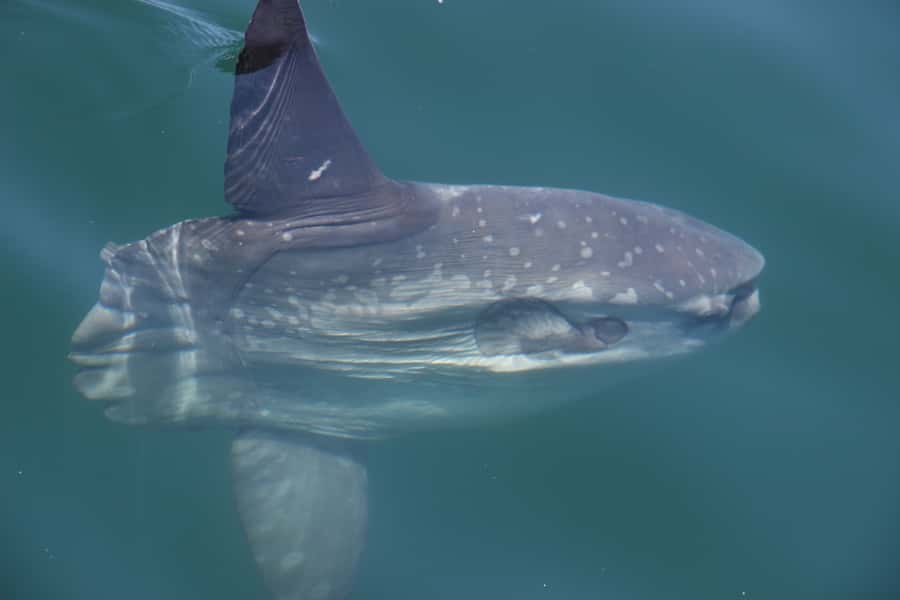
Unusual marine life can show up too, including sunfish. This is the kind of sight that doesn’t require a perfect season window the way whales do. It’s more about being in the right water at the right time and having a crew that keeps scanning.
Birds in the air and on the water
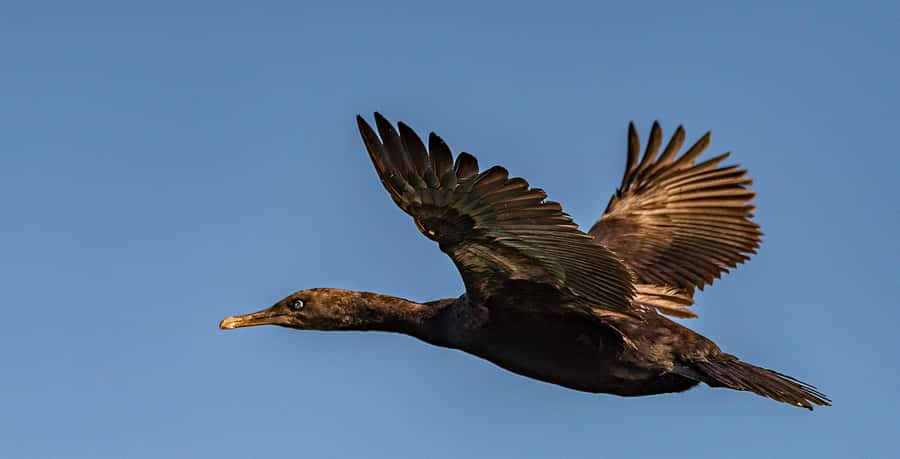
The bay isn’t only underwater. You can also watch seabirds like terns, gannets, cormorants, and the black-browed albatross. This matters because bird behavior can help you read the ocean surface. If you see birds reacting, it often means something is happening below, where your dolphins and fish may also be active.
Table Mountain and Robben Island: why the views matter
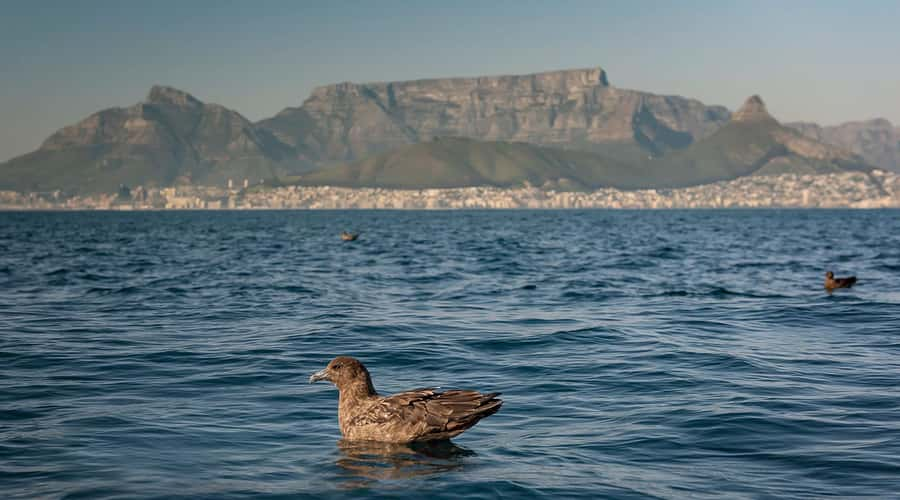
This cruise isn’t only about wildlife spotting. You also get big, Cape Town-style scenery from the water.
From the boat, you can often see Table Mountain and Robben Island without the usual land-based angles that feel familiar. Seeing Robben Island from the sea gives the coastline a different scale, and it makes the whole experience feel tied to the geography of the city, not just the animals.
You also get a “moving viewpoint” effect. Instead of staring at one shoreline, your perspective keeps changing as you travel. That’s great for photos, but it’s also great for your brain. It helps you understand how Cape Town’s bay ecosystem sits between mountains, coast, and open water.
The on-water guiding style: how to get the most from your 90 minutes
The crew approach is key here. On a wildlife tour, you can’t force animals to show up. What you can control is how long they’re searching, how they position the boat, and how well they explain what you’re seeing so you know what to watch for.
In the stories people share afterward, guides and skippers like John and Francois get called out for making the hunt feel organized and calm. That kind of hosting matters because it keeps you from rushing your eyes or missing the moment something surfaces.
One tip that comes straight from how these boats operate: pick your seat with your goals in mind. If you want to hear commentary clearly, avoid the area where sound gets lost. If you want maximum viewing comfort, aim for a place where your line of sight isn’t blocked and where you can stand or lean slightly to track movement.
Also, bring the right mindset. This tour works best when you keep switching your attention between three layers:
- the surface, where whales and dolphins show up
- the edges of the boat’s path, where seals and penguins can appear
- the birds and sky, where seabirds can hint at activity below
You don’t need to be a marine biologist. You just need to look like you’re curious, not like you’re waiting for a single perfect sighting.
Price and value: is $61 worth it?
At around $61 per person for 90 minutes, this tour competes well with other short Cape Town experiences. The reason it feels like good value is simple: you get a lot of “Cape Town from the water” plus serious wildlife odds in a tight time window.
Here’s the practical way I’d judge value:
- Time on water is the product, and you get a full 90 minutes
- The hydrofoil helps maximize searching effort
- You’re not locked into one species. Whales might happen, but dolphins, seals, penguins, seabirds, and even sunfish are possible too
- The scenery component adds value even if your wildlife sightings are lighter that day
The one caution is that you’re paying for a nature experience, not a staged show. If the day turns rough or the animals are quiet, you might end up with mostly seals and birds instead of whales. That doesn’t mean it wasn’t worth it, but it does mean you should go in expecting real-life uncertainty.
If you love “first time I saw a whale” moments, consider timing for whales, especially the southern right whale season from June to November. That increases the probability you’ll get the biggest ticket animal.
Timing, weather, and comfort tips that actually help
Weather is not a footnote on this tour. It’s part of the plan. The operator can inform you of changes one day prior, and conditions can affect ride smoothness and what wildlife you can safely approach.
So here’s how to prepare like a pro:
- Bring sunglasses and sunscreen. Sun and wind bounce off the water.
- Bring a sun hat, especially if you’ll sit where there’s less shade.
- Plan for possible splashes. Even if you stay dry, you’ll feel spray on breezy days.
- If you’re sensitive to motion, know that a hydrofoil ride can feel lively when the sea is not flat.
Sound is also worth thinking about. If commentary clarity matters to you, try not to choose the least visible or least audible spot.
Who should book, and who should skip this cruise
This is an easy sell for a lot of people, but it is not for everyone.
Great fit for
- Families with kids over age 2, since the tour is suitable for anyone over 2 years old
- People who want a short, high-impact water experience
- First-timers to Cape Town who want both wildlife and iconic views in one go
- Anyone who loves animals but prefers learning as you go, with English-speaking crew commentary
Not a fit for
- People with mobility impairments
- Wheelchair users
- People with heart problems
If you fall into any of those categories, you’ll want to look for land-based wildlife alternatives instead.
Also, pets are not allowed.
A quick practical checklist before you head to the dock
If you only do a few things, do these:
- Wear sunscreen, and bring extra if you’re out all day
- Bring a hat and sunglasses
- Expect wind, possible spray, and changing conditions
- Arrive on time so you can board without stress
The meeting point is easy if you’re standing near the Victoria & Alfred Basin Swing Bridge area, just look for the African Eagle Marine Kiosk.
Should you book this Cape Town marine wildlife cruise?
If your goal is one and a half hours of real Cape Town energy, plus a strong chance of seeing multiple species, I think you should book it. It’s a value play because you’re paying for boat time, not museum time, and the mix of whales, dolphins, seals, penguins, sunfish, and seabirds gives you multiple chances at memorable moments.
Book with extra confidence if:
- your dates fall in June to November for the best shot at southern right whales
- you like active sightseeing with fast boat searching
- you’re comfortable with a little weather uncertainty
Skip it if:
- you need wheelchair access or you have mobility limitations that would make boarding hard
- you have heart issues and you want to avoid a moving water ride
For most people who are healthy enough for a hydrofoil cruise and want the bay ecosystem from a new angle, this is a smart, high-reward outing.
FAQ
Where is the meeting point for the Cape Town marine wildlife tour?
Meet near the African Eagle Marine Kiosk by the Victoria & Alfred Basin Swing Bridge.
Do I get picked up from my hotel?
Pickup is optional. If you choose the option, you’ll be collected and returned by van.
How long is the boat tour?
The cruise runs about 90 minutes, which is also stated as 1.5 hours.
What kinds of marine animals might I see?
You may see whales (including humpback and southern right whales depending on season), dolphins, seals, African penguins, sunfish, and seabirds such as terns, gannets, cormorants, and black-browed albatross.
When is the best time to see southern right whales?
Southern right whales are best seen from June to November.
Is the tour affected by weather?
Yes. The tour is weather dependent, and you’ll be informed of changes one day prior to the tour.
What should I bring for the tour?
Bring sunglasses, a sun hat, and sunscreen.
Is this tour suitable for wheelchair users or people with mobility or heart conditions?
No. It is not suitable for people with mobility impairments, wheelchair users, or people with heart problems.
Can I bring pets on the boat?
Pets are not allowed.
Newest reviews around Cape Town
- Cape Town: Half-Day Guided City Sightseeing Tour by Bus★ 4.8 · 7 reviews
- Cape Town to Cape Point Private Day Tour★ 4.5 · 7 reviews
- Abseiling Table Mountain★ 5.0 · 7 reviews
- Table Mountain Group Hike – Solo Travelers welcome★ 4.1 · 7 reviews
- Private Tour:Cape of Good Hop>Chapman’s >Penguin>Seal island★ 5.0 · 7 reviews
- Pre-Booked Ticket Robben Island Half-Day Tour from Cape Town★ 2.8 · 7 reviews
- Cape Town Airport and Hotel Private Transfers★ 5.0 · 7 reviews
- Table Mountain, Boulder’s Penguins & Cape Point Private Tour★ 4.5 · 7 reviews
Wildlife, compared.

Big Five Game Reserve Wildlife Safari from Cape Town
Read our review →
2 Day South African Wildlife Tour with 4×4 Safari from Cape Town
Read our review →

Schotia Safaris: Best Wildlife Encounters in Port Elizabeth
Read our review →