
Reviewed · PLETTENBERG BAY TOURS
Cats in Conservation
Tenikwa’s Cats in Conservation is interesting because it treats wildlife like a living conservation problem, not a checklist. I like the private format, so you can move at your pace and ask real questions. I also love that you get behind-the-scenes time focused on how Tenikwa rehabilitates wild cats and prepares them for a better future, with guides like Mwisi and Boniwe bringing it to life.
There’s one consideration before you book: cat sightings can be unpredictable. On some days animals may be tucked away for shade or rest, and your view could be less dramatic than you hoped even though the conservation work still happens.
Key things that make Cats in Conservation worth your day
- Private tour for your party only, so the pacing stays personal.
- Exclusive rehab-facility access, including an overview and observation of the Wildlife Rehabilitation facilities.
- Meals and refreshments included, including breakfast, lunch, snacks, water, and coffee and/or tea.
- Conservation-focused guidance with time to ask questions and shape the day to your interests.
- Neutral-color dress guidance (no fur or scarves) to keep things practical and respectful around animals.
- No touching animals, so you’ll experience the animals through careful observation and close viewing opportunities.
Why Tenikwa’s cat-first focus feels different from a typical wildlife visit
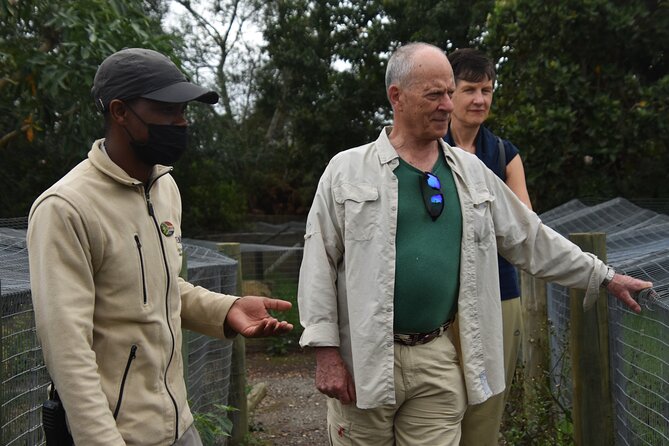
Tenikwa is built around a simple idea: you learn best when you see the work behind the animals. This tour leans into that. You’re not just walking past enclosures, you’re hearing how wildlife rehabilitation connects to threats in the real world, and you’re watching daily routines unfold at Tenikwa.
I especially like that the day is framed as conservation, not entertainment. You’ll get guided commentary about the park’s focus, plus time to ask questions. When a place gives you that context, even a quiet sighting feels meaningful.
The experience is also clearly designed for animal lovers who want to do more than take photos. If you care about what happens after an animal arrives injured or unwell, you’ll probably get a lot out of the rehab-facility portion and staff-led conservation discussion.
Put these Plettenberg Bay options head to head
- Plettenberg Bay: Swim with Seals
★ 4.7 · 887 reviews - Knysna Ziplines Tour
★ 5.0 · 688 reviews - Standard Canyoning Trip in The Crags, South Africa
★ 5.0 · 381 reviews
Timing and logistics: what a full 7 to 8 hours really means
This is a 7 to 8 hour experience, and the start and end both happen back at Tenikwa Wildlife Rehabilitation & Awareness Centre, at The Crags near Plettenberg Bay. Transportation is provided, which matters here because it lets you focus on the day instead of juggling parking and transfers.
Because it’s a mobile ticket, you’ll want your phone charged and ready. You’ll also receive confirmation at the time of booking, so you should have what you need before you arrive.
One small planning tip: given how long the day is, treat it like a proper outing. Bring sunscreen, a hat, and comfortable clothes you can move in. Tenikwa operates in all weather conditions, so you’ll want to dress for sun and for cool or wet spells.
Getting started at the Tenikwa Wildlife Awareness Centre
Your day begins at Tenikwa Wildlife Rehabilitation & Awareness Centre in The Crags. From the start, the tone is set around animal care, daily activities, and the rehabilitation work that supports the cats in their care.
This is also where you’ll understand what makes this program special. The Cats in Conservation experience includes the only program type that allows guests to view the wildlife rehabilitation facilities. That alone changes the whole feel of the day, because you’re not left guessing how rehab works. You’ll see it as part of your visit.
Since it’s a private tour for your party only, your guide can adapt the pace. If you want more time with explanations, you can ask for it. If you’d rather keep things moving so you can maximize viewing time, you can do that too.
The exclusive rehab-facility access is the heart of the tour
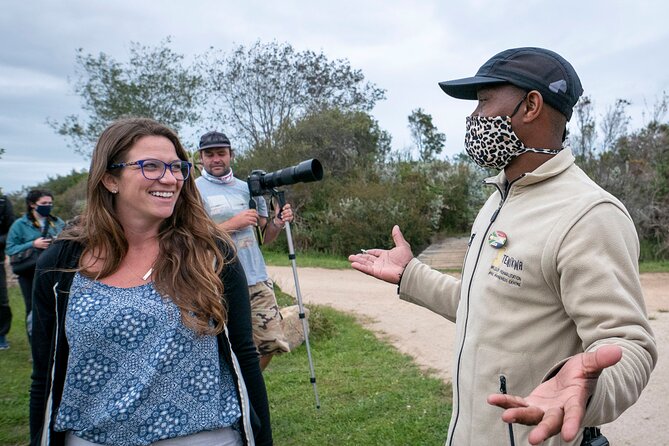
The standout feature here is the rehab-facility access. Your program includes an overview and observation of the Wildlife Rehabilitation facilities, plus time behind the scenes with staff learning about conservation issues.
That matters because wildlife rehabilitation is detail-heavy. It’s not just keeping an injured animal alive. There’s a whole chain of care and decision-making, and Tenikwa builds this day to help you understand the context without turning it into an abstract lecture.
This also ties directly into what people tend to love most about the experience: you leave with a stronger sense of why the animals face real dangers due to humans. You’ll hear the park’s conservation focus explained through the work they do daily, and you’ll get time to ask questions that go beyond simple curiosity.
A heads-up based on how wildlife behaves, not on the tour itself: the rehabilitation hospital portion may be quiet depending on what’s happening that day. When activity is limited, your guide can still provide the story and the purpose behind the care. But if you’re hoping for constant, dramatic action in the rehab space, know that nature does not schedule itself for your camera.
Something different for the Plettenberg Bay list:
- Plettenberg Bay: Whale Watching Boat Cruise
★ 4.4 · 362 reviews - Plettenberg Bay: Canyoning Trip
★ 4.9 · 353 reviews - Plettenberg Bay Game Reserve: 2-Hour Game Drive
★ 4.2 · 267 reviews - Short Canyoning Trip in The Crags
★ 5.0 · 221 reviews
A full day of animal time, not just quick stops
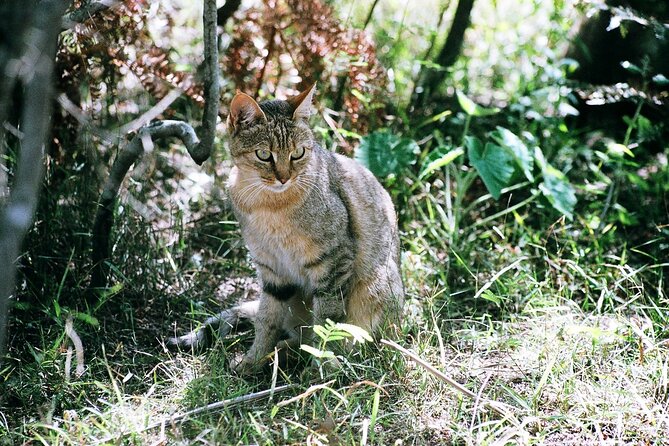
The tour is designed as a full, immersive-feeling experience, even though it stays practical. After you get oriented, you’ll follow Tenikwa’s daily activities with guided commentary. You’ll also have behind-the-scenes moments that explain how staff think about conservation work.
In real terms, expect the day to include:
- Guided viewing time with the wild cats of South Africa and local wildlife
- Time for walking and observation with your guide
- Conversation and Q-and-A around conservation issues and how rehabilitation fits into the bigger picture
- Meals and refreshments that keep the pacing comfortable
One review experience included a walk in the forest with a guide, and that’s the kind of added context that can make the day feel more than a one-track viewing session. It also helps if you’d like a break from looking only at enclosures and prefer to connect wildlife with habitat and behavior.
Because it’s private, you won’t feel rushed through the day. If a cat is resting in shade or moving slowly, you can wait for the right moment instead of being swept along by a large group.
Cat viewing and why sightings can vary (even on great days)
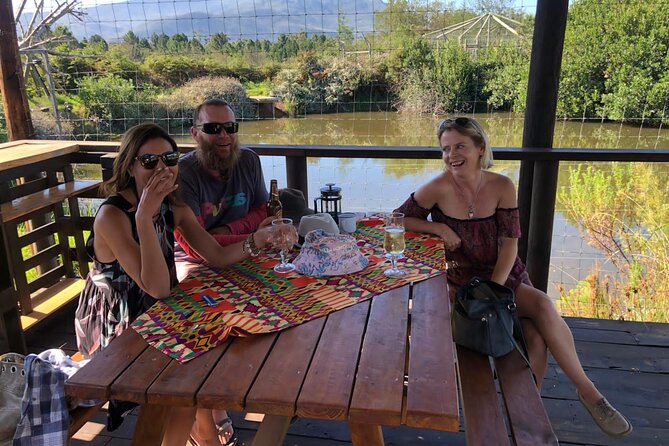
Let’s talk honestly about sightings. The tour is focused on the wild cats of South Africa, and you’ll also see local wildlife. Still, you should expect that what you see can change from one day to the next.
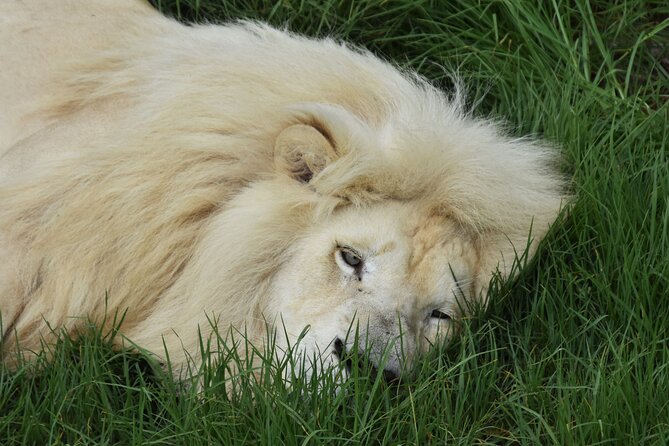
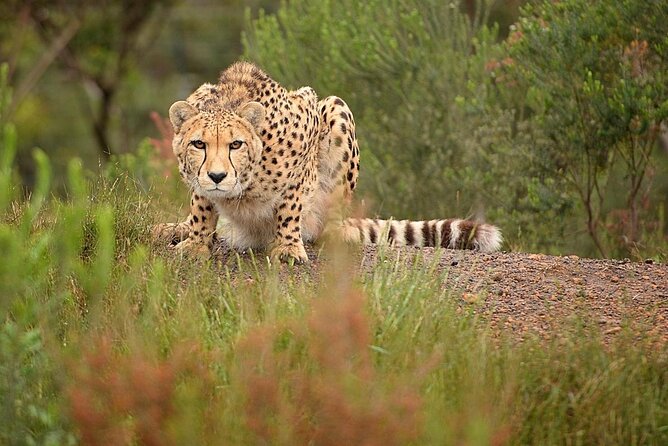
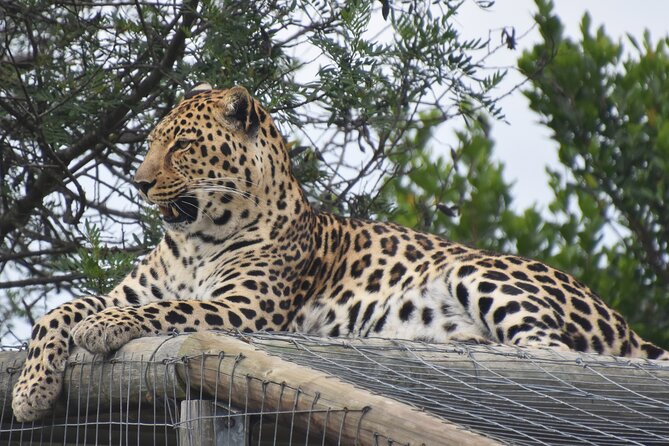
In some cases, people have had excellent luck spotting multiple cats, including a leopard active in cooler conditions, plus sightings of animals like cheetahs, lions, and caracals at different times of the day. In other cases, sightings have been more limited, with a glimpse here and there of different cats.
The reason is simple: these animals choose where they are. Weather is a factor. On hotter days, cats may seek cover. On grey or cooler days, they may be more active. Since the tour runs in all weather conditions, the day’s feel can change a bit with the sky outside.
So how should you prepare mentally?
- Go for the conservation experience, not only a species list.
- Give your guide permission to adjust the day based on where animals are at that moment.
- Accept that if an animal is hidden, it’s still part of how these animals survive in real conditions.
This is exactly where having a private guide helps. You’re not stuck with a set routine that ends even if nothing is visible yet. You can often get a bit more time to try again, within reason.
Photos, closeness, and the no-touch rule
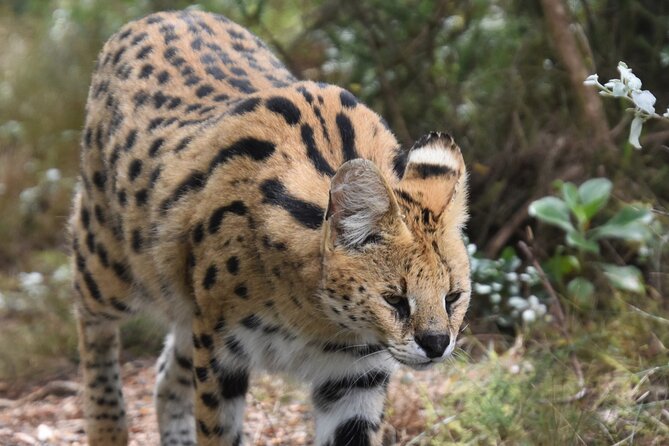
This tour includes time to see and photograph the wild cats of South Africa and local wildlife. You’ll be close enough for meaningful viewing, but there’s an important boundary: touching the animals is not allowed.
That no-touch rule is not just a safety policy. It also signals that the experience is about respect and observation. You should plan to shoot from where your guide tells you, using zoom and patience rather than expecting handling or forced poses.
If you’re visiting with kids, this rule becomes part of the learning. It helps set clear expectations that wildlife care means distance, calm behavior, and careful watching.
Also note the dress guidance: neutral colours, no fur or scarves. It sounds small, but it’s practical. If you’re trying to avoid unintended smells or textures around wildlife, those choices matter.
What you eat and when, with a guide who keeps things moving
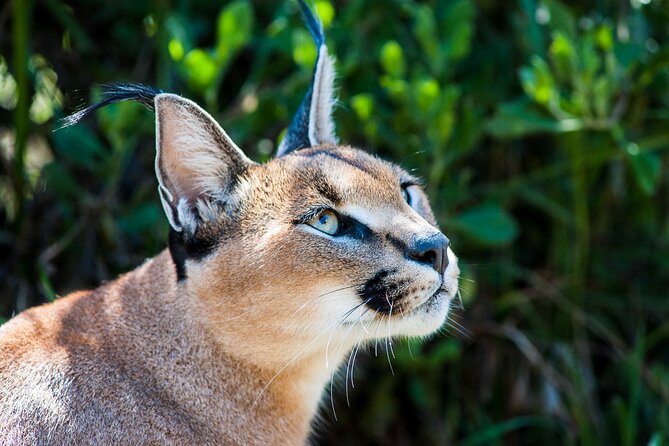
One of the smoother parts of the day is the food plan. Breakfast, lunch, and refreshments are included, along with snacks, bottled water, and coffee and/or tea.
That inclusion does real value work. In many wildlife experiences, food is an extra cost that creeps up fast, and you’re stuck managing hunger while trying to stay focused. Here, meals are part of the schedule, so you can settle in and enjoy the day without constant side trips.
Because the tour is 7 to 8 hours, the breaks also help you enjoy the viewing instead of pushing through fatigue. A well-paced day is more likely to bring you better viewing because your attention stays sharp.
Who this private tour suits best, and who might want to think twice
I think Cats in Conservation is a strong match for people who:
- Care about wildlife rehabilitation as a real conservation tool
- Want conservation context, not just animal spotting
- Prefer a private experience where the guide can shift the day around your interests
- Like asking questions and getting staff explanations directly
It also fits animal lovers who appreciate clear rules. The no-touch policy, the dress guidance, and the focus on rehabilitation all point to a respectful approach.
There are a couple of limits to consider. The tour is not suitable for children under 9 years of age. Children under 18 must be accompanied by at least one parent. If you’re traveling with younger kids, it’s worth looking at alternative options.
Also, be honest with yourself about your expectations. If your priority is guaranteed, nonstop action and a full menu of cat species on camera, wildlife rehab and wildlife viewing are not built for that. If your priority is learning how conservation works while enjoying real-time animal behavior, you’ll likely be very happy with this day.
Price and value: is $87.71 a fair deal?
At $87.71 per person, this tour sits in a reasonable range for a private conservation day, especially because meals and transport are included. The price isn’t just paying for access. It’s paying for staff time, guided interpretation, and the extra rehab-facility component that many experiences never include.
Here’s how I’d judge the value:
- You get a private experience for your party only, which often costs more than shared-group tours.
- You get admissions included and transportation provided.
- Food is handled, including breakfast and lunch plus snacks, water, and coffee or tea.
- You get the rare rehab-facility viewing component, plus behind-the-scenes conservation discussion.
In other words, the cost starts to look less like a ticket and more like a guided full day of education plus meals plus practical support for a conservation-focused organization.
One more practical tip: since the experience is commonly booked about 28 days in advance on average, don’t wait too long if your calendar is fixed. If you want a specific time, earlier booking gives you more options.
Final call: should you book Cats in Conservation at Tenikwa?
If you want a wildlife day with purpose, this is a smart booking. I’d book it if you’re the kind of person who likes conservation explanations, wants behind-the-scenes access to rehabilitation facilities, and appreciates a private guide who can respond to your questions.
I’d hesitate only if you need guaranteed sightings of specific species every time, or if you’re traveling with children under 9. Wildlife viewing can be variable, but that variability is part of experiencing animals in a real setting rather than on a fixed schedule.
If you’re flexible, curious, and ready for a true conservation-focused day, Cats in Conservation is exactly the kind of tour that turns a pleasant outing into something you remember for the right reasons.
FAQ
What is the duration of the Cats in Conservation tour?
It runs for about 7 to 8 hours.
Is Cats in Conservation a private tour?
Yes. It is private, and only your group participates.
What is included in the price?
The tour includes transportation, admission, breakfast, lunch, snacks, bottled water, and coffee and/or tea, plus guided time focused on conservation and observation of the wildlife rehabilitation facilities.
Where does the tour start and end?
It starts at Tenikwa Wildlife Rehabilitation & Awareness Centre in The Crags, Plettenberg Bay, and it ends back at the same meeting point.
Does this tour include access to the wildlife rehabilitation facilities?
Yes. The program includes an overview and observation of the Wildlife Rehabilitation facilities, described as the only program that allows guests to view those facilities.
What should I wear?
Wear neutral colours and comfortable clothing. The guidance also says no fur or scarves. It’s advisable to bring sunblock and a hat.
Are animals touched during the tour?
No. Touching the animals is not allowed.
Does the tour operate in bad weather?
Yes. It operates in all weather conditions, so dress appropriately.
Is it suitable for children?
Children under 18 must be accompanied by at least one parent. It is not suitable for children under 9 years of age.
Can I get a refund if I cancel?
No. This experience is non-refundable and cannot be changed for any reason. If you cancel or request an amendment, the amount you paid will not be refunded.
Newest reviews around Plettenberg Bay
- Plettenberg Bay: 2-Hour Surf Lesson★ 4.9 · 8 reviews
- 2 Night Tenikwa Experience★ 5.0 · 9 reviews
- Plettenberg Bay: Cats in Conservation Full Day Tour★ 4.9 · 11 reviews
- THE CRAGS PLETTENBERG BAY: QUAD BIKE FUN RIDE★ 4.6 · 11 reviews
- The Private Wildlife Tour★ 4.5 · 12 reviews
- Birds of Eden Admission Ticket★ 4.5 · 15 reviews
- Plettenberg Bay: Seal Viewing Boat Trip★ 4.8 · 16 reviews
- Bloukrans Bridge: Zipline, Hangout, and SkyWalk Adventure★ 4.9 · 17 reviews
Plettenberg Bay Tours, compared.
Standard Canyoning Trip in The Crags, South Africa
Read our review →
Plettenberg Bay Game Reserve: 2-Hour Game Drive
Read our review →
Browse the lists this tour appears in