
Reviewed · TOWNSHIP TOURS
Township Walking Tour
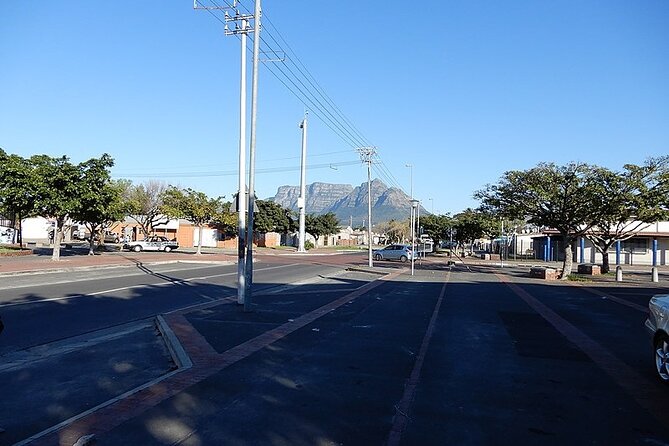
Township walking tours can feel like a simple sightseeing loop. This one is different because you move through Langa with people who know the place and its stories. You’ll spend time at the Langa Dompas Museum and see what apartheid-era systems looked like on the ground.
I especially like two things. First, the tour gives you admission to major stops, so you are not hunting for tickets or figuring out where to go. Second, the visit to Guga S’thebe shows another side of township life, with arts training, community theatre, and support for local entrepreneurs.
One thing to consider: it’s a walking tour that depends on good weather, and it does not include lunch. So plan your day with snacks and comfort shoes, and keep some flexibility if conditions are rough.
Key highlights you should know before you go
- Langa Dompas Museum stop with admission included, focused on apartheid-era remembrance and community resilience
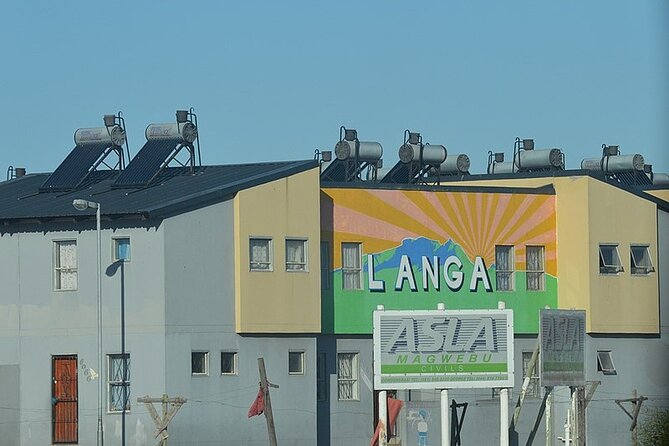
- Langa Old Flats and hostels built in 1944 for migrant workers, now housing families
- Guga S’thebe Arts and Cultural Centre for hands-on training areas like metalwork, pottery, dance, and choir
- Community theatre and local craft shop plus practical support for small businesses through accounting and secretarial services
- A small-group feel with a maximum of 60 travelers, plus air-conditioned transport and pickup offered
Why a Langa walking tour gives Cape Town its real context
Cape Town is famous for scenery, beaches, and photo-friendly streets. Langa brings you closer to the city as it actually operates, with daily life shaped by decades of forced separation and slow, ongoing rebuilding. This tour is designed for that kind of understanding, not just a checklist of landmarks.
What makes it work is the pacing and the mix of stops. You start with remembrance and physical history at Langa Heritage, then you shift to present-day creativity and community services at Guga S’thebe. It is not one-note, and that matters, because people are not only defined by the worst chapters of their past.
I also like that the tour is run with a focus on local perspective. The staff are Langa residents, so you are getting context that comes from living it, not recycled scripts. That naturally makes the conversations feel more human and less like a lecture you can tune out.
More Township Tours in Cape Town
- Cape Town: Guided Township Tour with Hotel Pickup
★ 4.4 · 536 reviews - Cape Town: Nathi Langa Township Walking Tour
★ 4.9 · 493 reviews - Half Day Township Tour in Cape Town South Africa
★ 5.0 · 303 reviews
Getting there: air-conditioned pickup and a 4-hour rhythm
This experience runs for about 4 hours total, with the schedule built around two main blocks. You will spend about 3 hours at Stop 1, then roughly 1 hour at Stop 2. That split keeps you from rushing through the important parts, while still getting a meaningful second stop.
You are transported in an air-conditioned vehicle, and pickup is offered. In practical terms, that helps if you are starting your day in Cape Town traffic, or if the weather turns warm. You also get a mobile ticket, which is handy when you do not want to carry printed paperwork around the city.
The group size cap is 60 travelers. That is large enough to find energy and meeting people, but it is also not the kind of crowd where your questions get ignored. The vibe you want for this kind of tour is attentive but not stiff.
Plan for a walking pace. Since it is a walking tour, wear comfortable shoes and keep water in your day bag, even though water is not listed as included. It’s the kind of outing where your feet and patience both matter.
Stop 1, Langa Heritage and Dompas Museum: the stories are in the walls
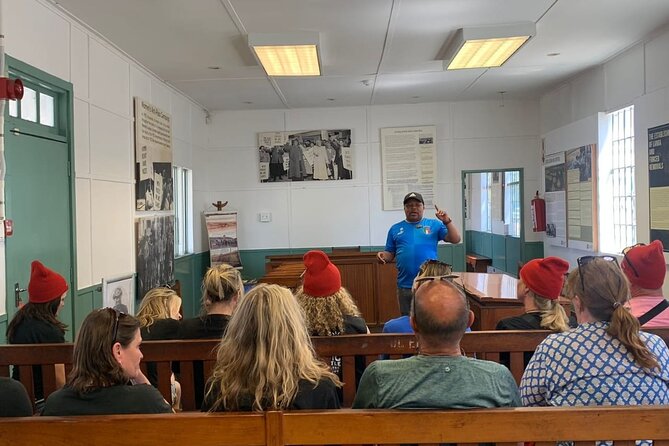
Stop 1 is the Langa Dompas Museum, located in the heart of Langa. This is where the tour begins with a heavy subject, but it is handled through physical space and careful context. The museum offers a tribute to heroes and victims of apartheid, and it commemorates the centenary through the building’s past.
One detail I appreciate is that the museum connects to the former offices of the Bantu Affairs Administration. That matters because you are not just hearing about apartheid in the abstract. You are looking at a place that once served an administrative function, and now it holds remembrance.
The visit also includes nearby historic structures tied to how migrant labor was housed. After the museum component, you go to Langa Old Flats, originally built in 1944 as single-sex hostels for migrant workers. Today, those buildings are inhabited by families, including cases where three people groups share one house.
That change over time is the point. Systems that were designed to control movement and family life did not stop at their implementation date. They shaped generations, and you can feel that in how housing and daily routines evolved.
What makes this stop powerful
- You get context that connects apartheid policy to everyday built environment
- The museum setting helps you grasp why remembrance is not only about dates and names
- Seeing hostels repurposed for family life shows how people adapt under pressure
More Walking Tours in Cape Town
- Cape Town: Art, Culture & History Walking Tour
★ 4.9 · 392 reviews - Cape Town: Street Art Walking Tour in Woodstock
★ 4.8 · 293 reviews - Cape Town: Langa Township Walking Tour
★ 4.8 · 272 reviews - Cape Town: Private Walking Tour with a Local
★ 4.6 · 243 reviews
A consideration at Stop 1
This part can be emotionally intense. If you prefer light, distraction-based sightseeing, this is not that. If you want real context, it is worth it, just don’t schedule it when you are already exhausted or rushed.
Langa Old Flats and hostels: migrant housing, changed lives, shared rooms
After Dompas Museum, the tour moves into Langa Old Flats, sometimes described as Langa Hostels. You will learn about the original design: hostels built for men during apartheid, set up as single-sex accommodation for migrant workers. The story is not distant or theoretical, because it is rooted in the structure itself.
Now it is different. Those same places shelter families. In some cases, you may hear about how multiple families live together within one house. That kind of housing pressure is not always visible when you only look at a city from the outside.
Why this matters for you as a visitor is simple. It changes how you think about what you see elsewhere in Cape Town. Housing, community density, and access to resources are not random. They are shaped by historical decisions, plus the slow work of making life workable after those decisions.
A walking tour format helps because you can observe the space at a human scale. It is easier to understand what limitations meant when you are standing near entrances and imagining the routines that used to happen there.
How to approach the conversation respectfully
You are visiting working community spaces, so keep your tone thoughtful and your questions specific. If something is explained to you, listen all the way through before asking follow-ups. It is the fastest way to show you understand this is more than a photo stop.
Stop 2, Guga S’thebe: arts training and practical support for livelihoods
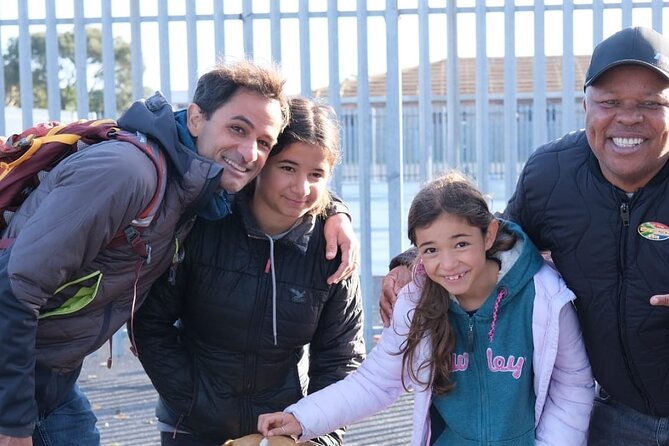
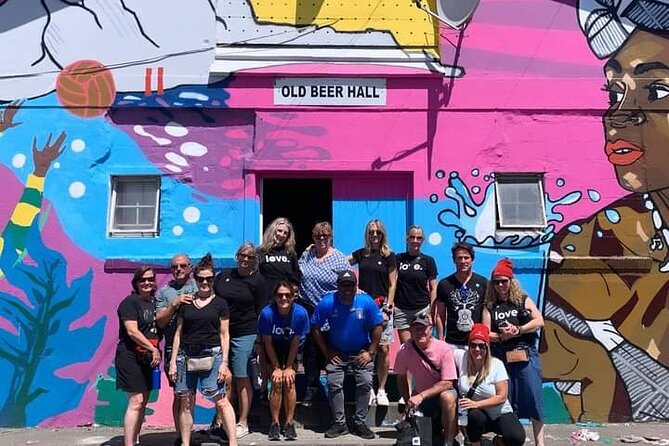
Stop 2 is Guga S’thebe Arts and Cultural Centre in Langa Township. This is where the tour shifts from memory to what people are building now. It’s also one of the most practical stops, because you see community programs tied to skills and work.
The centre offers arts and culture training in areas such as metalwork, pottery, dance, arts and crafts, traditional dancing, choir training, music, and poetry. That is a wide range, and it signals something important: the centre is not only for spectatorship. It is for learning and participation.
There is also community theatre, where local groups can stage performances. That helps you understand that township culture is not something that only exists in art pieces and posters. It exists in rehearsals, performances, and shared storytelling.
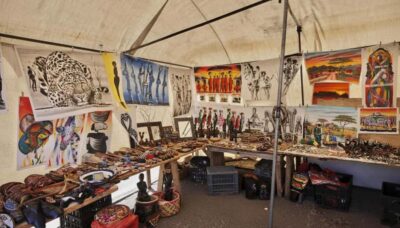
Then there is the arts and craft shop. Buying from it is a direct way to support local makers. Beyond that, the centre provides support services for small entrepreneurs and businesses, including accounting and secretarial services. That part is especially meaningful because it links creativity to survival skills like paperwork and business administration.
Why I like this second stop so much
If Stop 1 makes you think about what was done to people, Stop 2 helps you see what people are doing to move forward. The emotional arc is balanced. You leave with a better grasp of both the past and the present, and you also see where community energy is going.
A consideration at Stop 2
The time is shorter at about 1 hour. If you get absorbed by the training and shop, you might wish you had longer. That is not a flaw, it just means treat this like a taste. You can always return later if you want to support or learn more.
Price and value: what $45.72 really buys you
The price is $45.72 per person, and the tour is listed as including all fees and taxes, plus entrance fees. Admission tickets for the stops are part of what you pay for, and that can make a big difference in value.
Why? Because township tours often include transport but leave you to pay entrance costs separately. Here, the ticketed stops are folded in. You are also getting air-conditioned vehicle transport and an experienced guide structure built around two major locations.
It’s a short half-day experience at about four hours. That helps your overall travel planning in Cape Town. You can fit it into a busy schedule without losing the whole day, while still seeing things that most visitors miss.
Also, the company running the tour is Township Tours Imivuyo. The tour’s focus on Langa residents as staff is part of why people feel it is worth it, because it keeps the educational weight local.
One more practical point: lunch is not included. That means you should budget time for a meal nearby after the tour. If you skip lunch entirely, you might feel it by late afternoon. If you plan snacks, the experience feels smoother.
Who should book this tour in Cape Town
This is a great fit if you are visiting Cape Town for the first time and you want more than the postcard version. It’s also a strong choice if you like tours that teach context through real spaces, not only through read-aloud facts.
You will enjoy it most if you:
- want to understand apartheid-era impacts through the places where policies played out
- appreciate learning from local staff and community-run institutions
- feel comfortable with a moving subject, followed by hopeful, active community programs
It may not be ideal if you want a purely light, casual walk with zero emotional weight. Also, because it’s weather-dependent and includes walking, I would plan it when you can dress for changing conditions.
Practical tips for your day (so the tour feels easy)
A walking tour works best when you reduce friction. Keep your phone charged for your mobile ticket, but do not rely on it if signal is spotty. Bring a small bag for water, and wear shoes you can stand in for a while.
If you tend to get cold in air-conditioned vehicles, bring a light layer. It is common for transport to run cool, and it can feel like a temperature whiplash when you step outside.
Since lunch is not included, decide before you go what you will do afterward. If you wait until you are hungry, you end up rushing. A simple plan keeps the mood right.
If you are sensitive to heavy topics, give yourself a buffer after the tour. A short rest before dinner helps you process what you saw and heard.
Should you book this Langa township walking tour?
I think you should book it if you want Cape Town with real context and you are ready for both remembrance and present-day creativity. The combination of Dompas Museum and Guga S’thebe makes the time feel balanced, not one-sided. The fact that admission is included also makes it a straightforward value choice.
If you are short on time in Cape Town, this is a workable half-day option. It does not take over your whole day, but it still goes beyond surface-level sightseeing.
One last note for the best experience: be curious, be respectful, and let the guide-led pace set the rhythm. This is the kind of tour where small moments of conversation matter as much as the stops themselves.
FAQ
How long is the Township Walking Tour in Langa?
It lasts about 4 hours.
Where does the tour take place?
The walking tour is in Langa Township in Cape Town.
What stops are included?
You visit Langa Heritage / Dompas Museum, including Langa Old Flats, and then you visit Guga S’thebe Arts and Cultural Centre.
Is pickup included?
Pickup is offered, and you are transported in an air-conditioned vehicle.
Is lunch included in the price?
No. Lunch is not included.
What is included in the tour price?
The tour includes an air-conditioned vehicle, all fees and taxes, and entrance fees.
What is the price per person?
The price is $45.72 per person.
What if the weather is poor or plans change?
The tour requires good weather. If it is canceled due to poor weather, you will be offered a different date or a full refund. The tour also has free cancellation, with a full refund if you cancel at least 24 hours in advance.
How big is the group?
This experience has a maximum of 60 travelers.
Newest reviews around Cape Town
- Cape Town: Half-Day Guided City Sightseeing Tour by Bus★ 4.8 · 7 reviews
- Cape Town to Cape Point Private Day Tour★ 4.5 · 7 reviews
- Abseiling Table Mountain★ 5.0 · 7 reviews
- Table Mountain Group Hike – Solo Travelers welcome★ 4.1 · 7 reviews
- Private Tour:Cape of Good Hop>Chapman’s >Penguin>Seal island★ 5.0 · 7 reviews
- Pre-Booked Ticket Robben Island Half-Day Tour from Cape Town★ 2.8 · 7 reviews
- Cape Town Airport and Hotel Private Transfers★ 5.0 · 7 reviews
- Table Mountain, Boulder’s Penguins & Cape Point Private Tour★ 4.5 · 7 reviews
Township Tours, compared.

Half Day Township Tour in Cape Town South Africa
Read our review →
Authentic 3-4 Hour Cultural Township Experience
Read our review →
Browse the lists this tour appears in