
Reviewed · TOWNSHIP TOURS
Cape Town: Langa Township Walking Tour
What makes the Cape Town Langa Township Walking Tour interesting is that you are walking with local guides from Langa who earn directly from the experience. Langa is one of the older townships near Cape Town, founded in the 1920s, and it carries layers of apartheid-era planning, plus modern day creativity and community problem solving.
I love two things most: the art and culture stops, especially the Langa Heritage Museum and the Guga S’thebe Arts and Cultural Centre, where the stories behind the murals and performances get explained by people who live them. I also like the Q and A style. Guides such as Mike Zuma and Thando are known for making space for your questions, while keeping the tone respectful and grounded.
One possible drawback: expect a real walking pace. You should wear comfortable shoes because you will be moving for about 150 minutes on uneven streets and sidewalks.
Key highlights you should not miss

- Guga S’thebe Arts and Cultural Centre start with a traditional dance show (about 15 minutes), often with extra cultural moments
- Langa Heritage Museum and heritage context including why the name matters (sun in Xhosa) and how apartheid shaped Langa
- Street art, murals, and social meaning explained in plain language, not as an art lesson for tourists
- Community projects and social enterprises focused on youth, cooperatives, sustainability, and skills building
- Market and food stop options for crafts and traditional dishes such as bunny chow, braai, or koeksisters (when offered)
- A local home visit plus a Langa art gallery that adds context beyond the street scenes
Why Langa, and why a walking tour works
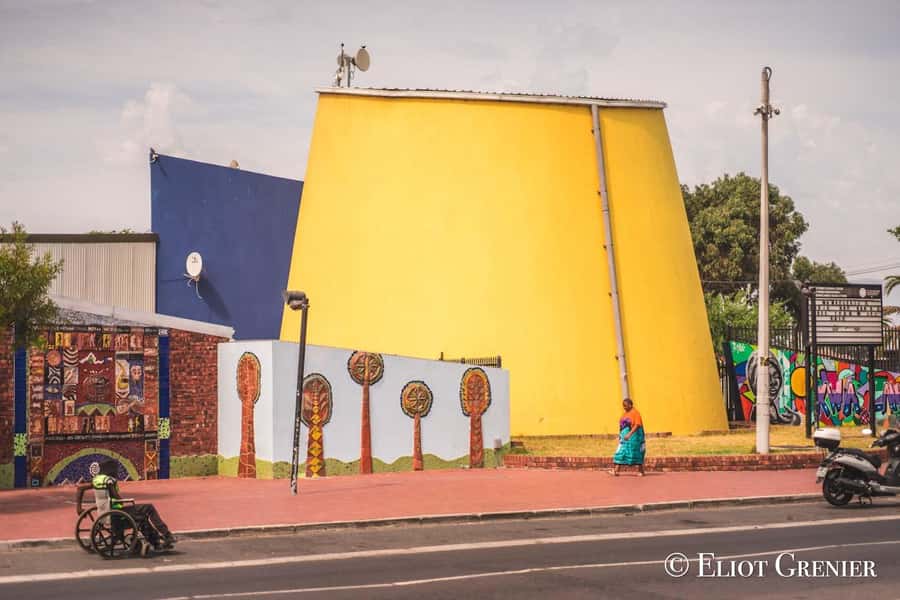
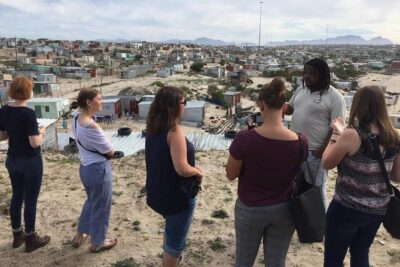
Townships can be misunderstood in two ways. Either people treat them like sad photo backdrops, or they ignore them and focus only on the postcard version of Cape Town. Langa is different because you are there to learn how daily life works, and how residents are shaping what comes next.
This tour is set up as a walking experience because it forces you to pay attention. You see how the neighborhood is organized, where people gather, and how art functions as communication, not decoration. You also get a better sense of distance and time, which matters when you are hearing about education, work, and community initiatives.
The other reason walking matters: the guide is usually the bridge. The tour is led by a qualified English speaking guide, and the experience is designed so the people in Langa benefit directly. That makes a difference in tone. You are not being herded past the community. You are being invited into the conversation.
More Township Tours in Cape Town
- Cape Town: Guided Township Tour with Hotel Pickup
★ 4.4 · 536 reviews - Cape Town: Nathi Langa Township Walking Tour
★ 4.9 · 493 reviews - Half Day Township Tour in Cape Town South Africa
★ 5.0 · 303 reviews
Before you go: shoes, cash tips, and the right mindset
Plan for a practical day, not a polished museum outing. Wear comfortable clothes you can move in, and bring supportive shoes. The streets are not meant for slow strolling.
Bring cash for two reasons. First, the tour explicitly asks that you tip the guide. Second, many stops are tied to local initiatives and small businesses. Even if nothing is required, small amounts help you be part of the day rather than a silent observer.
Also, keep your expectations aligned with reality. This is a tour about history, but it is equally about current life. You may hear about economic challenges and the work people do to improve opportunities, especially for youth. That means some moments can feel heavy. The best guides balance honesty with respect, and they usually end with a reflective discussion so you leave thinking, not just reacting.
One more tip: if your tour includes meeting kids, ask the guide what is appropriate. Some guides prefer donations or simple items over things like school supplies, because children can get excited fast and it can become disruptive.
Meeting at Guga S’thebe, then a cultural kickoff

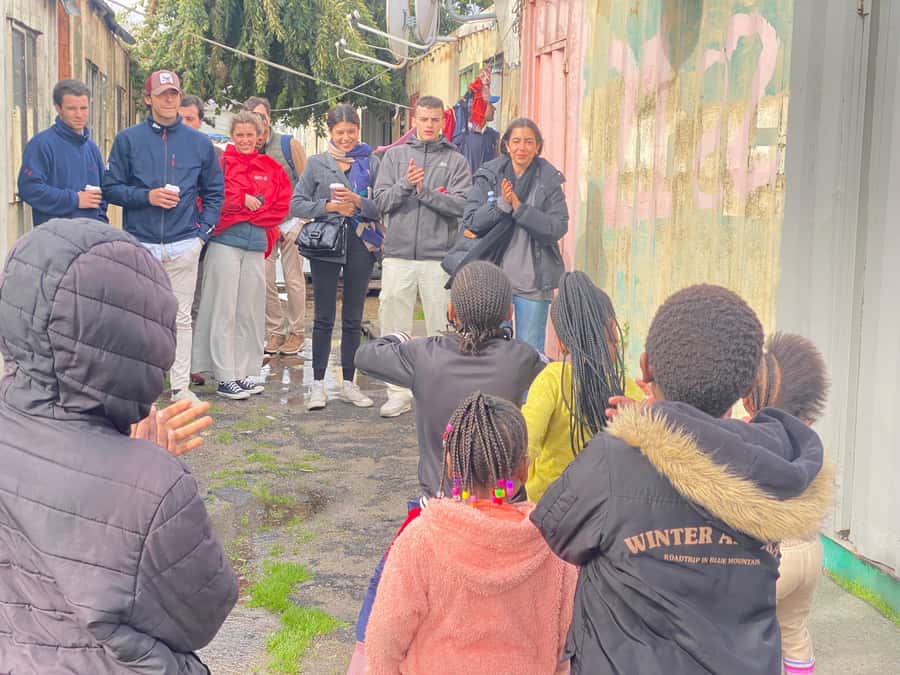
You meet at Guga S’thebe Arts and Cultural Centre. This is a smart starting point because it sets context before you head out into the neighborhood. Expect an arts and crafts market stop at the visitor center, along with a traditional dance show for about 15 minutes.
This is also where you can get the first feel for the community’s cultural rhythm. The dance portion is often the show element, but you might also see hands on moments like drumming, depending on the day. Either way, the point is the same: you are not starting with facts on a page, you are starting with expression.
From there, the group transitions into town walking. There is usually a short photo stop as well, around 10 minutes. The guide will manage where and when, which helps you take pictures without turning the day into a photo shoot.
Heritage museum stop: Langa’s name, its past, and its stakes today
A big reason people love this tour is that it gives you history you can actually hold in your head. You start with the background: Langa was established in the 1920s and is deeply connected to apartheid era policies. The guide should also explain the significance of the name, which means sun in Xhosa.
But the museum stop is not just about the past. You should hear how residents describe today’s socio economic challenges, and also what development and empowerment efforts look like in real life. The tone is usually direct. You get the cause and effect, not just the slogan.
What makes the museum stop valuable is that it turns abstract terms like segregation and displacement into something you can point to. You see why specific community initiatives exist, and you understand why art, education, and cooperative work keep showing up on the tour route.
More Walking Tours in Cape Town
- Cape Town: Art, Culture & History Walking Tour
★ 4.9 · 392 reviews - Cape Town: Street Art Walking Tour in Woodstock
★ 4.8 · 293 reviews - Cape Town: Private Walking Tour with a Local
★ 4.6 · 243 reviews - The 10 Tastings of Cape Town With Locals: Private Food Walking Tour
★ 4.5 · 169 reviews
Street art and murals: how walls become communication

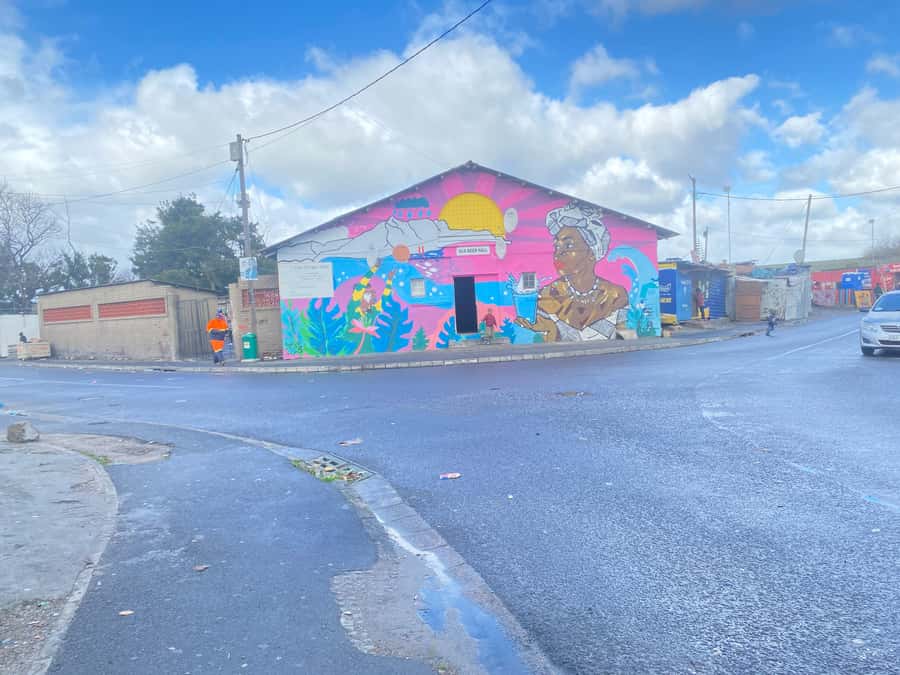
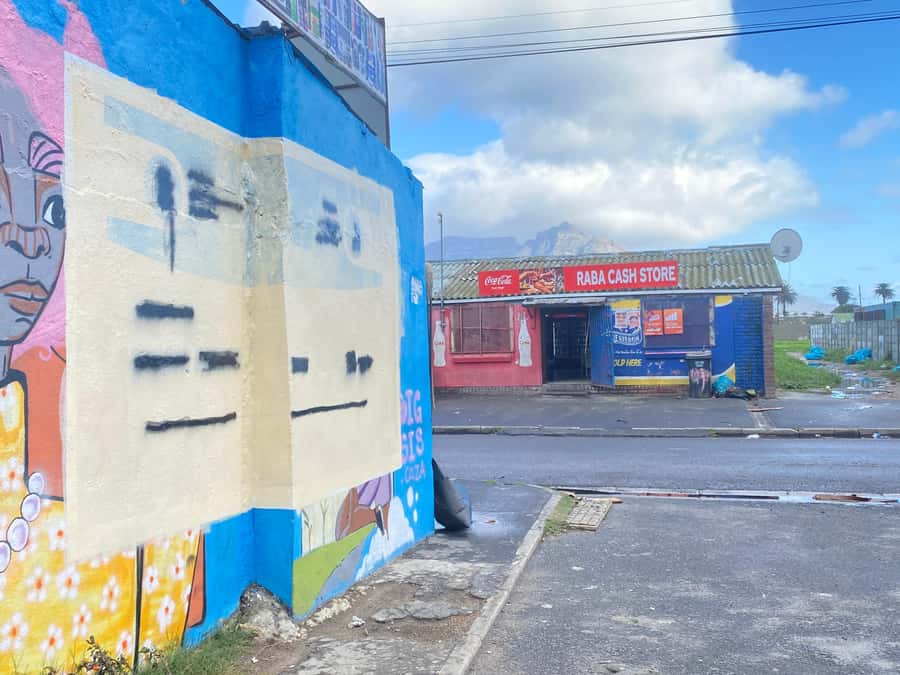
Walking the streets in Langa means your eyes will keep catching the same thing: murals, street art, and visual messages that reflect struggle, hope, and aspiration. On this tour, you do not just pass them. You are taught how to read them.
Your guide should explain what art represents in the community, including how murals and creative work become social commentary. This is where the tour stops feeling like a checklist and starts feeling like a conversation.
Some routes can also include practical contrasts in the neighborhood. For example, you might hear about or see comparisons between different housing styles, including areas residents describe with nicknames, and you may also pass by places tied to local services or offices. The exact stops can vary by day and by what the guide can coordinate, but the guiding idea is consistent: you are learning how Langa functions as a living system, not just a place with walls and houses.
Community projects and social enterprises you can actually ask about
If you want to understand what residents are doing beyond surviving, this is the section of the day that tends to land hardest. The tour includes stops connected to community projects and social enterprises, often with a focus on education and youth.
You might meet people connected to cooperatives, workshops, or community initiatives aimed at job skills and support for young residents. The tour highlights include local projects and community centered cultural spaces, and the guides typically talk about what is working, what is still difficult, and what help makes the biggest difference.
This part is also where the guide’s personality matters. Many guides on this tour are known for being proud of Langa and for encouraging questions. People mention feeling safe and respected, and that they could ask anything on their mind. That is not a small detail. It is the difference between learning passively and learning with context.
One practical note: these are community spaces, not theme parks. Follow your guide’s lead on photography rules and on how close you stand. If the guide tells you not to take photos of children, listen without arguing.
Market stop and local food: where crafts meet everyday life
The tour usually includes an arts and crafts market visit at the start area. This is a good time to look for locally made items, but remember the tour itself does not include art and crafts purchases. If you want something, budget for it.
Food can be part of the experience too. The tour description specifically mentions a chance to sample traditional South African dishes like bunny chow, braai, or koeksisters at a local eatery or food stall, depending on how the guide plans the route that day.
This matters for two reasons. First, food is social. It is part of how people gather and celebrate, even when money is tight. Second, sharing a meal in the neighborhood gives you a more accurate picture of daily life than snack stops in tourist zones.
If you do not eat spicy food or you have dietary restrictions, tell your guide early. The best guides plan with you in mind.
The included local home visit: why it can be powerful
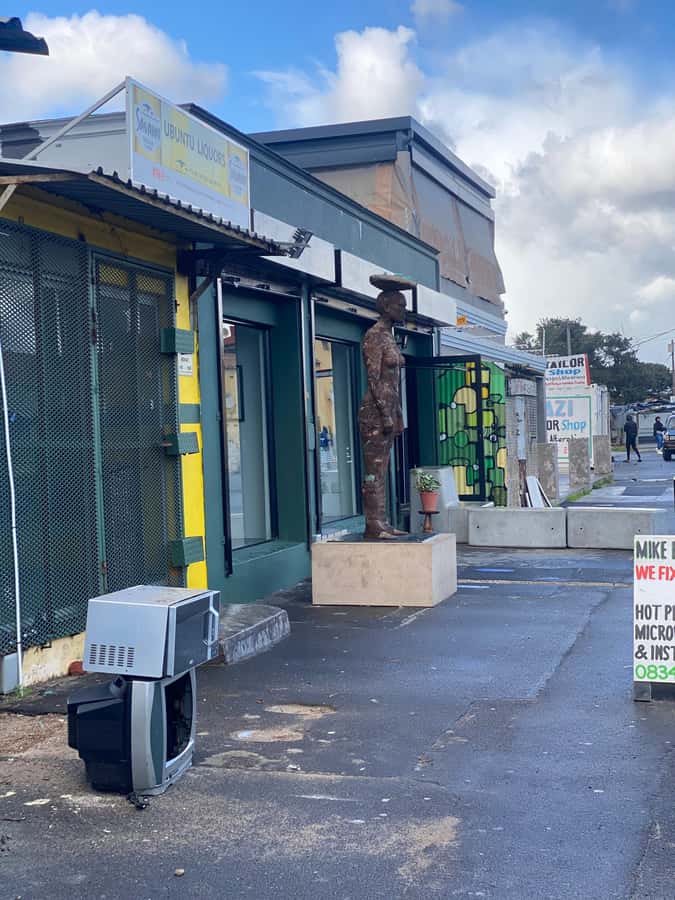
One of the included items is a visit to one local home. This is often the moment that shifts the tour from general information to personal understanding.
At its best, the home visit is a respectful exchange, with the guide translating not just language, but context. You learn what daily life involves and why community relationships matter. You also see the reality of space, resources, and resilience up close.
There is also a practical side. Home visits mean you may step into private areas where rules are different from public streets. Follow the guide’s instructions closely, keep your camera off unless allowed, and treat the visit like someone is hosting you, because they are.
Langa art gallery and the last stretch of meaning

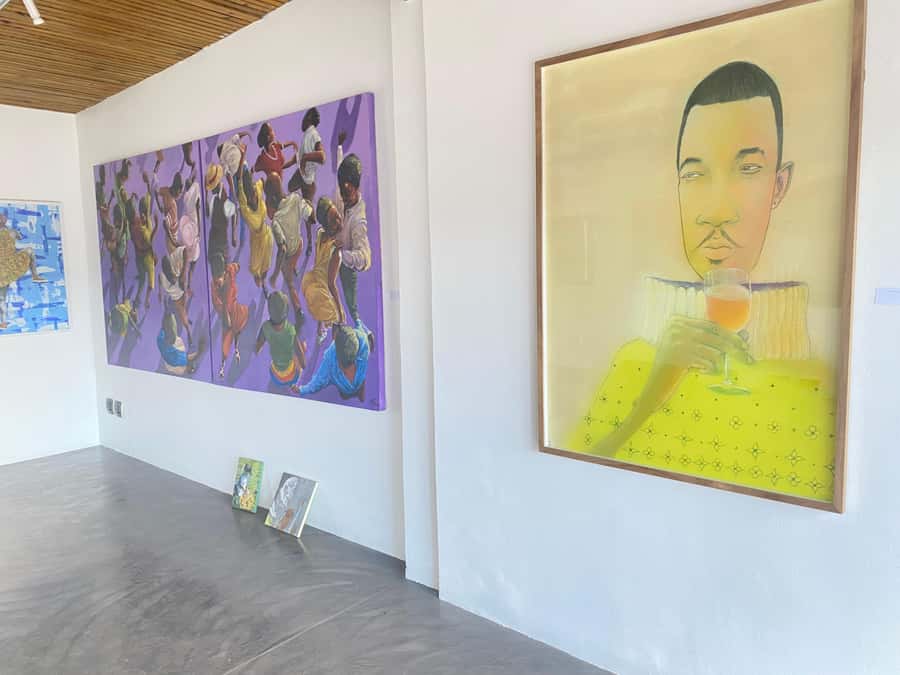
The tour includes a visit to a Langa art gallery. This is a nice pairing with the street art you saw earlier. On the street, art can be raw and public. In the gallery, it is often framed differently, and you get another angle on how artists express identity and experience.
Near the end, many guides wrap up with reflection and discussion. That is not filler. It is where you connect what you saw to what you will remember.
The final takeaway should not just be facts. It should be understanding of complexity: Langa is shaped by the past, but residents are also building for the future. If your guide talks about initiatives for youth, cooperatives, education programs, or sustainability projects, that is the tour doing its job.
Safety, walking pace, and what to do if you feel unsure
Safety is one of the most repeated themes in the experiences people describe. Guides are careful about where they walk and how they manage the group. Many visitors say they felt safe at all times, mostly because the guide is leading and coordinating every step.
Still, use common sense. Stay with the group. Do not wander. If something feels off, tell your guide immediately.
Because you are in a working community, not a controlled attraction, you will likely encounter more street activity and more spontaneous conversations than you would in the city center. That is normal here. The guides who do well on this tour tend to be the type who can handle questions and manage boundaries without making you feel like you are intruding.
Also, about access: the activity information says wheelchair accessible, but it also says not suitable for wheelchair users. If you use a wheelchair or need step free routes, confirm details with the operator before you book.
Price and value for a $37, 150-minute experience
At about $37 per person for around 150 minutes, this is not a bargain gimmick. It is positioned as a local guided experience with direct community benefit.
The value comes from a few specific elements:
- You get a structured walking route with meaningful stops, not just a drive by.
- You have an English speaking guide who stays with you and explains what you are seeing.
- You visit a local home and an art gallery, which adds depth you do not get from simple street tours.
- You have time for Q and A, which is where the learning sticks.
Yes, you will be doing a lot of walking. And yes, you should plan for small extra spending if you want crafts or optional food. But if you want a fuller picture of Cape Town beyond the usual tourist route, this price is hard to beat.
Who should book this tour, and who should skip it
Book this tour if you want context. If you care about history, art, and how communities organize around education, youth support, and local enterprises, you will get more out of it.
This is also a strong choice if you like meeting people and asking questions. The guides described with the highest praise tend to be friendly, patient, and willing to tailor the route based on what you want to see.
Skip it if you cannot do a walking tour or you need a step free route. Also skip it if you expect a strict itinerary that never changes. A good guide may adjust timing based on what is available and how the community wants to engage that day.
Should you book the Cape Town Langa Township Walking Tour?
Yes, if you want a serious, human sized look at Cape Town that goes past the obvious sights. I like this tour because it gives you both context and contact: museum style explanations, street level art, and community projects where people are actively working on solutions.
Do not go looking for suffering photos. Go looking for stories, names, and explanations. Bring comfortable shoes, a bit of cash for tips and optional purchases, and a willingness to listen. If you do that, this one will likely stick with you long after you leave Langa.
FAQ
How long is the Langa Township walking tour?
The tour duration is listed as 150 minutes, about 2.5 hours.
What is the price per person?
The price is listed as $37 per person.
Where is the meeting point?
The meeting point is Guga S’thebe Art Center.
What language is the guide?
The live tour guide is listed as English.
What is included in the tour price?
Included items are a qualified tour guide, a visit to a local home, and a visit to a Langa art gallery.
Is there a market or cultural performance included?
The visitor center stop includes an arts and crafts market visit, and a traditional dance show for about 15 minutes.
Is local food included?
The tour description mentions a stop to sample traditional South African dishes such as bunny chow, braai, or koeksisters, if available.
Should I bring money for tips or purchases?
Tipping the guide is specifically mentioned. Art and crafts are listed as not included, so if you want to buy items, plan extra cash.
Is the tour wheelchair accessible?
The info lists wheelchair accessible, but it also says it is not suitable for wheelchair users. You should confirm details with the operator before booking.
FAQ
What should I wear for the walking tour?
Wear comfortable shoes and clothes suitable for walking.
Is free cancellation available?
Yes, free cancellation is available up to 24 hours in advance for a full refund.
Newest reviews around Cape Town
- Cape Town: Half-Day Guided City Sightseeing Tour by Bus★ 4.8 · 7 reviews
- Cape Town to Cape Point Private Day Tour★ 4.5 · 7 reviews
- Abseiling Table Mountain★ 5.0 · 7 reviews
- Table Mountain Group Hike – Solo Travelers welcome★ 4.1 · 7 reviews
- Private Tour:Cape of Good Hop>Chapman’s >Penguin>Seal island★ 5.0 · 7 reviews
- Pre-Booked Ticket Robben Island Half-Day Tour from Cape Town★ 2.8 · 7 reviews
- Cape Town Airport and Hotel Private Transfers★ 5.0 · 7 reviews
- Table Mountain, Boulder’s Penguins & Cape Point Private Tour★ 4.5 · 7 reviews
Township Tours, compared.

Half Day Township Tour in Cape Town South Africa
Read our review →

Authentic 3-4 Hour Cultural Township Experience
Read our review →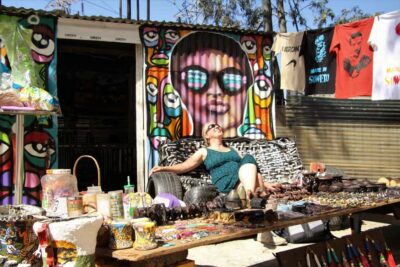
Half-Day Small-Group Township Tour South Africa from Cape Town
Read our review →Browse the lists this tour appears in