

Reviewed · APARTHEID HISTORY TOURS
Township – Langa – Apartheid Museum Plus Arts and Culture Tour
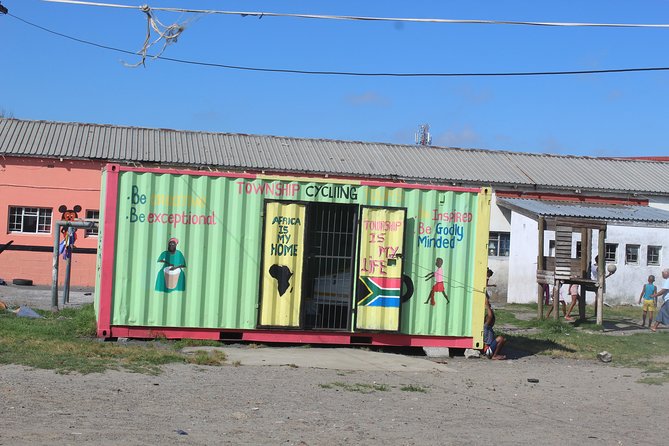
A half-day trip to Langa Township is interesting because it mixes day-to-day community life with the stories that shaped it. You get to visit Gugu S’thebe and then move through key places that help explain apartheid’s lasting impact.
I especially liked two parts: the African drum (djembe) lesson that turns history into something you can actually do, and the craft-focused stops where you can meet local artists and buy real handmade goods. For me, that combination made the tour feel grounded, not staged.
One consideration: this is not a light, casual outing. You’ll learn about forced removals and segregation in places like the Apartheid Hostel, so go in with emotional readiness and respect for the topic.
Key highlights to look for
- Gugu S’thebe Cultural Centre entry included for District Six forced removal context tied to the people of the area
- Short djembe drum lesson that’s beginner-friendly and hands-on
- Apartheid Hostel stop to understand how apartheid policy shaped daily life
- Art and Craft Market walk with time to browse and buy locally made handicrafts
- Langa Taxi Rank to see how transportation works in the township, beyond the tourist gaze
- Small group size (max 13) plus air-conditioned round-trip transfers and bottled water
Getting from the Waterfront to Langa Township (and why it matters)
This tour starts right at the Silo Hotel at Silo Square in the Victoria and Alfred Waterfront area, with an 8:30 am pickup. From there, you head to Langa in an air-conditioned vehicle, and you’ll get bottled water during the outing. For many people, that comfort and direct pickup is a big part of the value, because it removes the hassle of figuring out logistics on your own.
The tour is about 4 hours total, and it’s designed as a half-day experience. That means you can fit it into a packed Cape Town itinerary without eating your entire day. You also avoid the common problem with longer township tours: fatigue that can make it harder to take in what you’re seeing and hearing.
Finally, the group is small, with a maximum of 13 travelers. In practice, this usually leads to a more human pace. You’re more likely to get questions answered, and it helps the tour feel less like a bus window tour and more like a guided conversation.
More Museums in Cape Town
- Museum of Contemporary African Art: Fast-Track Zeitz MOCAA
★ 4.4 · 204 reviews - Cape Town: Private Guided Tour of Cape Town Diamond Museum
★ 4.7 · 156 reviews - ROBBEN ISLAND MUSEUM TOUR, WITH OPTIONAL LAST MINUTE TICKETS
★ 3.4 · 85 reviews
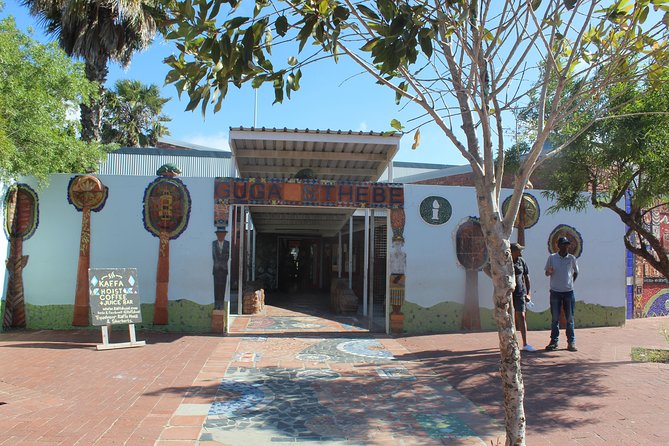
Gugu S’thebe Cultural Centre: District Six removals, community art, and practical learning
Your first major stop is Gugu S’thebe, where you spend time at a District Six-related museum space focused on forced removals in 1968. The key takeaway here is not just that removals happened, but how the process functioned, including how people were treated after being forcibly moved out of their area into what became townships. The setting also explains that the poorest people lived there and how racial groupings shaped housing and segregation.
If you want to understand the real texture of apartheid, this kind of stop matters. It connects policy to lived experience. You can stand in a place and follow the story from legislation to daily consequences, instead of only reading about it later.
Then the tour shifts from exhibits to what the center is doing now. You’ll move through the Guga’s Thebe Arts and Cultural centre area, where locals meet to showcase talent and discuss community issues through performing arts and local conversations. This is important because it’s not just about the past. You see how culture and community spaces keep functioning, even when the systems around them were designed to break people apart.
You also get a short African drum lesson, about 10 minutes. The format is simple: you learn to play the African drum (djembe), and it’s one of the most popular activities at the center. Even as a total beginner, you’ll likely get enough guidance to feel like you participated, not just watched.
Djembe lesson and pottery browsing: where participation beats watching
This is one of those moments where the tour earns its keep. A lot of sightseeing is passive. Here, you get a small, structured chance to take part. The rhythm lesson is brief, but it’s memorable because it links sound, movement, and the idea that cultural practice is living, not frozen in a museum frame.
Inside the center, you may also see artists teaching local kids how to do pottery. That’s a big part of why this stop feels more authentic than a quick photo stop. When you’re standing near hands-on learning, you understand how skills get passed along in real community settings.
And yes, there’s shopping, and it’s worth treating it as a conversation. You have the opportunity to buy handmade items like an African Big 5 pottery cup. You may also see other pottery pieces, including ones that look like everyday objects made with care. The practical tip: if you plan to buy pottery or crafts, leave some room in your bag and keep cash or a card that works with small vendors. Even a small purchase can be a direct way to support local makers.
Understanding apartheid’s daily impact at the Apartheid Hostel

After Gugu S’thebe, you visit the Apartheid Hostel, a stop that centers on the impact of apartheid. The wording around this part can sound abstract until you’re in a place tied to how apartheid policy worked on the ground.
For your planning, think of the Hostel stop as your “what it did to people” moment. Where the earlier center focused on forced removals and community conditions, the Hostel helps explain how segregation shaped how people lived, interacted, and navigated restrictions. You should expect the tone to be heavier than a standard arts-and-culture tour.
One good way to approach it is to keep two questions in mind: How did policy decide where people could live? And what did that mean for daily routines like work, access, and mobility? If you keep those questions active, the stop becomes more than a history lesson. It becomes a map for understanding what you’ll still see in townships today.
More Township Tours in Cape Town
- Cape Town: Guided Township Tour with Hotel Pickup
★ 4.4 · 536 reviews - Cape Town: Nathi Langa Township Walking Tour
★ 4.9 · 493 reviews - Half Day Township Tour in Cape Town South Africa
★ 5.0 · 303 reviews - Cape Town: Langa Township Walking Tour
★ 4.8 · 272 reviews
Art and Craft Market: browsing with purpose, not just souvenirs
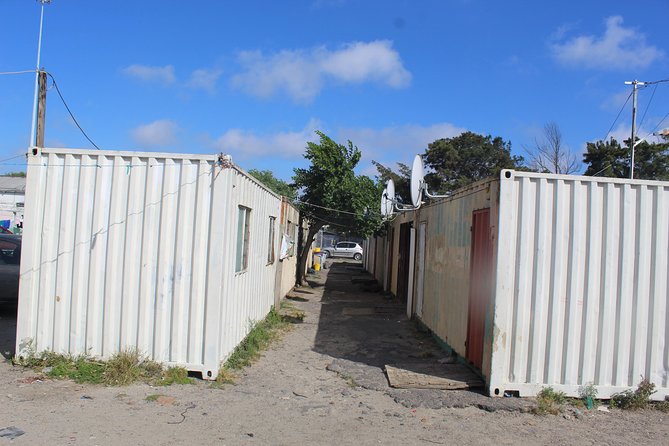
Next, you walk through the Art and Craft Market. This is your chance to slow down and look at what’s being made locally. Since the tour is built around arts and culture, this isn’t treated like a detour. You get time to browse with context from earlier stops, so you can better tell the difference between mass-produced trinkets and items made with local craft traditions.
If you want to buy something, this is the moment. The tour explicitly makes room for purchasing locally made handicrafts, and it’s often easier to make a thoughtful choice when you’ve already learned the cultural background of the place you’re buying from.
Practical advice: go in with a budget in mind and only buy what you genuinely want to take home. Your eyes will likely catch lots of beautiful items, but a good souvenir should earn a place in your home life, not just your tote bag.
Langa Taxi Rank: how transportation works when you stop treating it like scenery

One of the more useful stops is the Langa Taxi Rank, where you see how transportation works in the township. This is the kind of detail tourists often skip, but it’s exactly what helps you understand daily life.
Instead of only looking at buildings and murals, you’re observing something functional. How people move, how routes are managed, and how the system supports everyday needs. It turns a place from a backdrop into a real environment where people solve real problems.
It’s also a reminder to keep your phone habits in check. If you’re photographing, do it respectfully and only when it feels appropriate. A taxi rank is working space, not a set.
Transfers, timing, and what to wear for this 4-hour format
Because the tour uses round-trip transfers in an air-conditioned vehicle, your biggest exposure time outdoors is mostly connected to walking segments and market browsing. Still, Cape Town weather can shift, and this experience is described as requiring good weather.
What that means for you:
- Wear comfortable walking shoes you can handle on uneven surfaces.
- Bring sun protection and a light layer you can manage if it cools down.
- Keep water within reach. Bottled water is included, but you might still want a small personal snack if you’re sensitive to hunger.
Timing is also tight in a good way. You’re out for about 4 hours, starting at 8:30 am. This makes it a great option if you like morning activities and want the rest of your day free for other parts of Cape Town.
Lunch is not included, so plan for either a meal afterward or a quick stop nearby once you return to the meeting point. If you tend to get hungry early, I’d rather you plan a post-tour plan than gamble on timing.
Price and value: what $86.58 gets you in the real world
At $86.58 per person for a half-day, you’re paying for several things that add up quickly if you tried to DIY:
- Guided context that helps you interpret forced removals and apartheid-era housing systems
- Entry to the Gugu S’thebe Arts and Craft Centre + Community Centre
- A short djembe lesson (hands-on, not just a viewing experience)
- Round-trip transfers in an air-conditioned vehicle
- Bottled water
- Small-group attention (up to 13 travelers)
The strongest value is the way the tour blends interpretation with participation. Many tours in popular areas charge similarly for transportation plus a visit, but don’t include an interactive element like a drum lesson or a guided walk through specific places like the taxi rank.
One more value point: the experience includes the opportunity to buy art and crafts, without forcing it. That’s nice because you can choose to browse freely and still leave with something you truly like.
Who this tour suits best (and who might want a different style)
I think this is a strong fit if you want more than sightseeing. You’ll likely enjoy it if you’re interested in how apartheid policy affected housing and daily life, but you also want arts and community elements, not just a lecture.
This tour also makes sense if you like small groups. A max of 13 travelers is a sweet spot for asking questions and not losing the thread of the story.
If you’re looking for purely light entertainment, this may feel intense because forced removals and apartheid-era segregation are part of the core stops. If you prefer emotional distance, you might want to choose a different kind of Cape Town tour that doesn’t focus so directly on these topics.
Should you book this Langa Township tour?
Book it if you want a half-day experience that combines cultural learning with real-world context, and you like the idea of doing something hands-on like the djembe lesson. The small group size, included entry at Gugu S’thebe, and air-conditioned transfers make it practical.
Don’t book it if you’re seeking a casual, purely scenic outing, or if you know you want to avoid heavy themes about forced removals and apartheid-era housing. Even then, if you do book, treat it like a respectful education moment, not a checklist.
If your goal is to understand Cape Town beyond the postcard, this one is a solid choice.
FAQ
How long is the Langa Township art and culture tour?
It runs for about 4 hours.
What time does the tour start and where is pickup?
Pickup is at The Silo Hotel in Silo Square, Victoria and Alfred Waterfront, and the start time is 8:30 am.
What does the price include?
It includes bottled water, air-conditioned round-trip transportation, entry to Gugu S’thebe Arts and Craft Centre + Community Centre, and the chance to learn to play the African drum (djembe).
Is lunch included?
No, lunch is not included.
What stops will I visit during the tour?
You’ll visit Gugu S’thebe, the Apartheid Hostel, the Art and Craft Market, and the Langa Taxi Rank.
How big is the group?
The tour has a maximum of 13 travelers.
Is there an entry ticket included for Gugu S’thebe?
Yes, entry to Gugu S’thebe Arts and Craft Centre + Community Centre is included.
What if I need to cancel?
Free cancellation is available up to 24 hours before the experience start time for a full refund, with full refund rules requiring at least 24 hours notice. The experience requires good weather, and if canceled due to poor weather you’ll be offered a different date or a full refund.
More apartheid-history tours
- Robben Island Nelson Mandela’s Prison Museum and Table Mountain Plus All Tickets
★ 4.5 · 13 reviews - Robben Island, Bokaap, Mandela Glasses. tickets conf 8am next day
★ 5.0 · 11 reviews - Robben Island Nelson Mandela’s Prison Museum + Township Tour incl Ferry Tickets
★ 5.0 · 9 reviews - Nelson Mandela’s Robben Island Prison Museum Cape Town City Tour + Ferry Tickets
★ 5.0 · 7 reviews
Newest reviews around Cape Town
- Cape Town: Half-Day Guided City Sightseeing Tour by Bus★ 4.8 · 7 reviews
- Cape Town to Cape Point Private Day Tour★ 4.5 · 7 reviews
- Abseiling Table Mountain★ 5.0 · 7 reviews
- Table Mountain Group Hike – Solo Travelers welcome★ 4.1 · 7 reviews
- Private Tour:Cape of Good Hop>Chapman’s >Penguin>Seal island★ 5.0 · 7 reviews
- Pre-Booked Ticket Robben Island Half-Day Tour from Cape Town★ 2.8 · 7 reviews
- Cape Town Airport and Hotel Private Transfers★ 5.0 · 7 reviews
- Table Mountain, Boulder’s Penguins & Cape Point Private Tour★ 4.5 · 7 reviews
Apartheid History Tours, compared.

Soweto /Johannesburg and Apartheid Museum Guided Full Day Tour
Read our review →
Jo’berg in 1 Day: Soweto, Apartheid Museum & City Tour
Read our review →
Full-Day Tour with Soweto and Apartheid Museum
Read our review →
Full-Day Soweto, Apartheid Museum and Lunch Tour
Read our review →
Half Guided Day Tour of Soweto And Apartheid Museum
Read our review →
Ultimate Johannesburg Soweto Experience with Apartheid Museum
Read our review →
Hop-On Hop-Off Bus, City Tour and Apartheid Museum
Read our review →
Johannesburg and Soweto Apartheid Full Day Tour w/Lunch
Read our review →Browse the lists this tour appears in