
Reviewed · APARTHEID HISTORY TOURS
Soweto & Johannesburg and Apartheid Museum
This is one of those Johannesburg itineraries that turns a single day into real understanding. You’ll move from the dense city core into Soweto, then end with the Apartheid Museum, where the story gets hard to ignore.
What I like most is the way it focuses on people and neighborhoods, not just dates. I also like that you get time in places tied to Nelson Mandela’s life and the wider anti-apartheid story, including a stop on Vilakazi Street.
The main drawback is that the themes are heavy. You’re going to see stark contrasts, and you should go in with an open mind and the emotional stamina to sit with uncomfortable history.
Key highlights you’ll actually feel on this day
- Hillbrow’s density gives you a fast reality check on how people live, work, and move in Joburg
- Diepkloof in Soweto shows the contrast on the ground, from formal structures to informal housing
- Vilakazi Street + Mandela House Museum connects the political story to a very personal one
- African tradition medicine stop adds a lived-in cultural lens, not just political talking points
- Munro Drive viewpoint helps you “read” the city from above before you walk the streets
- Apartheid Museum (2 hours) gives you time to process, not just rush the galleries
Why this Soweto and Johannesburg route works in 8 hours
If you only have a day, this tour is built for you. It strings together the Johannesburg city layers that outsiders often miss: the downtown energy, the crowded inner-city areas, and then Soweto, where the anti-apartheid struggle is still part of the street-level landscape.
You’re not just touring “sights.” The route is designed to show contrasts: the density of Johannesburg, the everyday commerce you can spot from the roadside, and Soweto neighborhoods that reflect years of forced separation. That structure matters because it helps the history make sense in your head, not just in a museum caption.
You should also know what the schedule implies. It’s not an all-day roam with free time every hour. It’s a guided, set-path day. That’s great if you want clarity, less great if you’re craving long independent wandering.
More Museums in Johannesburg
- Soweto /Johannesburg and Apartheid Museum Guided Full Day Tour
★ 5.0 · 932 reviews - Jo’berg in 1 Day: Soweto, Apartheid Museum & City Tour
★ 4.8 · 524 reviews - Johannesburg: Full-Day Tour with Soweto and Apartheid Museum
★ 4.8 · 478 reviews
Price and value: what $92 includes, and what it does not
At around $92 per person for an 8-hour day, the value is in three things you’d otherwise have to piece together: hotel pickup and drop-off, and entry to the two key cultural stops (the Apartheid Museum and the Nelson Mandela House Museum). You also get a live guide in English or French.
Lunch is on your own account. That’s common on city tours, but it affects your budget, especially if you’re someone who prefers a sit-down meal over street snacks. Plan for a paid lunch break so you’re not scrambling later.
Also, gratuities are not included, and tipping 5% to 10% at the end is recommended. If you want the day to feel smoother, tip your guide well. In this kind of route, guide quality changes your whole experience.
Getting picked up and moving across Gauteng
You’ll start with hotel pickup from one of several options, including places around O.R. Tambo International Airport, Fourways, Kempton Park, Rosebank Mall, Johannesburg CBD, Randburg, Pretoria, Sandton Sun, and Sandton City. Drop-off is similarly flexible across many central areas.
The pacing is guided and road-based, with a short van transfer time early on. That matters because Johannesburg traffic and distance are real. A good pickup plan saves you from spending your short stay figuring out how to get from one neighborhood to another.
One practical note: the tour is listed as wheelchair accessible. If mobility is a concern, it’s still smart to mention it at booking so the operator can plan stops appropriately.
Munro Drive viewpoint: get oriented before you go into the details
The Munro Drive Viewpoint stop gives you a high-angle way to understand what you’re seeing. From above, neighborhoods read differently. You can spot the shape of the city, how areas connect, and the scale of what you’ll be moving through later.
This is especially useful before you hit the more dense, fast-moving parts of Johannesburg. If you start the day with skyline-to-street context, the rest of the tour lands faster.
More apartheid-history tours:
- Full-Day Soweto, Apartheid Museum and Lunch Tour
★ 5.0 · 410 reviews - Half Guided Day Tour of Soweto And Apartheid Museum
★ 5.0 · 356 reviews - Ultimate Johannesburg Soweto Experience with Apartheid Museum
★ 5.0 · 313 reviews - Soweto: Hop-On Hop-Off Bus, City Tour and Apartheid Museum
★ 4.5 · 250 reviews
Hillbrow: Johannesburg’s most packed feeling per square meter
Hillbrow is described as one of the densest areas in Johannesburg, and that theme shows up in the way you experience it: it’s close, energetic, and intensely urban. This isn’t a quiet sightseeing stop. It’s a neighborhood you feel in your senses.
A guided walk here is worth it because the guide can help you interpret what you’re seeing beyond surface appearances. The point isn’t to label neighborhoods as good or bad. The point is to see the reality of daily life in a place where many people share limited space.
The main consideration? If you’re someone who gets overwhelmed by crowds, tight streets, or nonstop street activity, Hillbrow can feel intense. Give yourself permission to slow down and look carefully. That’s how the area becomes readable.
Braamfontein and Newtown: city blocks with different rhythms
Next up is Braamfontein, followed by Newtown, Johannesburg. These stops are shorter on the clock, but they help you understand Johannesburg as more than one mood.
Braamfontein gives you another slice of urban life, and Newtown shifts the tone toward a more landmark-heavy area. Even in short guided visits, you’ll get the “why this matters” context that makes a quick walk worth it.
A drawback to keep in mind: because these are time-boxed stops, you won’t go deep into every corner. If you love photography or street scenes, focus on the main vantage points your guide indicates, then take a few careful photos where you can pause without holding everyone up.
Down the road: muti shop and Soccer City energy
Some parts of the tour are built around seeing Johannesburg’s ordinary, not just the famous. You’ll make a stop at an African tradition medicine site, and you may also pass by spots connected to sports culture like Soccer City.
Why include this at all? Because it reminds you that apartheid-era history is only one layer of life here. People still practice, trade, heal, celebrate, and argue about culture every day. A muti shop stop, handled with respect and good guidance, adds that missing everyday dimension.
This is one area where you’ll benefit most from asking questions. If your guide explains what you’re seeing and how traditional medicine fits into local life, you’ll get far more out of the stop than just looking at products.
Diepkloof in Soweto: the contrast is the point
This is one of the tour’s core moments. You’ll spend about an hour in Diepkloof, Soweto, where the guided approach emphasizes the contrast between different living conditions.
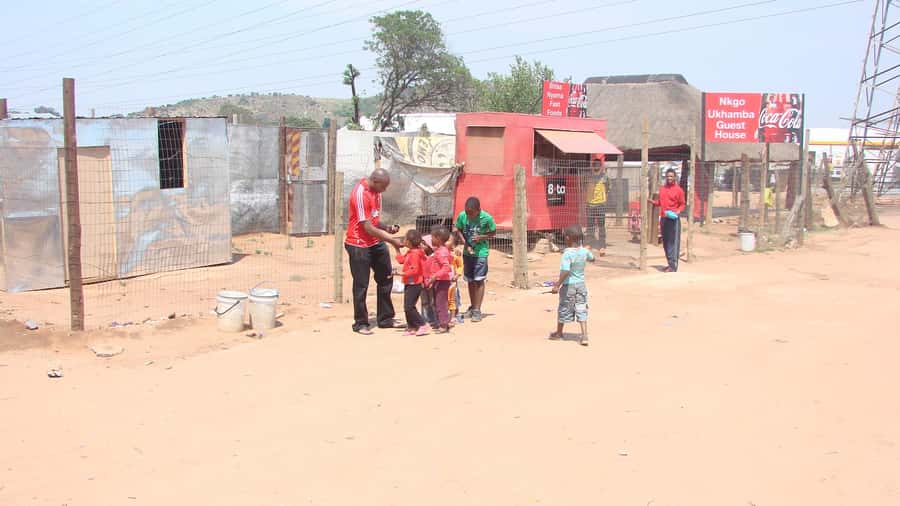
The experience is designed to show you what forced inequality looked like on the ground, not only what it looked like in policy. You’ll also see the difference between informal settlement housing and hostel-like living arrangements described as part of the Soweto story.
The main consideration is emotional: you’re going to see poverty and housing hardship. Don’t rush your thinking. Let the contrast do its job, and let the guide’s framing help you understand how it connects back to the political struggle.
If you’re traveling with kids, this is also a place where you’ll need to judge age-appropriateness. It’s not graphic content, but it is real-life hardship and should be handled gently.
Vilakazi Street, Orlando West, and the Mandela House Museum
Then you shift into the part of the day that feels more personal and human-scale. You’ll visit Vilakazi Street in Orlando West, a street known for its association with major anti-apartheid figures.
The schedule includes time on Vilakazi Street and a visit to the Nelson Mandela House Museum. This stop helps connect the broader story to one person’s lived environment, which changes how history lands. Instead of thinking only about events, you start imagining the choices, the endurance, and the pressure in a real place.
You may also come across the Hector Pietersen memorial, which adds another layer to the story of resistance. It’s a reminder that the struggle wasn’t abstract. It had names, faces, and young people at the center of it.
This part of the day is also where guide skill matters most. If your guide is clear and caring, the stops feel guided and meaningful, not like a checklist.
Baragwanath hospital, Orlando Towers, and drive-bys that anchor the story
Your tour route includes several notable points along the way, even if some are drive-past moments. You may see Baragwanath hospital and Orlando Towers as part of the Soweto and Johannesburg context.
You might also pass by Bishop Tutu’s house. Drive-bys can feel like they’re “light,” but they serve a purpose here. They connect the story back to places where life continues, where public institutions operate, and where communities live alongside the historical memory.
The best way to handle drive-bys is simple: listen for what your guide tells you each time they point something out. Those little explanations are usually what separate a quick sighting from a real understanding.
African tradition medicine stop: what to pay attention to
A stop at an African tradition medicine site can be fascinating, but only if you treat it as cultural practice, not as entertainment.
What helps most is asking practical questions in a respectful way. For example, you can ask how it’s used, what the purpose is, and how it fits into everyday life. A guide can help you avoid misunderstandings and keep things grounded.
If you have allergies or sensitivities, be aware that some places may show products or scents. You don’t need to touch anything. Observing and learning is enough.
Apartheid Museum: how to use your 2 hours well
You’ll finish at the Apartheid Museum, with about 2 hours on-site. That time is meaningful because you’re not forced into a frantic sprint through exhibits.
This museum tends to work best when you slow down. Read carefully, then pause. Some areas are emotionally heavy, and the point is not to “finish fast.” The structure of the museum is built to help you see systems, not just individual suffering.
One practical tip: pace yourself with short rests. If you feel yourself getting overwhelmed, step back and let the guide’s commentary reset your focus.
There’s also a real-world timing consideration. One account shared a situation where the museum was closed on a Monday. You can’t control the calendar, but you can protect yourself by double-checking the museum’s opening hours for your specific travel day.
Who this tour suits best
This is a strong choice for first-time visitors who want a guided overview that connects neighborhoods to the apartheid story without turning it into a sad-only experience. It’s also a good fit if you want to travel solo and feel safer with a structured plan and pickup options.
You’ll likely enjoy it most if you:
- want both city and Soweto context in one day
- prefer guided interpretation over self-driving in unfamiliar areas
- are okay with heavy themes and real-life contrasts
Who may want to think twice
If you dislike emotionally difficult topics, this might feel too intense for your comfort level. Also, the day has a fixed flow, so if you hate time pressure, you may find the shorter city stops less satisfying.
And if you’re the type who wants long free time at one major site, you might wish you had a separate day just for the museum.
Small practical tips that make the day go smoother
- Wear comfortable shoes. You’ll do guided walking in several areas.
- Bring a light layer. Johannesburg weather can shift during a day.
- Carry small cash and a card. Lunch is on you.
- If you have questions, ask them. The African tradition medicine stop is where curiosity pays off most.
- Consider a respectful pace. In Soweto and around memorial spaces, slow down. It shows you’re paying attention.
Should you book this Soweto and Johannesburg and Apartheid Museum tour?
Yes, if you want a well-structured day that connects Johannesburg’s neighborhoods to the apartheid story, and you don’t have time to plan multiple independent outings. The price looks fair once you factor in hotel pickup, the museum entries, and the guided time in key areas like Hillbrow, Diepkloof, Vilakazi Street, and the Apartheid Museum.
I’d say book it if you can handle emotional content and want real context, not just photos. If Mondays are on your calendar, double-check the Apartheid Museum’s opening hours so you’re not surprised on the day.
FAQ
What is the duration of the tour?
The tour lasts 8 hours.
How much does the Soweto and Johannesburg and Apartheid Museum tour cost?
The price is listed as $92 per person.
Is hotel pickup and drop-off included?
Yes, hotel pickup and drop-off are included, with multiple pickup and drop-off locations across Johannesburg, Sandton, Randburg, Kempton Park, Fourways, Pretoria, and near the airport.
Which museum entry fees are included?
Entrance fees to the Apartheid Museum and the Nelson Mandela House Museum are included.
Is lunch included in the price?
Lunch is on the guest account, so you will pay for it yourself.
What languages are the live tour guide speaking?
The live tour guide offers English and French.
What areas will we visit during the day?
You’ll visit places including Hillbrow, Braamfontein, Newtown, Diepkloof in Soweto, Vilakazi Street (including the Mandela House Museum), and the Apartheid Museum, along with other listed city stops such as an African tradition medicine shop.
Is this tour wheelchair accessible?
Yes, the activity is listed as wheelchair accessible.
Are tips included?
No. Gratuities are not included, and tipping 5% to 10% at the end is recommended.
Can I cancel for a full refund?
You can cancel up to 24 hours in advance for a full refund.
Is the tour suitable for babies?
No, it is not suitable for babies under 1 year.
More Soweto tours
- Johannesburg: Hop-On Hop-Off Bus with Optional Soweto Tour
★ 4.6 · 985 reviews - Johannesburg Hop-On Hop-Off City Tour with Soweto Option
★ 4.5 · 768 reviews - Half-Day Tour of Soweto Tour
★ 4.5 · 712 reviews - Soweto: Walking Tour with a Local Guide and Lunch
★ 4.9 · 648 reviews
Newest reviews around Johannesburg
- Johannesburg: 3-Day Panorama Tour with Kruger Park Safari★ 5.0 · 7 reviews
- Drakensberg Mountains. Tugela Gorge and Amphitheater Hike★ 5.0 · 7 reviews
- 5-Day Kruger National Park Safari including Breakfast and Dinner★ 4.5 · 7 reviews
- Aerial cableway Hartebeespoort Halfday tour★ 4.5 · 7 reviews
- Soweto Township Tour★ 5.0 · 7 reviews
- Private Safari Tour: Pilansberg National Park Big 5★ 5.0 · 7 reviews
- Historical and Cultural Interactive Experience of Soweto★ 5.0 · 7 reviews
- Johannesburg: Cradle of Humankind & Harties Aerial Cableway★ 5.0 · 7 reviews
Apartheid History Tours, compared.

Soweto /Johannesburg and Apartheid Museum Guided Full Day Tour
Read our review →
Jo’berg in 1 Day: Soweto, Apartheid Museum & City Tour
Read our review →
Full-Day Tour with Soweto and Apartheid Museum
Read our review →
Full-Day Soweto, Apartheid Museum and Lunch Tour
Read our review →
Half Guided Day Tour of Soweto And Apartheid Museum
Read our review →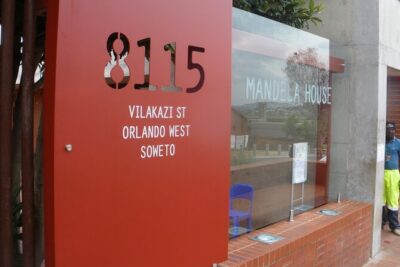
Ultimate Johannesburg Soweto Experience with Apartheid Museum
Read our review →
Hop-On Hop-Off Bus, City Tour and Apartheid Museum
Read our review →
Johannesburg and Soweto Apartheid Full Day Tour w/Lunch
Read our review →Browse the lists this tour appears in