
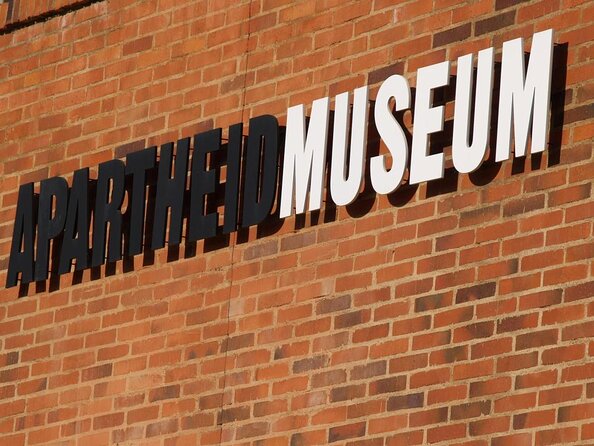
Reviewed · APARTHEID HISTORY TOURS
Soweto and Johannesburg & Apartheid Museum
This half-day to full-day tour is interesting because it links major museum stops with the streets and suburbs where the Apartheid era shaped real daily life. You’ll spend time at the Apartheid Museum and the Hector Pieterson Museum and Memorial, then ride through Johannesburg toward Soweto with key historical points along the way.
I especially like two things. First, you get transportation included, so you skip taxi planning and just show up. Second, the route hits famous names and places, including the former homes of Bishop Desmond Tutu and Winnie Mandela, plus sites tied to the 1976 uprisings.
One drawback to consider: the schedule is tight. You’ll see a lot, but some stops are short, and not every museum visit is included (Mandela House admission is not included).
Key highlights you should care about
- Apartheid Museum as your main, 2-hour anchor stop
- Hector Pieterson Museum and Memorial focused on the role of students in the 1976 uprisings
- Mandela sites on Vilakazi Street, with Mandela House on the agenda (but extra cost)
- A driving route that shows taxi culture, dense inner-city areas like Hillbrow, and Soweto neighborhoods
- Muti shop visit (traditional herbal medicine) with free entry time on the schedule
- Small group size, up to 15 travelers, which helps you move efficiently
Why this Soweto and Johannesburg day tour is worth planning
If you’re coming to Johannesburg for the first time, it’s easy to end up with a messy plan. You either try to do museums alone, then scramble for rides between neighborhoods, or you pick a “sights only” tour that doesn’t connect the dots.
This format is designed to get your bearings fast. You ride in a group (up to 15), you have water included, and you cover big, high-impact destinations without having to do logistics math for each leg of the day. The result is simple: more time seeing, less time figuring out.
Also, I like that the tour is not just “go look at a building.” The driving route includes context points such as downtown Johannesburg, Hillbrow, Constitution Hill (at least by passing by it), and multiple Soweto areas. That mix matters because it helps you understand the space between “history you read” and “history you can still see in the city.”
More Museums in Johannesburg
- Soweto /Johannesburg and Apartheid Museum Guided Full Day Tour
★ 5.0 · 932 reviews - Jo’berg in 1 Day: Soweto, Apartheid Museum & City Tour
★ 4.8 · 524 reviews - Johannesburg: Full-Day Tour with Soweto and Apartheid Museum
★ 4.8 · 478 reviews
The big picture route: from Constitution Hill to Vilakazi Street

Even before you hit the museums, your day is built like a story. You start with the Apartheid Museum and then keep moving across Johannesburg and into Soweto, with a mix of time inside key sites and time on the road passing meaningful places.
Here’s what your route is designed to cover:
- City drives that take you through major Johannesburg areas, including downtown and inner-city Hillbrow.
- Neighborhood scenes tied to local daily life, like taxi culture and a visit that includes a taxi rank area and Baragwanath hospital area.
- Stops and/or passes connected to major people in the story, including the former homes of Bishop Desmond Tutu and Winnie Mandela.
- Sites connected to the 1976 uprisings.
- A Vilakazi Street segment in Soweto, the place people come for its strong connection to both Nelson Mandela and Archbishop Desmond Tutu.
This route works best if you want a guided outline you can hold onto later when you reread what you saw or tell someone else what mattered. You’re not only collecting photos. You’re collecting place-based context.
Stop 1, Apartheid Museum: your 2-hour anchor for understanding
The day starts with the Apartheid Museum, and this is the stop I’d prioritize even if you’re short on time. You get 2 hours here, with an admission ticket included.
Why the museum matters is pretty straightforward: it’s the one place on the itinerary where you can slow down and focus. The driving portions are powerful, but they’re moving pieces. The museum is where you get the structured learning you came for.
Practical tip: plan to arrive ready to focus for that full 2-hour window. If you split your attention between exits, shopping stops, and photos, you’ll likely miss details that make the rest of the day click.
A small note on expectations: the tour includes a lot of “see the city” moments. If you’re the type who likes museum time to be your main event, you’ll be happy here because the museum time is the longest single chunk of the day.
Mandela House and Vilakazi Street: short stops, important names
After the Apartheid Museum, the itinerary shifts to Soweto’s Vilakazi Street area, where multiple major connections are concentrated.
More apartheid-history tours:
- Full-Day Soweto, Apartheid Museum and Lunch Tour
★ 5.0 · 410 reviews - Half Guided Day Tour of Soweto And Apartheid Museum
★ 5.0 · 356 reviews - Ultimate Johannesburg Soweto Experience with Apartheid Museum
★ 5.0 · 313 reviews - Soweto: Hop-On Hop-Off Bus, City Tour and Apartheid Museum
★ 4.5 · 250 reviews
Mandela House (Nelson Mandela lived here from 1946 to 1962)
Mandela House is specifically scheduled as its own stop, commonly called Mandela House, the house on Vilakazi Street where Nelson Mandela lived from 1946 to 1962. You’ll get 30 minutes for this stop.
But here’s the cost consideration: Mandela House admission is not included. So if you want to go inside, you should budget extra and be ready for a bit of a timed stop. The house is described as a world-class visitor attraction focused on preservation and research of the Mandela family legacy.
If you’re visiting with a strong interest in Mandela as a personal story, this is the one add-on that’s most likely worth paying for.
Hector Pieterson Museum and Memorial (built around the 1976 uprisings)
Next is the Hector Pieterson Museum and Memorial, also on the Vilakazi Street area. It’s scheduled for 30 minutes, and admission is included.
The museum is important because it preserves the memory of the 1976 Soweto uprisings and centers the role of students in the fight against Apartheid. Even if you already learned the basics, the memorial-focused approach is a strong way to see how the city remembers the people and the moment.
Practical tip: this stop is shorter than the Apartheid Museum, so choose your “must-see” section quickly. If you let yourself get lost in reading everything at once, you may feel rushed.
Vilakazi Street itself (outside time)
You also get additional Vilakazi Street time on the schedule for 30 minutes, and admission is not included. Vilakazi Street is noted as the only street in the world with two Nobel laureates as residents: Nelson Mandela and Archbishop Desmond Tutu.
For this segment, think of it as a way to connect the names to place. You’re not stuck inside one building. You’re moving through the physical street where that legacy lives.
What the driving route teaches you about Johannesburg today
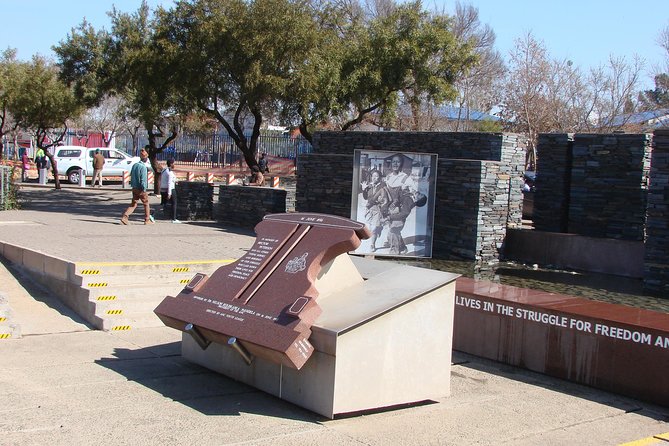
A big part of this tour is what you see while riding: you pass by multiple areas that help you understand inequality and how the past still shapes the city.
Hillbrow: inner-city Johannesburg reality check
The itinerary includes a pass through Hillbrow, described as an inner-city residential neighborhood known for high population density, unemployment, and poverty. You won’t get a long walking tour here. But even a passing overview helps you connect the museum themes to the city’s present-day conditions.
Taxi culture and local infrastructure
You’ll also pass parts of the city tied to taxi culture. The route includes references to a taxi rank and Baragwanath hospital area. There’s also time noted for a Muti shop stop and a look at local selling culture, plus “matchbox houses.”
Even if you don’t step out for everything, it’s one of the few ways a short itinerary can show the texture of daily life without turning it into a separate tour.
Key people and uprising sites you pass
On the route, you pass by:
- former homes of Bishop Desmond Tutu
- Winnie Mandela’s home
- sites of the 1976 uprisings
These drive-bys are not filler. They help connect the museum learning to specific locations tied to real people and events. That’s especially useful if you’ve heard names like Tutu, Mandela, and Hector Pieterson but haven’t been sure how they fit together geographically.
Muti shop stop: a free cultural layer on the agenda
One smaller, easy-to-overlook part of the tour is the KwaZulu Muti stop. It’s scheduled for about 15 minutes and the admission is free.
The Muti stop is described as a place to learn about African tradition medicine, focusing on traditional herbal homeopathic medicines. You’ll see dried herbs and different remedies.
How to approach it: treat it as a quick cultural introduction, not a lecture that turns into a medical seminar. This is the kind of stop that’s good if you like understanding everyday traditions, even briefly, as part of a larger historical day.
If you’re sensitive to sales pressure in general travel situations, keep in mind this type of shop stop can be commercial by nature. You can still enjoy it by staying curious but not committing to purchases you don’t want.
Getting around matters: parking, pickup, and staying on schedule
This tour is designed to reduce stress. Pickup is offered, and you won’t have to arrange your own taxis because transportation is included. Parking fees are included too, which sounds small until you’ve tried to do Johannesburg sightseeing by yourself.
The duration is 6 to 8 hours, which is a meaningful window. It gives you time to do one major museum, handle two more focused stops, and still ride through several neighborhoods.
Group size is capped at 15 travelers, and the format is built for moving efficiently. That’s helpful if you don’t want a slow, long queue day.
One small practical note: the tour listing says it’s near public transportation and uses a mobile ticket. That’s useful if your plans change slightly. But the main point is still the same: you’re paying for a full route, not just museum entrances.
Price and value: what you get for $73.62
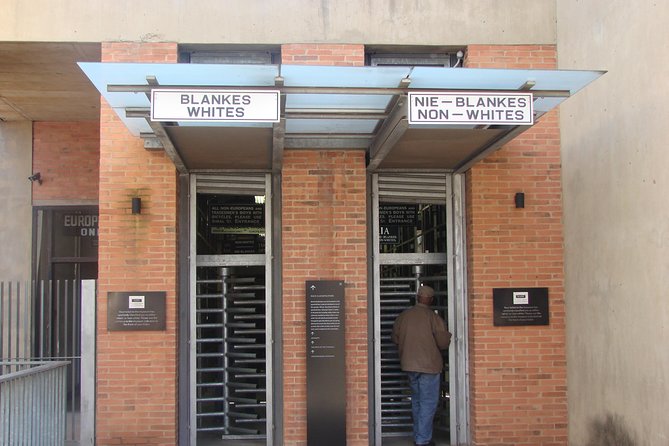
At $73.62 per person, the value hinges on what’s included versus what’s not.
Included:
- admission ticket for the Apartheid Museum (2 hours)
- admission ticket for the Hector Pieterson Museum and Memorial (30 minutes)
- transportation (so you skip taxi planning)
- parking fees
- water
Not included:
- Lunch
- Mandela House admission
- Some additional Vilakazi Street time is listed without admission
So you’re not only buying a seat in a vehicle. You’re buying a day plan where two major museum entries are already covered. Add in that your transport handles the hard part of Johannesburg logistics, and the price starts to make sense for most first-timers.
What to budget mentally:
- Set aside some money for Mandela House if you want to go inside.
- Plan for lunch on your own because it’s not included.
If you hate spending time hunting for food, choose a plan that includes a lunch stop you’re comfortable with before the day starts. The tour itself says lunch is not provided, so you’ll need to handle that piece.
How long you’ll spend where (so you don’t feel rushed)
Here’s the rough shape of the day’s time blocks:
- Apartheid Museum: 2 hours (admission included)
- Mandela House: 30 minutes (admission not included)
- Hector Pieterson Museum and Memorial: 30 minutes (admission included)
- KwaZulu Muti: 15 minutes (free)
- Vilakazi Street: 30 minutes (admission not included)
On top of that, you’ll have driving and passes for major sites like Constitution Hill, Hillbrow, and the homes tied to Desmond Tutu and Winnie Mandela, plus the 1976 uprising locations.
This is not a “linger forever” tour. If you want deep reading time in every place, you’ll likely wish for longer museum visits. But if you want a guided day that hits the big targets and still leaves you with a clear storyline, this pacing is practical.
Who this tour suits best, and who might prefer something else
This tour suits you if:
- you want one organized day that covers both Johannesburg and Soweto highlights
- you care about the Apartheid story but don’t want to spend your first day building an itinerary from scratch
- you want museum time at the Apartheid Museum and the Hector Pieterson Museum and Memorial
- you want a guided route that includes major names like Mandela and Desmond Tutu, plus locations tied to the 1976 uprisings
It might not be the best fit if:
- you want to spend lots of time inside every site without time limits
- you dislike shop stops in general, even short ones like a Muti shop visit
- you’re mainly looking for food, nightlife, or purely relaxed sightseeing
A final note on the guide factor: the experience is often judged by how clearly your guide connects the stops. Some of the best guide feedback that shows up here includes names like Joseph and Simba, with people highlighting their ability to explain Johannesburg and its history in a way that makes the city make sense. If you get a guide like that, the tour feels much more than a checklist.
Should you book the Soweto and Johannesburg & Apartheid Museum tour?
Book it if you want the easiest path to a strong Johannesburg and Soweto overview, with key museum admissions included and no taxi hunting. The Apartheid Museum plus the Hector Pieterson Museum and Memorial combination is a good use of time, and the driving route adds place-based context you can’t easily create on your own in one day.
Skip it if your top priority is ultra-deep museum time, or if you prefer a strictly flexible self-guided schedule where you control every minute and every stop.
If you’re weighing it, I’d choose it for first-timers and for anyone with limited time in the city who still wants the most important learning stops handled for you.
FAQ
How long is the Soweto and Johannesburg tour?
The duration is listed as about 6 to 8 hours.
How much does the tour cost?
The price is $73.62 per person.
Is pickup included, and do I need to arrange taxis?
Pickup is offered, and transportation is included, so you do not need to book taxis yourself.
Is admission included for the Apartheid Museum?
Yes. Apartheid Museum admission is included in the tour.
Is admission included for the Hector Pieterson Museum and Memorial?
Yes. Hector Pieterson Museum and Memorial admission is included.
Is Mandela House admission included?
No. Mandela House admission is not included.
Is lunch included?
Lunch is not included.
What is the maximum group size?
The tour has a maximum of 15 travelers.
Can I get a full refund if I cancel?
Yes, free cancellation is available up to 24 hours in advance for a full refund.
More Soweto tours
- Johannesburg: Hop-On Hop-Off Bus with Optional Soweto Tour
★ 4.6 · 985 reviews - Johannesburg Hop-On Hop-Off City Tour with Soweto Option
★ 4.5 · 768 reviews - Half-Day Tour of Soweto Tour
★ 4.5 · 712 reviews - Soweto: Walking Tour with a Local Guide and Lunch
★ 4.9 · 648 reviews
Newest reviews around Johannesburg
- Johannesburg: 3-Day Panorama Tour with Kruger Park Safari★ 5.0 · 7 reviews
- Drakensberg Mountains. Tugela Gorge and Amphitheater Hike★ 5.0 · 7 reviews
- 5-Day Kruger National Park Safari including Breakfast and Dinner★ 4.5 · 7 reviews
- Aerial cableway Hartebeespoort Halfday tour★ 4.5 · 7 reviews
- Soweto Township Tour★ 5.0 · 7 reviews
- Private Safari Tour: Pilansberg National Park Big 5★ 5.0 · 7 reviews
- Historical and Cultural Interactive Experience of Soweto★ 5.0 · 7 reviews
- Soweto Tour★ 5.0 · 7 reviews
Apartheid History Tours, compared.

Soweto /Johannesburg and Apartheid Museum Guided Full Day Tour
Read our review →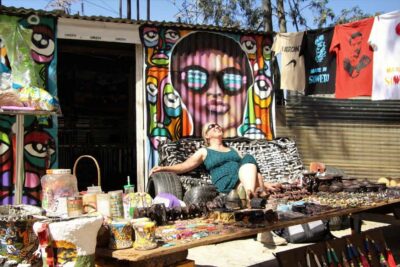
Jo’berg in 1 Day: Soweto, Apartheid Museum & City Tour
Read our review →
Full-Day Tour with Soweto and Apartheid Museum
Read our review →
Full-Day Soweto, Apartheid Museum and Lunch Tour
Read our review →
Half Guided Day Tour of Soweto And Apartheid Museum
Read our review →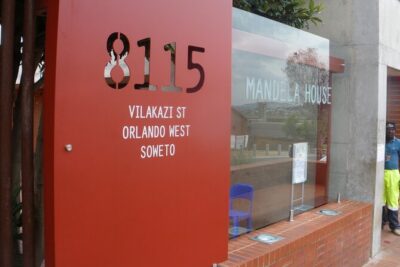
Ultimate Johannesburg Soweto Experience with Apartheid Museum
Read our review →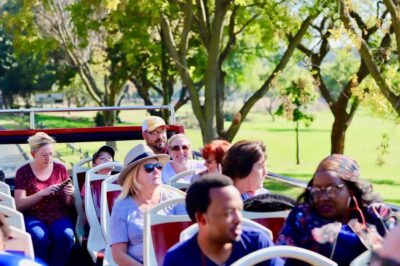
Hop-On Hop-Off Bus, City Tour and Apartheid Museum
Read our review →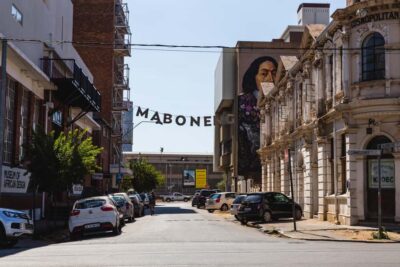
Johannesburg and Soweto Apartheid Full Day Tour w/Lunch
Read our review →Browse the lists this tour appears in