
Reviewed · WALKING TOURS
Cape Town Walking Tour: Bo-Kaap & City Highlights
What makes this Cape Town walking tour so interesting is how it mixes big landmarks with the human stories that shaped the city, starting at Truth Coffee and ending in Bo-Kaap. I like that it feels structured but not stiff, with a local guide steering the conversation toward what you care about.
I also really like the pairing of District Six and Iziko Slave Lodge. You don’t just look at buildings, you get context for why they matter, and you walk away with a clearer sense of how Cape Town identity formed over time.
One possible drawback: it is a 2 hour walk in real street heat and real sidewalks, so come prepared with water, sunscreen, and comfortable shoes. Also, it is not suitable for people over 95 years.
Key points before you go
- Truth Coffee Roasting sets a relaxed tone before you hit the historic core
- District Six Museum gives context for displacement and resilience, with great photo moments
- Iziko Slave Lodge helps you connect Cape Town to South Africa’s painful past
- Greenmarket Square and Long Street balance shopping, street life, and city color
- Bo-Kaap delivers classic pastel-house views plus a final photo and shopping stretch
- You’ll likely hear from a guide like Dylan or Terence, who keep the pace friendly and the questions welcome
Start at Truth Coffee Roasting, then walk the city with a real guide

This tour starts where most good city days should start, with Truth Coffee Roasting. You meet your guide at the side entrance, wearing a black-and-white golfer and a name badge. The smell of freshly brewed coffee does more than smell good, it helps you wake up and settle in before the stories get heavy.
The guide also sets expectations early. You can tailor the tour to your interests, so if you want architecture, identity, or neighborhood context, you get time for that. If you are the kind of person who asks questions, you are in luck, since guides on this route tend to stay conversational and respond to what you want to understand next.
In practice, the group can feel small and personal. On some departures, people described it as intimate, which matters because you can actually hear the explanation while you walk. That is the difference between a checklist and an experience that helps you navigate the city afterward.
If there is a practical tip I would give up front, it is this: arrive with sun gear and water, because the route moves through exposed streets. Also remember the tour is not built for lingering long at each stop, it is built for good flow and context in a tight window.
More Walking Tours in Cape Town
- Cape Town: Nathi Langa Township Walking Tour
★ 4.9 · 493 reviews - Cape Town: Art, Culture & History Walking Tour
★ 4.9 · 392 reviews - Cape Town: Street Art Walking Tour in Woodstock
★ 4.8 · 293 reviews
District Six Museum, Grand Parade, and City Hall area: the Cape Town story starts mid-sentence
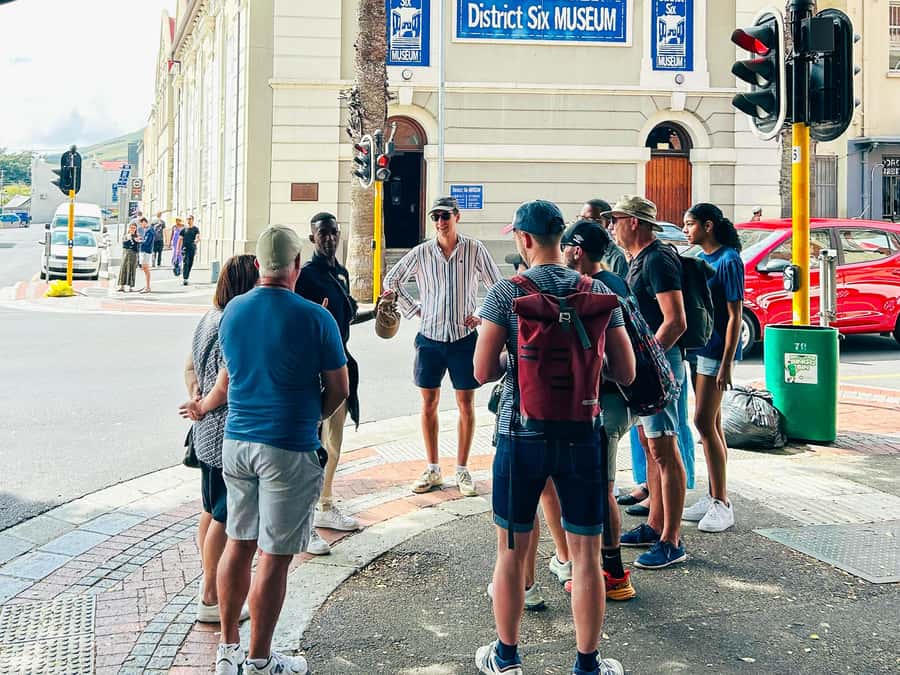
The first big stop is the District Six Museum area. Expect a photo stop plus a guided visit, then time to look around before you move on. This is where the tour frames displacement and resilience, not as abstract history, but as something tied to real neighborhoods and real community life.
Why this matters for your trip: if you only see Cape Town as scenery, you miss the city’s “why.” District Six is one of those places that gives meaning to later stops, including the architecture and memorials you’ll see around the center.
From there you head toward Grand Parade, with another quick photo stop and guided sightseeing. Grand Parade is close enough to the central civic area that you also get the sense of Cape Town’s major public moments. The tour routes you past the grand City Hall area as part of this city-center progression, which helps the walk feel connected rather than random.
Also watch your timing here. Some stops are short pass-by moments, including nearby cathedral time later, so if you want extra detail, this is a good point in the tour to ask. Guides like Dylan and Terrence stood out for answering follow-ups and engaging the group while still keeping the walk moving.
A drawback to consider: this portion can feel emotionally intense if you are sensitive to the topic of forced removals and colonial-era systems. The upside is that the guide’s approach tends to be thoughtful and centered on connection, not on shock value.
Iziko Slave Lodge and St. George’s Cathedral: history with weight, explained in plain terms
Next comes Iziko Slave Lodge. You get a photo stop, then a guided visit with sightseeing while you stay on foot. The tour treats this site as more than a photo background. It is a reminder of South Africa’s painful history, placed where you can see how the past physically sits in the city.
Then the route continues toward St. George’s Cathedral, Cape Town. You will have a brief stop for photos and a guided overview. Even if you only spend a few minutes here, it helps you understand Cape Town’s blend of cultures and the role of religious institutions in public life.
Why I think this section is valuable: it keeps the tour from becoming only “pretty streets.” You get a sense of power, belief, and social systems, and the guide ties those threads to what you will see in later neighborhoods like Bo-Kaap.
A practical consideration: entries are not included. That means you should plan on possible entry fees for places that require them. If you want to budget tightly, check your expectations early so you are not surprised mid-walk.
Greenmarket Square and Long Street: craft shopping and the street-level heartbeat
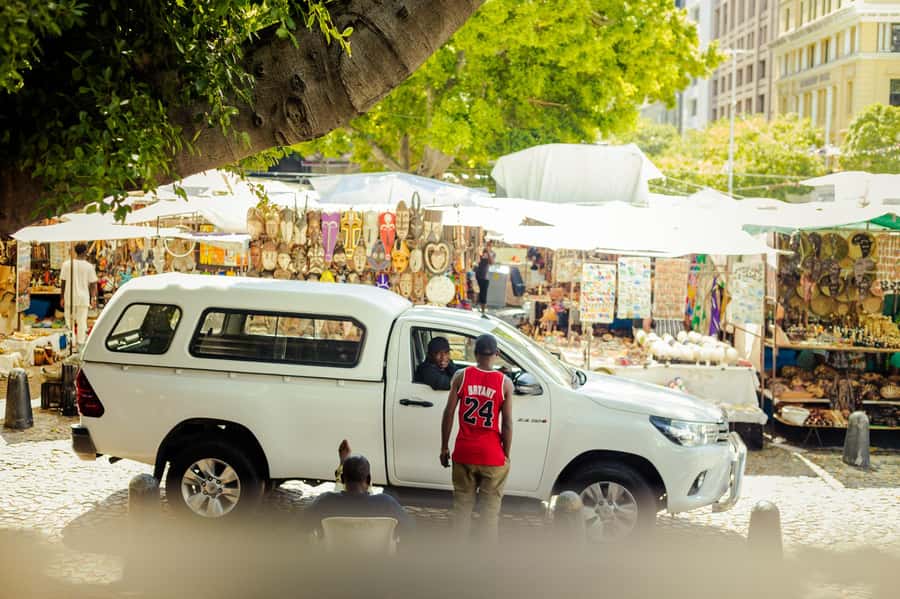
After the heavier history stops, the energy shifts. You arrive at Greenmarket Square, where you can enjoy a photo stop, a guided visit, and a bit of time for shopping. This is the place to look at local crafts and get a feel for how the central city serves both locals and visitors.
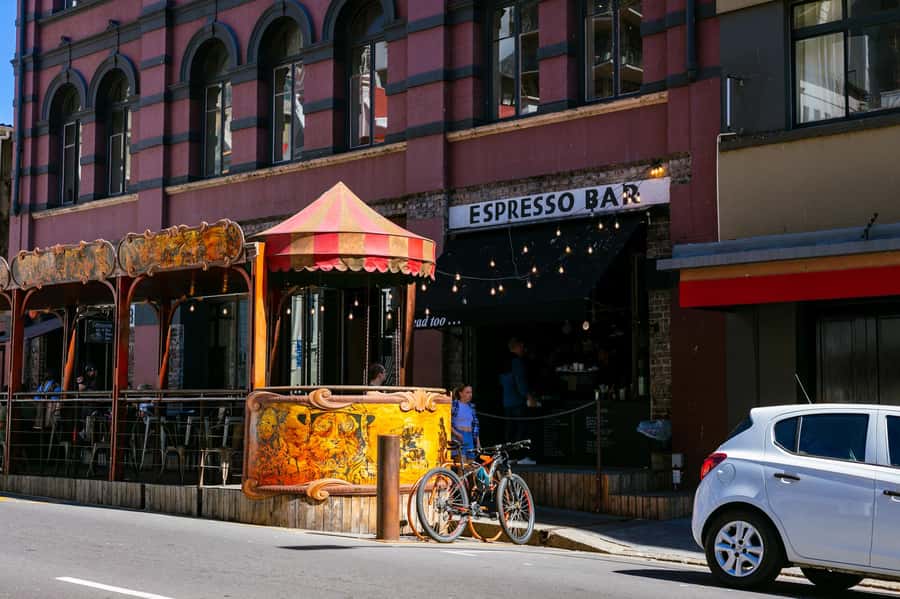
Then you walk toward Long Street, which the route treats as a quick but meaningful contrast. You get another photo stop and a guided segment, then a short walk through the stretch. Long Street is where old and new can feel close together, and the guide’s commentary helps you notice things you would miss if you were just passing through.
This part is a good moment to recalibrate. If the earlier sections made you quiet, here you can breathe and ask lighter questions. If you are more curious, ask what to buy and where to eat nearby. The best guides do not just explain history, they also help you live the rest of your day in the city.
One note from how people described the experience: pace can be relaxed, but the route does move. If you want to shop seriously, set a clear priority for what you want at Greenmarket Square, because Bo-Kaap ends the walk and still has shopping time.
Something different for the Cape Town list:
- Wine Tour: Paarl, Franschhoek & Stellenbosch incl 3 wineries
★ 5.0 · 3,940 reviews - Cape Town: Hop-On Hop-Off Bus Tour with Optional Cruise
★ 4.8 · 3,929 reviews - Cape Town: Cape of Good Hope & Penguins Day Tour with Pickup
★ 4.7 · 3,362 reviews - Zipline Cape Town – From Foot of Table Mountain Reserve
★ 5.0 · 3,179 reviews
Bo-Kaap: pastel streets, photo stops, and the feeling of cultural identity
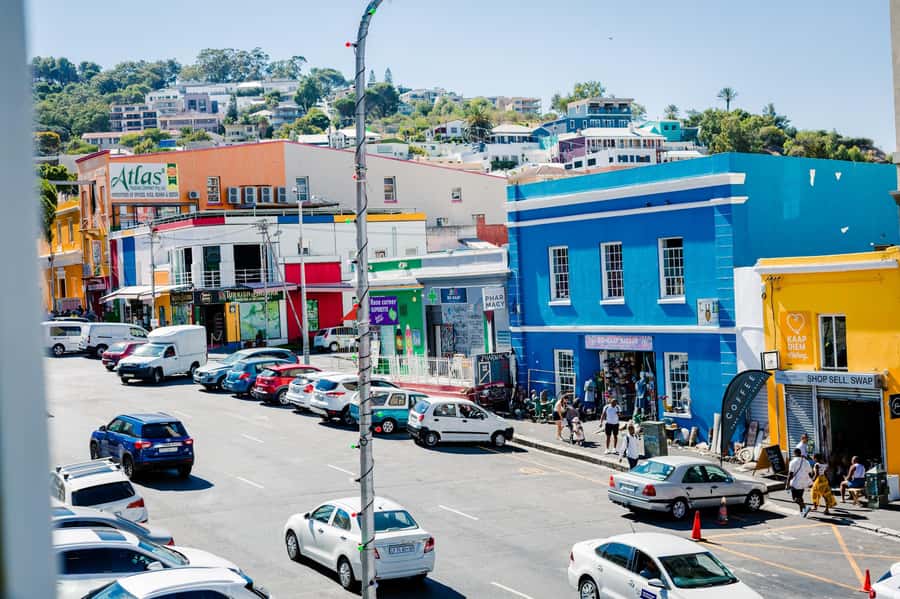
The tour finishes in Bo-Kaap, with a photo stop, guided visit, and time for shopping and sightseeing. You get a walk segment here too, around 15 minutes, which is enough time to see the classic pastel-painted houses and capture photos without feeling rushed off-camera.
Bo-Kaap is where the tour’s theme of identity and connection becomes visible in everyday life. The guide ties this neighborhood back to the larger story you heard earlier, so you do not just leave with photos. You leave with context for what shaped this community and why the neighborhood looks the way it does.
If you care about photography, this is your payoff section. You’ll have several moments to stop and frame streets and doorways. And because the tour ends here, you can keep exploring after the guide finishes, rather than getting yanked back to the starting point.
One practical thing: bring sunglasses and sunscreen. The final stretch is outdoors, and if it’s bright, you will want eye comfort for photos.
Also remember the tour includes a complimentary snack. Many people described it as a sweet treat like koesister, which is a nice local touch to cap the walk. It is not a meal, but it does help you end on something delicious.
How the 2-hour format really works on foot
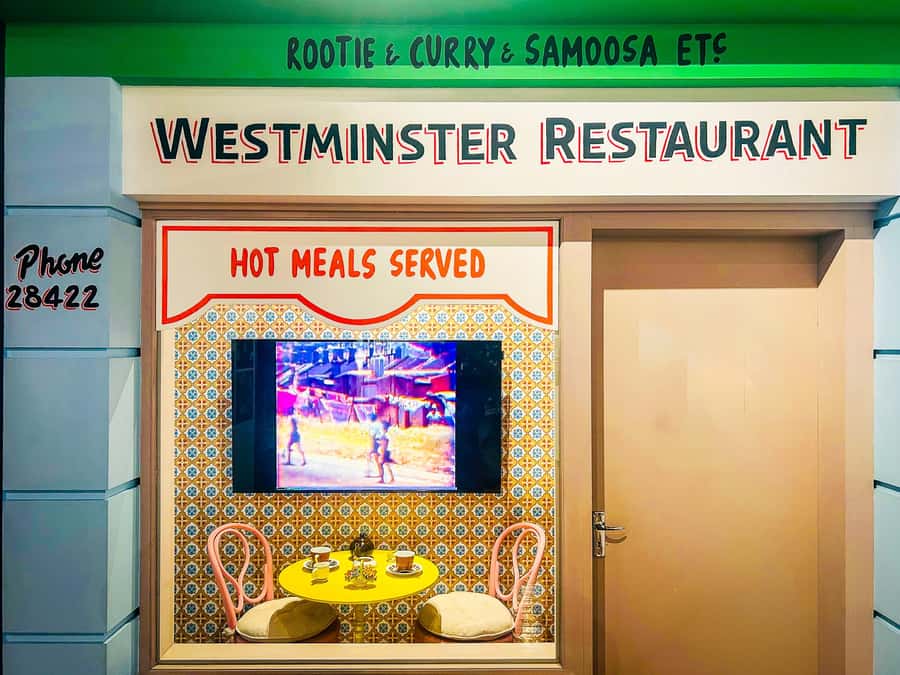
This is a 2 hour walking tour, so you get a concentrated look at the city center and key neighborhoods. That format is great if you are new to Cape Town and want a structured way to learn what to visit next.
Still, it is a walking tour, not a sit-down lecture. You should expect a steady rhythm: photo stops, short guided explanations, and then moving on. Some segments are quick pass-by moments, and that is intentional. The goal is to keep you moving enough to cover both historic sites and the Bo-Kaap finish.
Comfort matters. Bring comfortable shoes, water, sun hat, sunscreen, and rain gear. Cape Town weather can shift, and the tour does not stop being a walk because the sky changes. Also pack a camera and hand sanitizer or tissues, just because street days often run dirtier than you expect.
For people with mobility concerns, the tour is listed as wheelchair accessible. But it is still outdoors and on sidewalks, so if you use a chair or mobility aid, you should plan for short stops and street crossings. When in doubt, message the operator with questions before you go.
And please note the limitation: it is not suitable for people over 95 years. This is likely due to pace and the amount of walking involved, so do not assume you can slow the tour without impact.
Price and value: $40 for context, coffee, and a guided thread through the city
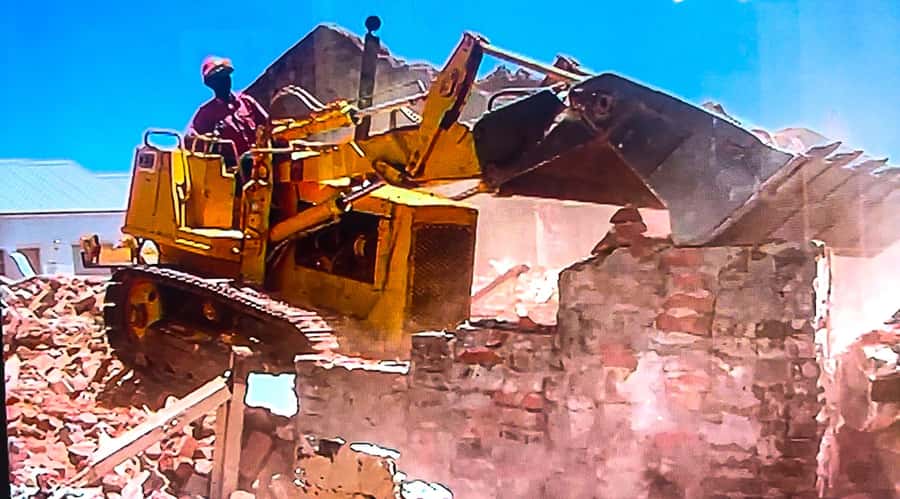
At $40 per person for a 2-hour walking tour, the value is in the guide and the sequence. You are not paying for moving between dots on a map. You are paying for a local person to connect sites like District Six, Slave Lodge, and Bo-Kaap into a single storyline you can understand.
You also get built-in extras that reduce your planning load. Truth Coffee is the start, there is a complimentary snack at the end, and you get an expert local guide handling the flow. If you would otherwise spend time figuring out what to prioritize in the city center, this tour can save you energy and help you avoid awkward, random stops.
Entry fees are not included, and personal expenses like souvenirs and extra food are also on you. So if you plan to go inside multiple sites on the route, budget for that. But for most people, the guided context plus the photo opportunities and neighborhood orientation is the real win.
One of the most praised parts of the experience was the guide quality, especially the way some guides like Dylan and Terence keep communication clear and respond to questions. People also highlighted safety and a relaxed pace, which matters when you are walking through busy central streets.
What you should ask your guide on day one
When you book a tour like this, you should show up with curiosity and ask smart questions. The best guides here seem happy to work with your interests.
A few high-value questions to bring:
- What should I see next, based on what I learned today?
- Which streets or neighborhoods are easiest to explore on my own afterward?
- What does the identity story connect to in Bo-Kaap today?
- Where can I find local food after Long Street and Greenmarket Square?
- If I want a deeper history day, where should I add time?
Also, if your guide is running late, clear communication seems to happen via WhatsApp in some cases. That is not something you should rely on, but it is a good sign that the team is organized.
Should you book this Cape Town Bo-Kaap walking tour?
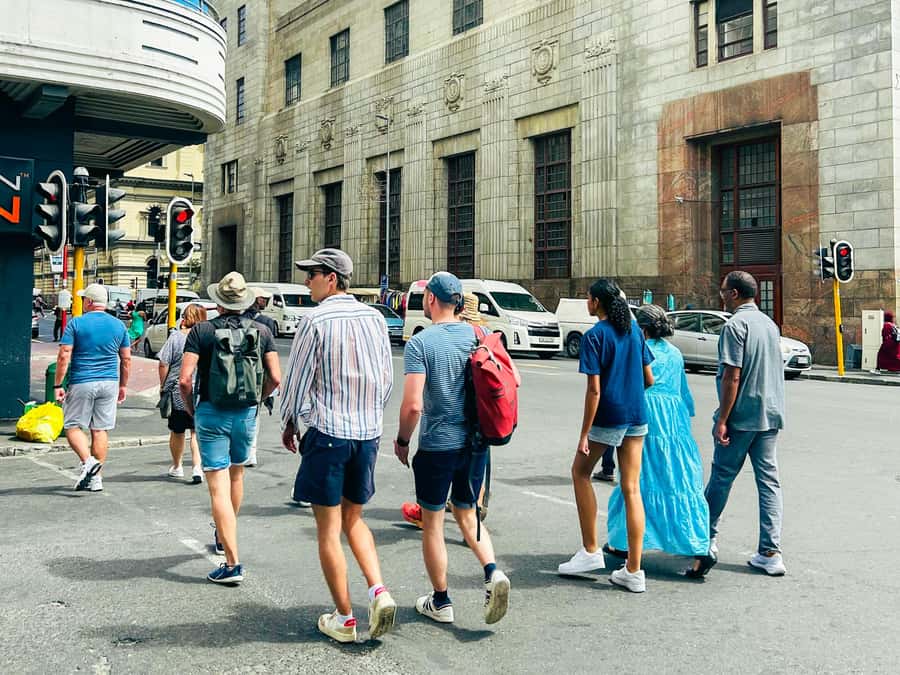
Book it if you want a fast, guided way to get your bearings in Cape Town while learning how the city’s identity formed over time. You will especially like it if you care about District Six, Slave Lodge, and the meaning behind Bo-Kaap beyond the photos.
Skip it or consider another format if you dislike emotionally heavy history, or if the idea of a steady 2-hour walk feels tiring. Also, if you need long time inside sites, plan on paying entry fees and doing those separately, since this is designed for movement and guided snapshots rather than full-depth museum time.
If you are deciding between doing this tour now versus later, I would do it early in your trip. The orientation you get in the city center and the Bo-Kaap finish makes your future exploring feel less like guessing.
FAQ

How long is the Cape Town Walking Tour: Bo-Kaap & City Highlights?
The tour lasts 2 hours.
How much does the tour cost?
The price is $40 per person.
Where do I meet the guide?
Meet your guide at the side entrance of Truth Coffee Roasting. The guide will be wearing a black/white golfer and a name badge.
What is included in the price?
You get a guided walk through Cape Town’s history and culture, a visit to Bo-Kaap and other key landmarks, a complimentary snack, and an expert local guide.
Are entry fees included?
No. Entry fees are not included.
What languages are available for the tour?
The guide speaks English, Zulu, Xhosa, and Afrikaans.
Is the tour wheelchair accessible?
Yes, the tour is listed as wheelchair accessible.
What should I bring?
Bring comfortable shoes, sunglasses, a sun hat, a camera, sunscreen, water, rain gear, personal medication, and hand sanitizer or tissues.
Is alcohol allowed on the tour?
No. Alcohol and drugs are not allowed.
Newest reviews around Cape Town
- Cape Town: Half-Day Guided City Sightseeing Tour by Bus★ 4.8 · 7 reviews
- Cape Town to Cape Point Private Day Tour★ 4.5 · 7 reviews
- Abseiling Table Mountain★ 5.0 · 7 reviews
- Table Mountain Group Hike – Solo Travelers welcome★ 4.1 · 7 reviews
- Private Tour:Cape of Good Hop>Chapman’s >Penguin>Seal island★ 5.0 · 7 reviews
- Pre-Booked Ticket Robben Island Half-Day Tour from Cape Town★ 2.8 · 7 reviews
- Cape Town Airport and Hotel Private Transfers★ 5.0 · 7 reviews
- Table Mountain, Boulder’s Penguins & Cape Point Private Tour★ 4.5 · 7 reviews
Walking Tours, compared.





Browse the lists this tour appears in