
Reviewed · APARTHEID HISTORY TOURS
Apartheid Museum & Soweto Tour with Hotel Pickup
What makes this tour so compelling is how it links the big apartheid story at the Apartheid Museum with a walk through lived-in Soweto streets. You are not just stopping at landmarks, you are moving through the places that shaped everyday life and the places that rebuilt after.
I like the Apartheid Museum approach most. It explains how segregation was enforced from 1948 to 1994, and the guide helps you connect the policies to what people had to deal with day to day.
I also really like the street-level contrast, from Vilakazi Street to major sites like FNB Stadium. The one thing to plan for is physical effort, there is walking and this is not ideal if you have back problems or need wheelchair access.
Key points to know before you go

- Apartheid Museum first, with context that makes the dates 1948 to 1994 feel real
- FNB Stadium stop tied to the 2010 Soccer World Cup Final
- Diepkloof housing stories, including how former migrant-labor hostels became family units
- Soweto Towers and Soweto hospital views, major landmarks seen from the road
- Vilakazi Street walk linked to Desmond Tutu and Nelson Mandela
- Hector Pieterson Memorial stop with an overview of the 1976 Soweto Student Uprising
Why this Soweto loop feels different from a quick city stop
A good Johannesburg day trip can turn into a checklist. This one works better because it slows down just enough to help you read Soweto, not just look at it.
You start with the Apartheid Museum, then you move outward into the township, with stops that connect directly to housing, institutions, sports, and political life. It is the kind of route where the labels on buildings start making sense.
And yes, it is still a half-day. You will get a lot done in about five hours, but the pacing stays human because the guide is the thread tying it together.
More Museums in Johannesburg
- Soweto /Johannesburg and Apartheid Museum Guided Full Day Tour
★ 5.0 · 932 reviews - Jo’berg in 1 Day: Soweto, Apartheid Museum & City Tour
★ 4.8 · 524 reviews - Johannesburg: Full-Day Tour with Soweto and Apartheid Museum
★ 4.8 · 478 reviews
Getting Oriented in about 5 hours with pickup and a guided pace
The tour includes pickup and drop-off from your residence, so you do not spend time figuring out transport on your own. That matters in Soweto, because travel between points is part of the story, and a driver-guided route keeps you moving efficiently.
Expect a mix of driving and walking. Comfortable shoes are not a suggestion, they are the difference between a good day and a sore one, especially around the Vilakazi Street area.
Also note the rules around photos. No flash photography, and no smoking on tour. If you plan to take lots of pictures, set your camera for lower light before you get in the museum areas.
The Apartheid Museum: how the 1948 to 1994 timeline clicks

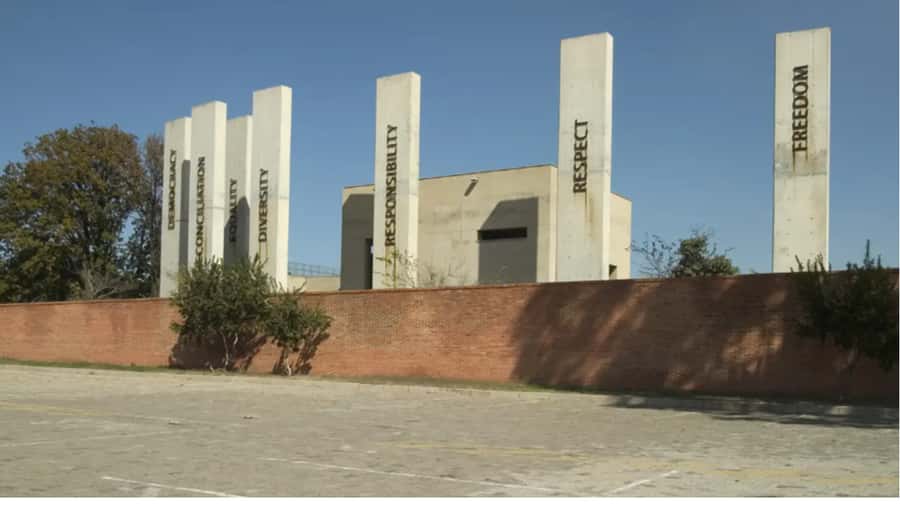
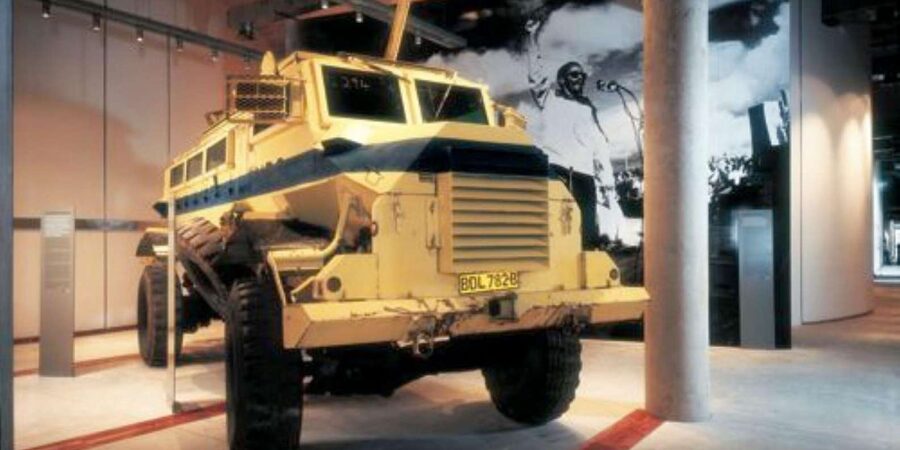
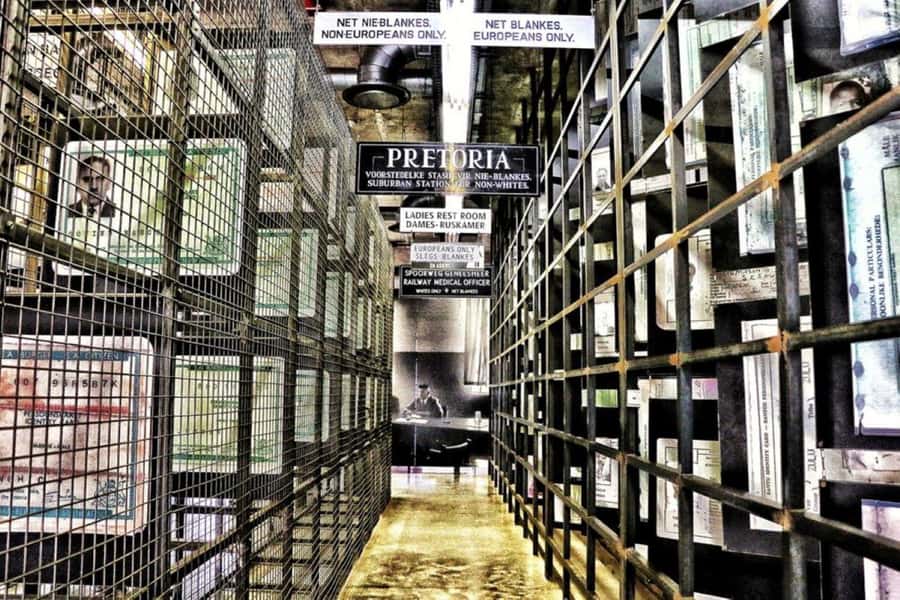
The core of this day is the Apartheid Museum. The exhibits cover the rise and fall of apartheid in South Africa, with clear emphasis on segregation policies enforced from 1948 until 1994.
What I like about starting here is the “why” behind everything else you will see later. When you visit Soweto first without context, you can miss the power of what housing, schooling, and public life were fighting against.
Inside the museum, you get more than dates. You get a framework for understanding why certain neighborhoods formed the way they did, why laws mattered so much, and why the changes after 1994 were not just political, they were daily-life changes.
If you are short on time in Johannesburg, this is the one stop that justifies the whole tour. Everything else becomes easier to interpret once you know what apartheid actually enforced and how long it lasted.
Diepkloof housing lessons: hostels, migrant labor, and family units
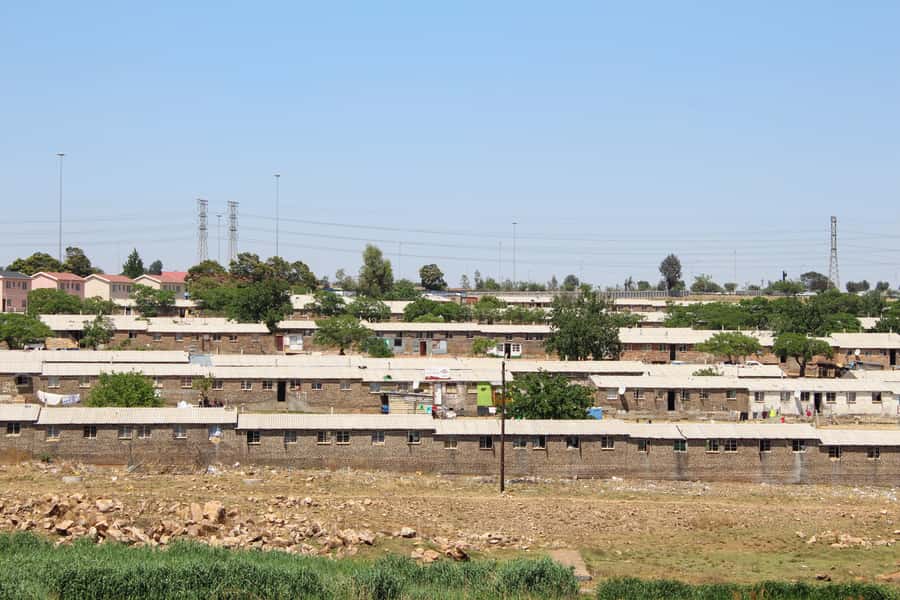
After the museum, the tour shifts into “read the streets” mode. You start the Soweto portion in Diepkloof, where the guide discusses housing differences you can feel with your eyes and your feet.
One of the most meaningful details here is the story of hostels. You drive past them as they have been transformed from migrant labor accommodation into more informal family units.
That single change explains a lot. It shows how apartheid-era structures shaped where people lived, and how post-apartheid life kept evolving, often in ways that did not wait for perfect planning.
If you want to understand Soweto beyond the famous photos, this is where the tour earns its keep. You are not learning in a classroom, you are learning from what the built environment is still trying to tell you.
More apartheid-history tours:
- Full-Day Soweto, Apartheid Museum and Lunch Tour
★ 5.0 · 410 reviews - Half Guided Day Tour of Soweto And Apartheid Museum
★ 5.0 · 356 reviews - Ultimate Johannesburg Soweto Experience with Apartheid Museum
★ 5.0 · 313 reviews - Soweto: Hop-On Hop-Off Bus, City Tour and Apartheid Museum
★ 4.5 · 250 reviews
FNB Stadium and Soweto Towers: big sights, specific meaning
Next you pass major landmarks that many people recognize, but do not always understand. FNB Stadium is one of them, known for hosting the 2010 Soccer World Cup Final.
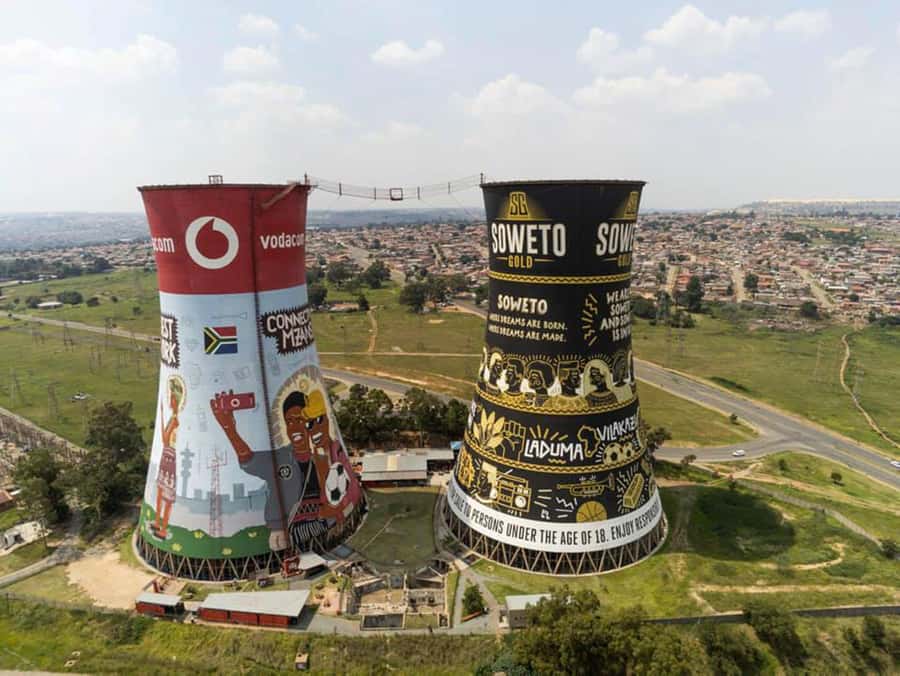
Then there are the Soweto Towers, now a landmark of Soweto. Even from the road, they work as a visual anchor, a reminder that the township is not stuck in the past. It is a living place with its own skyline symbols and modern visibility.
These stops can feel like a sports and views break on paper. The guide keeps them tied back to the bigger theme, where public spaces and national attention intersect with local identity.
If you are the type who likes to connect architecture and events to people’s lives, you will enjoy this part. It is quick, but it is not random.
Chris Hani Baragwanath Hospital: scale you can sense
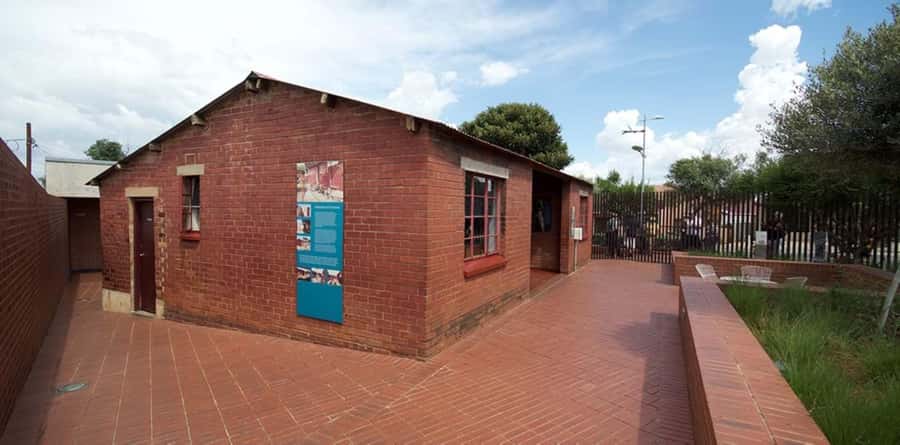
You also drive past Chris Hani Baragwanath Hospital, described as one of the largest hospitals in the world.
This is not a stop where you get out and tour a building. You see it from the route, but the size matters, because hospitals are part of how a community survives, heals, and functions.
When a place like this exists at huge scale, you start thinking in systems, not just neighborhoods. The tour nudges you to recognize that apartheid planning and post-apartheid reality both show up in institutions as much as in streets.
Vilakazi Street walk: Nobel Peace Prize winners in the same stretch
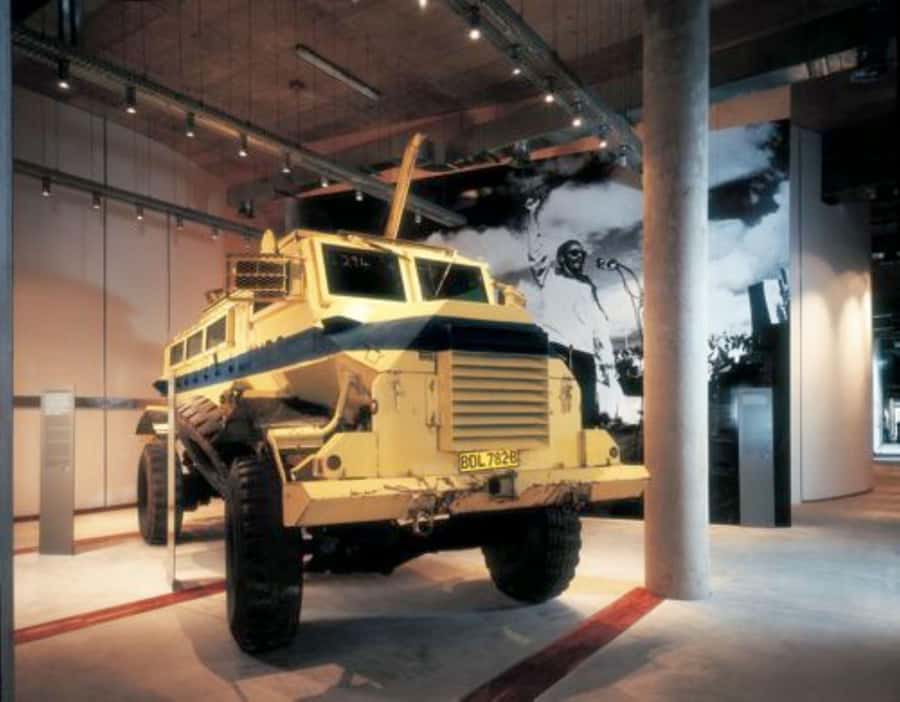
The walk along Vilakazi Street is one of the most memorable parts of the day. This is home to two Nobel Peace Prize winners, Archbishop Desmond Tutu and Nelson Mandela, and the tour frames the street as a place where global history touches local space.
I like walking here because your brain can map the story onto something human. Instead of seeing names only on museum walls, you see the street itself, the flow of daily life, and the neighborhood context.
You also get a chance for souvenir shopping. That is a practical bonus, but keep it simple and time-aware. Souvenirs are not included, so treat it as optional.
One more highlight: you see the Mandela House from outside. The tour does not include the Mandela House museum, but the outside view still gives you a real sense of place before you move on.
Hector Pieterson Memorial: the 1976 Soweto Student Uprising overview
The day ends with the Hector Pieterson Memorial, where you get an overview of the events of the 1976 Soweto Student Uprising.
This stop matters because it connects the apartheid timeline you learned inside the museum to a specific turning point. It also helps explain why youth activism became such a central part of the struggle.
You are not entering the Hector Pieterson Museum as part of this tour. Still, the memorial setting gives you enough grounding to understand what the uprising represented, and why it still echoes in South Africa’s story.
Then you drive back to your residence for drop-off, with the day’s themes tied together: policy, daily life, resistance, and rebuilding.
Guides and local perspective, the part that really sells the day
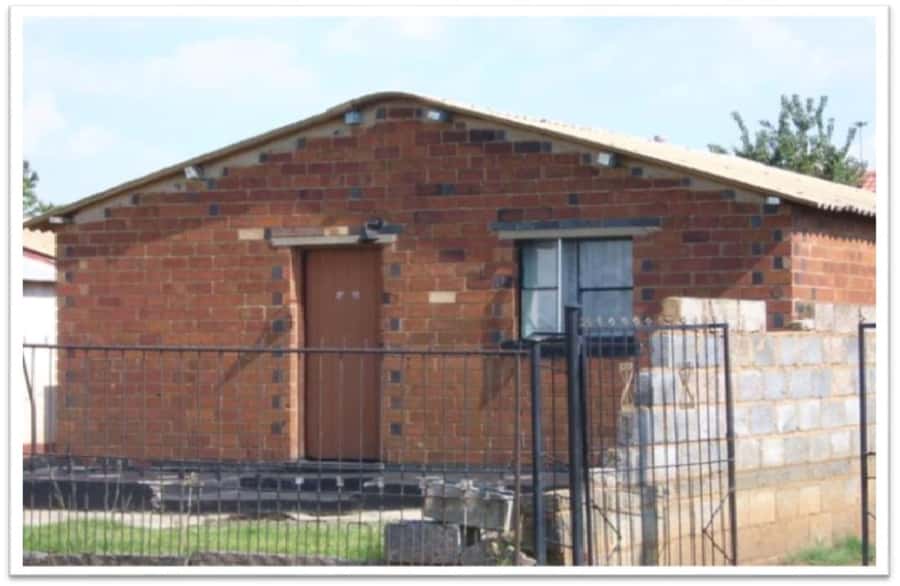
The tour is run by Tsalanang Travel Tours and guided live in English. What really lifts this experience is the local angle that multiple guides bring up in different ways.
You may get guides such as Neo, Thabang, Tsalanang, or Thembo, and the strongest praise centers on guides who share personal reflections and firsthand perspective, not just standard talking points. People often highlight how the guide makes room for questions and keeps the history connected to what Soweto looks like today.
I also appreciate that the route aims to show multiple sides of Soweto, including different housing areas. That gives you a more honest mental map than a route that only hits the most famous corners.
And safety comes up positively too. You will still be in a real township with normal street life, but the guided approach helps you feel settled instead of anxious.
Price and value at about $91 for a 5-hour, museum-plus-tour package
At about $91 per person, you are buying more than transportation. You get pickup and drop-off, entry to the Apartheid Museum, and bottled water.
That bundle can be good value if you want one guided framework rather than assembling it yourself. The museum alone takes time, the Soweto driving route adds complexity, and the guide helps you interpret what you see instead of just collecting photos.
This tour is also a smart choice if you want a half-day format. You get the major hits, plus enough context to make them stick.
The trade-off is limited time. Because this is five hours, you cannot expect slow museum browsing everywhere or extended stops at every memorial. If you prefer a long, quiet museum day, you might wish for more time at one place. If you like a guided “see it, understand it, move on” format, this fits nicely.
What to bring, what to avoid, and who this day might not suit
Bring comfortable shoes and expect some walking. Also pack a camera, hat, and sunscreen, since you will be out in the sun for parts of the route. Water helps too, and bottled water is included.
Avoid flash photography and smoking during the tour. If you have sensitive eyes or want to shoot indoors, plan on using normal camera settings rather than flash.
This tour is not suitable for wheelchair users, people with back problems, or babies under 1 year. If any of those apply, ask for an alternative option from your provider rather than forcing a day that might turn uncomfortable.
Should you book this Soweto tour with hotel pickup?
Book it if you want the best version of a half-day in Johannesburg that still feels grounded. Starting with the Apartheid Museum and then walking Vilakazi Street gives you context and location in one arc.
Skip it if you want a long, slow museum day or if mobility limits make walking hard. Also skip it if you hate guided schedules and prefer wandering on your own.
For most people, though, this is the kind of tour that makes Soweto feel understandable, not just seen. And if you get a guide like Thabang or Tsalanang, you are likely to leave with stories that do not fit neatly into a guidebook.
FAQ
How long is the Apartheid Museum and Soweto tour?
The tour lasts 5 hours.
Do I get pickup and drop-off from my residence?
Yes, pickup and drop-off at your residence are included.
What is included in the tour price?
The tour includes entry to the Apartheid Museum, bottled water, and pickup and drop-off at your residence.
Is food or drinks included?
No. Meals and drinks are not included.
Do I visit the Mandela House museum and the Hector Pieterson museum?
No. The tour includes viewing Mandela House from outside, but the Mandela House Museum is not included. The tour includes the Hector Pieterson Memorial, but the Hector Pieterson Museum is not included.
Are souvenirs included?
No. Souvenirs are not included.
What are the rules for photography and smoking?
Smoking is not allowed, and flash photography is not allowed.
Is the tour suitable for wheelchair users or people with back problems?
No. It is not suitable for wheelchair users or people with back problems. Babies under 1 year are also not suitable.
More Soweto tours
- Johannesburg: Hop-On Hop-Off Bus with Optional Soweto Tour
★ 4.6 · 985 reviews - Johannesburg Hop-On Hop-Off City Tour with Soweto Option
★ 4.5 · 768 reviews - Half-Day Tour of Soweto Tour
★ 4.5 · 712 reviews - Soweto: Walking Tour with a Local Guide and Lunch
★ 4.9 · 648 reviews
Newest reviews around Johannesburg
- Johannesburg: 3-Day Panorama Tour with Kruger Park Safari★ 5.0 · 7 reviews
- Drakensberg Mountains. Tugela Gorge and Amphitheater Hike★ 5.0 · 7 reviews
- 5-Day Kruger National Park Safari including Breakfast and Dinner★ 4.5 · 7 reviews
- Aerial cableway Hartebeespoort Halfday tour★ 4.5 · 7 reviews
- Soweto Township Tour★ 5.0 · 7 reviews
- Private Safari Tour: Pilansberg National Park Big 5★ 5.0 · 7 reviews
- Historical and Cultural Interactive Experience of Soweto★ 5.0 · 7 reviews
- Soweto Tour★ 5.0 · 7 reviews
Apartheid History Tours, compared.

Soweto /Johannesburg and Apartheid Museum Guided Full Day Tour
Read our review →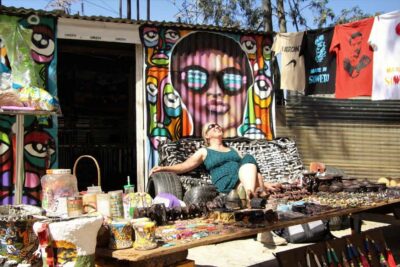
Jo’berg in 1 Day: Soweto, Apartheid Museum & City Tour
Read our review →
Full-Day Tour with Soweto and Apartheid Museum
Read our review →
Full-Day Soweto, Apartheid Museum and Lunch Tour
Read our review →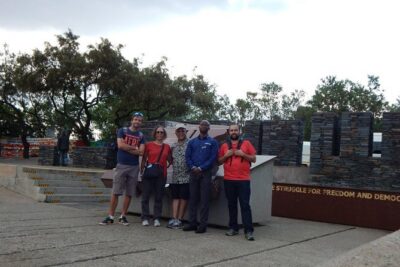
Half Guided Day Tour of Soweto And Apartheid Museum
Read our review →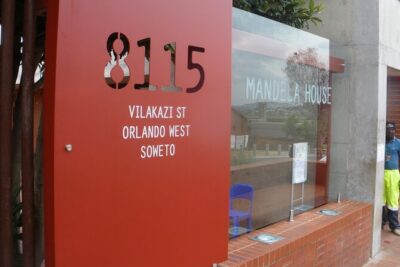
Ultimate Johannesburg Soweto Experience with Apartheid Museum
Read our review →
Hop-On Hop-Off Bus, City Tour and Apartheid Museum
Read our review →
Johannesburg and Soweto Apartheid Full Day Tour w/Lunch
Read our review →Browse the lists this tour appears in