Reviewed · WILDLIFE
Plettenberg Bay: Wild Cat and Wildlife Guided Tour
Plettenberg Bay has a special kind of wildlife experience, one where you get close to South African wild cats while learning how rescue work actually works. I like that this is a tight one-hour guided walk focused on real animals, not a long, exhausting zoo circuit. You also have a chance to see the white lion, which is the kind of sight that makes your camera roll immediately.
The only thing to think about first: you will be close to animals, but you cannot touch or feed them, and selfie sticks are off-limits. That means you should plan your photos with a natural stance and steady hands, not expect a hands-on moment.
This tour runs from the Tenikwa Wildlife Rehabilitation and Awareness Centre, a place built around rehabilitation and education. Guides like Wazi, Bongiwe, Daniel, and Davidson show how each species lives in the wild, then connect that to why these specific cats ended up needing long-term care.
Tenikwa Wildlife Rehabilitation Centre: your cat-world starting point near Plettenberg Bay
This tour starts at Tenikwa Wildlife Rehabilitation and Awareness Centre, in the broader Plettenberg Bay area (Western Cape). If you are driving, the center is easy to find from the N2: look for the turnoff signposted Tenikwa/Monkeyland/Elephant Sanctuary. Then follow the road cues past Animal Alley, keeping left when Tenikwa is signposted, drive past Kurland Village, and at the fork keep right to the Tenikwa signposted entrance. Check in at Reception.
Once you arrive, you kick things off with a short safety briefing. It is not complicated. The main message is simple: you are there to view the animals from the walkway, respect their space, and follow staff instructions so both people and animals stay safe.
What I like about this start is that it sets expectations. You are not wandering around guessing where to go. The center guides you through the habitats, so you spend your time actually watching cats and listening, instead of hunting for them.
One hour on foot: what the guided walk feels like in real life
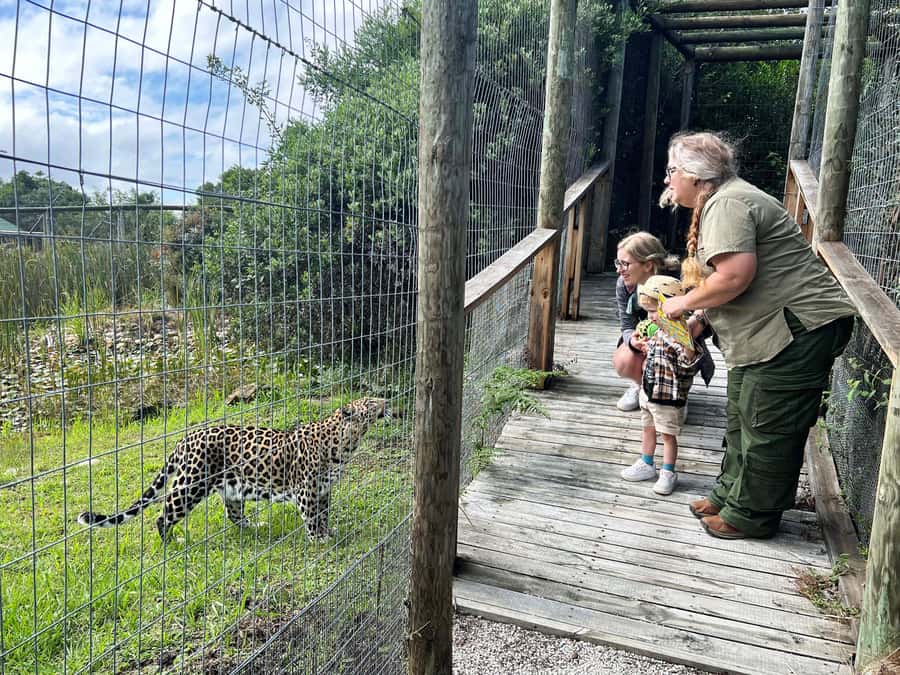
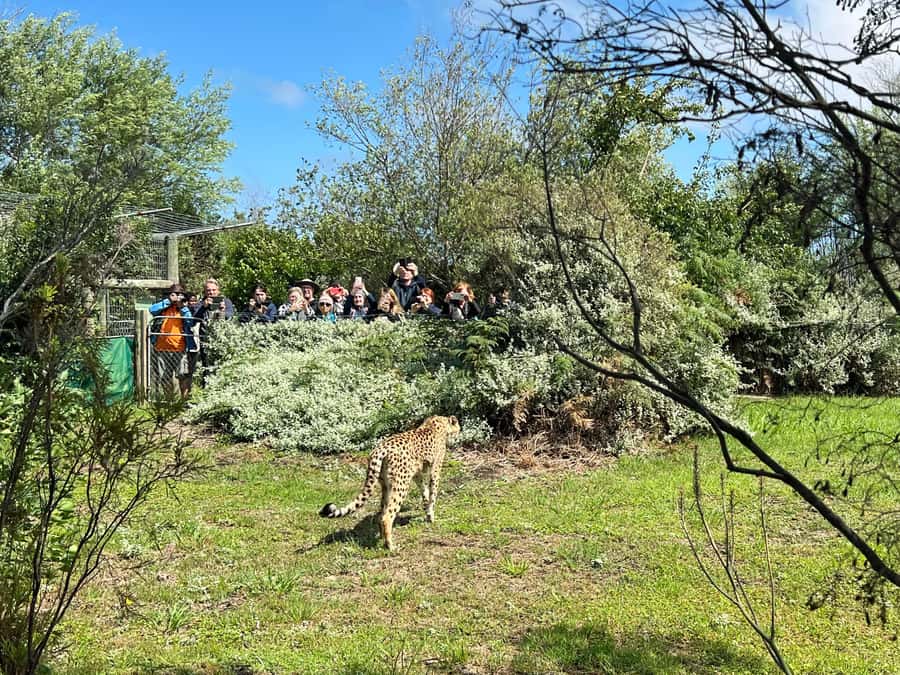
The tour lasts about 1 hour, with a guided route that takes you through different habitats so you can see multiple species. You stay on a walkway that puts you close enough for meaningful viewing and solid photo opportunities, without turning it into a risky interaction.
That time constraint matters. One hour is long enough to learn how the species differ, but short enough that you can enjoy it without feeling drained. A few guides have even taken a bit more time to help people see the cats clearly, including in rainy weather, which tells me the staff tends to prioritize sightings over rushing.
You will likely notice that the guides talk like they are explaining something they truly care about. In different cases, guides have shared that many animals came to the center because they were rescued from various situations, and some cannot be returned to the wild. That single fact changes how you view the whole experience. This is not a show. It is a long-term care mission, and your entry supports that reality.
Put these Garden Route options head to head
- 3 Day Wildlife Safari Tour – Garden Route Small Group Tour from Cape Town
★ 5.0 · 21 reviews - Cape Town: Marine Wildlife Tour from the V&A Waterfront
★ 4.6 · 1,118 reviews - Big Five Game Reserve Wildlife Safari from Cape Town
★ 4.0 · 576 reviews
Lions, leopards, cheetahs, servals, caracals: the core cat lineup you can actually spot
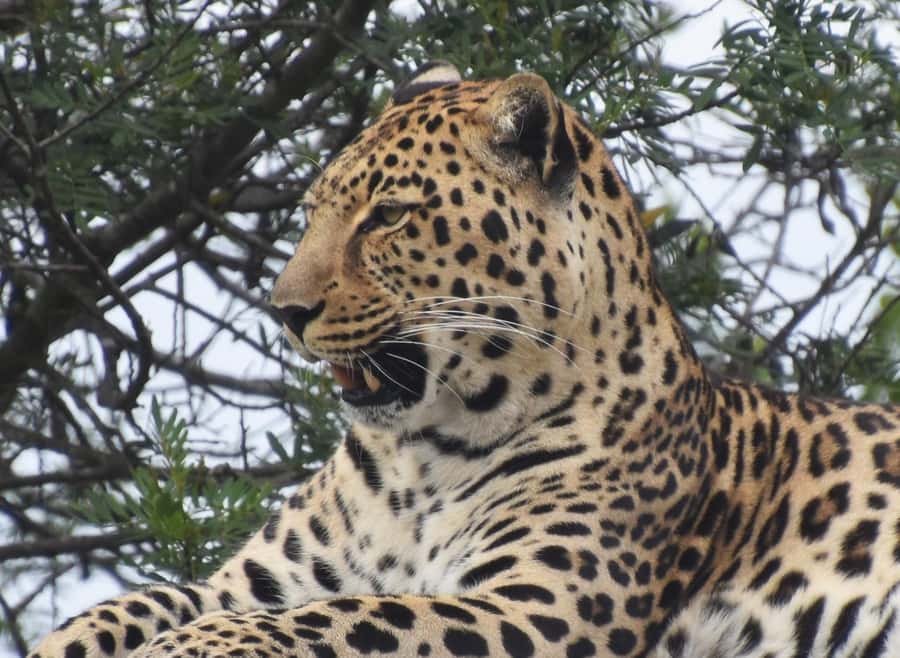
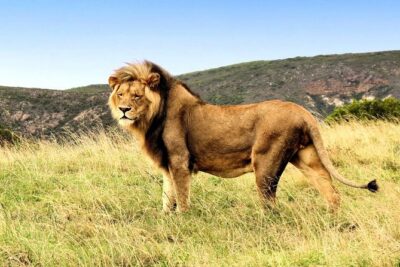
The star of the experience is the wild cat focus, and the lineup is built around South African species. Expect to see or look for animals including lions, leopard, cheetahs, servals, and caracals. The tour structure is designed so you move between habitats rather than staying fixed in one area, which improves your odds of seeing multiple cats well.
Here is why I think that matters for your trip. If you are doing this as part of a Plettenberg Bay itinerary, you want a wildlife activity that delivers variety fast. A single-hour guided route gives you a concentrated dose of big cat and small cat species without eating up your whole day.
Also, this is the kind of tour where listening helps your eyes. Once a guide explains what you should look for, you start noticing the little differences: the posture, the movement style, how each cat’s habits connect to survival in the wild. That is when your viewing turns into understanding, not just spotting.
White lion viewing: where the photos usually happen
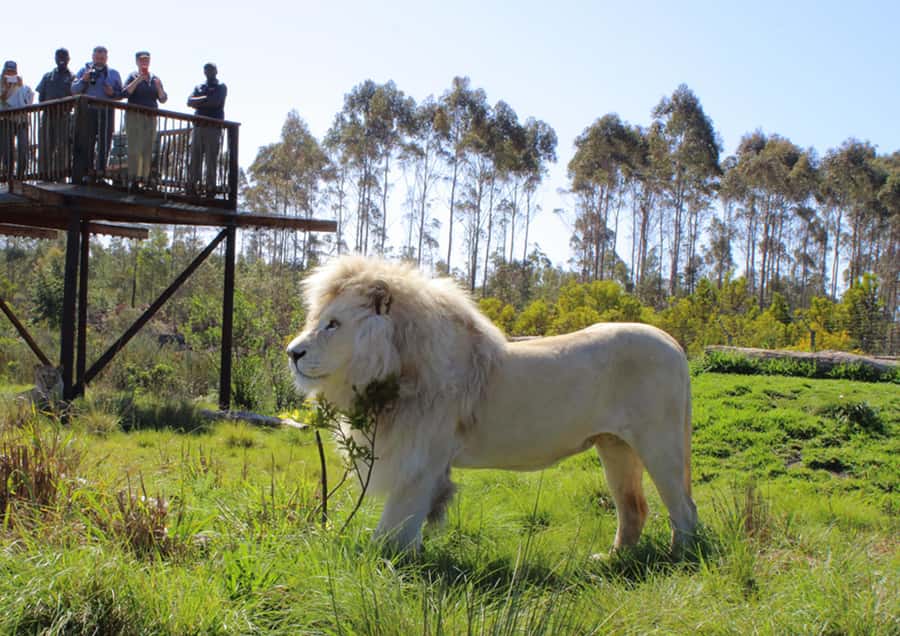
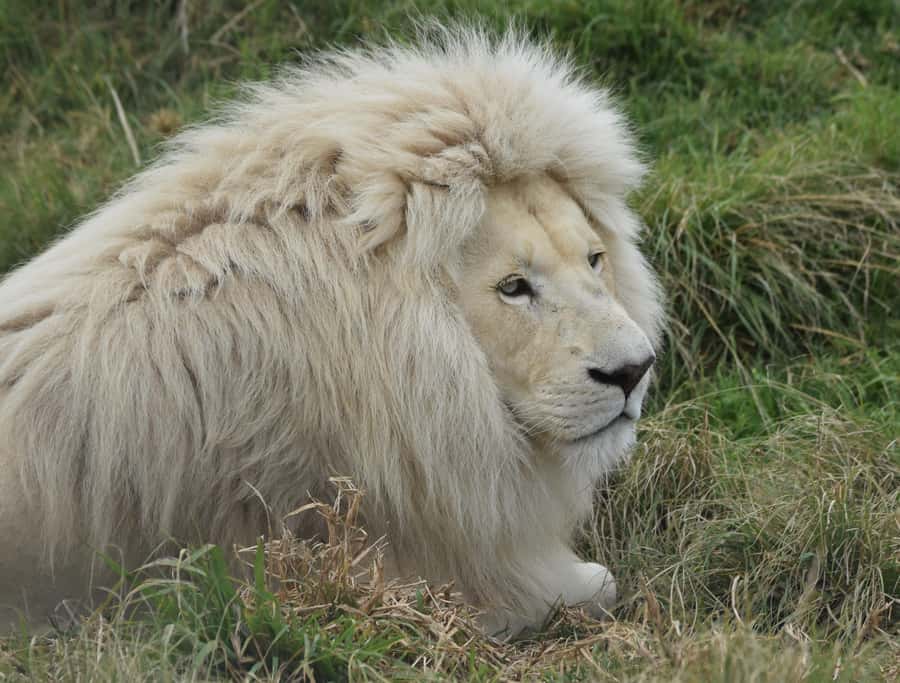
The tour also includes the chance to see and photograph the magnificent white lion. Even if you have seen lions before, a white lion tends to pull focus fast, because it is visually striking and not something you see everywhere.
A practical note for your photos: since selfie sticks are not allowed, you will want to use your normal arm length or a small travel tripod if your device fits center rules (the data only explicitly bans selfie sticks, so stick to what the staff allows on the day). Wear comfortable shoes, keep your stance stable on the walkway, and wait for the cat to pause. Most of the best wildlife photos come from patience, not from constant repositioning.
If you are traveling with kids or family members, this white lion moment is often the point where attention stays locked in. It is a strong visual payoff for a short tour.
Conservation education at Tenikwa: what rehabilitation really means when you hear the facts
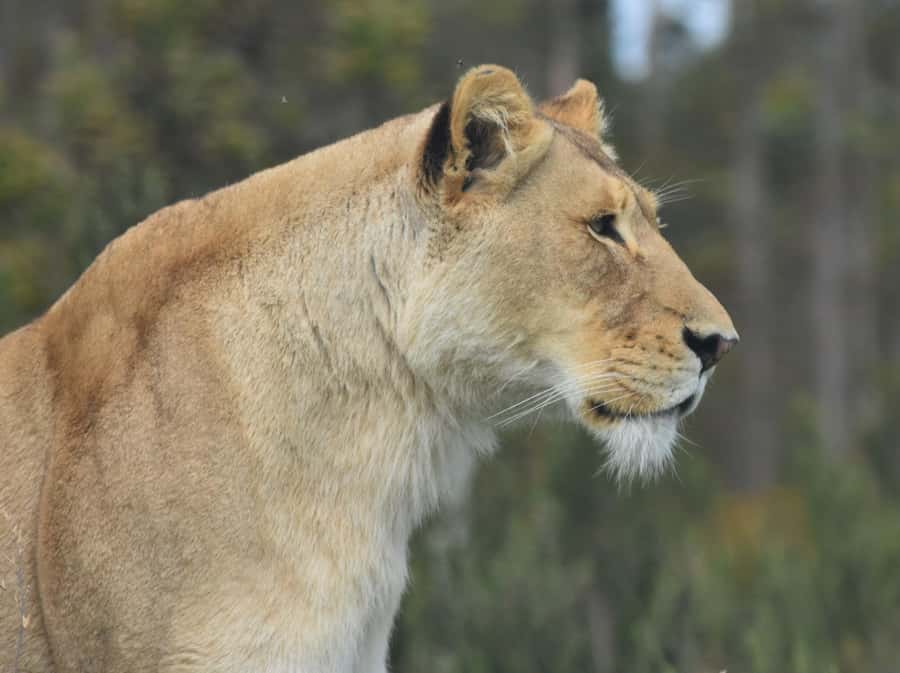
This is where the tour goes beyond wildlife viewing. Tenikwa runs a wildlife rehabilitation and awareness program, and the guided walk is tied directly to that mission.
You will hear that many animals in care were rescued from different places and, in some cases, cannot survive if returned to the wild because they would be unable to look after themselves. I find that detail important because it reframes the whole “cute cat photos” instinct. You are not only looking at animals, you are witnessing the reasons they need protection and specialized care.
It also helps you connect the dots between wildlife and human impact. When a guide talks through each species and why rehabilitation is necessary, the education portion feels grounded, not preachy. It is the kind of conservation information that makes you leave with clearer thinking, not guilt.
If you care about how your tourism money supports real-world outcomes, this is a good fit. You are paying for a guided encounter that links viewing to animal welfare.
Something different for the Garden Route list:
- From Cape Town: 2-Day Safari at Garden Route Game Lodge
★ 4.8 · 928 reviews - 5 Day Garden Route and Addo Safari – Best of South Africa Small Group Tour
★ 5.0 · 291 reviews - 6-Day Garden Route & Addo South African Adventure from Cape Town
★ 5.0 · 282 reviews - From Cape Town: 5-Day Best of Garden Route and Addo Safari
★ 4.8 · 221 reviews
Beyond the cats: Blue Crane, meerkats, marabou storks, and small wildlife moments
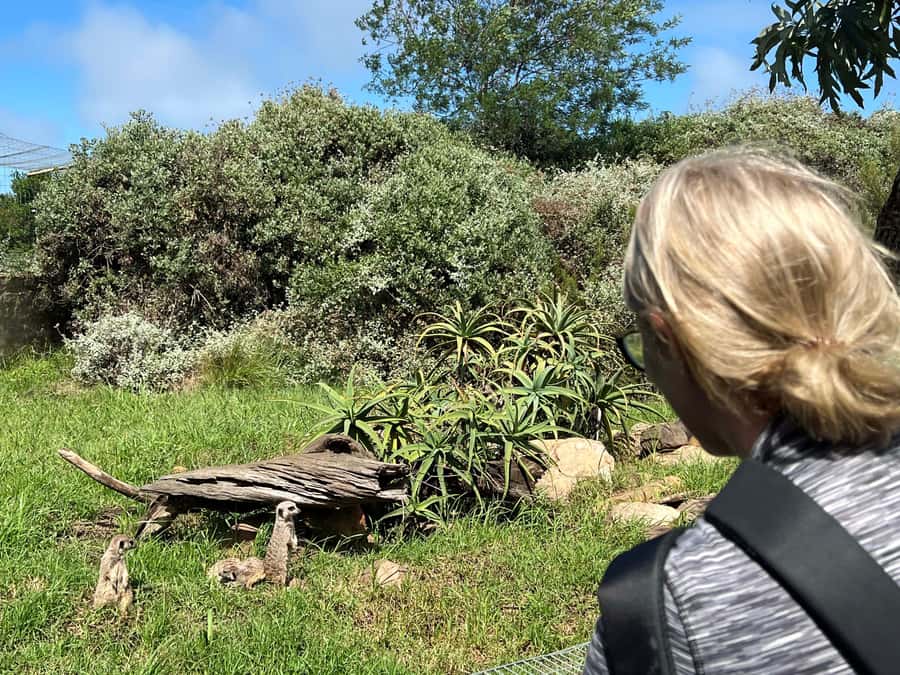
While the tour is centered on cats, you are not limited to felines. You might also see and photograph other local wildlife, including meerkats, marabou storks, and South Africa’s National Bird, the Blue Crane.
This variety is a real bonus because it makes the walk feel more like a living habitat and less like a checklist. Even if a specific animal is elusive at that moment, you are still moving through different areas and listening for what the guide expects might be present.
The Blue Crane detail is especially nice because it is a recognizable national symbol of South Africa, and seeing it in its local context adds meaning to the experience. If you are a bird fan, the stork and crane possibilities make your camera time more interesting than cat-only viewing.
Shopping and a food break: how the extra time works without overpromising
After the guided viewing, you get a short shopping stop, then time to grab coffee and local snacks, with a block for brunch or lunch options depending on what is offered on the day.
Two things to keep in mind so you do not get surprised. First, food and drinks are not included in the tour price. Second, the center provides time for you to buy or eat on-site, so plan for that in your day budget.
If you want a clean travel rhythm, use that break to review photos, ask the guide any lingering questions, and reset before you continue exploring Plettenberg Bay. The tour itself is short, so this extra time helps the whole experience feel complete.
Price and value: $27 for one hour of cat viewing plus conservation education
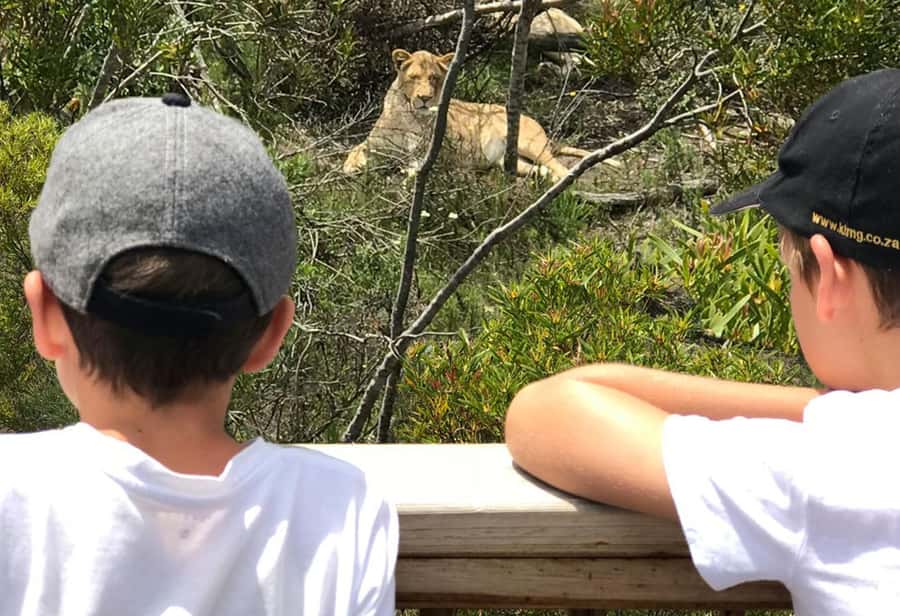
At around $27 per person for a 1-hour guided tour, this is priced in the “worth it if you care about animals” category, not the “quick photo stop” category. You are paying for more than access. You are paying for interpretation, guided viewing from a walkway, and support for a rehabilitation and awareness mission.
What makes it feel like good value is the structure. You get a tight, guided route with a clear focus on multiple cat species, a high-interest highlight like the white lion, and extra wildlife viewing possibilities like Blue Crane and meerkats. For many visitors, that means you spend your limited time in the region productively, instead of chasing wildlife sightings independently.
If you are on a tight schedule, the 1-hour duration is also a value point. It lets you keep your day flexible and still get a wildlife experience that feels meaningful.
Who should book this Tenikwa wild cat tour, and who might not love it
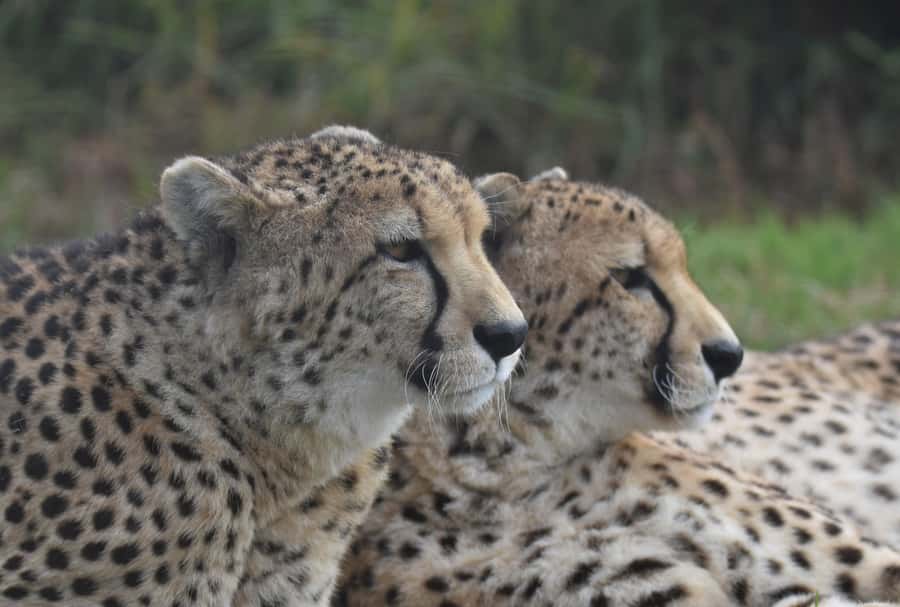
This tour is a strong match if you want:
- Close wildlife viewing with a guided explanation
- A concentrated one-hour experience with multiple cat species
- Conservation-focused animal care education, not just entertainment
- Photo opportunities, including a white lion highlight
- An experience in English with a live guide
It may be less ideal if you are expecting hands-on animal interaction, because touching and feeding are not allowed. It also is not ideal if you depend on selfie sticks, since those are not permitted.
It also helps to know that the tour is wheelchair accessible. That is a plus for visitors who want guided wildlife viewing without needing specialized equipment or complex transfers.
Should you book the Plettenberg Bay Wild Cat and Wildlife Guided Tour?
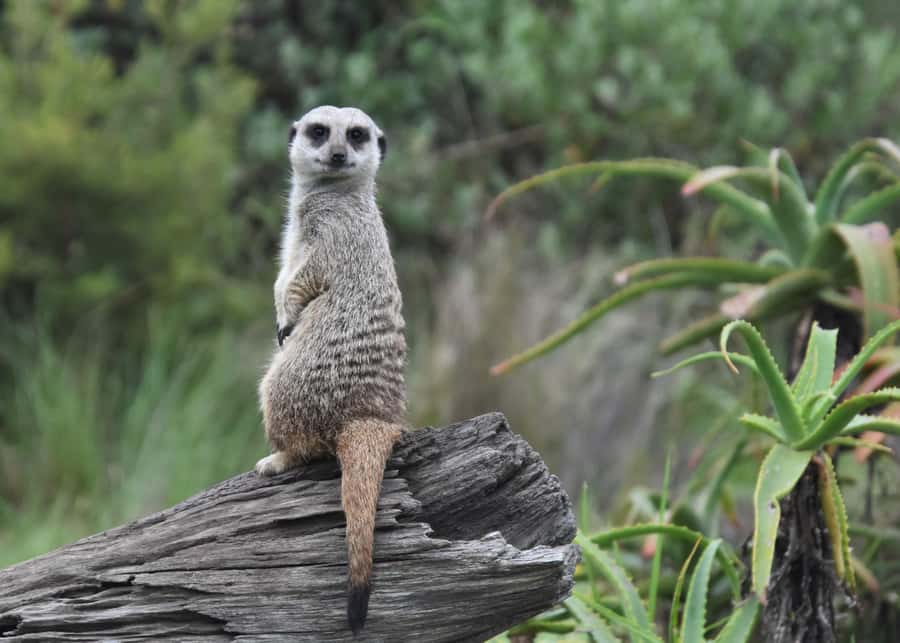
My take: book it if you want a short, well-guided wildlife experience that connects viewing to animal welfare. The one-hour timing is a big plus, and the mix of cats plus Blue Crane and other local wildlife keeps the walk interesting.
Skip it only if your dream day is a hands-on interaction, or if the idea of viewing from a walkway without touching feels disappointing. If you are the type who enjoys learning as you look, this is a great use of a half-day block in Plettenberg Bay.
If you can, wear comfortable shoes, leave the selfie stick at home, and bring your camera mindset: stable, patient, and ready for moments when an animal chooses to move into view.
FAQ
How long is the Wild Cat and Wildlife Guided Tour?
The tour lasts about 1 hour.
What is included in the ticket price?
The ticket includes the 1-hour tour and a guide.
Where do I meet for the tour?
Meet at Tenikwa Wildlife Rehabilitation and Awareness Centre. Check in at Reception after following the N2 turnoff signposted Tenikwa/Monkeyland/Elephant Sanctuary, keeping the Tenikwa signage for the entrance.
What animals can I expect to see?
You may see wild cats such as lions, leopard, cheetahs, servals, and caracals. Other wildlife possibilities include meerkats, marabou storks, and the Blue Crane. The tour also highlights the white lion.
Is there a guide, and is the tour in English?
Yes, there is a live tour guide, and the tour language is English.
What should I bring?
Wear comfortable shoes. That is the main item recommended.
Are selfie sticks allowed?
No, selfie sticks are not allowed.
Can I touch or feed the animals?
No. Guests are not allowed to touch or feed the animals.
Are food and drinks included?
Food and drinks are not included, even though the schedule includes time for coffee, brunch, lunch, and local snacks.
Newest reviews around Garden Route
- 1 Day Garden Route Tour from Port Elizabeth to the Crags★ 5.0 · 9 reviews
- 10 Day Cape & Garden Route Tour Combo with add-on accommodation★ 5.0 · 9 reviews
- South Africa: Audioguide App for Garden Route & Western Cape★ 4.1 · 9 reviews
- 3 Day Garden Route Tour★ 4.5 · 11 reviews
- WILDERNESS GARDEN ROUTE QUAD BIKE FUN RIDE★ 4.6 · 11 reviews
- 4-Day Garden Route Experience★ 4.9 · 12 reviews
- From Cape Town: 7-Day Garden Route, Addo and Winelands Combo★ 3.0 · 12 reviews
- Garden Route Durban to Cape Town via Addo National Park – 7 Days★ 5.0 · 15 reviews
Wildlife, compared.
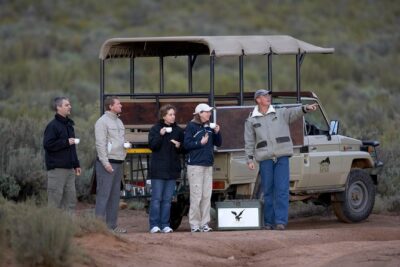
Big Five Game Reserve Wildlife Safari from Cape Town
Read our review →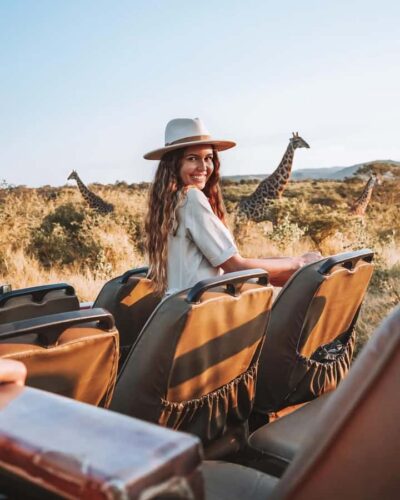
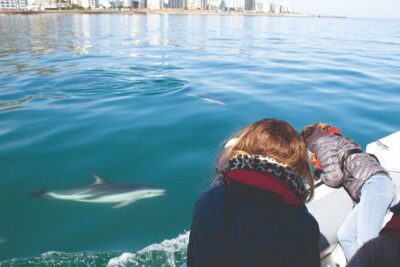
2 Day South African Wildlife Tour with 4×4 Safari from Cape Town
Read our review →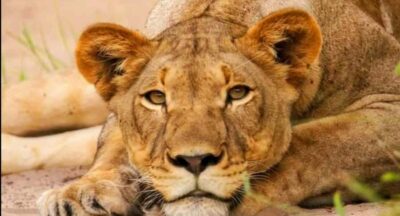
Schotia Safaris: Best Wildlife Encounters in Port Elizabeth
Read our review →