

Reviewed · PLETTENBERG BAY TOURS
Kwano Lifestyle Day Tour – Be a local for a day
What makes the Kwano Lifestyle Day Tour interesting is that it is built around local routines instead of a scripted show. I like that it is community-led, led by people who actually live this daily life. One possible drawback to plan for: it is also very real, so you should be ready for an unvarnished look at everyday circumstances, and there is no included food or drinks.
You’ll meet at Mila’s Kitchen in Plettenberg Bay, then spend the day moving through KwaNokuthula, including a visit to Siya’s dreadlock salon and a stop at a local creche (weekday) or the surrounding streets (weekend). The tour runs in English, and you’ll walk in comfortable shoes, not fancy attire.
Key Things I’d Plan For
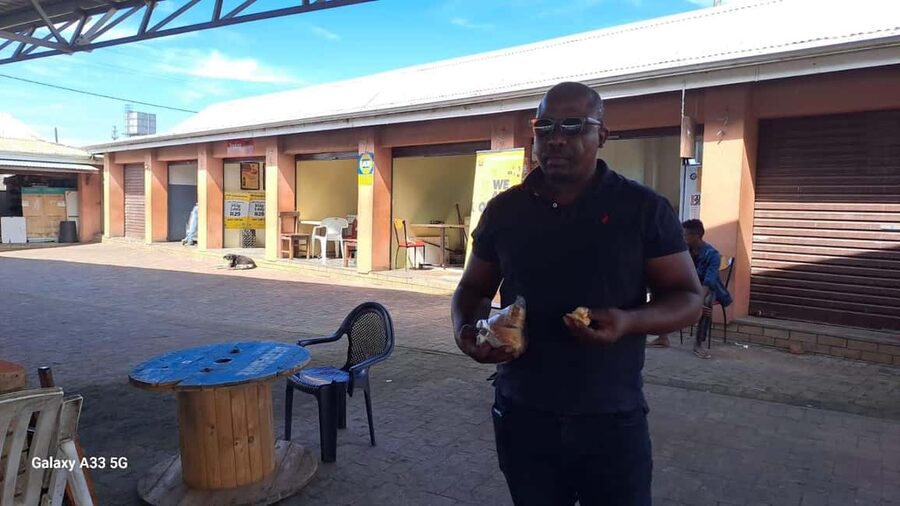
- Community-led access that centers Xhosa daily life and local perspectives
- Weekday creche time with songs, then street life on weekends if the creche is closed
- Siya’s dreadlock salon stop, with stories about natural hair and cultural meaning
- Spaza shop reality check, including common everyday buys like loose draws (cigarettes) and Lion matches
- Tavern time to cool off with a drink option you pay for yourself
- Ubuntu at the end, with the tour finishing at Mila’s kitchen and lunch available if you want it
A Local-First Day in KwaNokuthula, Plettenberg Bay

This is a day tour that aims to make you a temporary part of the neighborhood rhythm in KwaNokuthula, just outside Plettenberg Bay in the Western Cape. Instead of meeting people once for a photo, you spend real time with stops that connect to education, hair and style, small business, and everyday community spots.
I also like the tone: the tour openly frames the experience as raw and unfiltered, with the point being understanding, not performing. That matters. If you want culture as something that only happens behind a gate, this won’t be your kind of day.
On this tour, the big cultural thread is Ubuntu, the idea of humanity toward others. You can feel it in the way the day is structured, especially in the final stop at Mila’s where hospitality is part of the experience, not an afterthought.
Put these Plettenberg Bay options head to head
- Plettenberg Bay: Swim with Seals
★ 4.7 · 887 reviews - Knysna Ziplines Tour
★ 5.0 · 688 reviews - Standard Canyoning Trip in The Crags, South Africa
★ 5.0 · 381 reviews
Price and Value: Why $35 Can Still Feel Worth It
At $35 per person, you’re paying for more than transport. The included pieces add up to a guided, personal day with a local guide, taxi rides in the area, and multiple community stops: a creche visit or neighborhood walk, Siya’s dreadlock salon, a local spaza shop, and a tavern stop, then finishing at Mila’s kitchen.
Here’s the value math that matters to you: the cost is low enough that it can feel like a serious cultural exchange, not an expensive curated attraction. But you still need to budget for what is not included. The tour specifically notes no food and drinks included, and shop purchases are on your own expense.
So I’d think of it this way. You’re paying for access and context. You’re paying extra, separately, for any snacks, drinks, or purchases you choose to make while you’re out with the group.
Meeting at Mila’s Kitchen: The Start That Sets the Tone

The tour starts at Mila’s Kitchen, and you’re advised to arrive early. That’s a smart tip because it gives you a buffer and time to settle before the day begins. If you return later, Mila’s is also where you can enjoy traditional Xhosa lunch.
Starting at a home base is one of those small choices that changes everything. You’re not just dropped off at a succession of stops. You begin the day with a real meeting point inside the neighborhood relationship, which fits the Ubuntu theme.
Practical note: since the tour ends back at the meeting point, you’re not trying to figure out local directions at the end of a full day. You can simply plan to continue at Mila’s if lunch appeals to you, or head back when you’re done.
Taxi Transport and a Simple Group Day Flow

You’ll travel around by local taxi with your guide. Taxi time matters more than it sounds, because it gives you a smoother transition between places that reflect different parts of daily life. It also helps you conserve energy, since the day includes walking.
This is a day tour with movement, not a sit-down museum format. Wear comfortable shoes and plan for some walking in the neighborhood streets. The tour also clearly says it is not suitable for wheelchair users, and it prohibits bare feet and high-heeled shoes, so keep your footwear simple and sturdy.
For the day to feel good, your goal is to stay present. Ask questions when your guide offers them up, and don’t rush the conversations. This tour works best when you treat it like meeting neighbors, not ticking boxes.
Something different for the Plettenberg Bay list:
- Plettenberg Bay: Whale Watching Boat Cruise
★ 4.4 · 362 reviews - Plettenberg Bay: Canyoning Trip
★ 4.9 · 353 reviews - Plettenberg Bay Game Reserve: 2-Hour Game Drive
★ 4.2 · 267 reviews - Short Canyoning Trip in The Crags
★ 5.0 · 221 reviews
Weekday Creche Songs vs Weekend Street Walks
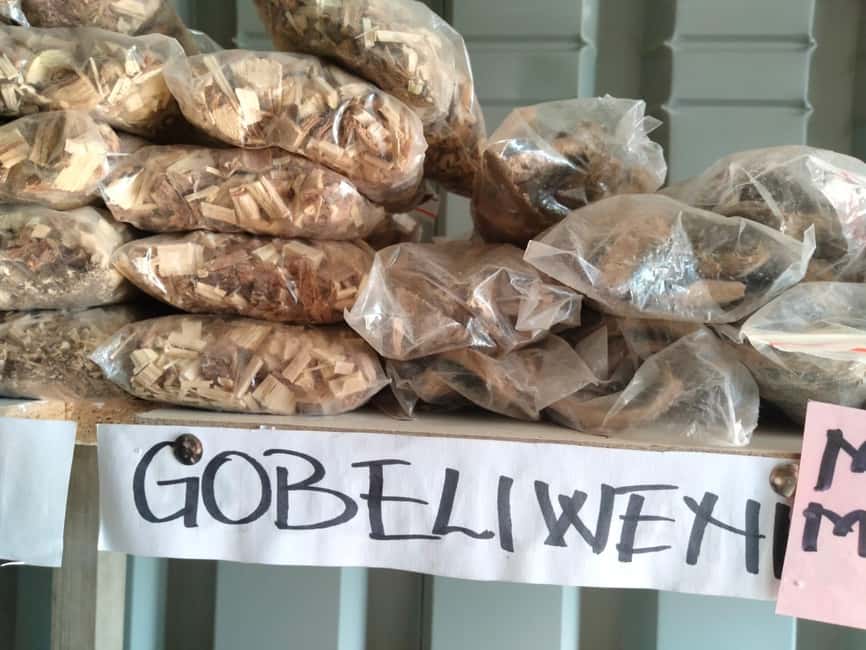
One of the biggest differences is day-of-week. During the week, you visit a local creche, where the children sing in their native language. The point isn’t just entertainment. It’s a window into early education and community spirit.
If it’s a weekend, the creche stop may not be available. In that case, you’ll stroll through the surrounding streets and feel the Ubuntu side of Xhosa community life through day-to-day sounds and interactions.
Either way, you should expect a sensory experience. On the weekend, you may even hear clicks in the Xhosa language, since Xhosa has 15 distinct clicks. You don’t need to memorize them. Just listening is part of learning what makes the language sound like itself.
A good consideration here: the creche and street environments are different. The creche visit tends to be more structured and face-to-face. The street walk is more open and spontaneous. Plan your photo expectations accordingly, and be ready to follow your guide’s lead on what is comfortable and respectful.
Siya’s Dreadlock Salon: Hair, Stories, and Cultural Meaning
One of the most memorable stops is Siya’s dreadlock salon. You’re not just looking at hairstyles. You’re hearing stories about why natural hair matters in Xhosa culture, and how style connects to identity.
This is a stop I think you should lean into. If you usually ignore hair talk because it feels too personal, give this a chance. The cultural meaning is the point, and the salon setting is the place where you can ask questions naturally.
Also, this is one of those experiences where your presence as a visitor can actually help, if you approach it the right way. The tour’s guidance encourages bringing small change for donations when you take photos of people and for supporting small businesses through small arts and crafts purchases. That matters because these are local spaces, not souvenir counters built for tourists.
You might even feel inspired to try a new style, but don’t treat that as the only goal. The deeper value is hearing the significance behind the look.
The Spaza Shop Stop: Everyday Essentials and Small-Business Power

Next comes the spaza shop, which is a local hub where people buy daily necessities. The tour specifically highlights common buys like loose draws (loose cigarettes) and Lion matches.
Even if you never buy those items, the shop stop still makes sense. It shows you how people shop at a neighborhood scale, how daily life is stocked and supported locally, and how small businesses keep the community running.
This is also where you should be extra careful with photos. Bring cash and small change, since the tour advises you do that for donations and for supporting small arts and crafts. If you’re planning to take photos, do it only when the guide signals it’s okay, and keep it respectful and low-pressure.
Also, this is a reminder that “authentic” doesn’t mean “comfortable for every taste.” A spaza shop is real life, so it may not match what you picture as a tidy market. That’s part of the lesson.
Tavern Time: A Drink to Cool Off and Chat Like a Neighbor

To finish the main circuit, you stop at a tavern. The included description frames it as a place to quench your thirst, and you can sample local beers.
Because the tour states no food and drinks are included, plan to pay for your own drink. Still, the value is in the setting. A tavern stop gives the day a social rhythm. It’s where conversation becomes easier, and where you can let the guide do the cultural translating if questions come up.
If you prefer non-alcoholic options, you can ask your guide what’s available. The key is to use this stop as downtime, not a rushed photo moment.
Ending at Mila’s Kitchen: Ubuntu Hospitality and Lunch If You Want It

The tour ends back at Mila’s kitchen, and you’re welcome to stay for lunch. This is a warm landing after a day of hands-on community stops.
What I like about this ending is that it closes the loop. You start at Mila’s, you experience other parts of community life, then you come back into hospitality and can choose how you want your day to end. That optional lunch turns the last stop from a “drop-off point” into an actual shared moment.
The Ubuntu theme lands here. It’s not abstract language. It shows up in what hospitality looks like at the end of the day, and in the sense that you are treated as a human, not just an observer.
What to Bring (So You Don’t Feel Caught Off Guard)
The tour gives clear guidance, and I’d follow it closely. Bring:
- Passport or ID card
- Comfortable shoes
- Sun hat
- Camera (and plan for respectful photo timing)
- Cash and a credit card
- Sunscreen
You should also keep your hands free for the day. A small crossbody bag or simple day pack helps you handle cash, water, and any small items you might buy from local businesses.
If you wear anything too formal, it’s not the right fit. The tour says no high heels and no bare feet. Think practical.
A Few Real Considerations Before You Book
This tour has a strong “real life” tone. That’s a selling point, but it’s also a planning factor.
First, the tour notes that it can show the unvarnished reality of life. If you’re someone who needs everything softened, you might find it emotionally intense. If you want understanding, that honesty is exactly what makes the experience meaningful.
Second, not everything may be available on weekends, like the creche. On weekends, you’ll walk the streets instead. If a creche visit is your top priority, try to pick a weekday when possible.
Third, there is no included food or drinks. You’ll likely want water and you’ll need spending money for any drinks, snacks, or purchases you choose to make.
And finally, this is not suitable for wheelchair users, so if mobility is a concern, skip this one.
Who This Tour Suits Best (And Who Might Prefer Something Else)
I think the Kwano Lifestyle Day Tour is a great fit if you:
- Want Xhosa culture through daily life, not only performances
- Like people-to-people experiences where conversation matters
- Enjoy supporting small businesses and local community spaces
- Are okay with a day that feels real, not polished
It’s probably not the best choice if you:
- Want a fully staged, comfortable, entertainment-only format
- Need lots of included meals and drinks
- Have mobility constraints that make walking difficult
- Don’t want the day to include tough, honest realities
Should You Book the Kwano Lifestyle Day Tour?
If your idea of a great day in South Africa is meeting local people, hearing real stories, and learning through everyday places, I’d book this. The best part is that it feels like community-led access, not tourist theater.
You should book if you’re excited by small moments: children singing at a creche during the week, hearing about natural hair at Siya’s dreadlock salon, seeing how daily shopping works in a spaza shop, and finishing with Ubuntu hospitality at Mila’s kitchen.
Just go in with the right mindset. Wear comfortable shoes, bring cash and small change, expect a real look at life, and understand that lunch and drinks are options, not guaranteed inclusions. Do that, and this can easily become one of the most human days you have in the Western Cape.
FAQ
Where does the Kwano Lifestyle Day Tour start and end?
The tour starts at Mila’s Kitchen. It ends back at the same meeting point.
Is food or drink included on the tour?
No. The tour notes that no food and drinks are included. You can stop at a tavern for a drink option, and Mila’s kitchen is happy to welcome you for lunch.
What happens if the creche is not available during a weekend?
On weekends, the creche may not be available. In that case, the tour focuses more on walking the streets and experiencing the Ubuntu of the Xhosa community.
What should I bring?
Bring passport or ID, comfortable shoes, a sun hat, camera, credit card, sunscreen, and cash.
Is the tour wheelchair accessible?
No. The tour is not suitable for wheelchair users.
Can I book without paying right away?
Yes. The listing offers reserve & pay later, meaning you can book your spot and pay nothing today.
Newest reviews around Plettenberg Bay
- Plettenberg Bay: 2-Hour Surf Lesson★ 4.9 · 8 reviews
- 2 Night Tenikwa Experience★ 5.0 · 9 reviews
- Cats in Conservation★ 5.0 · 10 reviews
- Plettenberg Bay: Cats in Conservation Full Day Tour★ 4.9 · 11 reviews
- THE CRAGS PLETTENBERG BAY: QUAD BIKE FUN RIDE★ 4.6 · 11 reviews
- The Private Wildlife Tour★ 4.5 · 12 reviews
- Birds of Eden Admission Ticket★ 4.5 · 15 reviews
- Plettenberg Bay: Seal Viewing Boat Trip★ 4.8 · 16 reviews
Plettenberg Bay Tours, compared.
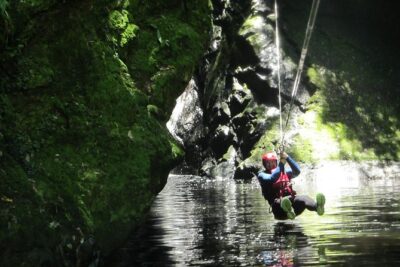
Standard Canyoning Trip in The Crags, South Africa
Read our review →

Plettenberg Bay Game Reserve: 2-Hour Game Drive
Read our review →

Browse the lists this tour appears in