
Reviewed · LESEDI CULTURAL VILLAGE
Lesedi Cultural Village with lunch or dinner cultural food
Lesedi Cultural Village is interesting because it packs several South African cultures into one easy 5-hour day, with a live drumming and singing welcome that kicks things off right away. I love the chance to tour five ethnic groups in one go, including Zulu, Xhosa, Pedi, Sotho, and Ndebele. I also like that you finish with lunch or dinner instead of just being dropped back off with an empty stomach. One possible drawback: it is partly staged, so if you are hunting for super detailed, one-on-one personal storytelling, you might not feel satisfied.
The good news is that the experience moves at a comfortable pace. You get guided time inside the village, a transport connection from Johannesburg and Pretoria, and performances that are clearly meant to be shared between visitors and villagers, not locked behind a fence. If you want the most from it, go with curiosity, ask simple questions, and plan for outdoor singing and dancing in real South African sun.
Key things I’d circle in your planning
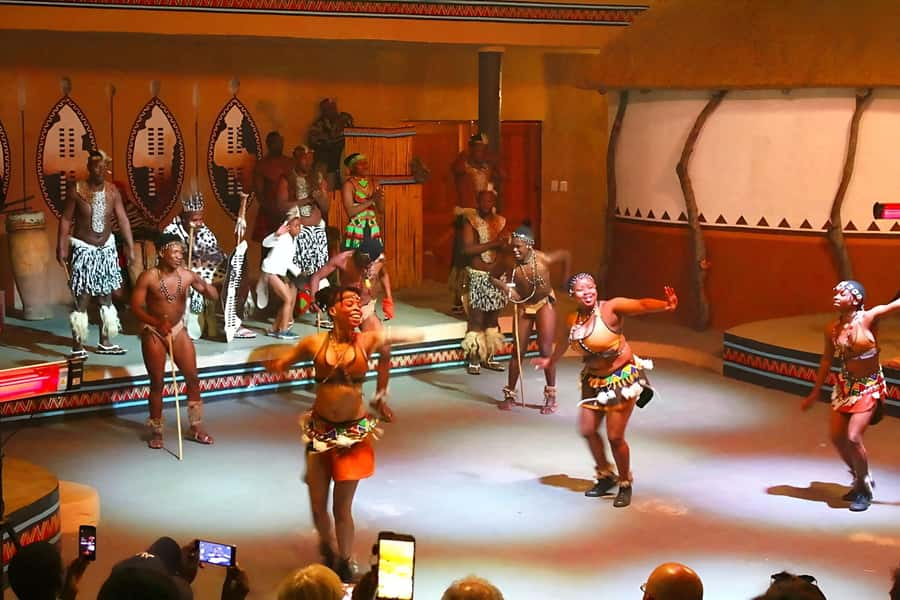
- A singing and drumming welcome that sets expectations early and keeps energy high
- Five ethnic groups in one village layout, so you see more than a single culture
- Music, song, and dancing as a core part of the learning, not a side show
- Hands-on style demonstrations you might see, like craft and daily-life activities
- Lunch or dinner included, so the tour actually feels like a full experience
- English, Portuguese, and French guidance, with translation support mentioned by visitors
A 5-hour Lesedi Cultural Village day that fits real schedules
Lesedi Cultural Village works well when you want cultural context without planning a full, day-long trip. The visit is built to run like a “cultural circuit”: welcome first, village tour next, performance during the flow, then food to close it out. In other words, it is structured, and that structure can be a big plus if you have limited time.
Price matters here. At $143 per person, you are paying for more than a ticket to a site, you are paying for guided time, entrance access, and the included meal. The same day also includes coach time from Johannesburg or Pretoria, which is not free if you arrange it yourself.
More Food Tours in Johannesburg
- Johannesburg: Local Food Tasting Guided Walking Tour
★ 4.7 · 192 reviews - Soweto Food & Beer Bike Tour
★ 4.9 · 40 reviews - Unique street food tour from at least 6 different cultures!
★ 5.0 · 29 reviews
Johannesburg or Pretoria pickup, then a 45-minute coach ride
One practical win is that the tour includes pickup and drop-off options around Johannesburg and Pretoria. That reduces the hassle of figuring out transport, especially if you are staying in the city and not near North West. You also get a coach transfer time of about 45 minutes each way, which helps you plan meals and energy.
The drive itself also sets you up mentally. When you arrive, you are not stumbling in mid-activity, you are already in the right rhythm for orientation, photos, and the cultural welcome. If you get motion sick easily, take your usual precautions before you board.
The photo stop and the drumming welcome at the village gate
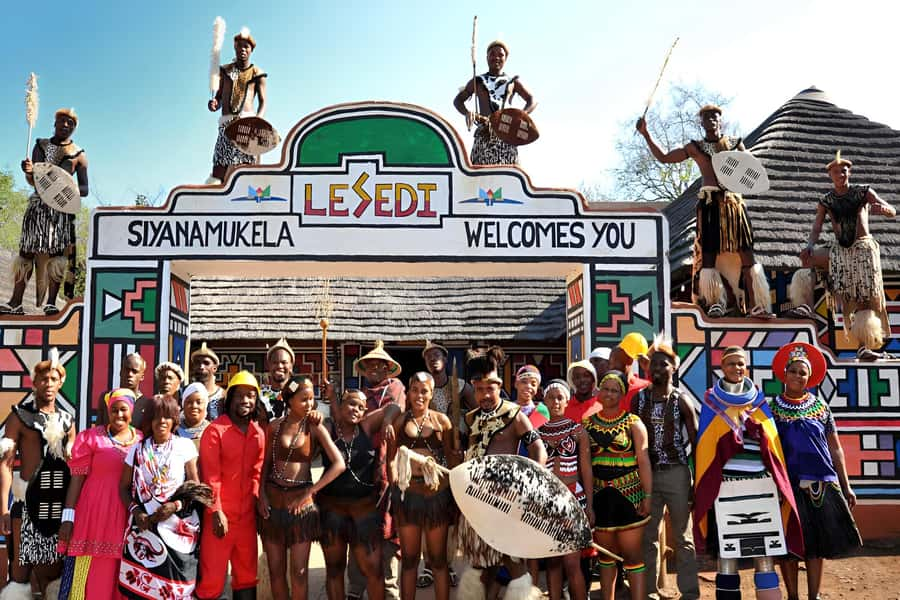
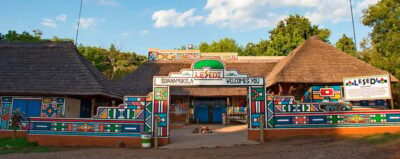
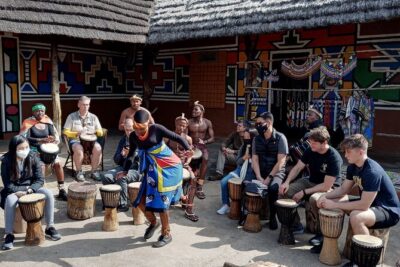
Right when you get to Lesedi Cultural Village, there is a photo stop and then a guided introduction with music. The overall feel is warm and social, with drumming and singing that put you in the mood to watch, listen, and then join in when invited.
This is also where you can reset expectations. The welcome is not just background noise, it is a deliberate first lesson in cultural expression through rhythm, call and response energy, and performance timing. Even if you do not know the languages, you can still follow the cues.
Touring five homesteads: Zulu, Xhosa, Pedi, Sotho, Ndebele
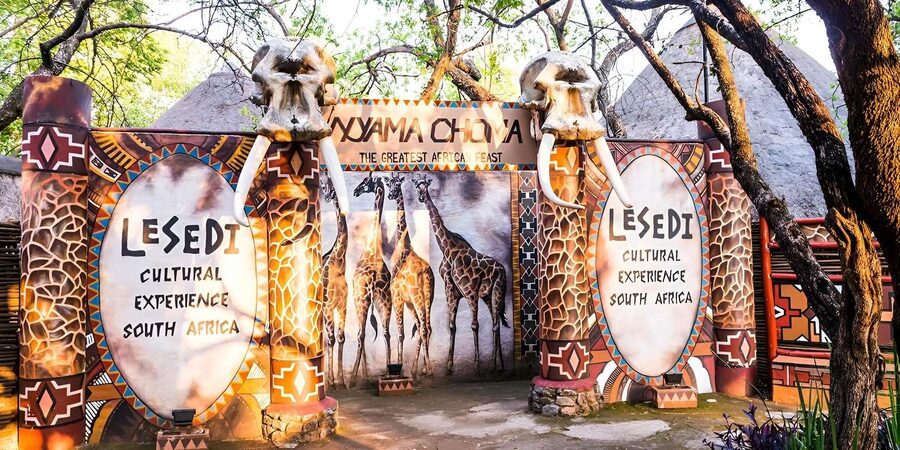
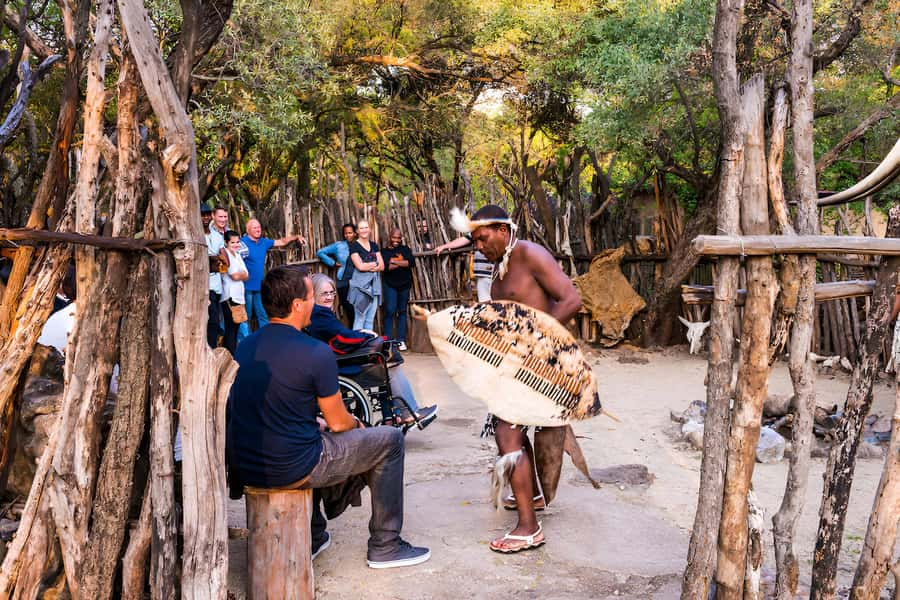
The heart of the visit is the guided walk through five ethnic groups represented in traditional homestead replicas. Guides explain customs, lifestyles, and what each community builds into daily life through housing style and household function. You are essentially seeing cultural differences through architecture and routine, then connecting that to the songs and stories that come later.
Here is what I think is most valuable about this format for you:
- It gives you a quick comparative lens. You see how different communities organize space and daily living.
- It keeps you oriented. Each group is given time on its own, so you can link the visuals to the guide’s explanation.
One thing to keep in mind is how visitors interpret this. One review experience described the tour as very visual, with staff playing out scenes, and not always delivering much deeper learning. That does not mean it is bad, it means you should go in for atmosphere and guided overview, not for an academic lecture.
More Lesedi visits:
- Lesedi Cultural Village and Cradle of Humankind Tour
★ 5.0 · 48 reviews - Lesedi Cultural Village Tour
★ 5.0 · 46 reviews - Lesedi Cultural Village
★ 5.0 · 45 reviews - Johannesburg: Lesedi Cultural Village Experience
★ 4.6 · 43 reviews
Singing, drumming, and dancing, plus what demonstrations might look like
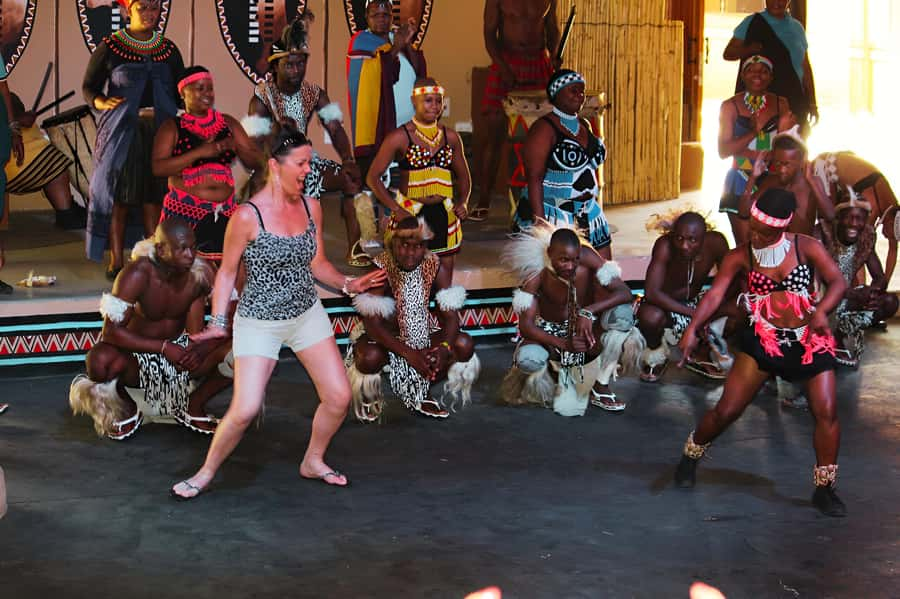
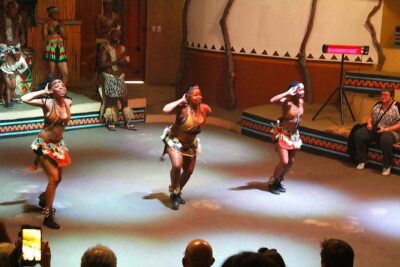
After the homestead tour, the day leans hard into performance. You can expect singing, drumming, and dancing designed to feel like an exchange between visitors and the performers. In the best moments, you stop thinking of it as a show and start thinking of it as a shared moment of rhythm and movement.
You might also see live demonstrations of daily-life activities such as pottery-making, weaving, beer-brewing, and beadwork, depending on what is scheduled that day. These are the parts where you can ask small questions. If you show interest in the craft steps, you will usually get better explanations than if you just watch silently.
If you love to participate, you may be given a chance to try basic dance steps or simple craft activities under guidance. That kind of involvement is where staged experiences can still feel genuine, because your body is learning as you go.
Lunch or dinner at Lesedi: the payoff moment
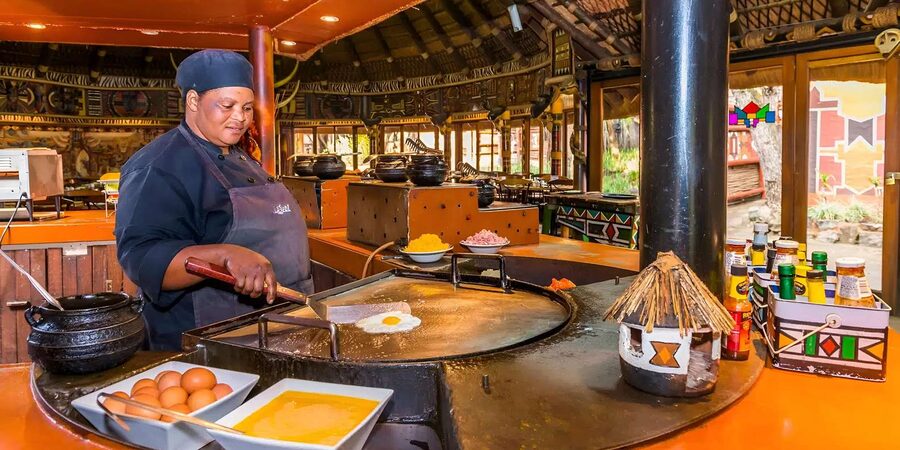
The tour includes a meal, either lunch or dinner, with about 1 hour scheduled to eat. This matters because it stops the day from feeling like only performances and walking. It also gives you a chance to slow down, digest, and ask follow-up questions before you head back to the city.
Food on these cultural village tours is often built around familiar South African staples. You might see items like pap (maize porridge), chakalaka (spicy relish), and a selection of meats prepared in traditional ways. You should also remember that the meal is included, but drinks are not included. If you want a soft drink, water, or anything else with your food, budget for it.
Pro tip: eat like a tourist with a plan. If you know you are going to do photos and dancing, do not save your biggest appetite for dessert that may never come. The meal is the anchor, so it is smart to treat it like your main fueling stop.
How the guiding and translation support can make or break it
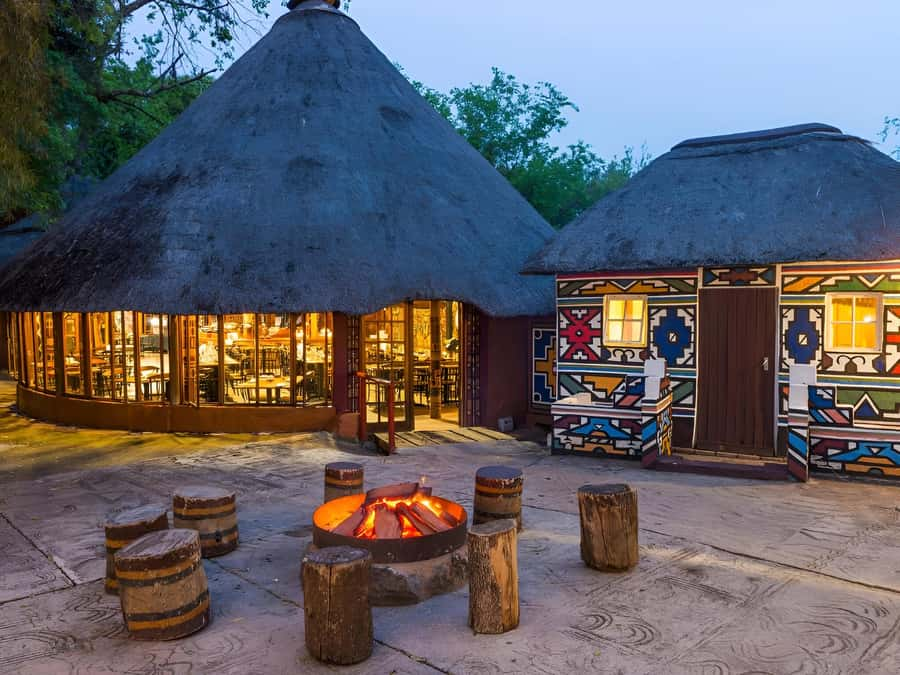
The tour is guided in English, Portuguese, and French, and translation support is a real advantage here. One highlight from experiences shared by visitors is the presence of a French guide and the helpful pacing when translation is needed.
There is also a standout name that comes up: Samuel. Visitors describe him as going out of his way with extra information and new experiences throughout the tour. That kind of guide energy matters, because a cultural village can feel like set pieces if the guide is just reciting facts. When the guide connects the dots with extra context and interaction, the same visuals start to feel like a guided story.
If you are sensitive to language barriers, this is the tour you want. Being able to follow the explanation while you watch the performances makes a huge difference in how much meaning you take home.
The $143 value check, and what costs extra
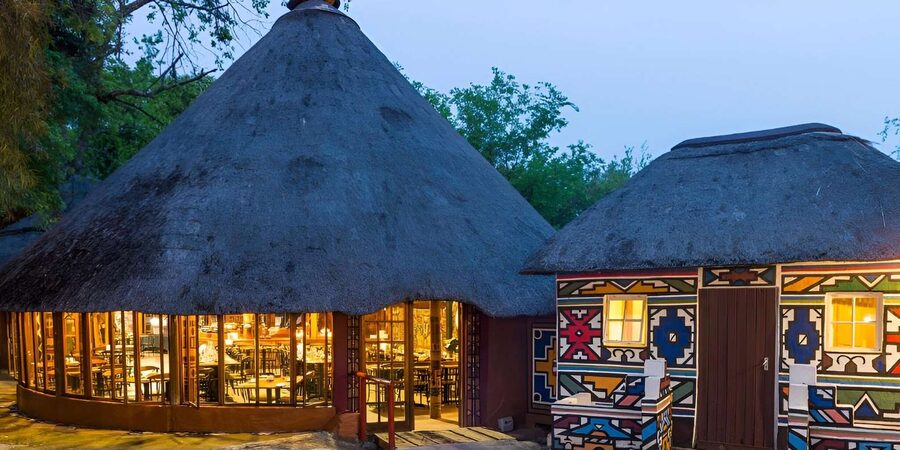
At $143 per person, you are paying for:
- Entrance fees
- Food (lunch or dinner)
- A guided cultural tour
- Hotel pickup and drop-off around Johannesburg and Pretoria
- Skip-the-ticket-line access
What is not included:
- Drinks
- Personal purchases, usually crafts and souvenirs
So is it good value? For a visitor with limited time, I think yes. You are getting transport, guided time, and a meal bundled into one schedule. If you tried to recreate this yourself, you would likely spend similar money on transport and entry fees, then add food separately.
The trade-off is that you should not expect total freedom or deep customization. This is a structured cultural program designed for groups. If you prefer private, open-ended experiences, you might prefer a different style of cultural tour. But if you want a clean, well-paced overview, Lesedi makes sense.
Who Lesedi Cultural Village suits best
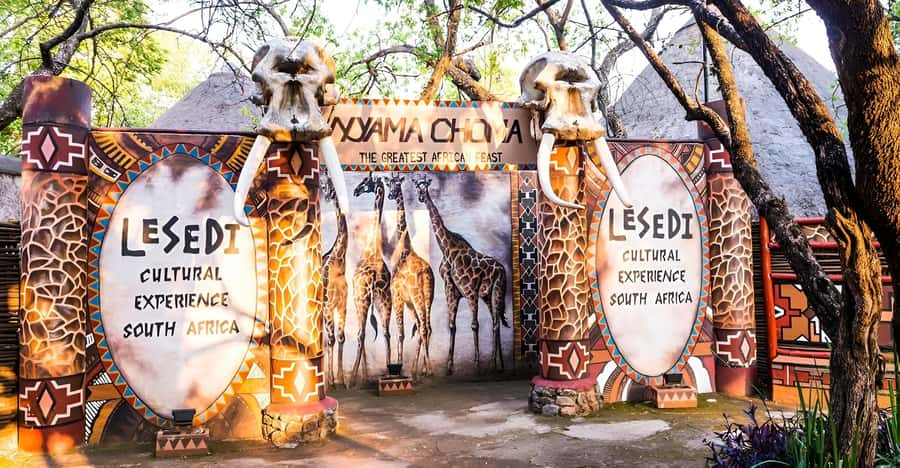
This is the kind of tour that fits well if you:
- Want an organized cultural introduction in a single half-day
- Like music and dance as part of learning
- Appreciate a guided overview across multiple communities, not just one
- Prefer pickup and drop-off over figuring out local transport
It is also a good option for first-time visitors to South Africa who want something distinctly local without jumping straight into a long day. And for families, the energy and performances can be a hit, as long as everyone is ready for outdoor time and crowds.
Should you book Lesedi Cultural Village?
I would book this tour if you want a structured, high-energy cultural experience with drumming, dancing, and a real included meal. The best reason to go is not perfection, it is convenience plus atmosphere, with guided context across Zulu, Xhosa, Pedi, Sotho, and Ndebele represented in one place.
I would think twice if you are mainly looking for deep historical detail and lots of unscripted conversation. The experience can lean visual and performative, which is part of the format. If you like performances that teach through rhythm, craft, and daily-life visuals, you are in the right lane.
If you book, go in with two goals: ask a few simple questions during the homestead tour, and treat the dance and song as the learning tool they are meant to be. That mindset usually turns a staged experience into something you actually remember.
FAQ
How long is the Lesedi Cultural Village tour?
The tour lasts about 5 hours, including pickup, travel time by coach, the guided visit, and the meal.
Where does pickup and drop-off happen?
Pickup and drop-off are available around Johannesburg and Pretoria, with two pickup options and two drop-off locations.
Is lunch or dinner included?
Yes. The experience includes food, and the schedule includes lunch or dinner to wrap up the tour.
What’s included in the $143 per person price?
The price includes entrance fees and the included meal.
Are drinks included?
No. Drinks are not included, so you may want to plan for purchases during the meal time.
What languages are the guides available in?
The live tour guide is available in English, Portuguese, and French.
Is the tour wheelchair accessible?
Yes, the experience is listed as wheelchair accessible.
What is the cancellation policy?
You can cancel up to 24 hours in advance for a full refund.
Is skip-the-ticket-line included?
Yes. The experience includes skipping the ticket line.
Newest reviews around Johannesburg
- Johannesburg: 3-Day Panorama Tour with Kruger Park Safari★ 5.0 · 7 reviews
- Drakensberg Mountains. Tugela Gorge and Amphitheater Hike★ 5.0 · 7 reviews
- 5-Day Kruger National Park Safari including Breakfast and Dinner★ 4.5 · 7 reviews
- Aerial cableway Hartebeespoort Halfday tour★ 4.5 · 7 reviews
- Soweto Township Tour★ 5.0 · 7 reviews
- Private Safari Tour: Pilansberg National Park Big 5★ 5.0 · 7 reviews
- Historical and Cultural Interactive Experience of Soweto★ 5.0 · 7 reviews
- Johannesburg: Cradle of Humankind & Harties Aerial Cableway★ 5.0 · 7 reviews
Lesedi Cultural Village, compared.
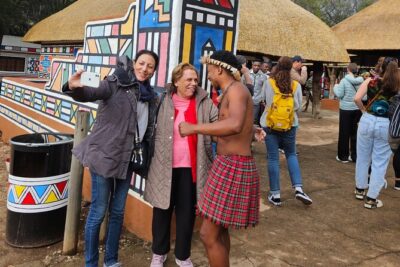
Lesedi Cultural Village and Cradle of Humankind Tour
Read our review →
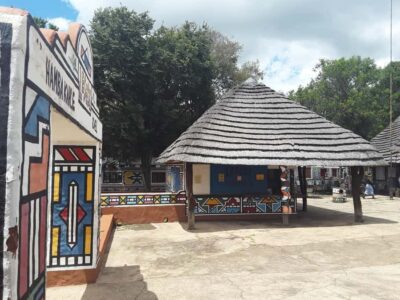
Lesedi Cultural Village & cradle of Humankind Guided Tour
Read our review →

Cradle of Human Kind Tour and Lesedi Cultural Village Day Tour
Read our review →Browse the lists this tour appears in