
Reviewed · APARTHEID HISTORY TOURS
Soweto Tour; Mandela House; Vilakazi Street; Market Culture
Soweto has a way of making history feel physical, not distant. This half-day route takes you from long views over the neighborhood to major memory sites, then finishes with street life and market culture that helps you see how people live today. It is a smart mix of sights and context, timed for people who want real meaning without losing the day.
I love the built-in pacing, where you get panoramic viewpoints early and then move through the places that shaped apartheid and the fight for democracy. I also like that the tour is guided in English by someone local, with the kind of care you notice when the guide connects names, locations, and stories, like an guide named Ismail did for a group I read about. One possible drawback: because it is a 4 hour tour with several stops, you will want comfortable shoes and a mindset for walking and standing.
Key Highlights You Should Plan For
- Soweto Towers panoramas that give you orientation fast, before you step into the sites
- Freedom Square in Kliptown, with context for the 1955 moment that still matters
- Regina Mundi Cathedral, a major center linked to the 1976 uprisings
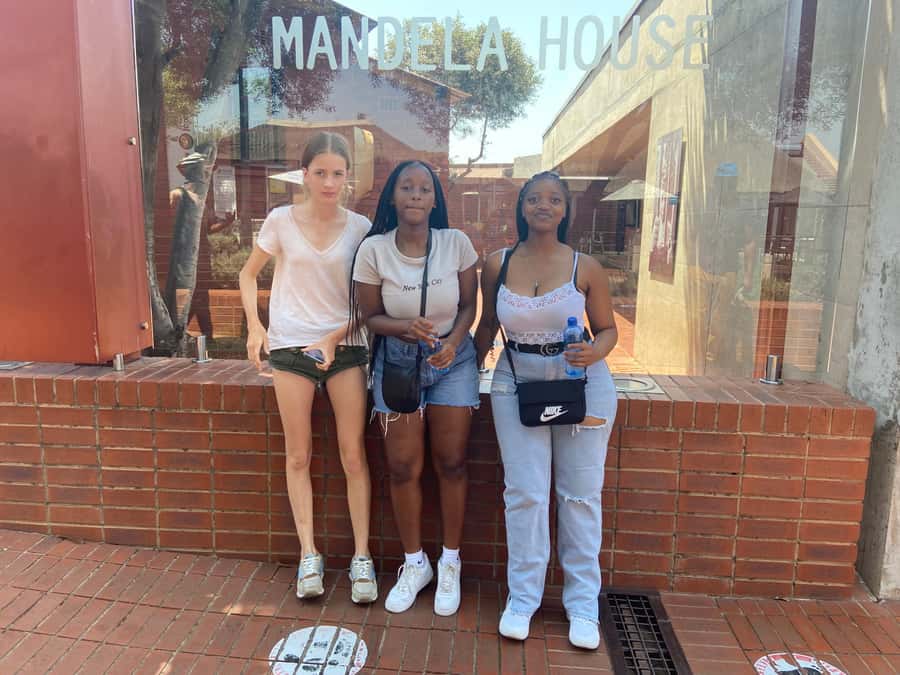
- Mandela House entry with a guided visit, so you do not miss what to look for
- Hector Pietersen Memorial photos, a powerful stop that fits the timeline of the 1976 era
- Vilakazi Street stroll plus market culture, for everyday life alongside major history
First, The Big Picture: Why This Soweto Route Works
If you only hit one Soweto stop, you end up with fragments. This tour is designed to prevent that. It starts with viewpoints and moves outward, from landmarks to the neighborhoods where events happened, then back into street-level life through Vilakazi Street and local markets.
You get a sense of how Soweto is both a place and a symbol. It is also practical: you are not guessing how neighborhoods connect. The drive links the dots, including areas tied to major moments and everyday commerce. That means when you stand at Freedom Square or the Mandela House, you have a mental map, and you can follow the story without it turning into a lecture.
The small group size, limited to 7, matters too. You can ask questions without competing for attention, and the guide can adjust the pace when the group needs a photo moment or a pause to take in the setting.
More apartheid-history tours:
- Soweto /Johannesburg and Apartheid Museum Guided Full Day Tour
★ 5.0 · 932 reviews - Jo’berg in 1 Day: Soweto, Apartheid Museum & City Tour
★ 4.8 · 524 reviews - Johannesburg: Full-Day Tour with Soweto and Apartheid Museum
★ 4.8 · 478 reviews
Soweto Towers and Orientation: Views That Make Everything Else Clear
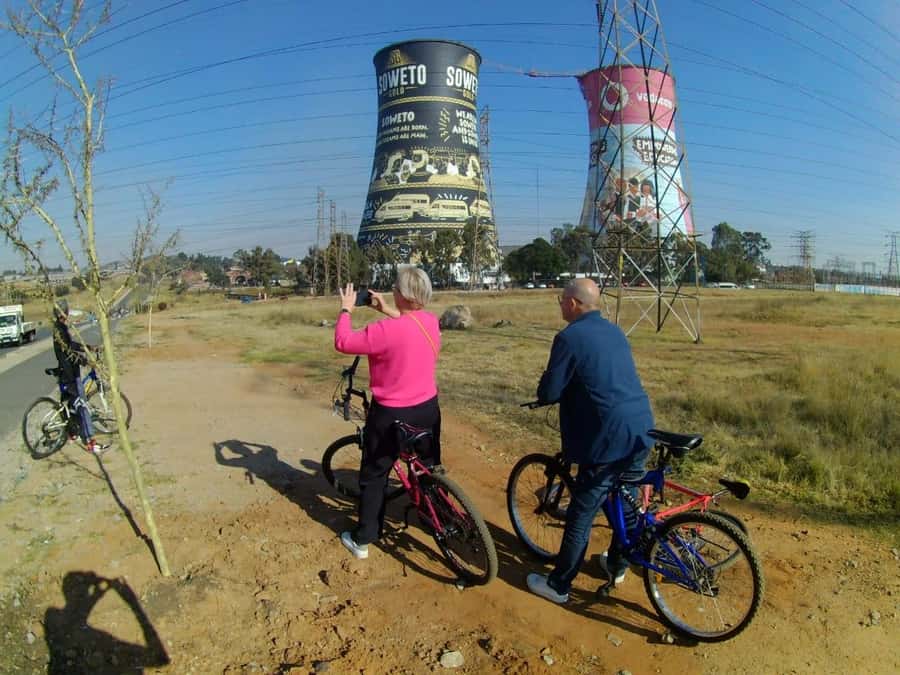
The tour begins with a move that sounds simple, but it is huge for first-timers. You go to the Soweto Towers for panoramic views. Even if you do not know the streets yet, this kind of view helps you understand scale, distance, and the way neighborhoods connect.
This is the part I recommend most for anyone coming from Johannesburg for the first time. When you later hear names like Kliptown, Orlando, or Vilakazi precinct, you are not learning them in isolation. The landscape gives you context, so the stops feel linked instead of random.
Photo-wise, this is also your best chance for clean images early in the day, when everyone is fresh and the route is just warming up.
Soccer City to Soweto: Remembering 2010 Without Losing the Point
You travel via Soccer City, which connects your day to the 2010 World Cup memories. This is not just a detour. It is a way to talk about how major events can change how a city looks and how people experience it.
For your planning, think of it as a transition. The tour uses it as a bridge from Johannesburg into Soweto. It also gives the guide a chance to discuss broader social change, including how people experience progress and pressure at the same time.
If you want your day to feel grounded, you will appreciate that this is not a sports stop. It is a lens for context, then you move on.
Diepkloof Extension and the Bara Hospital Area: Learning Through Place
Next comes driving via the Diepkloof extension, heading toward the Bara Hospital / taxi market area. This is where the tour leans into lived reality. Markets and transit hubs are not only busy. They tell you how people move, work, and support one another.
The taxi market idea is especially practical. If you have ever felt nervous about understanding a township’s layout, watching how the area functions with transport and trade can calm that uncertainty. You also get a stronger sense of what day-to-day life looks like between major historical landmarks.
One note to keep in mind: this segment is about atmosphere and learning. Do not treat it like a museum stop where you can study details for long. Bring your curiosity, keep your phone charged, and let the guide’s explanations connect what you see to the larger themes of the day.
More Soweto tours:
- Johannesburg: Hop-On Hop-Off Bus with Optional Soweto Tour
★ 4.6 · 985 reviews - Johannesburg Hop-On Hop-Off City Tour with Soweto Option
★ 4.5 · 768 reviews - Half-Day Tour of Soweto Tour
★ 4.5 · 712 reviews - Soweto: Walking Tour with a Local Guide and Lunch
★ 4.9 · 648 reviews
Orlando Towers and Freedom Square: From Viewpoints to Turning Points
Orlando Towers is another orientation stop, adding more sightlines and helping you connect places that you will recognize later in the story. Then you move to Freedom Square in Kliptown.
Freedom Square is one of those stops where context matters. You are not just looking at a landmark. You are standing on a site that connects to the democratic hopes and struggle associated with South Africa’s apartheid era. When a guide explains the significance in a clear, respectful way, the space starts to feel like more than a stop on a route.
This is also where I think the pacing of the tour earns its keep. You are not thrown into the deepest emotion right away. You build understanding through views and driving, so when you arrive at Freedom Square, your brain already has the structure to absorb what you are seeing.
Regina Mundi Cathedral: Why This Church Matters for 1976
After Kliptown, you head to Regina Mundi Cathedral. This is a major highlight of the tour, and for good reason. The site is described as game changing, because it connects a place of worship with moments of resistance and organization during the 1976 uprisings.
When you are touring, pay attention to the way the guide frames the cathedral’s role. A stop like this can feel abstract if the explanation is vague. The value here is that the cathedral is treated as a historical actor, not just a pretty building.
If you are the type who likes to understand why people used specific locations, this is a stop you will remember. It gives you a sense of how communities built strength, communication, and courage in real spaces.
Morris Isaacson High School and Mofolo Super Bowl: The Uprisings in Real Locations
The route continues through Morris Isaacson High School, described as one of the power houses behind the 1976 uprisings. That phrasing matters. It frames schools not as background scenery, but as engines of youth action and political energy.
Then you pass through Mofolo Super Bowl on the way to Vilakazi. Even if you are not spending much time here, the stop supports the tour’s theme: events did not happen only at famous memorials. They took place in everyday community spaces, including places where people gathered, learned, and organized.
For your mental model, this part of the tour helps you stop thinking of apartheid history as something that happened far away. It shows it happened in specific neighborhoods and institutions, shaped by people who lived there.
Vilakazi Street: Mandela Footsteps and Everyday Street Culture
Vilakazi Street is the part many people picture when they hear Soweto. It is famous for being one of the world’s most notable streets in terms of public memory and leadership. The tour has you walking along the Vilakazi precinct in the footsteps of Mandela.
You also hear about Bishop Tutu, connecting the street to wider leadership stories. Even if you are not a deep reader of South African politics, a good walking stop can make names feel human. You see the street scale, the shops, and the everyday flow of people, then the guide ties it back to the people associated with the area.
This is also where street-level culture becomes more than a photo stop. If markets are part of the experience for your day, you will feel how commerce and community life coexist with memory and respect.
Keep your expectations realistic. In 4 hours you will not do long shopping sprees. But you will get enough time to experience the vibe and pick up small items if you want.
Mandela Family House: Entry Ticket With a Guided Focus
The tour includes entry tickets to Mandela House, plus a guided tour inside. This is a strong value add. Without guidance, even a famous site can turn into a quick glance. With the right explanation, you learn what details to notice and why they matter.
Look for how the guide connects the physical setting to the biography and the broader struggle. A guided visit helps you understand what you are seeing, not just that it is important.
This stop is also emotionally heavier than the view points and street culture. If you want a respectful pace here, stay present when the guide speaks, and do not rush your photos.
Hector Pietersen Memorial: Where the 1976 Story Lands
The day ends with a stop for pictures at the Hector Pietersen Memorial. This is another of the tour’s most praised elements. It fits the 1976 theme the route has been building toward, and it is the kind of place where your photos feel less like souvenirs and more like records of learning.
You do not need to be overly solemn to appreciate it, but you should plan to slow down slightly. Give yourself a minute to take in what is there and let the guide’s framing connect it to everything you saw earlier, especially around the schools and the cathedral.
If you are photographing, do it thoughtfully. The best photos often come when you pause first, then shoot with intention.
Optional Lunch in Soweto: A Practical Way to Extend the Day
There is an optional lunch add-on in Soweto, but it is on your own account. I like this approach because it gives you control. If you want a quick break between stops, you can add it. If you are not hungry, you save time and energy for what matters most to you.
If you do choose lunch, treat it like a cultural moment. You are already spending the day learning about Soweto’s public spaces and markets, so a meal is a natural continuation.
Price and Value for a 4-Hour Soweto Tour
At $93 per person for about 4 hours, the value is strongest if you care about guided context and logistics. You are paying for transportation, pickup and drop-off, and entry plus a guided visit to Mandela House. Those pieces alone reduce the planning burden and save you time.
This tour makes sense if you want:
- A focused introduction to Soweto’s key memory sites
- English guidance that connects locations into one story
- A small group setting where questions actually get answered
- Market and street culture as more than a quick photo stop
It is less ideal if you want a totally flexible, unstructured day. This is scheduled. You will move through several named stops and viewpoints, and you should be ready to follow the route.
Who This Tour Fits Best (And Who Should Rethink It)
This fits best if you are:
- Short on time but want major sites, not just one highlight
- Traveling with questions and want a guide to explain the why
- Interested in how the apartheid story connects to modern neighborhood life
- Comfortable with walking short distances and standing for photos
You might rethink it if you:
- Dislike structured routes with multiple stops in a half-day
- Have very limited mobility that makes frequent boarding and disembarking harder, even if the tour is wheelchair accessible
- Prefer long time at museums, markets, or any one site
Small Group, Local Guide Energy: What to Expect From the Experience Style
A small group of up to 7 keeps the tour human. You get more than a checklist. You get a conversation style, especially when the guide shares personal perspective and connects stories to what you see on the ground.
In reviews, a guide named Ismail is singled out for being fun, interesting, and careful about safety and tact. Another guest also highlighted a private guide style where the guide spent real time explaining. That is the kind of delivery I would watch for while you are on the tour, and it is exactly why the small group size is worth something.
If you want maximum value, prepare one or two questions you genuinely care about. Ask early, before your brain fills up with names and dates.
Photo, Comfort, and Timing Tips That Actually Matter
- Wear comfortable shoes. You will be on your feet.
- Skip high-heeled shoes since they are not allowed.
- Bring a charged phone or camera. The viewpoints and memorial photos are part of the point.
- Pace yourself at the heavier stops, especially Mandela House and the Hector Pietersen Memorial.
Also, plan emotionally. A tour like this moves through both pride and pain. If you come in expecting only one mood, you might feel off. If you come ready for a range of feelings, you will get more from it.
Should You Book This Soweto Tour?
Yes, if you want a high-meaning, time-efficient introduction to Soweto with guided context at the key sites. The combination of Freedom Square, Regina Mundi Cathedral, Mandela House, and Hector Pietersen Memorial, plus the street walk on Vilakazi Street and market culture, is what makes this worth your attention. It is not just history. It is history connected to place.
I would book it even more confidently if you like small-group tours and you value having an English-speaking guide connect the dots instead of you trying to piece it together on your own.
If you want total flexibility or you are hoping for a long, slow market day, consider other options. For a 4-hour, guided, meaningful overview that still shows everyday life, this is a strong pick.
FAQ
How long is the Soweto tour?
The tour duration is 4 hours.
What is the price per person?
The price is $93 per person.
Does the tour include transportation and hotel pickup?
Yes. Transportation is included, with pickup and drop-off. Pickup is from your hotel lobby, and you can wait at least ten minutes before the scheduled pickup time.
Is the tour guided, and is it in English?
Yes, there is a live tour guide, and the tour is in English.
What stops are included?
The experience includes stops such as Freedom Square, Regina Mundi Cathedral, the Mandela family house (Mandela House), and the Hector Pietersen Memorial, plus time around Vilakazi Street and market culture.
Are entry tickets included for Mandela House?
Yes. Entry tickets to Mandela House are included, and there is a guided tour there.
Is lunch included?
Lunch is not included. An optional lunch in Soweto is available at your own account.
How big is the group?
The group is small, limited to 7 participants.
What should I bring, and is there any footwear restriction?
Wear comfortable shoes. High-heeled shoes are not allowed.
Is the tour wheelchair accessible?
Yes, the tour is wheelchair accessible.
Newest reviews around Johannesburg
- Johannesburg: 3-Day Panorama Tour with Kruger Park Safari★ 5.0 · 7 reviews
- Drakensberg Mountains. Tugela Gorge and Amphitheater Hike★ 5.0 · 7 reviews
- 5-Day Kruger National Park Safari including Breakfast and Dinner★ 4.5 · 7 reviews
- Aerial cableway Hartebeespoort Halfday tour★ 4.5 · 7 reviews
- Soweto Township Tour★ 5.0 · 7 reviews
- Private Safari Tour: Pilansberg National Park Big 5★ 5.0 · 7 reviews
- Historical and Cultural Interactive Experience of Soweto★ 5.0 · 7 reviews
- Soweto Tour★ 5.0 · 7 reviews
Apartheid History Tours, compared.

Soweto /Johannesburg and Apartheid Museum Guided Full Day Tour
Read our review →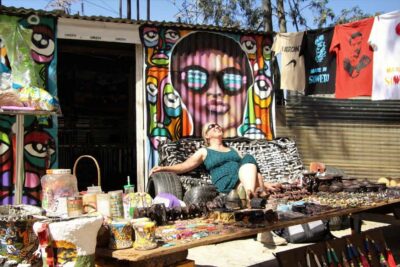
Jo’berg in 1 Day: Soweto, Apartheid Museum & City Tour
Read our review →
Full-Day Tour with Soweto and Apartheid Museum
Read our review →
Full-Day Soweto, Apartheid Museum and Lunch Tour
Read our review →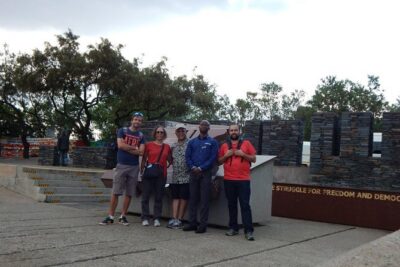
Half Guided Day Tour of Soweto And Apartheid Museum
Read our review →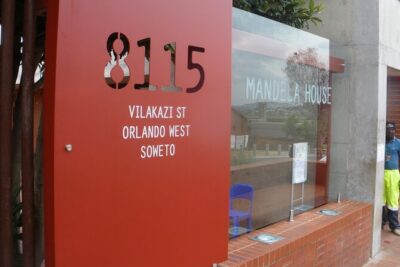
Ultimate Johannesburg Soweto Experience with Apartheid Museum
Read our review →
Hop-On Hop-Off Bus, City Tour and Apartheid Museum
Read our review →
Johannesburg and Soweto Apartheid Full Day Tour w/Lunch
Read our review →Browse the lists this tour appears in