
Reviewed · WILDLIFE
10 Day Wildlife Photographic Safari – Kruger National Park – B1 Photo Safaris
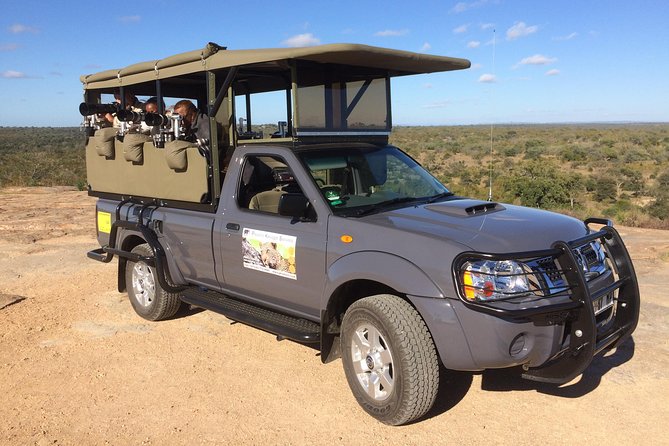
Kruger is interesting on any safari. What makes this one stand out is that it is built around wildlife photography first, with a two-guide setup that helps you find animals and get your camera working well in the moment. I also like the practical gear and comfort touches, like the in-vehicle charging power and the gimbal support built into the vehicle. One thing to consider: accommodations are “basic 3-star,” so if you want luxury or meals fully handled for you, this style may feel a bit more hands-on since dinner is not included.
You stay in different camps across the park (typically 3 to 4 camps over 9 nights), which is a smart way to cover more ground and vary your wildlife chances. This is a private safari for your group, up to 1 person, and it runs on a simple rhythm: game drives with photographic coaching, plus selected airport transfers. You start at 10:00 am and it ends in a different location, so plan your travel around that.
Key points before you go
- Two-guide team in the vehicle: one focuses on spotting and behavior cues, the other helps with camera settings and shooting technique.
- Vehicle charging built in: 220 volt sine wave inverters plus USB and South African plug mounts for batteries and phones while you’re out.
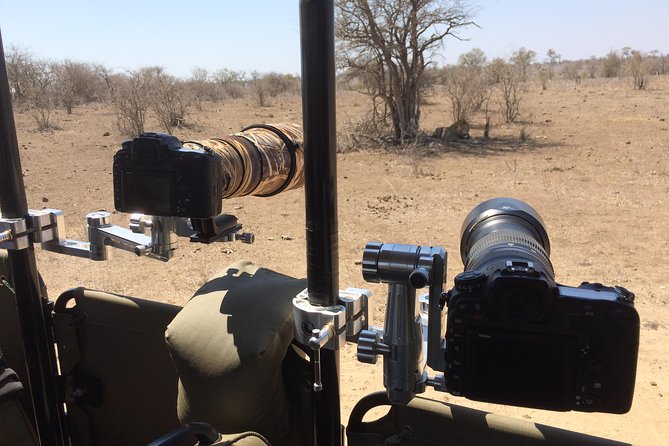
- Stability support ready to shoot: a Gimpro gimbal lens stabilizing setup plus bean bags are fitted to the vehicle.
- Camp hopping across Kruger: different camps for better coverage, and many routes can reach as far north as Shingwedzi and as far south as Lower Sabie depending on your plan.
- On-the-ground wildlife finding help: guidance includes use of communication tools (like radio) and local area knowledge to keep you in the right places.
- Food plan is flexible: daily tea, coffee, hot chocolate, bottled water, and mineral water are included, but dinners and meals are largely for you to choose at the camps.
Kruger Photo Safari Style: made for shooting, not just seeing
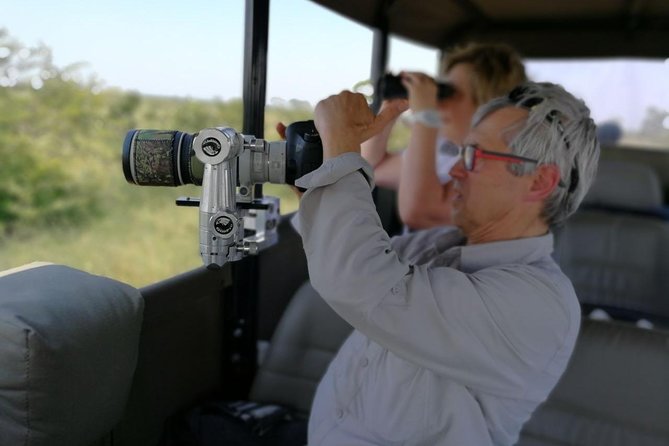
If you’ve photographed wildlife anywhere, you know the hard part is rarely the final click. It’s timing. It’s positioning. It’s knowing what to do when the animal appears for five seconds and then vanishes behind a bush line.
That is why this safari feels different. The trip is set up around daily photographic safaris inside Kruger National Park, with guidance designed to help you make the most of each sighting instead of simply reacting to it. I like that the structure is straightforward: you get the drives, the accommodation, and the core logistics handled, so you can focus on capturing images.
You’re also not stuck in one base camp. Staying in multiple camps changes your routes and often changes the animals and light you’re likely to encounter. In practical terms, that can mean more chances at the “keeper” moments, especially for birds, smaller mammals, and behavior shots where the best action depends on where you are positioned.
More Safaris in Kruger
- Kruger National Park Full Day Private safari
★ 5.0 · 799 reviews - Kruger National Park – Private full day Safari trip.
★ 5.0 · 347 reviews - From Hazyview: Kruger National Park Full-Day Safari
★ 4.8 · 205 reviews
The two-guide setup that keeps you focused (spotting plus settings)
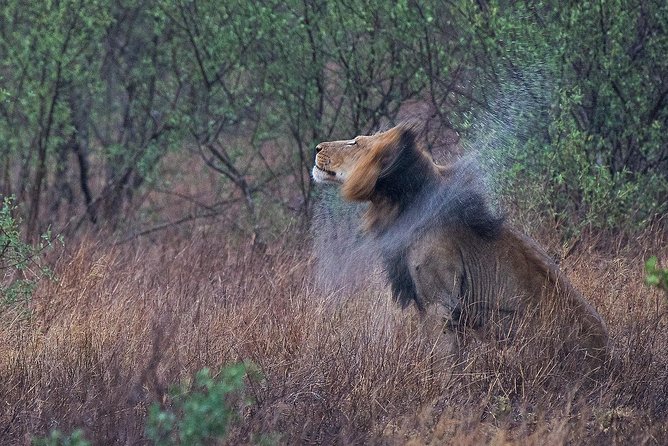
The standout element here is the two-guide team. One guide supports spotting and reading animal behavior, and the other acts as driver-guide while also helping with photography and camera settings. This matters because it splits your mental load. You don’t have to simultaneously watch for movement, track behavior, judge distance, and remember what to change on your camera menu.
From the way the safari is described, the guides do more than point and hope. They use their local knowledge and communication tools to improve the timing of your sightings. That can be a big deal in Kruger, where the difference between a sharp image and a missed opportunity is often a matter of minutes, not hours.
It is also encouraging that the guides are repeatedly named in positive feedback, including Bernhard and Hennie Bekker. Their approach seems consistent: helping you understand what you’re seeing, then translating that into practical camera adjustments. If you’ve ever felt frustrated on safari because your settings lag behind the action, this structure is built to reduce that gap.
Camp hopping across Kruger: why 3 to 4 camps helps your photo chances
You spend 9 nights in clean, comfortable 3 to 4 different camps, staying in 2-sleeper bungalows with air conditioning and a small kitchenette (including a fridge). This is not a resort vacation, but it gives you real breathing room between drives. The included kitchenette is especially useful if you want to store snacks, keep water cold, or simplify early starts.
Camp hopping is where the safari starts to make strategic sense. If you base yourself in only one area, you can end up photographing the same ecosystems and repeating similar routes. Moving between camps changes the terrain and where the animals are likely to show up. It can also help with bird photography, because birds and other wildlife often respond to habitat edges, water points, and feeding areas that vary across the park.
Some routes can extend far across the park, with one account mentioning exploration as far north as Shingwedzi and down toward Lower Sabie. You should treat that as an example of what the planning can cover, not a guaranteed map that you can set your expectations on every day. Still, the core idea is solid: you are not locked into one bubble.
The possible drawback is simple: the bungalows are described as basic 3-star. That usually means less space than you might get at a full-service hotel and a more straightforward setup. If you need high-end comfort or if you plan to spend long downtime in your room, you may notice the difference.
The vehicle details that save time and keep your gear powered
A lot of wildlife photographers lose momentum because of small annoyances: charging delays, weak power options, and constant repositioning to stabilize a lens. This safari tries to remove those friction points.
Your safari vehicle is fitted with 220 volt sine wave inverters plus USB and South African plug mounts. Translation: you can charge batteries, phones, and other electronics when you need them. That helps on a multi-day shoot where your “power math” can get stressful fast.
It also includes stability tools built for long-lens work. The safari uses a Gimpro gimbal lens stabilizing equipment setup along with bean bags fitted to the vehicle. Even if you shoot from a tripod at home, in-the-field support is the difference between confident framing and shaky results. Having the stabilizing gear ready for you can mean more time adjusting composition and less time building your setup from scratch each day.
Add the included bottled water plus daily tea, coffee, hot chocolate, and mineral water. Those drink inclusions sound minor until you’re on a long drive and realize you can focus on the hunt rather than searching for a vending option.
More Safaris in Kruger National Park:
- Kruger National Park sunrise Morning Private safari
★ 5.0 · 185 reviews - From Johannesburg: 3-Day Budget Tent Kruger Park Safari
★ 4.5 · 163 reviews - Kruger National Park: Full-Day Private Safari With Pickup
★ 4.9 · 122 reviews - Marloth Park: Kruger National Park Safari Game Drives
★ 4.7 · 115 reviews
Game drives and daily photographic safaris: what you can expect
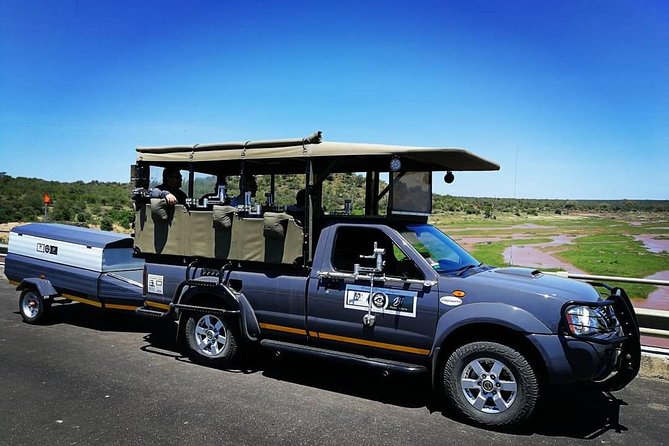
The trip includes all game drives, and it pairs that with photographic coaching and spotting help. The exact timing of morning versus afternoon is not spelled out in the details you provided, so I won’t invent a schedule. Instead, focus on what the trip is clearly designed around: your days are structured so you’re out photographing wildlife regularly, with guidance to help you react quickly when animals appear.
There’s also an admission ticket listed as free, which is another small but real value point. Many safaris add entry or park fees on top, so it helps to know this part is handled.
In practice, what you should look for is how quickly you can learn what your guides want you to try next. A good photo safari is not just a transportation service. It’s a feedback loop: animal behavior leads to framing choices, which leads to camera settings, which leads to another attempt as the situation evolves.
If you come in with a camera bag full of gear, this kind of coaching can help you get to usable settings faster. If you come in with a simpler setup, it can help you use what you have more effectively, especially for birds and animals that do not hold still.
Optional bush walks and night drives, and when they make sense
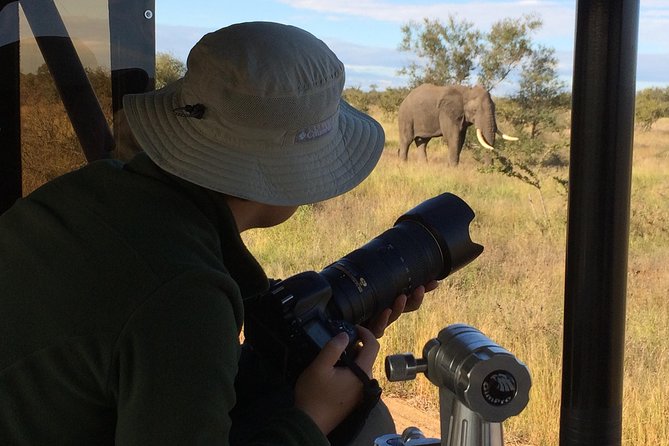
Not everything is included, and that can actually be good. Bush walks and night drives are listed as optional extra activities you can book from any camp. Since they’re not part of the base package, you can decide based on your energy, your comfort level, and your photography goals.
If you want more variety in behavior and the chance at nocturnal subjects, night drives can add a different side of Kruger. If you want a closer, more grounded feel for tracks and smaller life, bush walks might help. The key point is you can add them when it fits, instead of being forced into a fixed schedule that might not match how your photography is going that week.
Equipment rentals and how to plan your lens strategy
Lens rental is not included, but there is a professional equipment rental service through a third party. There’s also a useful detail: free collection and delivery after the equipment is paid with the rental company.
On paper, that sounds like logistics fluff. In a real safari week, it becomes sanity-saving. Lens rental can be expensive and stressful if you have to carry gear between flights, hotels, and storage. With this approach, you can handle the gear without turning your trip into an airport-and-loading exercise.
That said, you are not empty-handed even without a rental. The vehicle includes Gimpro stabilization support and bean bags. So if your main goal is to improve technique and get sharper results without adding extra rented glass, you already have a base level of support.
Food and daily comfort: what’s included, what’s on you
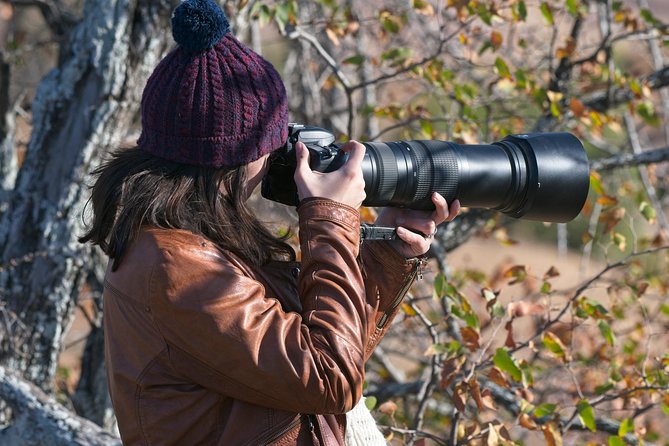
The safari includes bottled water, tea, coffee, and hot chocolate daily. It also includes mineral water.
But dinner is excluded, and the plan encourages you to use restaurants and shops in the camps with affordable options and fresh food. I like this approach for two reasons. First, it keeps the safari lighter and simpler to run. Second, it lets you choose the pace that matches your shooting. Some nights you’ll want an early dinner and rest. Other nights you may want to clean lenses, sort cards, and eat whenever you feel ready.
The kitchenette in your bungalow also gives you flexibility. You can store cold drinks, basic snacks, or anything you like for your mornings. That is practical when you’re managing long-lens batteries and remembering what you packed.
Price and value: what $4,320.61 per group really buys
The price listed is $4,320.61 per group, with a maximum of up to 1 person. That signals a private safari model rather than a shared group tour. In wildlife photography, privacy and coaching matter because it changes what your guides can do. They can tailor routes, adjust shooting positions, and spend time on your technique instead of herding multiple cameras and multiple skill levels.
What you get for that price includes:
- 9 nights accommodation in 2-sleeper bungalows across 3 to 4 camps
- all game drives
- selected airport transfers
- daily drinks (tea, coffee, hot chocolate, bottled water, mineral water)
- vehicle charging support (220 volt sine wave inverter plus USB and South African plug mounts)
- vehicle-fitted stabilization support (Gimpro gimbal and bean bags)
- all the core photography-focused guidance elements from the two-guide team
So the value is not just the animal sightings. It is the combination of logistics, equipment support, and coaching time that helps you turn sightings into images.
The possible mismatch is also clear. If you expected all meals, resort-level dining, and a fully inclusive luxury feel, this package is more “set up and guided” than “serviced and pampered.” You’ll still have a good amount of control over where and how you eat.
Who this Kruger photographic safari fits best
This trip is a strong fit if:
- you care about wildlife photography and want hands-on help with spotting and settings
- you prefer a private experience where your guides can focus on your shooting pace
- you want practical vehicle power and lens stability support rather than improvising
- you like the idea of moving between camps to widen your wildlife coverage
It may be less ideal if:
- you want all meals included without decisions each night
- you require high-end accommodation standards
- you’re hoping for a fixed, strictly spelled out day-by-day schedule with timed activities listed in advance
Also, it is described as a format most travelers can participate in. That makes it easier to plan if you have a range of comfort levels, though you should still consider that game drives and wildlife viewing involve long hours outdoors.
Should you book this B1 Photo Safaris Kruger experience?
If your goal is better wildlife images and you like the idea of a two-guide coaching approach, this is one of the more straightforward ways to structure a Kruger trip. You get camp hopping, stable shooting support, and a vehicle that helps you keep batteries charged.
I would book it if you can handle the “basic 3-star” bungalow reality and you’re okay planning dinner on your own at camp restaurants and shops. I’d think twice if you want a fully inclusive food plan and a more luxury accommodation experience, since those pieces are intentionally not the core value focus.
Finally, if you bring a clear idea of what you want to photograph, you’ll likely get the most out of the guide attention. Come ready to learn, ask questions, and adjust. Kruger rewards that, and this safari is built to help you do exactly that.
FAQ
How long is the 10 Day Wildlife Photographic Safari in Kruger National Park?
The tour is listed as 10 days (approx.).
What time does the safari start, and where does it end?
The start time is 10:00 am, and it ends in a different location than where it starts.
Is this safari private, and how many people are in the group?
Yes. This is a private tour/activity, and it is for your group only. The price is per group, up to 1 person.
What’s included with the trip besides the game drives?
Included items are 9 nights accommodation in 3 to 4 different camps (2 sleeper bungalows), bottled water and daily hot drinks, selected airport transfers, and the vehicle includes Gimpro gimbal lens stabilizing equipment and bean bags. Daily photographic safaris are also part of the experience.
Is dinner included?
No. Dinner is excluded, but the trip notes that you can use restaurants and shops in the camps.
Can I bring or rent extra camera lenses?
Lens rental is not included. The safari offers a lens rental service via a third party, with free collection and delivery after you have paid for the equipment with that rental company.
Newest reviews around Kruger National Park
- Hazyview : Full Day Panorama Tour★ 4.8 · 5 reviews
- 4 Day Kruger Glamping Budget Adventure★ 4.6 · 5 reviews
- Johannesburg: 6-Day Luxury Kruger National Park Safari★ 4.8 · 5 reviews
- All Inclusive 3 Day Kruger Safari from Nelspruit★ 4.8 · 5 reviews
- Hazyview: Kruger National Park Full-Day Safari★ 2.1 · 5 reviews
- 5 Day Kruger Glamping Safari and Panorama Tour★ 5.0 · 5 reviews
- 3 Days Johannesburg – Kruger Safari- Blyde River Canyon★ 5.0 · 5 reviews
- 3 Day All Incl. Private Kruger Park Safari Incl. Transfer From Johannesburg★ 5.0 · 5 reviews
Wildlife, compared.
Big Five Game Reserve Wildlife Safari from Cape Town
Read our review →
2 Day South African Wildlife Tour with 4×4 Safari from Cape Town
Read our review →
Schotia Safaris: Best Wildlife Encounters in Port Elizabeth
Read our review →
Browse the lists this tour appears in