
Reviewed · MORNING
Kruger National Park: Morning Safari
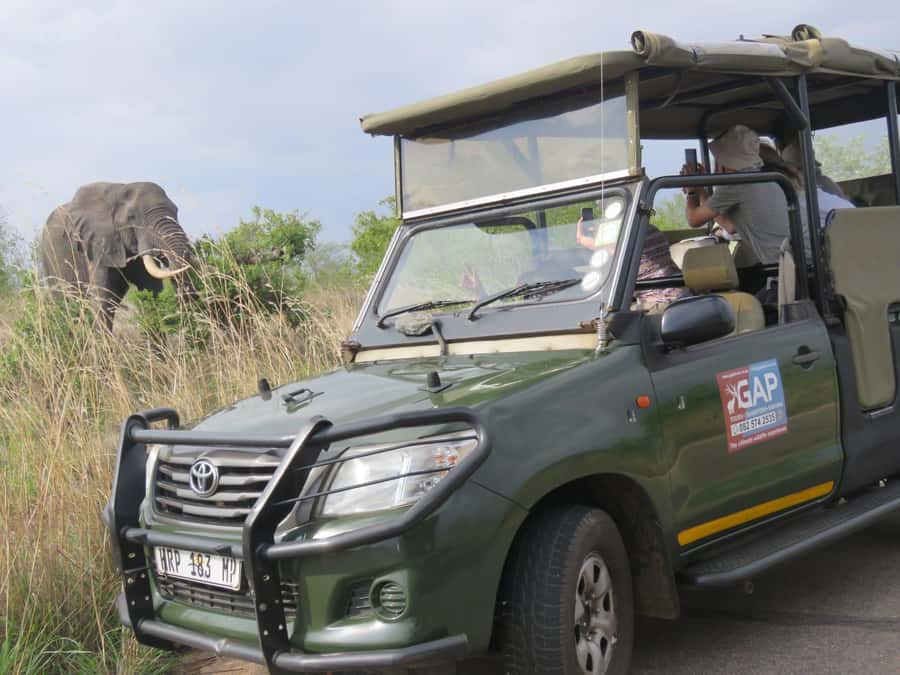
A private morning safari in Kruger is interesting because you are starting early, when animals are often more active and the light is good for spotting and photos. I love that it is a half-day format with a professional guide and a private vehicle, so you can cover serious ground without feeling rushed or stuck on someone else’s schedule. One thing to keep in mind: you are outdoors for hours, so weather clothing matters more than you think.
I also like the way this safari is built around Kruger’s road system, including the 200 km network of drives that help your guide stay in the right areas. Another plus is the focus on real wildlife searching for the Big Five, not just a quick drive-by.
The main consideration is cost beyond the listed rate. The safari price is $249 per group (up to 10 people), but park conservation fees apply, and meals are not included, so plan for that upfront.
Key highlights at a glance
- Private vehicle safari tailored for your group, with a professional driver-guide approach
- Morning timing for strong wildlife viewing and better photo conditions
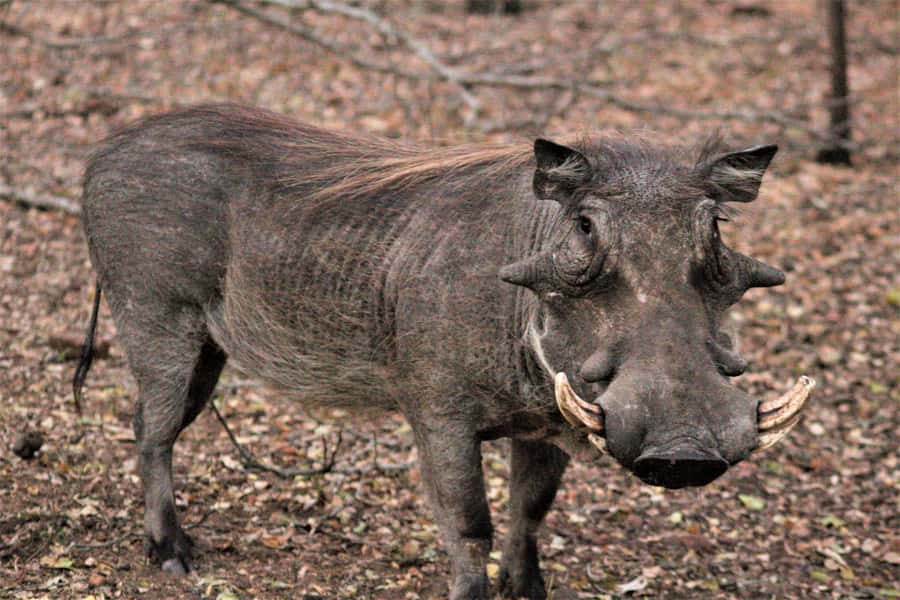
- Big Five focus plus lots of other mammal sightings (140+ species listed)
- 200 km of Kruger roads used to move strategically across the park
- Complimentary mineral water and optional breakfast stop at rest camps
- English live guide, with pickup arranged from your accommodation or park gates
Why a private Kruger morning safari feels different than a group drive
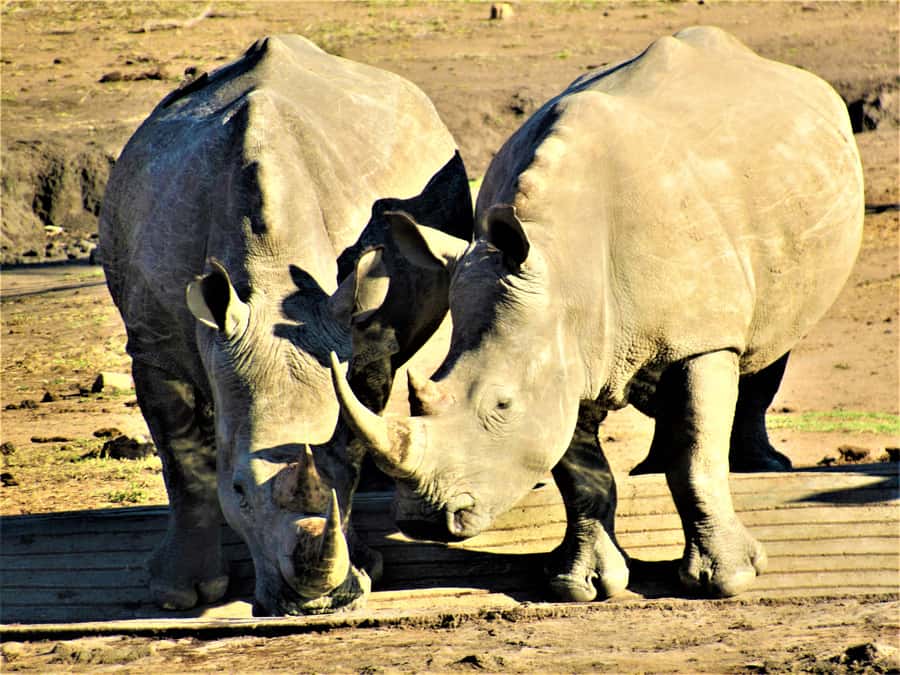
Kruger National Park is huge, about 2,000,000 hectares, and the difference between seeing wildlife and just hoping for it often comes down to time and route choices. A morning slot helps because animals tend to be easier to spot when the day is fresh, and the light can make fur, feathers, and tracks pop when you are scanning.
What makes this experience appealing is that it stays private. Up to 10 people in one group means your guide can adjust based on what is happening that morning, rather than following a rigid plan built for a mixed crowd. You get a high-quality safari vehicle and a professional guide, which matters because you are not only looking for animals, you are also looking for the right places to find them.
If you’re traveling as a couple, this is a relaxed way to do Kruger without feeling like you are wasting time. If you’re with kids, the half-day length can be easier to manage than a full day, as long as you pack warm or cool layers. If you love photography, mornings often give you cleaner sightlines and more cooperative light for your lenses.
More Safaris in Kruger
- Kruger National Park Full Day Private safari
★ 5.0 · 799 reviews - Kruger National Park – Private full day Safari trip.
★ 5.0 · 347 reviews - From Hazyview: Kruger National Park Full-Day Safari
★ 4.8 · 205 reviews
Pickup and first 30 minutes: where your day gets set up
The safari starts with pickup from your accommodation or from one of the park gates. Because pickup time needs confirmation, you should contact the provider the day before and confirm the exact venue and start time. That tiny step saves stress later.
Once you’re in the vehicle, your guide takes the wheel in the sense that you get a plan for where to go next. This is where a good guide earns their fee. In Kruger, one road might look similar to another from the passenger seat, but animal activity changes with habitat, water, and cover. Your job is mainly to stay alert and follow the guide’s cues when they spot movement.
A small detail I appreciate: you’ll have complimentary mineral water for the drive. It sounds basic, but in a hot or breezy early morning, having water on hand keeps you from cutting the ride short or feeling drained too quickly. Your guide is also your information source as you start scanning for different species.
The private safari vehicle: comfort, visibility, and real spotting time
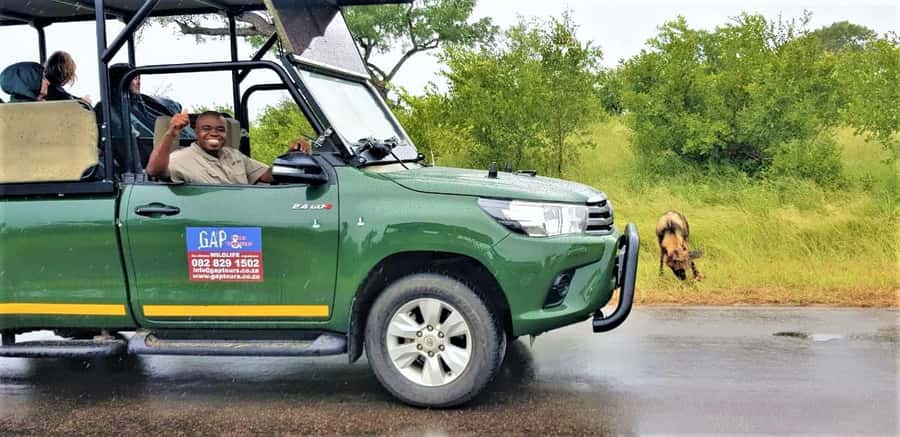
This safari includes a safari vehicle, and that’s not just a transport line item. A good safari vehicle setup gives you stable viewing and helps you stay focused. When the guide stops strategically, you need a clear, safe way to look and photograph, without the bouncing and crowd interference you can get in some shared tours.
You should also expect some practical adjustments for conditions. One guide named Steven, including references to Captain Steven, has been praised for bringing protective wind clothing when it got chilly or windy, and for staying prepared even when light rain showed up. That kind of on-the-ground readiness is a big deal in Kruger mornings, because the weather can change quickly.
Inside the vehicle, the rhythm matters. In successful safaris, you spend more time watching than traveling blindly. Your guide uses driving and short stops to maximize sightings, especially for cats and other elusive animals.
Big Five in the morning: what you are actually trying to see
The safari is built around the Big Five, and that changes how you should think about the morning. You are not guaranteed to see all five, because this is wild country. But a targeted approach gives you a much better chance of meaningful sightings than a random drive.
Here’s how I interpret the “Big Five focus” for your expectations:
- You are looking for signs of large animals at the start of the day, when they are more active
- Your guide checks likely areas along the road network, then repositions if sightings happen elsewhere
- You may move quickly between zones to chase good opportunities, rather than lingering too long in one spot
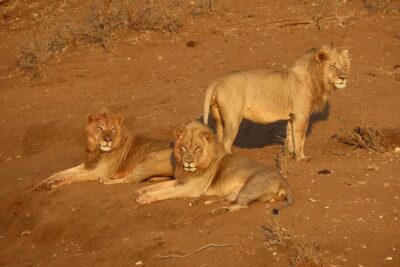
From what you can glean about successful outings, the best moments often come when the guide has a sharp sense of where to aim next. For example, there is mention of quick cat hunting and a major highlight of seeing lions, plus a memorable close encounter with a huge buffalo herd. Even when sightings are partial, the guide can still make the experience satisfying by showing smaller creatures and sharing stories tied to the land and its history.
So yes, Big Five is the headline. But the real value is that your morning is guided by wildlife searching, not just driving.
More Safaris in Kruger National Park:
- Kruger National Park sunrise Morning Private safari
★ 5.0 · 185 reviews - From Johannesburg: 3-Day Budget Tent Kruger Park Safari
★ 4.5 · 163 reviews - Kruger National Park: Full-Day Private Safari With Pickup
★ 4.9 · 122 reviews - Marloth Park: Kruger National Park Safari Game Drives
★ 4.7 · 115 reviews
The 200 km road network in Kruger, and why route choices matter
Your safari route is designed around Kruger’s road system, including a 200 km network of roads that runs throughout the park. To you, that means you are not wandering randomly. Your guide uses those roads to reach different habitats efficiently.
This matters because Kruger is not one uniform landscape. Some areas feel open and grassy, others are denser and darker. Animals shift where they feed, rest, or move through cover. A guide who knows how to read conditions can pick roads that match what you are likely to find that morning.
Even if you are not a hardcore wildlife person, you’ll feel the difference in pacing. When the guide parks strategically, you can scan calmly, take photos with less scrambling, and follow along with commentary that connects animal behavior to what you see outside the window.
If you are the type who likes structure, you will appreciate the sense that the morning has a purpose: find the best sightings, then keep repositioning. If you prefer a more relaxed vibe, it still works, but you may find yourself watching more closely than you would on a slow sightseeing drive.
Typical flow of the half-day: searching, adjusting, and catching the right moments
You’re on the safari for about 6 hours. The timing can vary by season and pickup point, but the shape of the morning tends to follow a pattern: start early, search aggressively for wildlife, then slow down slightly if you want breakfast options.
A common rhythm looks like this:
- Pickup and entry into the park area
- Early-road scanning for active mammals, with stops when your guide finds promising movement
- Repositioning across different parts of the park road network
- A mid-morning window where you might take a break at a Kruger rest camp
- More driving and searching after the break, often returning to predator areas or other high-probability zones
The guide’s ability to adapt is key. If you see strong sightings early, your day may tilt toward that direction. If the morning is quieter for big cats, you might spend more time checking other mammals, then return to likely spots again.
And one more thing: the morning pace can include quick transitions. There’s praise for efficient driving and parking to maximize shots of animals. That’s what you should aim for, because wildlife opportunities do not wait.
Breakfast at rest camps: what’s available and how to plan
Breakfast stops are available at Kruger rest camps, and you can choose from a variety of dishes. The important word here is available, not included. The safari lists meals as not included, so you should budget for breakfast at the rest camp if you plan to take it.
This can actually be a good option. A rest camp break lets you stretch, use facilities, and reset your eyes after hours of scanning. If you’re traveling with kids, this stop can make the half-day feel more manageable.
If you want to be efficient, you can treat breakfast as optional. Bring snacks you can manage in the vehicle, and then decide on the stop once you see how the morning is going. Because meals are not included, you have more control over what you spend and how you fuel.
What to bring, and what actually matters in Kruger morning weather
You’ll want to dress for changing conditions. Kruger mornings can be cool, even when daytime is warm.
Bring:
- Passport or ID card (a copy is accepted)
- Warm clothing for winter, and cool clothing plus a hat and rain jacket for summer
- Any personal camera gear or binoculars you use for wildlife viewing
You should also be ready for wind and occasional rain. One praised detail from a guide like Steven is providing protective clothing for the wind during the drive. You might get similar help, but you should not rely on it, especially if you have your own layers and prefer to control your comfort.
Not allowed:
- Alcohol and drugs
That rule matters for planning. If you like to bring drinks for comfort, pick water and basic snacks instead, and keep it simple.
Cost and value: $249 per group plus conservation fees
The listed price is $249 per group up to 10 for a duration of about 6 hours. That pricing can be excellent value if you are traveling as a small group or family, because you are splitting the vehicle and guide cost across multiple people.
Here’s the balanced way to think about total cost:
- Start with the safari rate ($249 per group up to 10)
- Add park conservation fees (separate from the safari price)
- Decide whether you want breakfast at rest camps (meals not included)
Conservation fees depend on your status:
- South African citizens with ID: R134 per adult, R67 per child (aged 2 to 11)
- International visitors: R602 per adult, R300 per child (aged 2 to 11)
One practical point that can save you time at the gate: the conservation fees must be paid by card to ensure a speedy entrance. So bring a card that works reliably abroad.
Is it worth it? For me, this is where the private format earns its keep. You are paying for guided search time across a large park, not just a vehicle ride. If you’re trying to see the Big Five, the value is in the guide’s ability to make the morning work. And because it’s private for up to 10 people, it can compare well to multiple paid seats in larger shared vehicles, depending on your group size.
Who this safari suits best, and who should skip it
This safari is designed for families, couples, and photographers. The private vehicle works especially well when you want flexibility, calm viewing, and the chance to focus on what you care about: lions, cats, birds, or simply the feel of Kruger early in the day.
Best fit:
- Families who want a half-day format instead of a full-day grind
- Couples who value a quieter, private experience
- Photographers who care about positioning and strategic stops
Not suitable for:
- Children under 3 years
- Pregnant women
If you fall into one of those categories, look for an alternative option that matches the constraints. It’s better to be safe and comfortable than to force an experience that isn’t meant for you.
What to expect from the guide: the difference between sightings and stories
A big part of enjoying Kruger is how your guide explains what you’re seeing. In successful outings, guides like Steven are credited with contacting guests in advance, staying organized with the ride, and making real effort to position the vehicle for the best shots.
That includes:
- Protective clothing when conditions turn windy or chilly
- Strategic driving and parking so you can photograph efficiently
- Quick repositioning when searching for cats and other high-priority animals
- Attention to smaller creatures too, not only the headline mammals
You can also expect an English live guide. That matters if you want to understand behavior, not just identify animals. If you prefer a hands-off experience and mostly want the views, you can still enjoy the ride. But if you like learning how to read the landscape, this format tends to reward that curiosity.
Should you book this Kruger morning safari?
I’d book it if you want a guided, private Kruger experience that targets serious sightings in a short window. The half-day length is practical, the private vehicle is worth it, and the Big Five focus gives your morning meaning beyond driving around.
Skip it if:
- You want meals included, because breakfast at rest camps is available but not included
- You are not comfortable planning for conservation fees at the gate, which vary by nationality and require card payment
- Your group includes someone who isn’t suitable under the stated limits (children under 3, or pregnant women)
If your group is up to 10 people, the $249 per group rate is a strong reason to consider it. Add in complimentary mineral water, an English guide, and a vehicle built for wildlife viewing, and you’ve got a morning safari that feels efficient and focused.
FAQ
How long is the Kruger National Park morning safari?
It runs for 6 hours.
What is included in the price?
The included items are a professional guide, a safari vehicle, and mineral water.
Are meals included?
No. Meals are not included, but breakfast stops are available at Kruger rest camps where you can choose food.
Do I have to pay park conservation fees?
Yes. Conservation fees apply and depend on whether you are a South African citizen with ID or an international visitor. International conservation fees are higher, and payment must be made by card.
Do I get pickup from my accommodation?
Pickup is included. You should contact the activity provider a day before to confirm the pickup time and venue.
What should I bring, and what is not allowed?
Bring your passport or ID card (a copy is accepted). Alcohol and drugs are not allowed. Dress for the weather, with warm layers for winter, or cool clothing plus a hat and rain jacket in summer.
Newest reviews around Kruger National Park
- Johannesburg: 3-Day Panorama Tour with Kruger Park Safari★ 5.0 · 7 reviews
- Boat & Safari Combo – Blyde Dam Boat Cruise & Private Safari★ 4.5 · 7 reviews
- Full-Day Panorama Tour from Hazyview★ 5.0 · 7 reviews
- 5-Day Kruger National Park Safari including Breakfast and Dinner★ 4.5 · 7 reviews
- Private Guided Panorama Full Day Tour★ 5.0 · 7 reviews
- Kruger National Park: 3 Day Safari Tour★ 5.0 · 7 reviews
- From Hazyview: Panorama Tour Highlights★ 4.3 · 7 reviews
- Day Tour of Maputo city (Min. 2 pax)★ 5.0 · 7 reviews
Morning, compared.
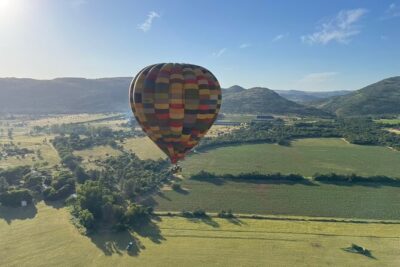
Early Morning Balloon Safari with Breakfast from Magaliesburg
Read our review →
Kruger National Park sunrise Morning Private safari
Read our review →
Browse the lists this tour appears in