
This experience is interesting because Kosi Bay is one of those places where the coast still feels wild and quiet, with mangrove channels and fish kraals close at hand. You paddle through an estuarine system known for strong wildlife presence, plus the area’s Tsonga culture is part of the story. It’s the kind of outing that makes time slow down.
I love the serene kayaking route through the maze of mangrove channels, especially when your guide is steering you to the right spots. I also really like the focus on hands-on essentials, since the trip provides kayaks, paddles, and life jackets so you can spend your energy on the water and the views.
One possible consideration: reserve permit and gate fees are at your own expense, and the activity requires good weather. If conditions are poor, you could be offered another date or a refund, so it’s worth keeping your schedule flexible.
Key Points Before You Go
- Guided route through fish kraals and mangrove channels so you are not guessing where to paddle
- Five mangrove species and serious bird and fish life in one compact 2-hour window
- Small group size with a maximum of 16 travelers for a calmer feel
- Gear is included: kayak, paddle, and life jacket
- Extra costs for reserve permit and gate fees, paid separately
Kosi Bay Estuary and Mangroves: What Makes This Paddle Special
Kosi Bay is in KwaZulu-Natal, South Africa, and it is built around one of the most pristine estuarine systems along the east coast. That matters because an estuary is where rivers and the sea mix, and that mix tends to create food and shelter for wildlife. On this trip, you’re not just looking from shore. You’re actually moving through the system by kayak, which changes everything.
The standout here is the mangrove maze. Mangroves are not just scenery. They are living structure for fish, birds, and other coastal life. The tour specifically highlights five mangrove species in the area, plus a wealth of fish and bird life. That combination is why a guided paddle feels more rewarding than a casual boat ride or a quick walk, even if you are short on time.
There is also a cultural layer. Tsonga culture is mentioned as part of the Kosi Bay experience, which is a good reminder that this is not only nature viewing. It’s also a place with people, traditions, and a living relationship with the coast.
Put these KwaZulu Natal options head to head
- Kosi Bay Mouth Experience – Kayaking, Snorkeling, Fish Trap Tour and Fish braai
★ 4.5 · 8 reviews - Cape Town: Marine Life Kayak Tour From the V&A Waterfront
★ 4.8 · 640 reviews - Cape Town: Guided Kayaking in Hout Bay
★ 4.8 · 228 reviews
Getting There and Starting Right: From the Road Down to the Kayaks
Your adventure starts with the guide waiting for you on the road down to Kosi Bay mouth. That means you’re not meeting at some big, anonymous terminal. It feels more like a local drop-off and launch plan.
After you meet, the guide directs you to a safe parking area. From there, you move to the kayaks. This first stretch matters because good kayaking trips are won or lost during the setup. If the gear is handled efficiently and you get clear guidance early, your time on the water is calmer and more confident.
The good part is that the essentials are included. You get kayaks, paddles, and life jackets as part of the tour. That’s a practical value point, especially when you’re traveling and you do not want to hunt for rentals at the last minute.
Since the tour ends back at the meeting point, you do not have to plan a separate transport return. It’s simple. You paddle, you come back, you’re done.
Fish Kraals Up Close: Why the Route Feels Tactile
One of the most intriguing parts of this kayaking experience is that the guide leads you through fish kraals before you slide deeper into the mangrove channels.
A fish kraal is essentially a fish-trapping setup used in coastal waters. The idea on your trip is not that you are operating it, but that you are moving through a working landscape. It makes the trip feel grounded and real, like you’re seeing how people have interacted with this water system for a long time.
What you’ll probably notice is how the water and the structure shape your pace. In tight channels, you can’t rush. You paddle slowly, and you start paying attention to small signals like water movement, the way birds react, and where fish might be gathering. That slower pace also helps with photos. The tour is set up for tranquil, timeless pictures, which works best when you’re not constantly trying to beat the clock.
If you like nature photography, this stage is worth extra attention. The combination of man-made structure (the fish kraals) and natural complexity (the estuary channels) gives you scenes that feel layered, not just scenic.
Entering the Mangrove Channels: Serenity, Guidance, and Wildlife Chances
Once you’ve passed through the fish kraals, you move into the mangrove channels. This is the part the tour leans on hardest, and for good reason.
Mangrove channels can feel like a maze from inside a kayak. That is why the guide matters. The tour description is clear that the guide leads you through the maze of channels, so you’re not paddling blindly. That guidance helps you stay on the best route for both safety and enjoyment.
This section is also where the trip’s promised serenity really comes into play. The estuary environment is described as calm and naturally beautiful, and that vibe is the point. You’re not just burning time outdoors. You are slowing your pace until the area becomes something you can observe.
You also get the wildlife angle. The Kosi Bay estuary is known for fish and bird life, and the mangroves are part of why that life sticks around. The more time you spend moving carefully through channels, the more chances you have to spot motion, watch behavior, and enjoy the surroundings without turning it into a sprint.
Even the photo potential works better here than it does in a windy open area. Mangroves can create sheltered pockets, which often means steadier views and a better chance at calm reflections, depending on conditions.
Something different for the KwaZulu Natal list:
- Private Sani Pass Classic Day Tour
★ 5.0 · 113 reviews - Sani Pass Tour into Lesotho from Underberg and Himeville
★ 5.0 · 97 reviews - Hluhluwe/iMfolozi Game Reserve Full Day Game Drive
★ 5.0 · 34 reviews - Hluhluwe Imfolozi Park Excursion
★ 5.0 · 30 reviews
How Long Is It, Really, and What That Means for Your Day
The duration is listed at about 2 hours. In practice, that usually means this is an efficient nature outing. It’s long enough to feel like you went somewhere special, but short enough to fit into a travel plan without wiping out your whole day.
Two hours also favors first-time paddlers and people who want an outdoors experience without committing to a multi-hour expedition. The tour says most travelers can participate, which is a helpful signal that this is not aimed only at expert kayakers.
Keep in mind the weather requirement. The activity requires good weather, which matters because kayaking on coastal waters is always influenced by wind and conditions. If the weather is not right, you could be offered a different date or a full refund. So plan to have flexibility, even if you are excited and ready to go.
Price and Value: Kayaks Included, Permits Extra
The price is $23.39 per person. For a guided kayaking experience in a protected estuarine system, that is the type of pricing that can be a genuine travel win, as long as you budget for what is not included.
Here’s what you’re getting for the stated price:
- Kayak, paddle, and life jacket are included
- A guided route through fish kraals and mangrove channels
Here’s what you should plan for separately:
- Reserve permit and gate fees are at your own expense
That split is common in protected areas. The key is to treat the permit and gate fees as part of the true trip cost, not a surprise. If you’re comparing options, compare all-in costs, not just the headline price.
Also think about value in a different way: the most expensive thing in nature trips is often not the gear, it’s your time and the guidance. This tour includes a guide who actively leads you through the channels, which can be the difference between a frustrating paddle and a satisfying one.
Meeting Point, Group Size, and the Feel of the Trip
You meet at an unnamed road, eNkovukeni, South Africa. The tour ends back at the meeting point, so you keep things simple.
Group size matters for kayaking. This tour has a maximum of 16 travelers. That ceiling helps keep the paddling experience calmer and more personal than big group tours. It also improves your odds of feeling like you have breathing room in narrow channels.
There is also an implied benefit from the way the trip is described: it’s set up as a guided, serene route in a protected system. In real life, that often translates to a less crowded feeling on the water, especially if you are there on a quieter day. One of the reviews describes a time-out feeling and being all alone, even if you should not count on full solitude every time.
The safest approach is to expect a small, organized group and plan to enjoy the quiet nature pace rather than chase a party vibe.
What to Expect From the Guide, Step by Step
This trip is built around the guide’s flow. Here is the practical sequence you can expect:
- You meet the guide on the road down to Kosi Bay mouth.
- The guide helps with safe logistics, directing you to a safe parking area.
- You move to the kayaks. Gear is provided, including life jackets.
- The guide leads the paddling route through fish kraals.
- You enter the mangrove channels and paddle through the guided maze.
- The activity ends back at the meeting point.
That structure is useful because it keeps you focused. You are not wrangling equipment, planning routes, or trying to interpret channels from scratch. You can focus on your stroke, your balance, and the natural scene around you.
It also helps with photography. The experience is described as perfect for capturing tranquil pictures in an unspoiled environment. When you have a guide who knows where to lead you, you spend less time repositioning and more time waiting for the right moment.
Who This Kayaking Adventure Suits Best
This is a strong pick if you want:
- A nature-first experience in a protected estuary system
- A guided paddle through mangroves rather than a DIY outing
- A calm 2-hour activity that does not eat your whole day
- Wildlife-focused sightseeing where the environment does the work for you
It’s also a good fit if you are traveling without kayaking gear. Since kayaks, paddles, and life jackets are included, you can show up and go.
If you dislike structured activities, this might feel more guided than you want. But for most people, the guidance is what makes it work. In a maze of mangrove channels, “winging it” is a recipe for frustration.
Should You Book Kosi Bay Kayaking?
I think you should book this trip if your priority is a quiet, guided nature paddle where the setting does not feel staged. The combination of fish kraals plus mangrove channels is a smart one, because it gives you variety within a short time. You also get the important practical benefit of included kayaking essentials, plus a small group cap.
I would think twice if:
- You cannot be flexible about weather, since good conditions are required
- You do not want to pay extra for reserve permits and gate fees
- You are looking for a long, multi-hour adventure rather than a focused 2-hour outing
If you like serene environments, good wildlife odds, and photos that feel calm instead of chaotic, this is the kind of outing you’ll be glad you carved out.
FAQ
What’s included in the Kosi Bay kayaking adventure?
The tour includes kayaks, life jackets, and paddles.
What’s not included in the price?
Reserve permit and gate fees are not included and must be paid at your own expense.
How long does the experience last?
The duration is approximately 2 hours.
Where do we meet for the tour?
The start point is an unnamed road in eNkovukeni, South Africa. The tour ends back at the meeting point.
Is there a group size limit?
Yes. The activity has a maximum of 16 travelers.
Do I get a ticket on my phone?
Yes. The tour offers a mobile ticket.
When will I receive confirmation after booking?
Confirmation is received within 48 hours of booking, subject to availability.
Is the kayaking suitable for most people?
The tour states that most travelers can participate.
What happens if the weather is poor?
The experience requires good weather. If it is canceled due to poor weather, you will be offered a different date or a full refund.
What is the cancellation policy?
There is free cancellation. You can cancel up to 24 hours in advance for a full refund. If you cancel less than 24 hours before the start time, the amount paid is not refunded.
Newest reviews around KwaZulu Natal
- Full-day Hluhluwe-iMfolozi Park Big 5 Safari Experience★ 5.0 · 3 reviews
- Richards Bay Shore Excursion: Pvt Small Group Hluhluwe & DumaZulu★ 5.0 · 3 reviews
- Private Safari and Wildlife Tour in Hluhluwe★ 4.0 · 3 reviews
- Hluhluwe Game Drive – Half day★ 4.5 · 5 reviews
- Hluhluwe and Imfolozi Safari Day Tour from Richards Bay★ 4.0 · 6 reviews
- Richards Bay Shore Excursion: Private Small Group Hluhluwe Safari★ 5.0 · 6 reviews
- Hiking Tour to Drakensberg Mountains South Africa★ 5.0 · 6 reviews
- Richards Bay: Big 5 Luxury Safari at Manyoni Private Game Reserve★ 5.0 · 7 reviews
Canoes & Kayaks, compared.
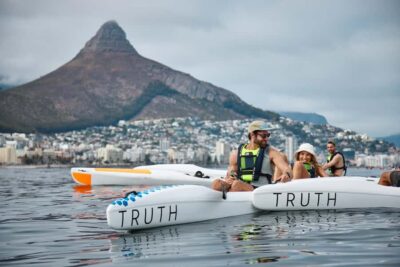
Cape Town Kayak Adventure in Table Mountain Marine Reserve
Read our review →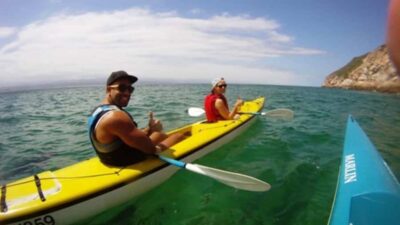
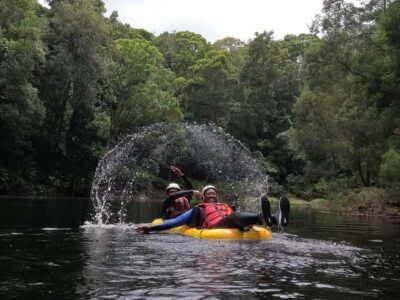
Stormsrivier: Green Route Tubing and Paddle-Boarding Tour
Read our review →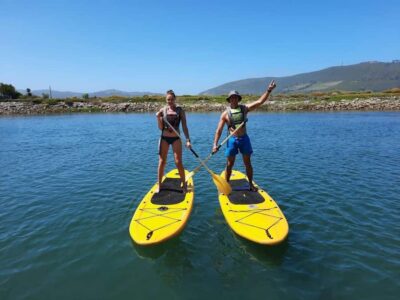
Browse the lists this tour appears in