
Reviewed · 1-DAY TOURS
From Durban: Isandlwana Rorkes Drift Battlefields Day Trip
If you want one day from Durban that turns big, messy history into something you can actually feel on the ground, this Isandlwana and Rorke’s Drift battlefield tour delivers. I like how it moves through the key moments of the Anglo-Zulu War instead of dumping random stops on you.
Two things I really love: the museum time at Isandlwana, which helps you understand what you are standing beside, and the way the route follows the war’s momentum, from Isandlwana to the defence at Rorke’s Drift and then on to the later memorial sites. The one catch is simple: it is a long day, and you will spend plenty of time in the car.
Key highlights at a glance
- Battlefield to museum sequencing: you learn first, then you walk the ground.
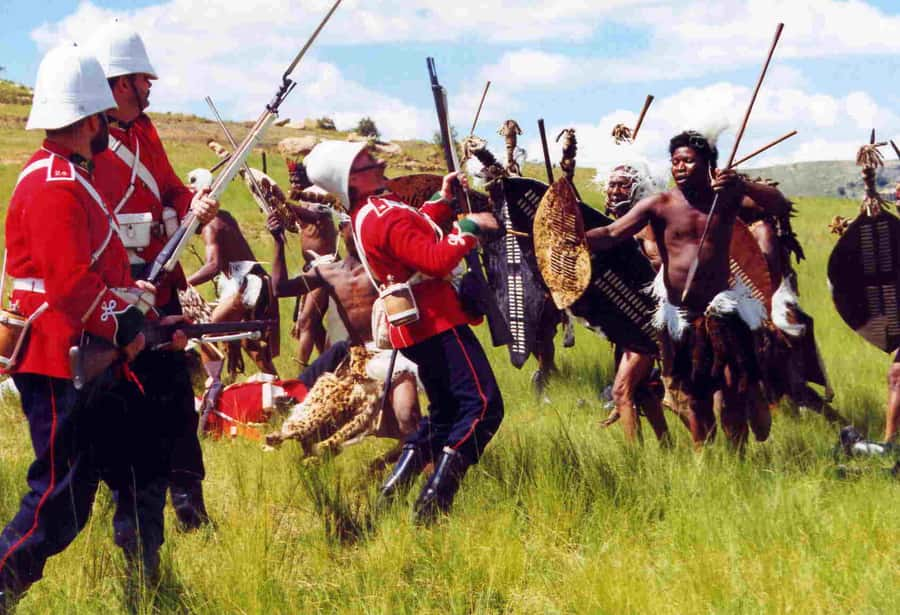
- Isandlwana details that make the scale real: about 20,000 Zulu warriors versus roughly 1,800 British and allied troops, plus possible civilians.
- Rorke’s Drift as the immediate follow-up: the defence started right after the defeat and carried into the next day.
- Memorial stops that broaden the story: including Fugitives Drift and the Queens Colours memorial.
- Professional guiding, multiple languages: English with Greek, Portuguese, and French options.
- Comfort wins: pickup is set up from central Durban, plus wheelchair accessibility is offered.
Why Isandlwana and Rorke’s Drift hits harder than a museum day
This tour is interesting because it is not only about what happened. It is about why it happened, and how fast events unfolded in 1879. The Anglo-Zulu War is often reduced to a few headline battles. Here, you experience those battles as connected moments, each one setting up the next.
I also like that you get time to slow down. Standing in a place tied to a fight that happened on 22 January 1879 is a different kind of learning than reading. You see how terrain and distance matter, and you start noticing how “numbers” and “leadership” can shape outcomes just as much as equipment.
One more reason it is worth your time: the tour is built around interpretation. You are not just transported between viewpoints. You are guided through museums, memorials, and dedicated battlefield ground, so you can leave with a clearer picture instead of a pile of names.
More Day Trips in Durban:
- From Durban: Hluhluwe Imfolozi Game Reserve Day Trip
★ 4.5 · 13 reviews - Full day – Hluhluwe Imfolozi Game Reserve 1 Day Tour From Durban
★ 4.5 · 10 reviews - Shakaland and Zulu Culture Full-Day Trip
★ 4.5 · 7 reviews
The 14-hour reality check, and how to make it work
This is a full 14-hour day trip, which means two things for your planning. First, you should treat it like a long excursion, not an easy half-day. Second, you will feel best if you show up ready for a late start, a packed schedule, and a return to Durban after dark or near it.
That long drive is a consideration, but it is also part of the value. The Isandlwana and Rorke’s Drift sites are in the north of KwaZulu-Natal, so the itinerary makes sense only if the travel is built in. And if you like seeing South Africa beyond the city, the countryside time can help the day feel less like a rush and more like a journey.
Practical tip: wear comfortable clothes you can move in, and bring sunscreen. Museums and memorials are often outside or near open-air spaces, and the sun does not care that you are on a history timetable.
Isandlwana battlefield and museum, where the story starts
Your first major stop is the Isandlwana battlefield and museum. This is the place to understand the “before” and “during” of the Anglo-Zulu War. The Battle of Isandlwana happened on 22 January 1879 and is described as the first major encounter between the British Empire and the Zulu Kingdom in that war.
What makes this stop especially powerful is the way the numbers are presented. You are told that roughly 20,000 Zulu warriors attacked a section of the British main column, estimated around 1,800 British, colonial, and native troops, with perhaps 400 civilians. That kind of scale helps you stop thinking of it as a clash between abstract sides and start thinking of it as a real, chaotic moment affecting real people.
The tour also sets up the equipment gap. The Zulu forces relied mainly on traditional assegai iron spears and cow-hide shields, and they had a few muskets and old rifles, but they were not formally trained in using firearms. Even without adding extra claims, you can connect this to the core lesson of the day: technology and training matter, but leadership and deployment matter too.
Why the museum time matters: it is easier to understand what you are seeing once someone gives you the basics in sequence. The tour is set up so you go to Isandlwana and its museum before you move on. That means when you later hear about the chain of events, you are not trying to rebuild context mid-drive.
Possible drawback to plan around: there is a mention that the Isandlwana fee is not included in the ticket. At the same time, the tour notes that entry fees are included. So, assume you might need to cover the Isandlwana specific entrance cost on the day. If you want zero surprises, ask ahead or keep a little spare cash or card access just in case.
Rorke’s Drift, the defence that follows the defeat
After Isandlwana, the tour moves you to the Battle of Rorke’s Drift, also referred to as the Defence of Rorke’s Drift. This stop works because it is the immediate follow-up to the Isandlwana defeat, not a separate storyline.
Here is the key timeline idea: the defence of the mission station at Rorke’s Drift started right after the British Army’s loss at Isandlwana on 22 January 1879, and it continued into the following day. That continuity matters. You are not stepping into a new chapter without context. You are watching the war tighten around the same broader conflict.
What you will likely find valuable is the contrast. Isandlwana is about the first major clash and the overwhelm of the British portion of the column. Rorke’s Drift is about what comes next, when the fight becomes defence and endurance. Even if you do not consider yourself a military-history person, the human meaning lands because you understand the pressure being applied in real time.
The tone of the day is also noticeably memorial focused. You are in a place with dedicated attention to what happened, and you should give it your full attention. Put away the phone for a bit. Look first, then ask questions. That is how you get the most out of a guided stop like this.
Put these Durban options head to head
- Durban: 30-Minute Harbor Boat Cruise
★ 4.7 · 665 reviews - Durban: 1-Hour Boat Cruise from Wilson’s Wharf
★ 4.7 · 496 reviews - Durban Point Waterfront: Luxury Canal Boat Cruise
★ 4.4 · 298 reviews - Durban: Pontoon Boat Harbor Cruise
★ 4.4 · 182 reviews
Fugitives Drift and the Queens Colours memorial, don’t rush these
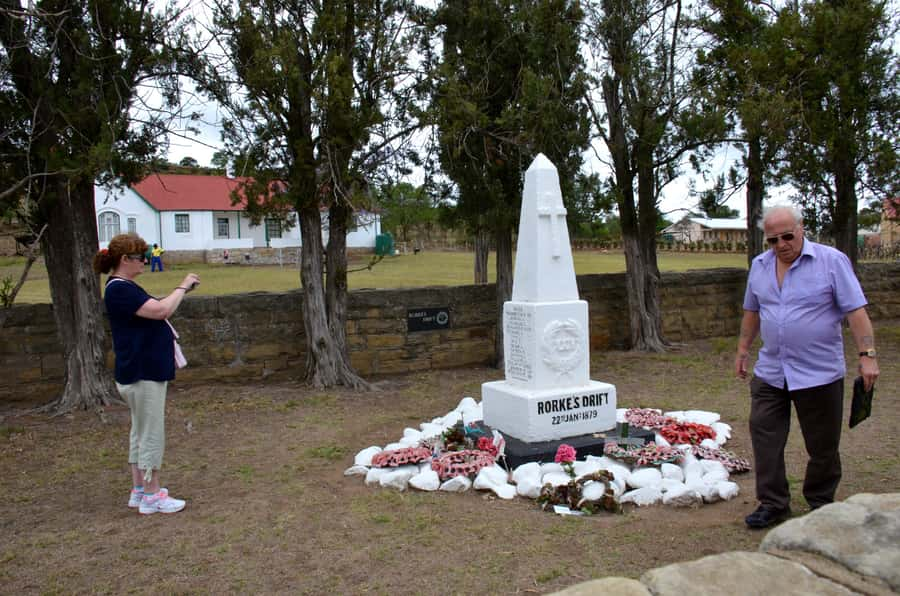
Your final stops are Fugitives Drift and the Queens Colours memorial. This is where the tour adds depth beyond the main battle pair.
Fugitives Drift gives you another thread to hold onto from the same wider conflict. It is a reminder that battles create movement, fear, and consequences that continue after the “big moment.” Then the Queens Colours memorial helps you connect the event to commemoration, where memory becomes part of the landscape of the story.
These last stops can feel like a bonus if you are only thinking of Isandlwana and Rorke’s Drift as the headline names. But I think they are worth your energy because they reinforce something useful: history does not stop when the fighting ends. Commemoration keeps the narrative alive, and that is part of why you are visiting these sites in the first place.
Tip: build in a slower pace here. If you try to power through, you miss the meaning of the memorial work. Sit for a minute if there is a spot to do it. Let the guide finish the story. It is easy to forget that the emotional weight of places like this is the point.
Guides, languages, and why the right explanations matter
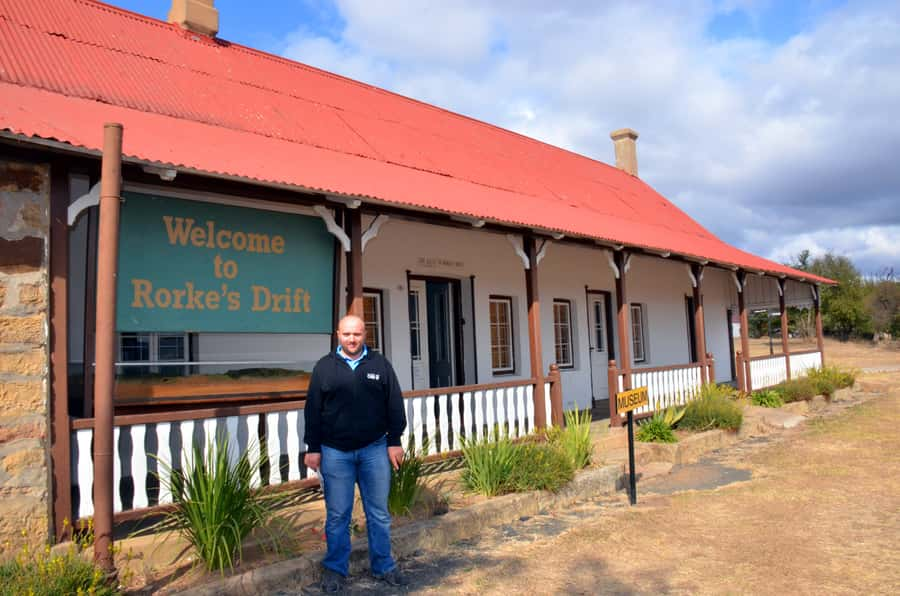
A big part of the value is the live guiding. This tour includes a professional tour guide, and the language options are listed as English, Greek, Portuguese, and French. German and Polish can be requested too.
Even more important than language, for me, is how the guide helps you understand the war as a chain of decisions. This is not only about dates. You are hearing why the British column was hit and how that led to the immediate defence at Rorke’s Drift. When a guide can keep that thread clear, the whole day clicks.
The reviews highlight specific guide names, including Thani, Bafana, and Aaron, praised for being informative and making the day interesting. That is not just nice feedback. It tells you that the guiding is not a thin layer on top of history. It is the engine that turns stops into understanding.
If you can, bring one or two questions with you. Ask how the tactics connect between Isandlwana and Rorke’s Drift, or what made the deployment so problematic for the British force. Questions help you focus, and a strong guide will guide your attention in a way a self-guided visit rarely can.
Price and value: what you get for $198, and what could cost extra
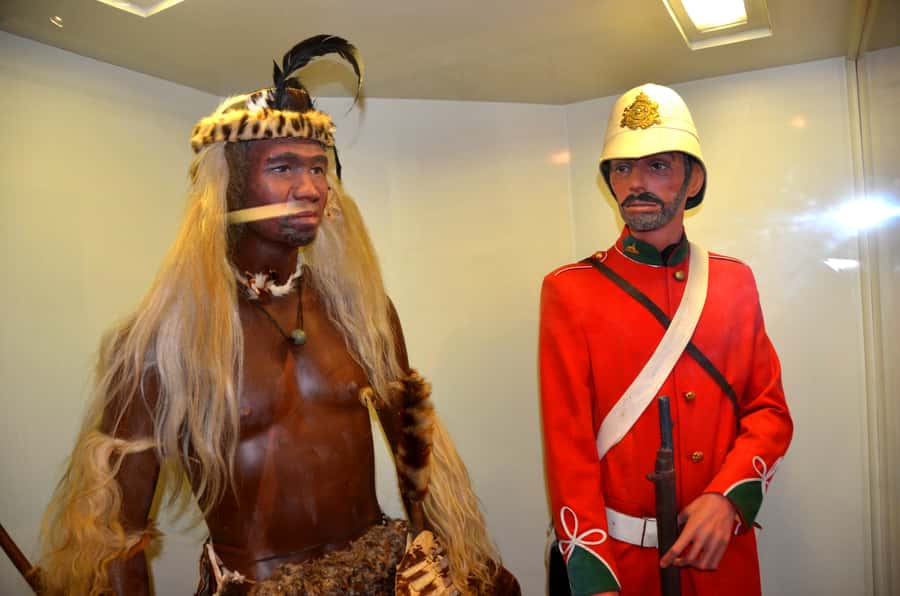
At $198 per person, this is not a budget-only day trip. But it is also not priced like a special private expedition. For that amount, you are getting transport from Durban, a professional live guide, and entry fees in general.
The main value question is how much the guided interpretation improves your visit. If you care about learning the Anglo-Zulu War in a clear sequence, the package makes sense. You are not spending time figuring out how to connect sites, and you are not trying to piece together battlefield context on the fly.
What might cost extra: the information notes that the fee for Isandlwana is not included in the ticket. Since the tour also claims entry fees are included, treat this as a potential mismatch and plan for the possibility of paying an Isandlwana-specific entrance cost on the day.
Also note what is not included: lunch and drinks. That is a big one for comfort. You will likely be hungry on a 14-hour schedule, so plan ahead. If you prefer to control your food, eat before pickup and bring a plan for lunch during the day, or budget for purchasing food near the route stops.
There is also mention of a qualified historian option on request for an extra fee. That means if you want deeper academic or specialist commentary, you can potentially upgrade. If you just want clear, practical explanation without extra expense, the standard guide seems designed for that.
What to pack and how to handle a long, moving day
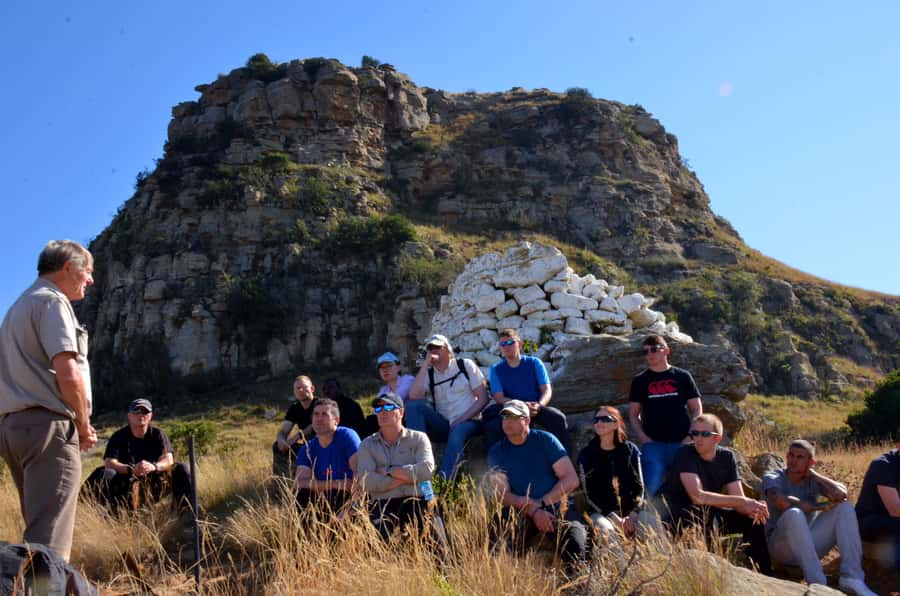
This tour gives the basics you need, and you should follow them closely. Bring comfortable shoes, sunscreen, and comfortable clothes.
Comfort shoes are not optional here. Battlefield areas and memorial grounds often mean uneven ground, lots of walking, and long periods of standing while explanations happen. If your shoes are only okay for city pavement, you will feel it by mid-day.
Sunscreen matters because you can be in the open even when you are in “history mode.” A hat can help, even if it is not listed, and a light layer can help if the day turns breezy.
Then plan your hydration and food. Lunch and drinks are not included, so do not assume you will have an easy option. Have a simple strategy: water access you can manage, and a plan for eating so the history portion stays enjoyable instead of turning into hangry logistics.
Should you book this Durban battlefields day trip?
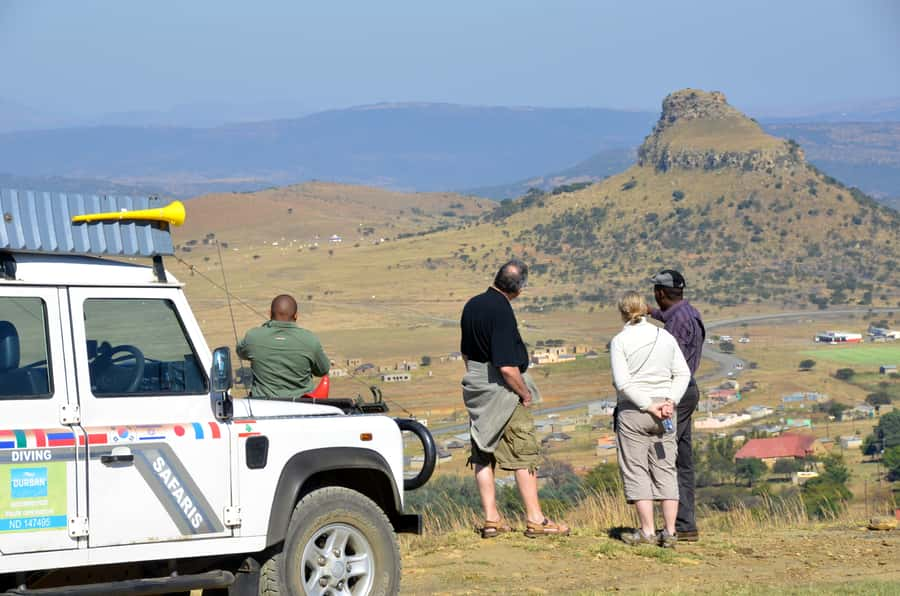
I think you should book if two things are true. First, you are the type of person who likes battlefield sites when you can understand what you are seeing. The tour is built around museums, memorials, and key battle context, which is exactly what makes these places more than sightseeing.
Second, you can handle a long day. Fourteen hours is substantial, and the drive is part of the experience. If you hate long travel days, look for something shorter or consider staying overnight near the sites. But if you want one focused Anglo-Zulu War day with a guided sequence, this is a strong option.
I would also recommend it if you want a guide who can connect details, because the day is about cause and effect. The most appreciated guides, including Thani, Bafana, and Aaron, are praised for turning the day into something interesting and moving, not just factual.
If you are sensitive to extra fees, keep in mind the Isandlwana entrance situation. And since lunch and drinks are not included, plan food so you do not waste energy later.
FAQ
How long is the Isandlwana and Rorke’s Drift day trip from Durban?
The tour duration is 14 hours.
What sites are included on the tour?
You will visit the Isandlwana battlefield and museum, then the Battle of Rorke’s Drift, and later Fugitives Drift and the Queens Colours memorial before returning to Durban.
Is lunch included in the price?
No. Lunch is not included.
Are entry fees included?
Entry fees are listed as included, but the information also notes that the Isandlwana fee is not included in the ticket. You should plan for the possibility of an Isandlwana entrance cost on the day.
Do I need a qualified historian for the tour?
A qualified historian is not included by default. There is an option for a qualified historian on request with an extra fee.
What languages are available for the live guide?
The live tour guide is available in English, Greek, Portuguese, and French. German and Polish can be requested.
Where is pickup available in Durban?
Pickup is included from hotels or accommodations within 5 kilometers of the local supplier’s office at Gooderson Tropicana Hotel, 85 O R Tambo Parade, South Beach, Durban. Pickup is also available from the Harbour passenger terminal.
What should I bring for the day?
Wear comfortable shoes and comfortable clothes, and bring sunscreen.
Can I reserve and cancel without losing money?
Free cancellation is available up to 24 hours in advance for a full refund, and there is also a reserve now and pay later option.
Newest reviews around Durban
- Sani Pass: Day Tour from Durban★ 5.0 · 7 reviews
- Tala Mini Day Safari – Durban★ 4.5 · 7 reviews
- Mandela Capture Site & PheZulu Cultural Village Day Tour from Durban★ 4.5 · 7 reviews
- Full Day Hluhluwe Imfolozi Game Reserve Tour from Durban★ 4.5 · 7 reviews
- Mini Safari and Zulu Cultural experience – Day Tour★ 4.5 · 7 reviews
- Shakaland and Zulu Culture Full-Day Trip★ 4.5 · 7 reviews
- A Full Day Safari Tour to the Hluhluwe Imfolozi Big 5 Game Reserve★ 5.0 · 7 reviews
- Durban: Journey along the Epic Sani Pass & Lesotho Tour★ 5.0 · 7 reviews
1-Day Tours, compared.

Big Five Safari and Breede River Valley Guided Day Trip
Read our review →
Jo’berg in 1 Day: Soweto, Apartheid Museum & City Tour
Read our review →
Cape Peninsula & Table Mountain Private Day Trip
Read our review →
Table Mountain and Cape Town City Half-Day Trip
Read our review →
Stellenbosch, Franschhoek and Paarl Winelands Full Day Trip from Cape Town
Read our review →
Sani Pass, Lesotho and Basotho Village Day Trip
Read our review →Browse the lists this tour appears in