Reviewed · CAPE TOWN TOURS
Cape Town: The Diamond Works Institute Sparkling Tour
The Cape Town Diamond Works Institute Sparkling Tour is interesting because it turns gemstone glamour into a step-by-step story, from rough stone to jewelry and even into AR and VR. You’re not just looking at shiny things, you’re watching how the shine gets made and then trying it for yourself.
I especially like the hands-on craftsmanship moments, where the cutting and polishing process is explained in clear, practical terms. I also like the mix of gemstones and tech, including the Tanzanite polishing boutique and the AR red-carpet experience.
One consideration: it’s a jewelry and gem shop setting, not a big museum. If you want art history only, or you expect a full meal, plan around that since the tour does not include food.
Key Things I’d Make Sure You See
- The mine-to-showcase journey, explained in plain language with the full diamond workflow
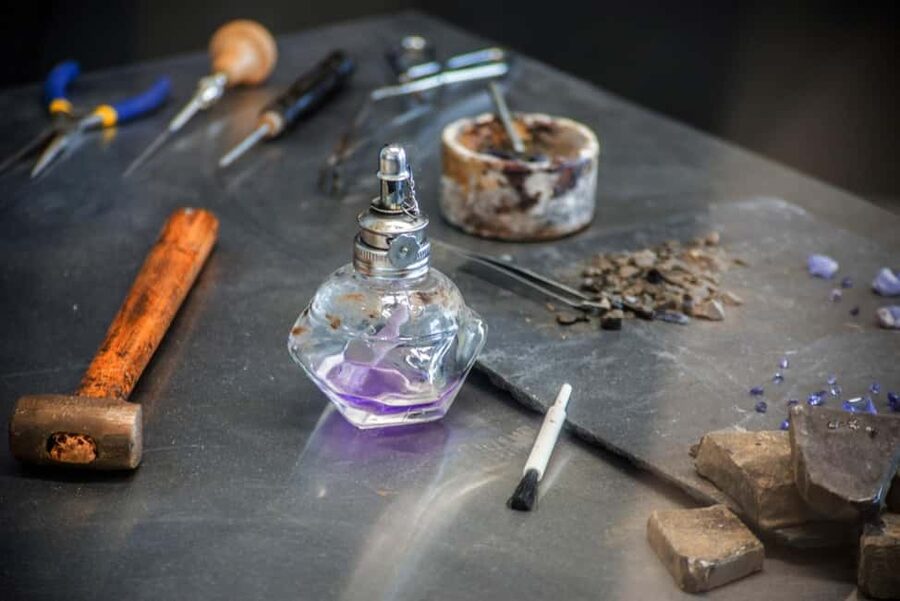
- Tanzanite polishing in the public studio, the only Southern Hemisphere option mentioned as open to visitors
- Taylor Burton Diamond neckpiece in augmented reality, a fun photo moment that fits the theme
- VR Kimberley 1872 experience, centered on the Kimberley hole digs and diamond discovery era
- 3D jewelry design with CAD and a wax replica, which turns curiosity into a custom-creation process
Entering the Diamond Works Institute, next to the Rockefeller Hotel
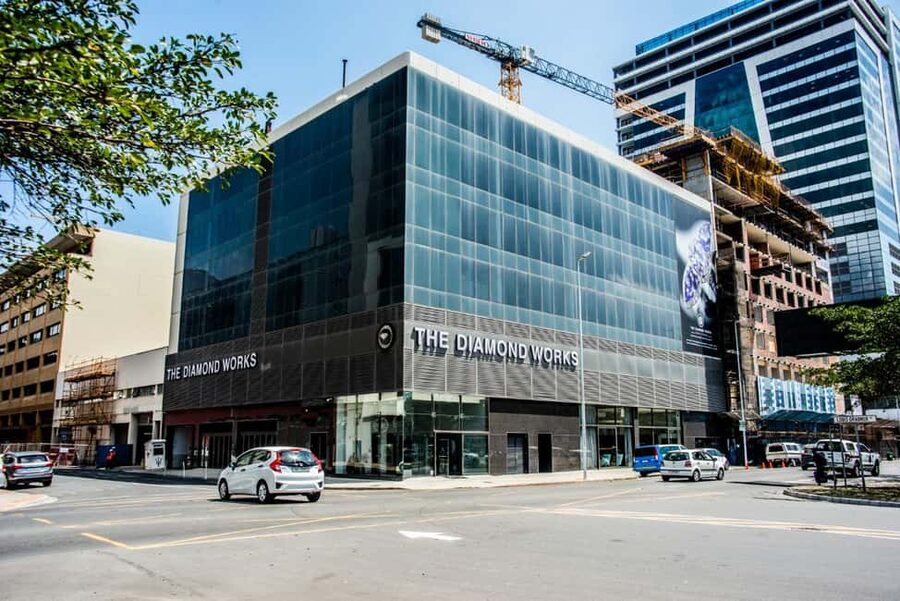
Your day starts in central Cape Town, at The Diamond Works, which is next door to the Rockefeller Hotel. There’s artwork on the outside wall, so even if you’re not looking for a specific storefront, you should spot it.
I like that the tour ends right back where you started. That keeps your day simple. You do not need to worry about getting across town afterward with a taxi hunt or a long walk while you’re still thinking about diamonds.
This experience is also built to feel friendly. You arrive and get a welcome drink, either sparkling wine or juice. That small touch matters because it signals what the tour is aiming for: upbeat, comfortable, and educational, without making you feel like you’re in a classroom.
Languages include Afrikaans, Turkish, French, German, and English. So if English is not your first language, you may still find the explanations easy to follow.
Put these Cape Town options head to head
- Wine Tour: Paarl, Franschhoek & Stellenbosch incl 3 wineries
★ 5.0 · 3,940 reviews - Cape Town: Hop-On Hop-Off Bus Tour with Optional Cruise
★ 4.8 · 3,929 reviews - Cape Town: Cape of Good Hope & Penguins Day Tour with Pickup
★ 4.7 · 3,362 reviews
The sparkling welcome and why the first minutes matter
The tour begins with a warm welcome and a glass of sparkling wine or juice. I treat this as more than a free drink. It’s how the staff set the pace, and it tells you they want you to relax before the technical parts start.
Then you move into the history of diamonds in South Africa. That’s the key setup for everything else you’ll see. When you understand what diamonds meant locally, you’re more likely to notice how the cutting, polishing, and jewelry-making link to the bigger story.
This matters for value. Without that background, the process can feel like just another factory-style demonstration. With it, you start connecting each step to why certain choices happen, like why specific cuts bring out brilliance and how artisans think about shape and light.
Watching a diamond go from rough to brilliance
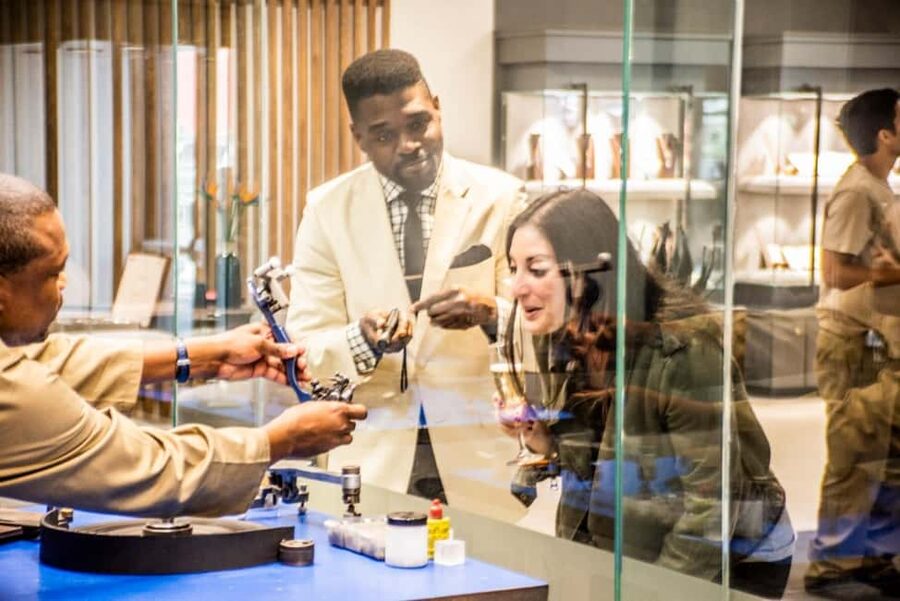
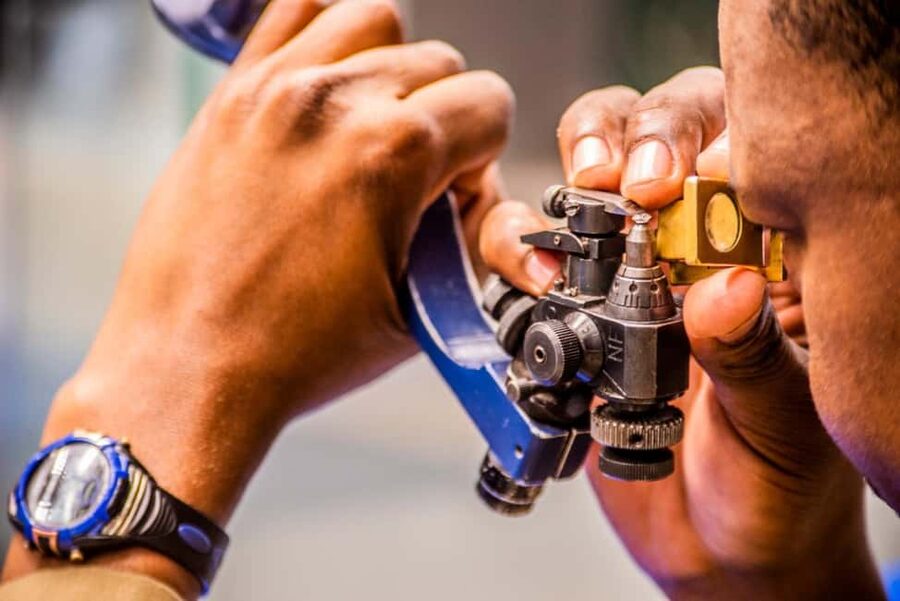
A standout part is seeing the diamond cutting and polishing process. You’ll be shown how rough turns into a finished gem, and you’ll watch the transformation rather than just hearing general claims.
In a lot of places, the sales pitch tries to skip the hard details. Here, the tone is different. The explanation is clear enough that you can actually picture the steps. And once you can picture the steps, you start spotting the craftsmanship in finished jewelry, even if you’re not planning to buy anything.
Here’s what I think this section does well for you: it gives you language. Even if you only remember a few terms, you’re not walking away with vague impressions like shiny or expensive. You’re walking away with a sense of how shape, polishing, and precision create the look.
If you get bored quickly in lectures, don’t worry too much. The pacing is designed around seeing things in action, then connecting it to what you just watched.
3D jewelry design with CAD, then a wax replica
Next comes the part that feels closest to a creative workshop: 3D jewelry design. You get invited to design your own bespoke piece using CAD technology. Then your design gets printed as a wax replica.
The timing is simple: within 24 hours, master goldsmiths create your piece from precious metals. That “create it now, craft it soon” timeline is a smart way to make the process feel real, not just theoretical.
I like this because it changes how you experience the tour. Even if you’re not a jewelry person, you get to see how design becomes manufacturing. And if you are a jewelry person, this is the closest thing on the tour to a personal keepsake pathway.
Practical tip: if you’re the type who wants to decide on the exact style later, ask staff how the design process works during the visit. The information you need should be given in the moment, and you’ll want to avoid rushing a choice.
Something different for the Cape Town list:
- Zipline Cape Town – From Foot of Table Mountain Reserve
★ 5.0 · 3,179 reviews - Cape Town: Table Mountain Cable Car, Hop-On Hop-Off Bus Tour
★ 4.6 · 3,157 reviews - Cape Point and Boulder’s Penguins Full Day Tour
★ 5.0 · 3,118 reviews - From Cape Town: Big Five Game Reserve with Lunch
★ 4.6 · 2,409 reviews
Goldsmith manufacturing, third-generation craft
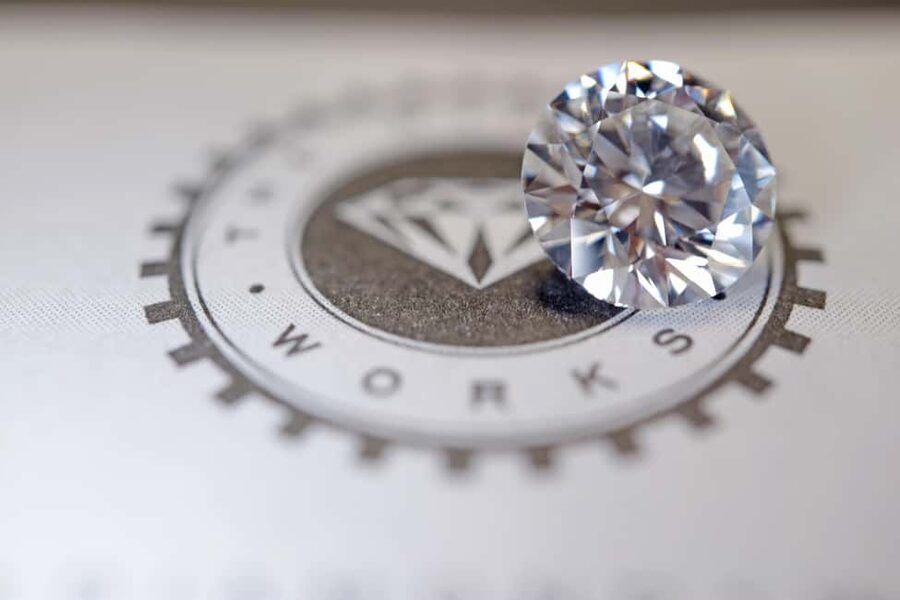
After design comes the goldsmith manufacturing process. You’ll see how in-house, third-generation goldsmiths work and learn about the techniques behind pieces made from African precious metals.
This is where the tour earns its credibility. It’s one thing to describe diamonds as a commodity. It’s another to talk about skilled metalwork and the human hands behind the final look.
The tour’s emphasis here is also part of the cultural context. Instead of focusing only on imported glamour, it points to local craft traditions and repeated generations of practice. That’s the difference between a quick showroom visit and a workshop experience.
One note for your expectations: this portion is still within a retail and manufacturing environment. If you dislike shop settings, treat it like a demonstration first. You can still enjoy the craft without feeling pressured to buy.
Tanzanite polishing boutique, a rare-stone moment
Then you step into the Tanzanite polishing boutique. The tour frames Tanzanite as a gemstone much rarer than diamonds and calls it the Essence of Africa. You’re not just told that. You visit a polishing studio described as the only operating option of its kind in the Southern Hemisphere open to the public.
What to expect here is a sensory shift. Tanzanite has a different color character than diamonds. Seeing it worked up close helps you understand why people get captivated by it, even if they’re initially there for diamonds.
Why this matters: when you see a gemstone being polished, you start realizing that “polishing” is not one generic action. Different stones respond differently to cutting and finishing, and the final appearance depends on careful work.
If you’re choosing souvenirs, this is the section where your taste might change. A diamond is universally famous. Tanzanite can feel more personal and specific to the region.
Photo moment on the Taylor Burton red carpet, AR style
The tour brings in augmented reality for a memorable photo step. You can step onto the red carpet with the Taylor Burton Diamond neckpiece using AR.
I love moments like this because they make the experience playful without taking away from the education. It’s a break from process talk, and it gives you something visual to remember long after you forget a few technical words.
It’s also a low-pressure kind of interaction. You’re not required to buy anything, and you can still participate if your schedule is tight. Even if you’re traveling with people who just want the picture, it still fits the theme.
Practical note: if you’re bringing your phone, make sure it’s charged and ready for quick photos. AR experiences can sometimes take a second to load.
VR Kimberley 1872, mining your own diamond
After the AR glamour, you get the time-travel part. With VR, you go back in time to the Kimberley hole digs of 1872. You learn about historical trailblazers who influenced South Africa’s economy, and you experience diamond discovery through an interactive encounter.
One of the most fun bits is that you can mine your own diamond firsthand in the VR setting. That turns a historical narrative into something you do, not something you just hear.
I think VR works here because the story is tied to action. Kimberley in 1872 is about digging, discovery, and the conditions around extraction. The interaction makes those concepts feel more immediate, even if you already know the broad outline.
How to get the most out of this section: slow down your brain a little. Let yourself watch the details and read what’s on the screen. You’ll get more value from the history when you treat it like a guided experience, not just a game.
Price and value: why $0 per person changes the math
Right now, this tour is listed at $0 per person. That is huge for value, especially because the experience includes a guided educational flow plus a welcome drink.
Even if you’re skeptical about free things, this one is hard to dismiss because you’re getting real programming: history, gemstone processing, goldsmith manufacturing, a Tanzanite boutique visit, AR, and VR. That’s not the usual pattern for a quick stop that lasts five minutes.
What you should budget for is not the tour. It’s your day planning. Food is not included, and parking is not included. If you’re hungry, eat nearby before or after, and don’t assume the tour will fill the gap.
Also remember: the best value comes when you treat it like a proper tour, not a grab-and-go. Give yourself enough time to enjoy the demos. If you rush, you may miss the parts that make the learning stick.
Who should book this Sparkling Tour, and who might not
I think this tour is a great fit if you like hands-on learning, visual experiences, or you want a fun, local Cape Town activity that is still grounded in craft.
It’s especially appealing if you enjoy:
- gemstone craftsmanship and jewelry-making
- tech that supports learning, like AR and VR
- a cultural context beyond just the product
It may be less ideal if:
- you want only a museum-style experience with no shop and no hands-on components
- you need food included (it is not)
- you’re trying to do a very long day tour schedule afterward, because the experience includes multiple stations and you’ll want breathing room between them
If you’re traveling with kids, it could land well because the VR mining and AR red carpet make it interactive. If your group is more serious, the cutting, polishing, and goldsmith process gives you substance to balance the fun.
Support, staff attitude, and how it feels on the ground
What I like in the feedback I’ve come across is that the staff are welcoming and attentive, with explanations that land clearly. A warm start, helpful guidance through each station, and a willingness to step in when something goes wrong are all signs of a well-run operation.
One practical example of that kind of support is how the team handles real-life problems nearby. It’s not about panic or drama. It’s about staying practical, including offering a way to get help quickly when needed.
That matters when you’re in a busy city center. You want the visit to feel safe and guided, not like you’re on your own in a storefront.
A quick look at logistics that affect your comfort
You don’t need complicated planning, but a few things will make the day smoother.
- The meeting point is clear: next door to the Rockefeller Hotel, look for the outside wall artwork.
- The tour ends back there, so you can plan your next stop without a long scramble.
- Languages cover multiple options, including English, French, German, Afrikaans, and Turkish.
- The included drink is sparkling wine or juice, so if you avoid alcohol, the juice option is available.
If you’re sensitive to crowds or motion, the AR and VR parts might feel intense for a short time. You can still participate, but pace yourself and take breaks if you need to.
Should you book the Cape Town Diamond Works Institute Sparkling Tour?
If you want a Cape Town experience that blends craft education with photo-friendly AR and a VR time jump to Kimberley 1872, I’d book it. The learning-to-fun ratio is strong, and the $0 listed price makes it an easy choice if you have the time.
Book it if:
- you like hands-on demonstrations
- you want gemstone and jewelry history tied to making, not just looking
- you want something different from the usual city sightseeing routine
Skip or reconsider if:
- you need food included during the activity
- you dislike shop environments and prefer purely museum experiences
- you’re only interested in diamonds and not in Tanzanite or the jewelry design component
Overall, this is the kind of tour that leaves you with more than photos. You leave understanding how brilliance is made, why Tanzanite gets attention, and how diamond history shaped a region.
FAQ
Where does the Cape Town Sparkling Tour start?
It starts at The Diamond Works, which is next door to the Rockefeller Hotel. There is artwork on the outside wall you can use as a landmark.
Does the tour include food?
No. Food is not included.
Is parking included?
No. Parking is not included.
What drink is included with the tour?
You get a sparkling wine or juice as a welcome drink.
What is included in the Sparkling Tour?
The Sparkling Tour is included, along with the sparkling wine or juice.
What languages are available during the tour?
The tour is available in Afrikaans, Turkish, French, German, and English.
What activities are part of the experience?
You’ll see the diamond journey from mine to showcase, watch cutting and polishing, visit the Tanzanite polishing boutique, use AR for the Taylor Burton Diamond red carpet moment, and experience Kimberley 1872 through VR.
Is the tour only about diamonds?
No. The tour also includes Tanzanite and goldsmith manufacturing, plus jewelry design using 3D CAD technology.
Can I reserve without paying right away, and how does cancellation work?
You can reserve & pay later, and you can cancel up to 24 hours in advance for a full refund.
Newest reviews around Cape Town
- Full Day Wine Tasting in Stellenbosch, Franschoek & Paarl fees included★ 5.0 · 6 reviews
- Taste of Africa – Food & Wine Tasting Experience★ 4.2 · 6 reviews
- Cape of Good Hope and Penguins Private Tour with Entry Fees★ 4.6 · 7 reviews
- Shark Cage Diving★ 4.5 · 7 reviews
- Horse Riding and Wine Tour Cape Town★ 5.0 · 7 reviews
- Half Day Stellenbosch Winelands Private Tour from Cape Town★ 4.5 · 7 reviews
- Cape Town: Constantia Wine Route Tour★ 5.0 · 7 reviews
- Franschhoek Wine Tram Hop-On Hop-Off Tour with Transfers from Cape Town★ 5.0 · 7 reviews
Cape Town Tours, compared.

Wine Tour: Paarl, Franschhoek & Stellenbosch incl 3 wineries
Read our review →

Cape of Good Hope & Penguins Day Tour with Pickup
Read our review →
Zipline Cape Town – From Foot of Table Mountain Reserve
Read our review →
Table Mountain Cable Car, Hop-On Hop-Off Bus Tour
Read our review →
Cape Point and Boulder’s Penguins Full Day Tour
Read our review →