
Reviewed · MUSEUMS
Cape Town: Heart of Cape Town Medical Museum Entrance Ticket
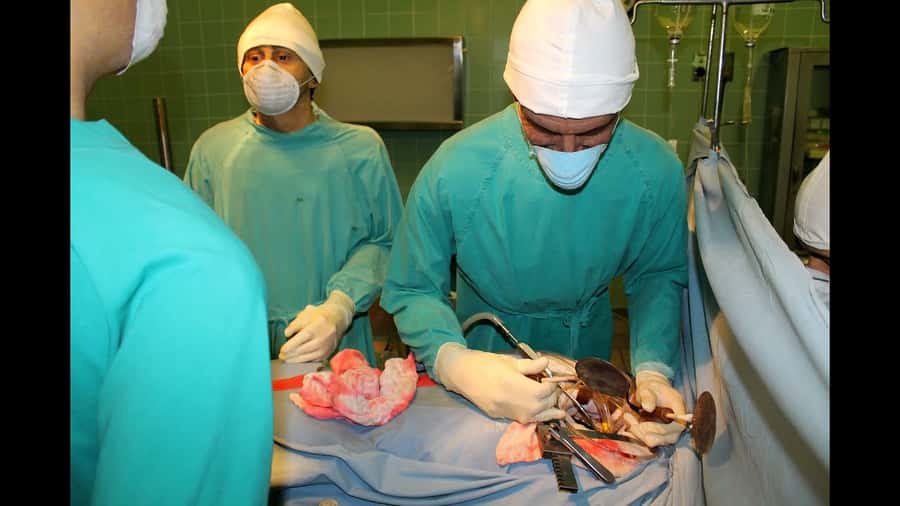
This stop is interesting because it turns one of medicine’s biggest turning points into something you can actually stand inside. You’re not just reading about the world’s first successful heart transplant. You see the original operating rooms and the staging around the operation day, tied to Groote Schuur Hospital.
I especially like the way the visit is anchored to specific people and a specific date, with Professor Christiaan Neethling Barnard at the center of the story. I also like that the experience is guided by a trained, certified leader, which matters a lot when the subject gets technical and emotional. One consideration: this is not the best choice for little kids, and it isn’t suitable for children under 10.
Key highlights worth planning for
- Restored operating rooms laid out as they were during the historic operation
- Christiaan Barnard’s 3 December 1967 story, explained clearly with context
- A trained, certified guide in a small group capped at 10 people
- High-impact visuals, including film elements that bring the day to life
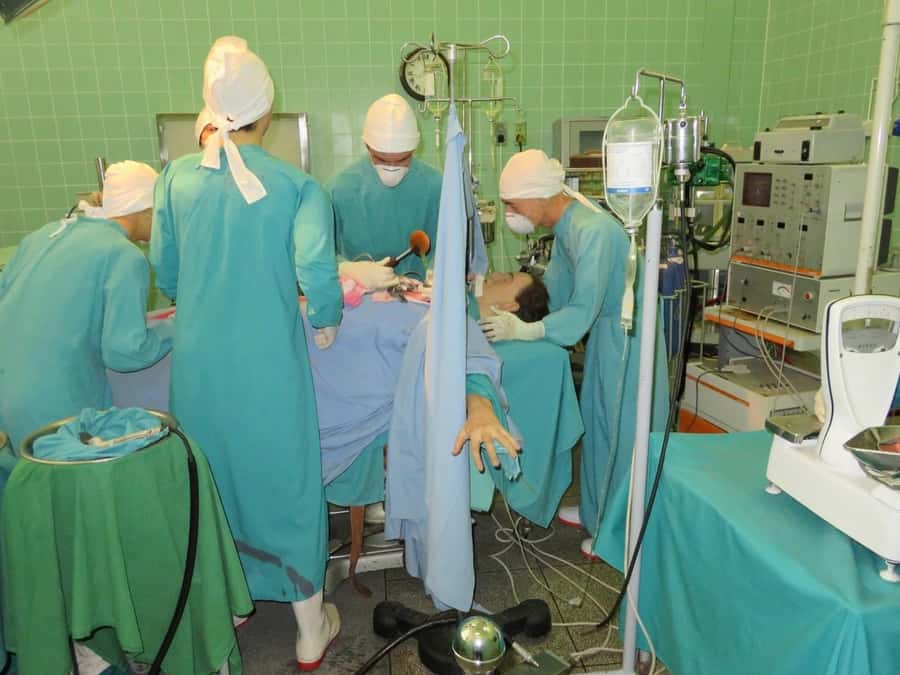
- Close views of organ removal and transplantation rooms at the original location
- English-language tour with wheelchair access for visitors who need it
A hospital-based museum with a single, unforgettable focus
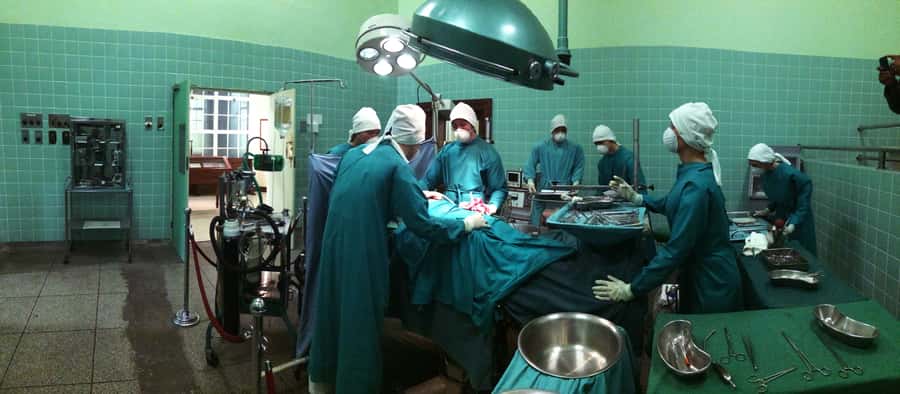
The Heart of Cape Town Medical Museum is built around one mission: honoring the breakthrough behind the world’s first successful heart transplant. The setting is part of the point. When you walk into a museum inside a real hospital site, the story stops feeling distant.
I like how the museum keeps its attention on the moment itself, not on turning it into general medical tourism. You’re guided through what happened and where it happened, inside rooms that were restored to reflect the operation-day layout.
That single focus also shapes the tone. This is a serious topic, and it can feel emotional, especially as the guide explains the choices, the pressure, and the human stakes involved.
More Museums in Cape Town
- Museum of Contemporary African Art: Fast-Track Zeitz MOCAA
★ 4.4 · 204 reviews - Cape Town: Private Guided Tour of Cape Town Diamond Museum
★ 4.7 · 156 reviews - ROBBEN ISLAND MUSEUM TOUR, WITH OPTIONAL LAST MINUTE TICKETS
★ 3.4 · 85 reviews
Meeting at Groote Schuur Hospital and getting set up for the tour
The practical starting point is Groote Schuur Hospital in Observatory, Cape Town. You meet at the Main Rd entrance area on Groote Schuur Hospital, Cape Town 7925, South Africa.
You’ll join a small group limited to 10 participants, so it doesn’t feel like you’re being swept along. A guided format is important here because the museum covers medical procedures and decision-making. With a guide, you know what you’re looking at and why it matters.
Plan to arrive a little early so you can get oriented on the hospital grounds before the tour begins. Comfortable walking shoes are a good idea too, since you’ll be moving between key rooms and exhibit areas.
The 1967 operation story: Charles Saint Theatre to the moment in question
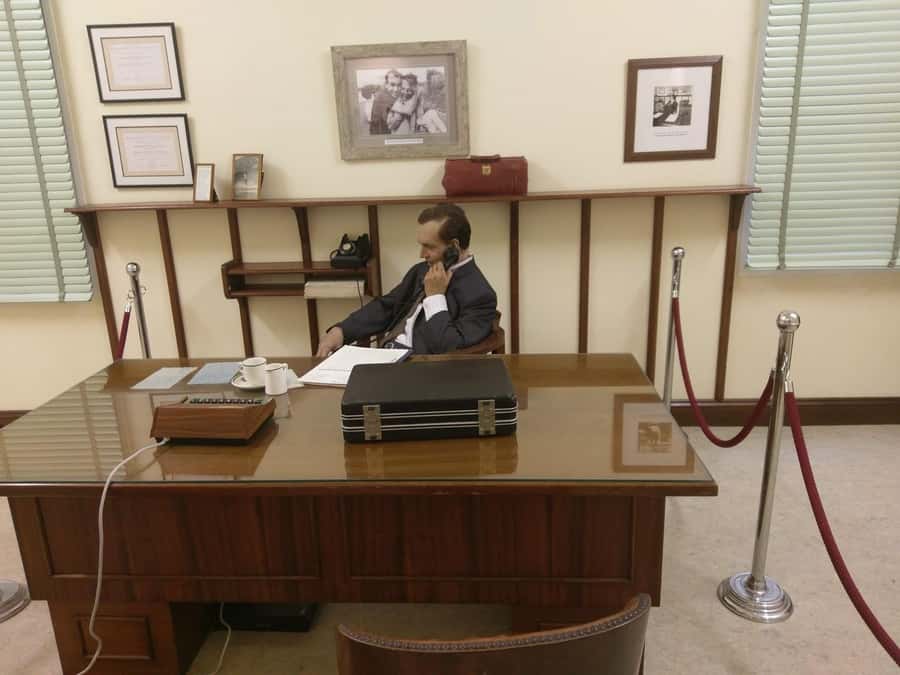
The core narrative centers on the dramatic day when the operation took place. You’ll hear how the surgery was led by Professor Christiaan Neethling Barnard, and you’ll place it in time: 3 December 1967.
A big reason this works for visitors is that it ties the story to a specific location. The museum experience points you to the Charles Saint Theatre at Groote Schuur Hospital, which helps you understand the flow of events as the team moved through the hospital spaces.
During the tour, expect to get a guided walkthrough that connects the exhibits to the operation day. The guide’s job is not just to recite dates, but to translate what happened into something you can follow, step by step, without needing a medical degree.
Why the restored operating rooms hit so hard
The museum’s biggest selling point is also the part that most people remember. You see the restored operating rooms laid out as they were on the day of the operation.
This is where the experience becomes more than a museum visit. Seeing the rooms in a layout designed to match the original staging gives you a sense of proximity. It’s easier to grasp how the team operated in tight, high-stakes conditions when the space feels real rather than abstract.
From the way the museum handles the story, I think this is why visitors often describe the experience as intensely moving. The guide explanations can carry real emotion, because the breakthrough was not a clean textbook moment. It was a high-risk event happening in a live medical environment.
If the topic feels intense to you, that’s okay. You’re choosing a museum centered on a surgical milestone. Go in knowing it can be serious, not fluffy.
Something different for the Cape Town list:
- Wine Tour: Paarl, Franschhoek & Stellenbosch incl 3 wineries
★ 5.0 · 3,940 reviews - Cape Town: Hop-On Hop-Off Bus Tour with Optional Cruise
★ 4.8 · 3,929 reviews - Cape Town: Cape of Good Hope & Penguins Day Tour with Pickup
★ 4.7 · 3,362 reviews - Zipline Cape Town – From Foot of Table Mountain Reserve
★ 5.0 · 3,179 reviews
Rooms for organ removal and transplantation: seeing the process as a sequence
One of the most memorable aspects is that you’re not treated to a single “hero moment.” The tour guides you through the operation spaces as a set of connected rooms, including areas associated with organ removal and transplantation.
I like that the museum treats the procedure like a sequence rather than a single flash of drama. That approach helps you understand how many coordinated actions have to happen correctly for surgery like this to even be possible.
Also, standing in or viewing the original operating rooms at the heart of the story gives you a better sense of scale and workflow. Even if you only remember a few key details later, you’ll remember the feeling of how the room arrangement shaped what the team could do.
If you’re the type who likes science and medicine as stories about problem-solving, you’ll probably get a lot out of the way the museum shows that the breakthrough was also built from teamwork and careful preparation.
A guide-led experience that keeps the details understandable
The tour is designed around a live guide, in English, and the group is kept small. That combination matters because medical history can turn into confusing jargon if it’s left to self-guided reading.
I like that the guided approach helps you connect the exhibits to the human narrative. The museum honors all those who played a major role in making the first successful heart transplant happen, and your guide helps you see those contributions as more than names on a plaque.
You might also encounter film elements during the experience. Even when you know the headline of the story, film style storytelling can help fill in the gaps between exhibits. It’s one of those ways museums can make the timeline click.
Price and value: what you’re really paying for at $22 per person
At about $22 per person, the ticket price is fairly straightforward, and the value comes from what’s included. Your entrance is part of the cost, and you get a guided tour, not just access to the building.
This is one reason I think the price makes sense for most people. You’re paying for interpretation. In a museum like this, interpretation is the difference between seeing rooms and truly understanding them.
Your time investment is also manageable. The experience runs for one day, with the guided portion lasting about 1.5 hours. That means you can fit it into a Cape Town itinerary without carving out an entire afternoon or sacrificing dinner plans.
The only cost-related caveat is that food and drinks aren’t included, and there’s no hotel pickup. If you’re visiting by your own transport, budget for that separately.
Itinerary walk-through: what happens during the 1.5 hour guided portion
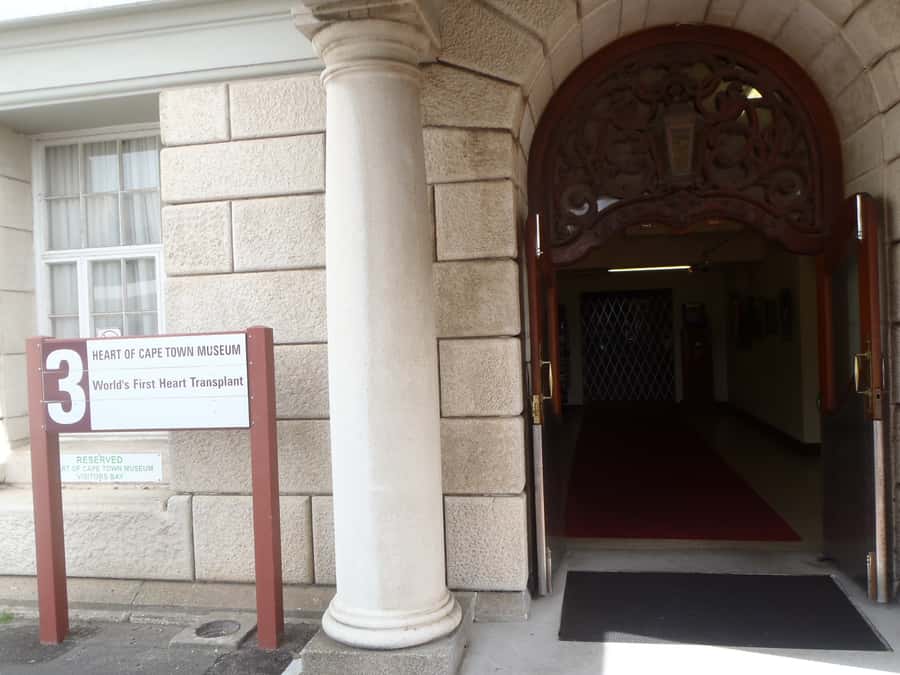
Here’s how the flow typically works, in plain terms.
You start at Groote Schuur Hospital, then you’re brought into the museum experience where the guided tour takes about 1.5 hours. The focus stays tight on the heart transplant story and the operation-day setting, including the restored rooms and key spaces linked to the surgery.
After the guided portion, you return back to Groote Schuur Hospital. So, it’s a “stay near the meeting point” kind of tour. This is helpful because you’re not dealing with a long bus ride or complicated drop-offs.
Drawback to note: because the tour returns you to the same hospital area, you’ll want to plan your next stop nearby rather than assuming you’ll be whisked across town at the end.
Practical tips so you get the most out of the visit
This is a focused museum visit, so a few simple choices make it smoother.
- Bring comfortable shoes. You’ll be on your feet moving between exhibits and operating-room spaces.
- Give yourself buffer time at Groote Schuur Hospital. It’s an active site, and starting smoothly reduces stress.
- If you’re sensitive to medical themes, consider going with a calm schedule and not packing it between high-energy activities. You’ll get more from it when you can take it at your own pace during the explanation.
On the essentials side, you should also plan for water and a snack if you need one. Food and drinks aren’t included, so you’ll want to manage that around the tour start.
Who this tour suits best, and who should rethink it
This experience is best for adults and older kids who want a serious, guided museum visit tied to a real place and real medical milestone. The museum is especially appealing if you like science, history connected to real settings, or you appreciate learning through guided storytelling.
It’s also ideal for people who like small group tours with an English-speaking guide. With a group capped at 10, questions and pacing feel more human.
A clear non-fit: it is not suitable for children under 10. If you’re traveling with younger kids, you’ll probably want a different Cape Town activity that better matches their attention span.
Should you book the Cape Town Heart Museum tour?
If you’re in Cape Town and you’re interested in the world’s first successful heart transplant, I’d book this. The biggest reason is the restored operating rooms and the fact that the tour is guided and small. That combination makes the story easier to follow and harder to forget.
Skip it if you want a light, casual museum outing or you’re looking for something explicitly family-focused for younger children. Also skip it if you know medical topics feel overwhelming, because this museum does not treat the operation as abstract.
If you’re on the fence, think about this: you’re paying for guided access to the operation-day setting, not just ticket entry. For many visitors, that’s exactly the kind of value that makes a day in Cape Town feel both memorable and meaningful.
FAQ
How much is the Heart of Cape Town Medical Museum ticket?
The price is listed as $22 per person.
How long does the guided tour take?
The guided tour is about 1.5 hours. The overall experience is listed as valid for 1 day.
Where is the meeting point?
You meet at Groote Schuur Hospital, Main Rd, Observatory, Cape Town, 7925, South Africa.
Is hotel pickup and drop-off included?
No, hotel pickup and drop-off is not included.
What’s included in the ticket price?
Entrance fees and a guided tour are included.
Are food and drinks included?
No, food and drinks are not included.
What language is the tour guide?
The live tour guide speaks English.
How big is the group?
The group is limited to 10 participants.
Is it wheelchair accessible, and is it suitable for children?
It is wheelchair accessible. It is not suitable for children under 10 years.
Newest reviews around Cape Town
- Cape Town: Half-Day Guided City Sightseeing Tour by Bus★ 4.8 · 7 reviews
- Cape Town to Cape Point Private Day Tour★ 4.5 · 7 reviews
- Abseiling Table Mountain★ 5.0 · 7 reviews
- Table Mountain Group Hike – Solo Travelers welcome★ 4.1 · 7 reviews
- Private Tour:Cape of Good Hop>Chapman’s >Penguin>Seal island★ 5.0 · 7 reviews
- Pre-Booked Ticket Robben Island Half-Day Tour from Cape Town★ 2.8 · 7 reviews
- Cape Town Airport and Hotel Private Transfers★ 5.0 · 7 reviews
- Table Mountain, Boulder’s Penguins & Cape Point Private Tour★ 4.5 · 7 reviews
Museums, compared.

Soweto /Johannesburg and Apartheid Museum Guided Full Day Tour
Read our review →
Jo’berg in 1 Day: Soweto, Apartheid Museum & City Tour
Read our review →
Full-Day Tour with Soweto and Apartheid Museum
Read our review →
Full-Day Soweto, Apartheid Museum and Lunch Tour
Read our review →
Half Guided Day Tour of Soweto And Apartheid Museum
Read our review →
Ultimate Johannesburg Soweto Experience with Apartheid Museum
Read our review →
Hop-On Hop-Off Bus, City Tour and Apartheid Museum
Read our review →
Museum of Contemporary African Art: Fast-Track Zeitz MOCAA
Read our review →Browse the lists this tour appears in