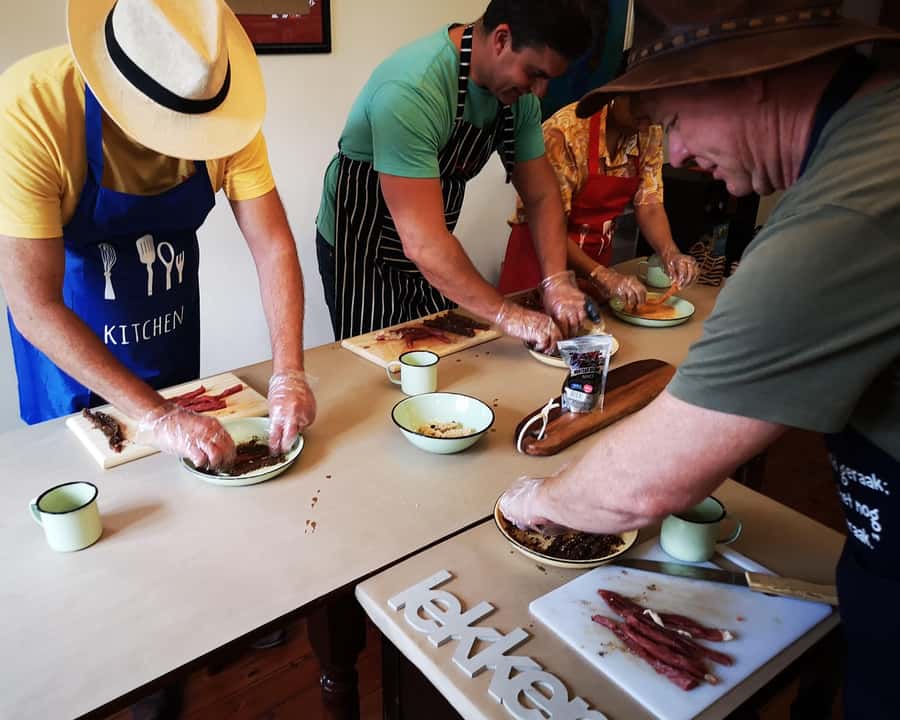
Reviewed · CAPE TOWN TOURS
Cape Town: Afrikaans Culture And Making Traditional Biltong
A short biltong class in Cape Town, set in a local voorkamer lounge, feels interesting because it mixes food with Afrikaans roots in a way you can taste and remember. I like that you do real hands-on prep, not just a tasting plate. I also like how the hosts connect the flavors to the story of South Africa, from early meat-curing traditions to modern seasoning.
You’ll start with snacks and a refreshing drink, then get guided through how biltong gets made, cured, and stored. The session also throws in Afrikaans culture through sounds like Boeremusiek and classic sayings, plus coffee served in a simple tin mug. One consideration: this setup is not suitable for wheelchair users, and there are cats on the property, so plan around that if needed.
For $42, you’re buying more than “samples.” You’re paying for a focused 90 minutes with a small group (max 8), clear English instruction, provided equipment, and a take-home biltong result you helped create.
Key things to know before you go
- A small group of up to 8 makes it feel like a real class, not a production line.
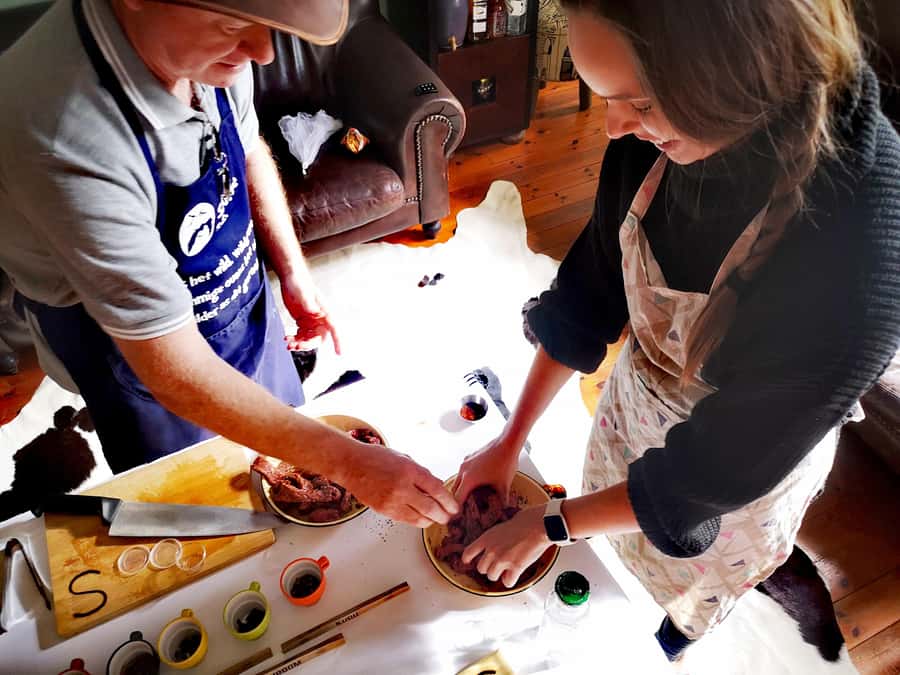
- Hands-on biltong sticks prep means you get knives and aprons and actually make something.
- Afrikaans culture is part of the lesson, with Boeremusiek and Afrikaans tunes in the background.
- You’ll taste multiple kinds of biltong, including a vegan option (by prior arrangement).
- Coffee and Soutie’s Karringmelkbeskuit are baked into the experience, not tacked on at the end.
- Khoisan and Great Trek context gives the curing and spice story real grounding.
Cape Town’s Three Anchor Bay, but in a local vorkamer
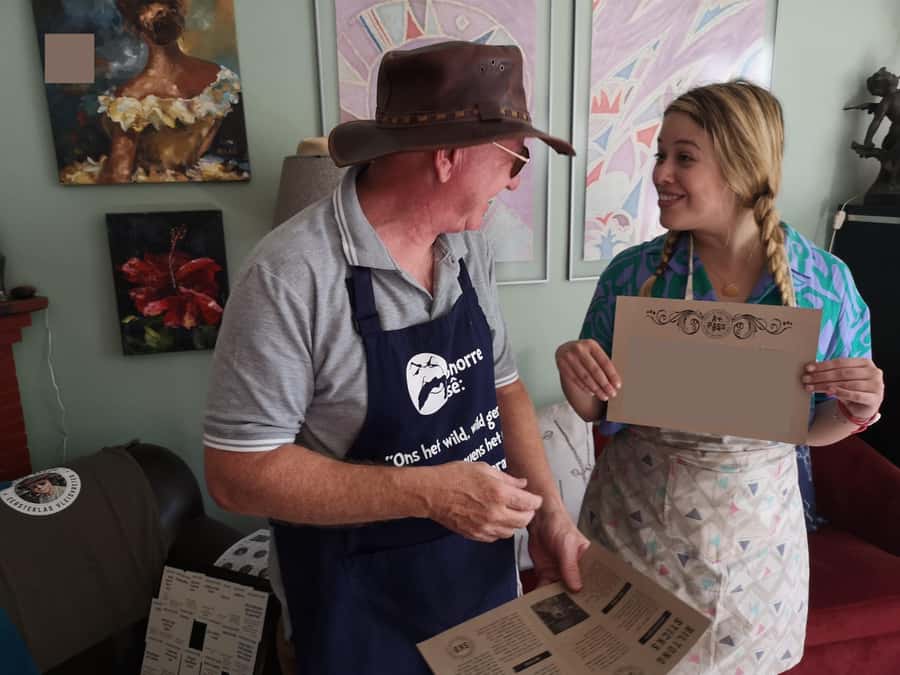
This experience meets at Unit 5, 165 High Level Road in Three Anchor Bay, a practical base that keeps you close to where most people stay in the city. The bigger reason I like this start is what happens immediately: you’re not funneled through a generic “tourist tasting room.” You walk into a real lounge setting, a voorkamer, where the hosts guide you like you’re joining a household activity.
Cape Town can be loud and crowded in some areas, so it’s a nice change to do something intimate. The class is designed for a tight 90 minutes, which matters if you’re juggling a schedule and don’t want to lose half a day. And because the group is limited to 8, questions are easy to ask and the vibe stays relaxed.
The practical part: wear comfortable clothes. You’ll be moving a bit, and you’ll likely be handling items during the sticks workshop. Bring a camera if you want photos, and plan to have cash on hand since cash is mentioned as something to bring.
Put these Cape Town options head to head
- Wine Tour: Paarl, Franschhoek & Stellenbosch incl 3 wineries
★ 5.0 · 3,940 reviews - Cape Town: Hop-On Hop-Off Bus Tour with Optional Cruise
★ 4.8 · 3,929 reviews - Cape Town: Cape of Good Hope & Penguins Day Tour with Pickup
★ 4.7 · 3,362 reviews
Arrival starts with a bottle drink, snacks, and an easy welcome
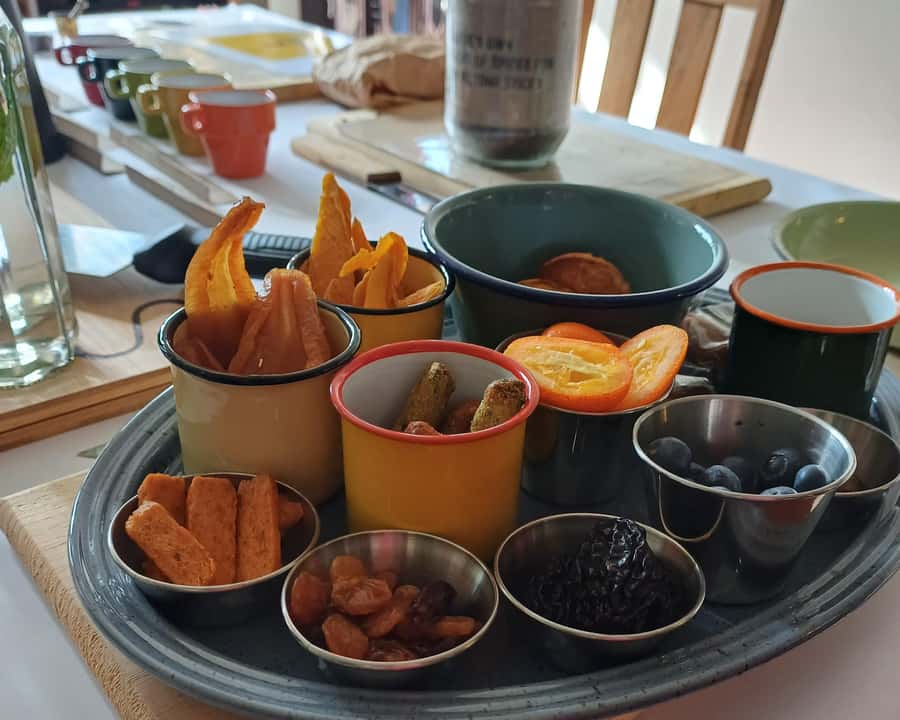
Your first minutes are all about getting comfortable. You begin with a refreshing drink served in an iconic bottle. Then you get local snack time right away, including dried fruit and preserves, so you’re not waiting around for food until the lesson “officially starts.”
This is one of those small details that changes the whole feeling of the activity. When you’re fed early, you focus on learning instead of thinking about your next meal. Plus, snacking gives you a baseline for what you’re about to experience with biltong and spices.
Then comes coffee. You’ll sip moerkoffie, served in a rustic tin mug, paired with Soutie’s homemade Karringmelkbeskuit (buttermilk rusk). That pairing is simple but smart. If biltong hits your salty, peppery, cured-meat cravings, the coffee and rusk help balance it and keep your mouth ready for the next bites.
The biltong origin story you can taste: Khoisan drying to Trek spice
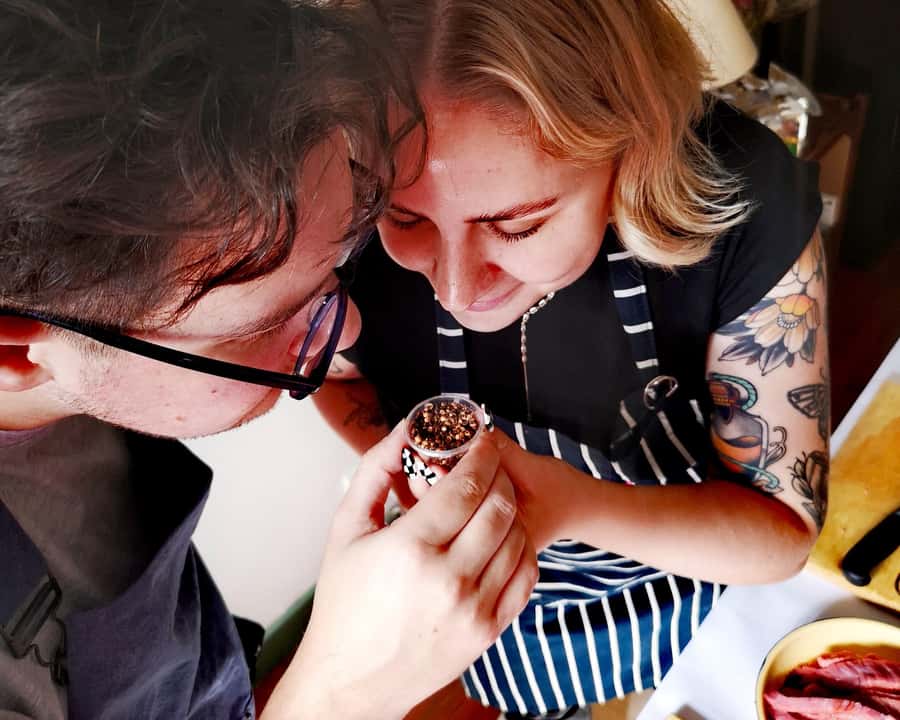
Once you’re settled, the hosts connect the snack to the story. You’ll hear about the ancient secrets of the Khoisan hunter-gatherers, including how air-dried meat traditions helped preserve protein. Then you’ll learn how the Great Trek pioneers added the spice that made South African biltong a global favorite.
You might think of history as dates and names. Here, it’s seasoning and technique. That matters because biltong isn’t just “dried meat.” It’s a cured flavor system. When you understand the preservation roots and the spice influence, you start noticing why one biltong type tastes stronger, sweeter, or more pepper-forward than another.
The lesson is also set up to keep you moving through the flavors. You taste different biltong varieties, not just one kind. And you’ll even get a vegan option that’s surprisingly good, as long as you’ve arranged it in advance.
Biltong basics made practical: cut, grade, spices, curing
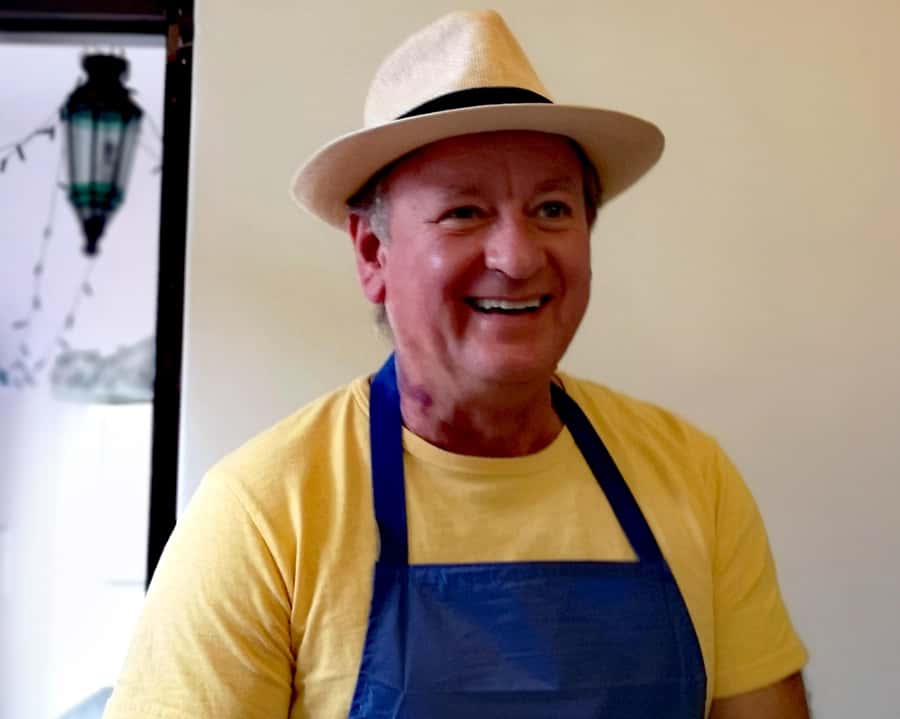
After the first tasting bites, you shift into the instructional part of the class. You’ll get an explanation of the biltong-making process, with the kind of detail that makes the lesson useful later. The hosts cover selecting the perfect cut of meat, including the idea of cut and grade. They also talk about the blend of spices and the curing process.
This is where I think the value lives. A lot of food experiences are either pure entertainment or pure eating. This one is both, but the “both” is balanced: you’ll learn enough about the choices to understand why biltong turns out the way it does.
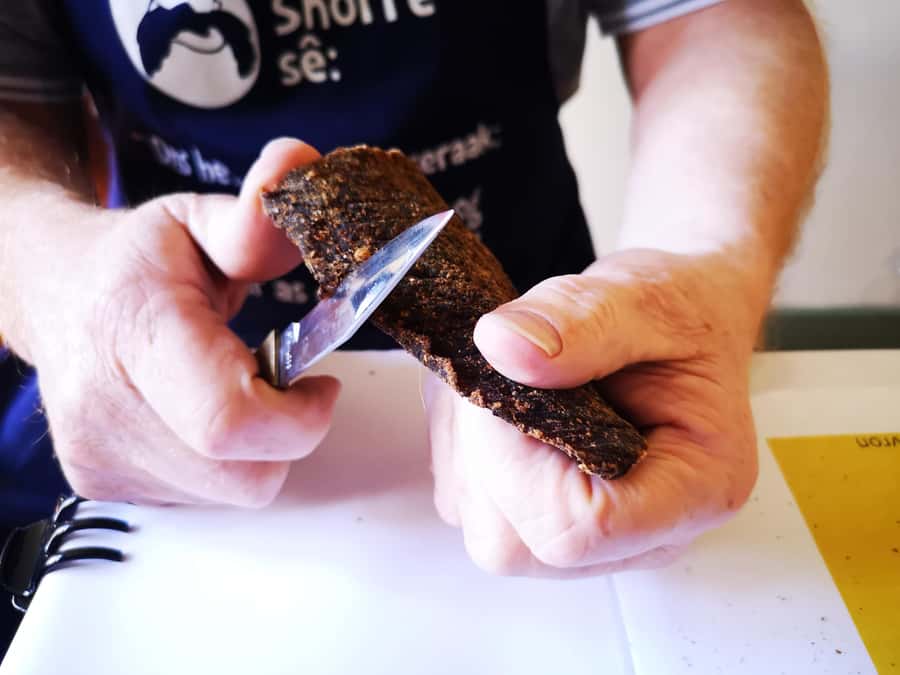
Expect visual aids during the explanation, plus provided equipment like aprons and knives so you’re not scrambling for tools or trying to guess what to do. The class pacing is also good for busy itineraries. Ninety minutes is short enough that you won’t feel stuck, but long enough that you actually learn a process, not just a concept.
One more smart piece: the hosts don’t treat the class like a lecture. They keep the tone relaxed with stories and Afrikaans sayings that make the food background easier to remember.
Something different for the Cape Town list:
- Zipline Cape Town – From Foot of Table Mountain Reserve
★ 5.0 · 3,179 reviews - Cape Town: Table Mountain Cable Car, Hop-On Hop-Off Bus Tour
★ 4.6 · 3,157 reviews - Cape Point and Boulder’s Penguins Full Day Tour
★ 5.0 · 3,118 reviews - From Cape Town: Big Five Game Reserve with Lunch
★ 4.6 · 2,409 reviews
Hands-on biltong sticks: knives, timing, and a repeatable workflow
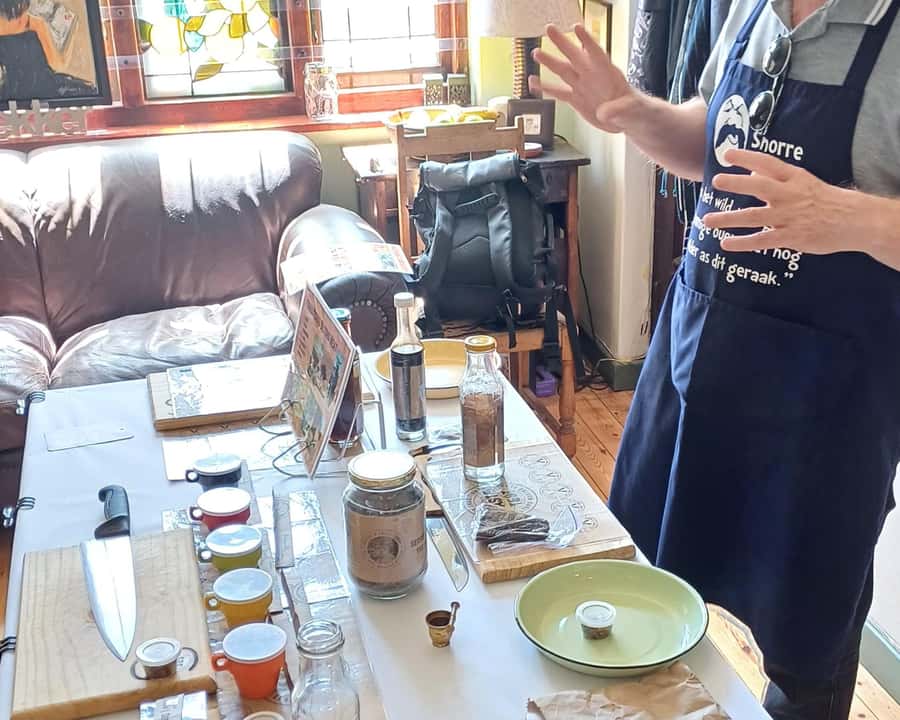
Now for the part you’ll remember when you’re home looking for dinner inspiration: you prepare your own biltong sticks. You’ll be guided through the process step-by-step, using the equipment provided. Aprons help, knives are there for you to use, and the hosts explain what they want you to do and why.
Because you’re hands-on, you’ll pay attention to small decisions like how you work with the stick shape and how the curing process is treated. Even if you never replicate the exact same spices at home, you’ll understand the logic of curing and seasoning, which is what makes the lesson stick.
This also explains why people call the experience fun. The work isn’t complicated or technical in a lab way. It’s physical, sensory, and doable. You’re processing food with your hands and reacting to flavors as you go.
You also get a sample to take home of the biltong sticks you made. That’s a nice bonus for two reasons. First, it gives you immediate gratification. Second, it lets you share the result with someone when you’re back in your accommodation, which helps the experience feel real rather than “just a stop.”
Afrikaans roots, Boeremusiek, and sayings that land with a smile
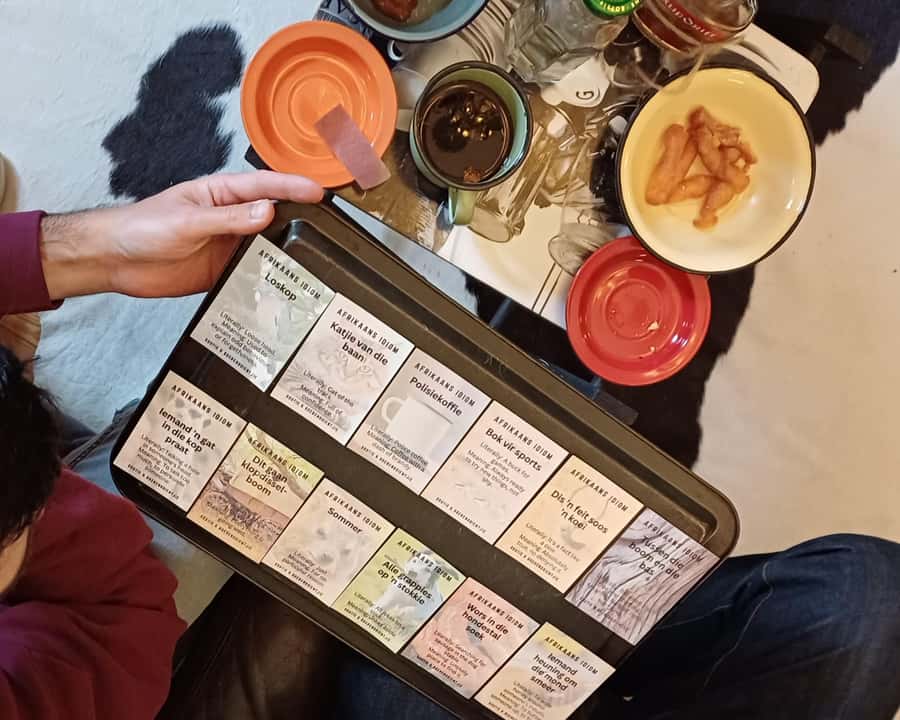
Food is the hook, but Afrikaans culture is the second engine. During the class you’ll learn about the origins of Afrikaans, described as a blend of European, Asian, and African languages. That’s not just trivia. It frames why South Africa’s language and food culture feel like a mix, a living blend shaped by movement and survival.
You’ll also hear Boeremusiek, plus some catchy Afrikaans tunes. If you’ve ever tried to learn about a place only through museums, this is a different approach. Music and sayings bring rhythm to the story, and it’s easier to remember a language when you hear it paired with everyday life.
The hosts add tall tales and classic Afrikaans sayings throughout. This isn’t forced. It’s the kind of storytelling that makes you feel like you’re in the room for the talk, not watching a staged show.
Why the $42 price makes sense for a 90-minute food class
At $42 per person for 90 minutes, the big question is: what are you really paying for?
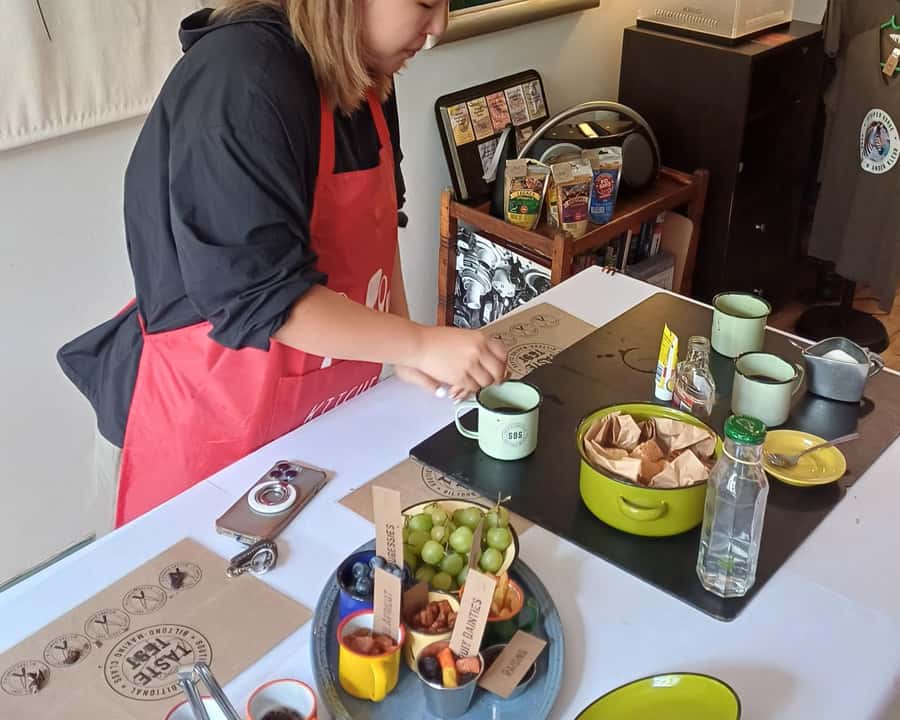
You get a lot included: a refreshing drink, biltong tastings, explanation of the cutting, spice blend, curing process, coffee (moerkoffie) with Karringmelkbeskuit, snacks like dried fruit and preserves, interactive sticks preparation, equipment such as aprons and knives, plus visual aids. That’s a full food-and-culture session, not a quick tasting where you leave hungry.
Then there’s the small group format, capped at 8. That can matter more than it seems. Smaller groups mean more attention and more time for questions, especially during the hands-on phase. In other words, you’re not just buying food. You’re buying guided instruction plus a result you take home.
If you like practical culinary experiences, this is a solid use of time in Cape Town. You leave fed, informed, and with something you helped make.
Who should book this class, and who should plan around it
This suits a wide range of people. The session is designed to fit into a busy itinerary, and it’s accessible to all ages. If you want a fun, bite-sized cultural experience that isn’t overwhelming, this is the kind of stop that works.
I’d especially recommend it if you:
- love biltong and want to understand what changes the flavor
- enjoy hands-on learning more than watching
- want Afrikaans culture tied to food, not separated from it
- travel with family or mixed ages, since the structure is interactive and short
A caution if either applies: it is not suitable for wheelchair users, and there are cats living on the property. If animal allergies are an issue, this is the kind of detail you should confirm before you commit.
Vegans can be accommodated by prior arrangement, so if you’re traveling with someone who’s vegan, message ahead rather than assuming it will be handled on the day.
Practical tips so you can enjoy it without rushing
Here’s how to set yourself up for a smooth 90 minutes.
Bring:
- a camera if you want photos
- comfortable clothes for moving and handling utensils
- cash
You can also prepare by thinking about what you like in cured meats. If you prefer peppery flavors, sweeter spices, or a stronger cure, keep that in mind during the tasting portion. That way, when the hosts explain spice blends and curing, you’ll connect it to your own taste preferences.
If you need a vegan option, confirm it ahead of time. The class is structured with tastings and sticks prep, so advance notice matters for getting the right food in front of you.
Should you book Soutie’s biltong sticks class in Cape Town?
If you want Cape Town culture you can eat, this is a smart choice. The combination of biltong tasting, hands-on sticks preparation, Afrikaans language background, and coffee with Karringmelkbeskuit makes it feel full without dragging on.
I’d book it if you’re traveling with people who like food, prefer real local hospitality, and want a short activity that teaches you something you can carry home. Skip it if wheelchair access is needed, or if cats on site would be a problem for you.
Overall, it’s one of those rare experiences where the “tour” part stays light and the “learning” part stays useful, and your reward is biltong you helped make.
FAQ
How long is the Cape Town Afrikaans culture and biltong class?
The experience lasts 90 minutes.
Where does the class meet in Cape Town?
The meeting point is Unit 5, 165 High Level Road, Three Anchor Bay, Cape Town, South Africa.
How much does it cost?
The price is $42 per person.
Is the class taught in English?
Yes, the instructor is English.
What is included in the experience?
It includes a refreshing drink, tastings of biltong, discussion of the history and process, coffee and Karringmelkbeskuit, dried fruit and preserves, an interactive session to prepare biltong sticks, equipment like aprons and knives, and visual aids.
Can vegans eat during the class?
Vegans can be accommodated by prior arrangement.
What should I bring with me?
Bring a camera, comfortable clothes, and cash.
Is it suitable for wheelchair users or people with animal allergies?
No. It is not suitable for wheelchair users, and cats live on the property, so it may not be suitable for people with animal allergies.
Newest reviews around Cape Town
- Taste of Africa – Food & Wine Tasting Experience★ 4.2 · 6 reviews
- Full Day Wine Tasting in Stellenbosch, Franschoek & Paarl fees included★ 5.0 · 6 reviews
- Cape of Good Hope and Penguins Private Tour with Entry Fees★ 4.6 · 7 reviews
- Shark Cage Diving★ 4.5 · 7 reviews
- Horse Riding and Wine Tour Cape Town★ 5.0 · 7 reviews
- Half Day Stellenbosch Winelands Private Tour from Cape Town★ 4.5 · 7 reviews
- Cape Town: Constantia Wine Route Tour★ 5.0 · 7 reviews
- Franschhoek Wine Tram Hop-On Hop-Off Tour with Transfers from Cape Town★ 5.0 · 7 reviews
Cape Town Tours, compared.
Wine Tour: Paarl, Franschhoek & Stellenbosch incl 3 wineries
Read our review →

Cape of Good Hope & Penguins Day Tour with Pickup
Read our review →
Zipline Cape Town – From Foot of Table Mountain Reserve
Read our review →
Table Mountain Cable Car, Hop-On Hop-Off Bus Tour
Read our review →
Cape Point and Boulder’s Penguins Full Day Tour
Read our review →