
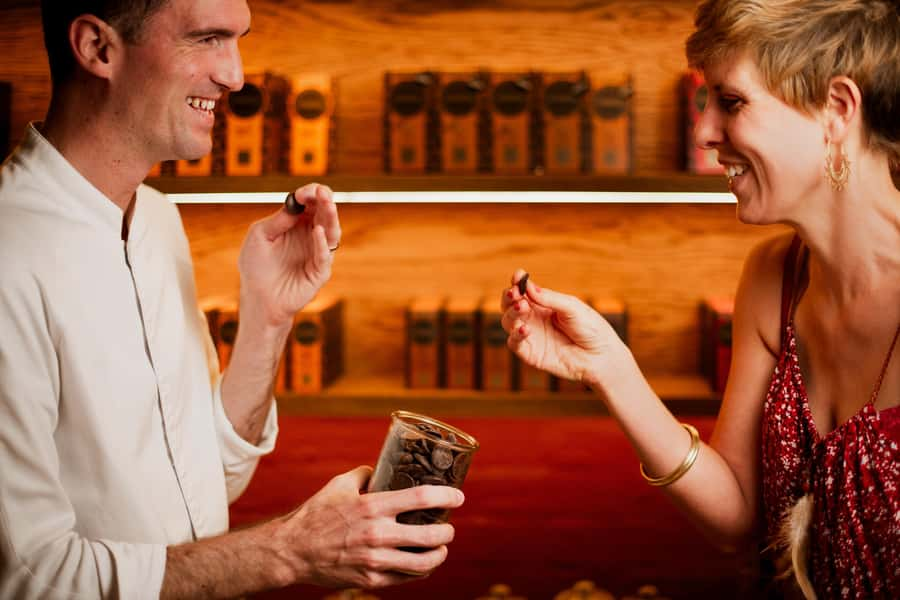
Reviewed · DRINKING TOURS
AFRIKOA Bean-to-Bar Chocolate Experience
If you like food that has a story, this AFRIKOA session is a fun, no-nonsense way to see bean-to-bar chocolate made step by step. It is short, focused, and centered on one thing: how cacao turns into the bar you get to taste.
I especially like two parts. First, you get a clear walkthrough of the whole chain, from fermenting and roasting to the final tempering step. Second, the focus on Tanzanian single-origin, heirloom cacao makes the tasting feel specific, not generic.
One thing to plan for: at just 30 minutes, it moves fast. If you want a long, slow classroom-style deep lesson, you may wish you had booked a longer experience.
Key things I think you will notice fast
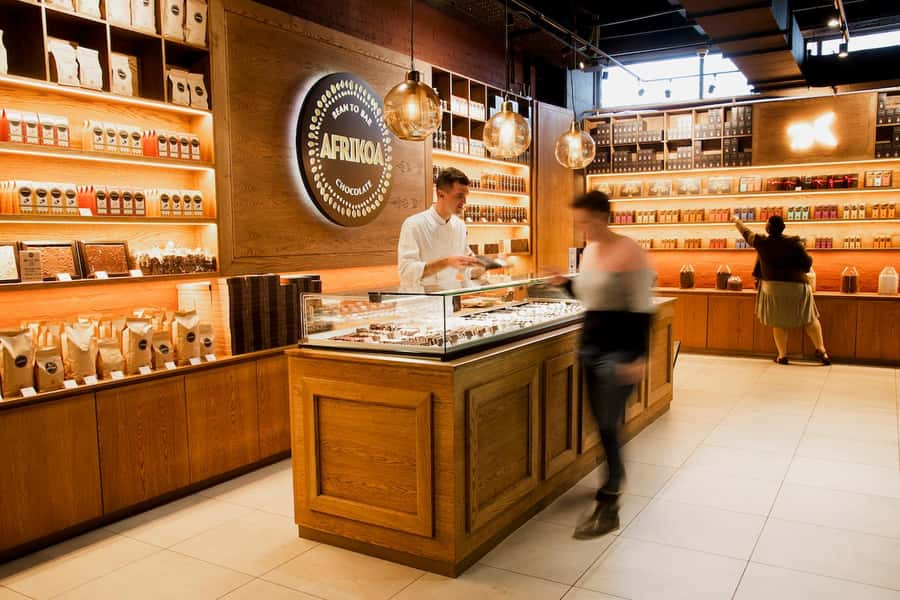
- 12 steps in one session, from fermenting through tempering, with live making of specific products
- Tanzanian heirloom, single-origin focus, so the flavors you taste have a place attached to them
- Hands-on-style sampling, so the learning lands in your mouth, not just your ears
- A gift-friendly shop stop, with unique chocolate products you can take home
- A short, practical duration, designed to fit into a Cape Town day without wrecking your schedule
Bean-to-bar in 30 minutes, what you actually get at AFRIKOA
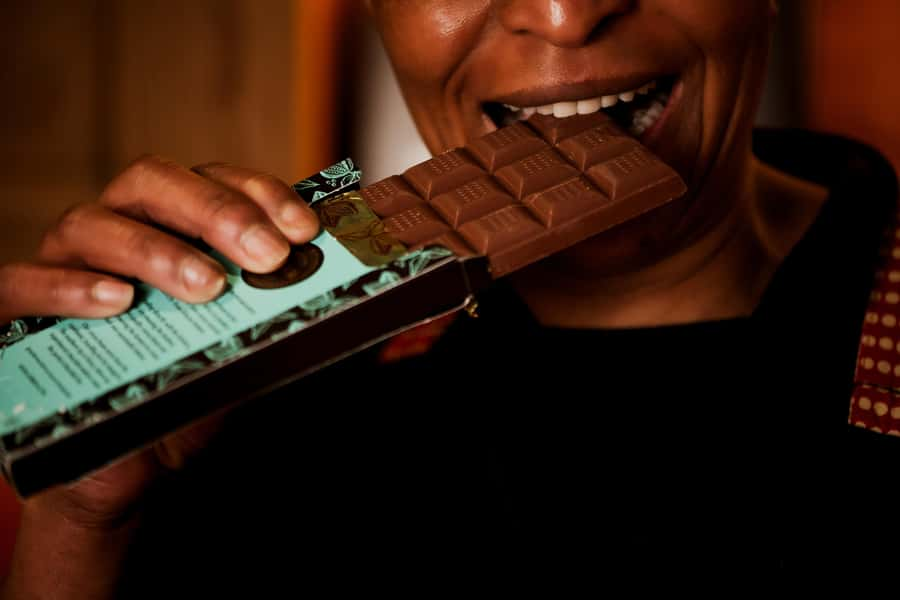
AFRIKOA’s bean-to-bar experience is the kind of activity that works even if you are not a hardcore chocolate nerd. You still get the real craft, not just a sales pitch. The session is designed around the full transformation of cacao beans, with a structured look at the process and then a tasting so you can connect each stage to what you notice in the final chocolate.
The session is only 30 minutes, so you should expect a tidy, teacher-led flow. You are not wandering for an hour. You are getting shown the sequence and how it affects flavor. The included sampling matters here. Many food tours leave you full of facts but light on sensory memory. This one tries to help you taste your way through the lesson.
Also, the vibe is built around the smell. You are told to follow it to the store, and that is exactly the kind of cue that helps the experience feel simple. You show up, walk in, and you are instantly in the right mood for chocolate.
Put these Cape Town options head to head
- Wine Tour: Paarl, Franschhoek & Stellenbosch incl 3 wineries
★ 5.0 · 3,940 reviews - Cape Town: Hop-On Hop-Off Bus Tour with Optional Cruise
★ 4.8 · 3,929 reviews - Cape Town: Cape of Good Hope & Penguins Day Tour with Pickup
★ 4.7 · 3,362 reviews
Meeting at Makers Landing (G11), and how to find it without stress
Your meeting point is straightforward: come directly into the AFRIKOA store, G11, in Makers Landing. The easiest tip is to go early enough that you are not rushing. Even if you already know where Makers Landing is, a few minutes of buffer makes the start feel calm.
You will also want to treat that first minute like part of the experience. The store is called out for its chocolate scent, and walking in with your senses already primed makes everything that follows easier to notice. You are going to hear about processes, sure, but you will also be paying attention to aroma and that warm, cocoa smell in the air.
Finally, remember the basics. The session is Wednesday to Sunday, between 10:00 am and 3:00 pm, and the last booking is at 3:00 pm. If you are building a day around it, aim to arrive with enough time to settle in, get oriented, and enjoy the full 30 minutes rather than catching it at the edge of a schedule.
The 12-step chocolate process, from Tanzanian cacao to tempering
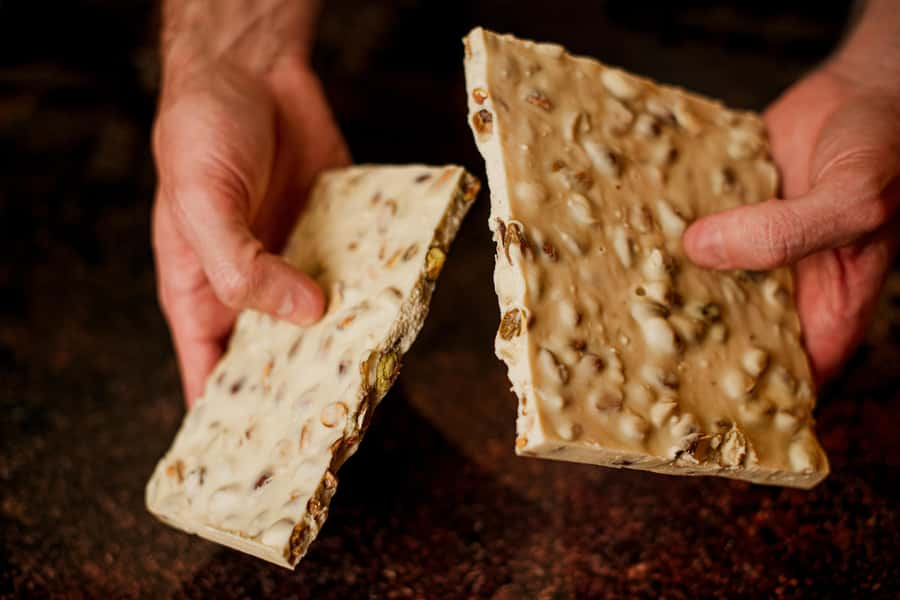
This is the heart of the experience. You learn how bean-to-bar chocolate is made through a sequence of stages that move cacao from raw seed to stable eating chocolate. The session covers the major steps: fermenting, drying, roasting, grinding, refining, conching, and tempering. It also frames the whole thing as a 12-step journey, which signals that the process is more than just roasting and calling it chocolate.
Here is what you will be thinking about as you watch and listen.
Fermenting and drying, where flavor starts forming
Fermenting is where cacao’s flavor potential gets unlocked. In plain terms, it helps develop the bean’s taste. Drying then stabilizes the beans and sets you up for roasting. If you ever wondered why some chocolate tastes more complex or less flat, this early stage is a big reason.
Something different for the Cape Town list:
- Zipline Cape Town – From Foot of Table Mountain Reserve
★ 5.0 · 3,179 reviews - Cape Town: Table Mountain Cable Car, Hop-On Hop-Off Bus Tour
★ 4.6 · 3,157 reviews - Cape Point and Boulder’s Penguins Full Day Tour
★ 5.0 · 3,118 reviews - From Cape Town: Big Five Game Reserve with Lunch
★ 4.6 · 2,409 reviews
Roasting, bringing out aroma and structure
Roasting drives aroma, reduces harshness, and helps set the flavor profile. It is often where people first start to understand chocolate as an art, not just a product. You are learning that heat is not just cooking. It is shaping.
Grinding, refining, and conching, turning beans into smooth chocolate
Grinding breaks down the beans. Refining makes the texture finer, so it is less gritty and more silky. Conching is often described as the smoothing and development stage, where flavors blend and the chocolate gets more cohesive. Even if the explanation is quick, you will likely notice how these steps connect to why good chocolate feels clean on the tongue.
Tempering, the final step for that proper snap
Tempering is the step that helps chocolate set correctly. In practical terms, it is what improves the eating experience by helping the chocolate behave properly at room temperature. If you want your chocolate to taste right and not feel off, tempering is the finishing move that matters.
Live making of specific products
You also get to experience the craft live as they create certain products during the session. I like this because it keeps the lesson from feeling purely theoretical. Watching any part of the process makes it easier to remember, and it is a nice change from the usual slideshow format.
Single-origin Tanzanian heirloom cacao, and why it changes your tasting
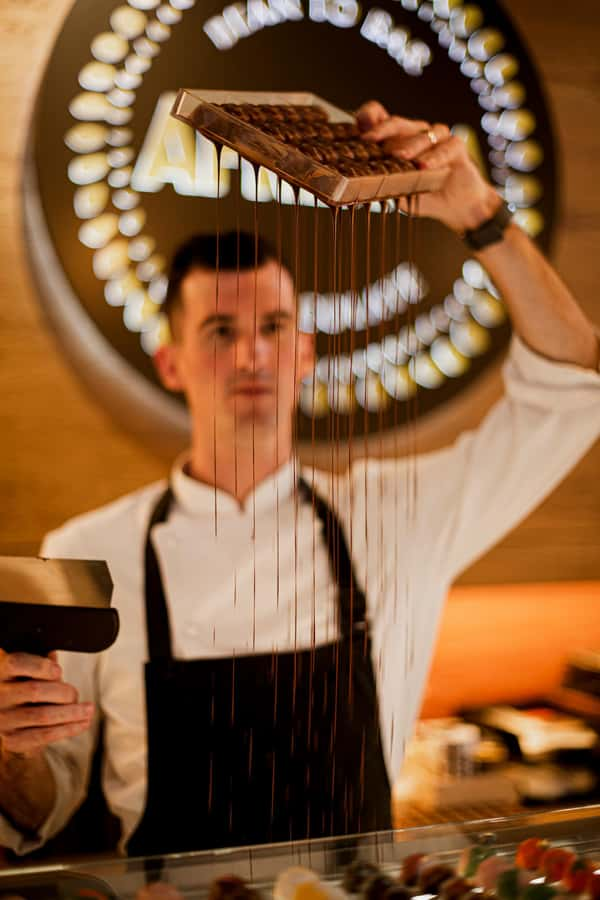
AFRIKOA’s story is built around single-origin chocolate and heirloom cacao beans sourced directly from Tanzanian farmers. In other words, the chocolate you taste is tied to a specific region of Tanzania rather than being blended to a generic profile. That matters because it changes what you are tasting.
When chocolate is single-origin, flavors tend to reflect agricultural and fermentation choices tied to that place. That gives you a more meaningful tasting moment. You are not just learning what chocolate is supposed to taste like. You are learning what this particular cacao tastes like.
Also, the session frames their approach as sustainability, transparency, and ethical practices. I do not think you should accept marketing at face value, but it is still useful context. When a company is working to trace cacao back to farmers and support more responsible practices, you can often taste the care in the final product, and you can also feel better about what you are buying later.
The tasting portion, what to pay attention to so it sticks
Since sampling is included, plan to taste with intention. This is not just a sip-and-smile situation. If you do a little mental checklist while you sample, you will get more value out of the 30 minutes.
Here is what to focus on:
- Aroma first: take a breath before the first bite. Cocoa smells can hint at fruit, nuttiness, or deeper roasted notes.
- Texture: note how it breaks, melts, and feels. Tempering and fine grinding show up here.
- Flavor sequence: taste, then pay attention to what appears right away and what lingers after swallowing.
- Bitterness and sweetness balance: some chocolates hit stronger cacao notes, while others feel rounder.
- Aftertaste: sometimes the best clue about origin is what stays with you.
The tasting also helps you understand the process you just watched. When they explain fermenting, roasting, and conching, it is easy to nod along. When you then taste and recognize smoother flavors or more aromatic notes, the lesson clicks.
One more practical point: at $13 per person, you are paying for the combination of craft education and included chocolate sampling. That is often better value than paying for a longer tour that gives you tasting but no clear sense of the actual workflow.
Price and value, is $13 worth 30 minutes
Let’s talk money in a way that helps you decide. At $13 per person for a 30-minute session, you are not buying an all-day production journey. You are buying focused time in a chocolate workshop setting, plus included samples.
So the value question is really this: will you enjoy learning the process and tasting it immediately?
If you like food experiences that are practical and you enjoy understanding how ingredients become a finished product, this price makes sense. You are getting the major stages in a structured way, and live making helps justify the time. If you are the type who wants hands-on stations, tools in your hands, and lots of product variety, this might feel brief. But the format is designed for people who want a compact, high-impact stop.
Also, check your timing. The session windows run Wednesday to Sunday, 10:00 am to 3:00 pm, and the last booking is at 3:00 pm. If you are trying to fit it into an already packed day, the 30-minute length is a plus, not a drawback.
What your schedule should look like, and how to fit it in
This is a good mid-morning to early afternoon activity. It lines up with normal sightseeing hours, and it does not force you into an evening plan. Because the day has fixed operating times and the final slot is 3:00 pm, I recommend booking earlier rather than squeezing it at the last moment.
Think of it like a “flavor workshop appetizer.” It pairs well with other Makers Landing activities, plus you can walk away ready to browse the shop for gifts. Chocolate makes a nice souvenir because it is edible and easy to pack, but you still want to buy after tasting, not before. Otherwise, you risk paying for something you have not tested in your own mouth yet.
Also, remember the pace. It is 30 minutes, so you should come ready to listen. If you want time to ask lots of questions, arrive a little early and keep your questions short and direct so you do not slow the group.
Who this experience suits best, and who should skip it
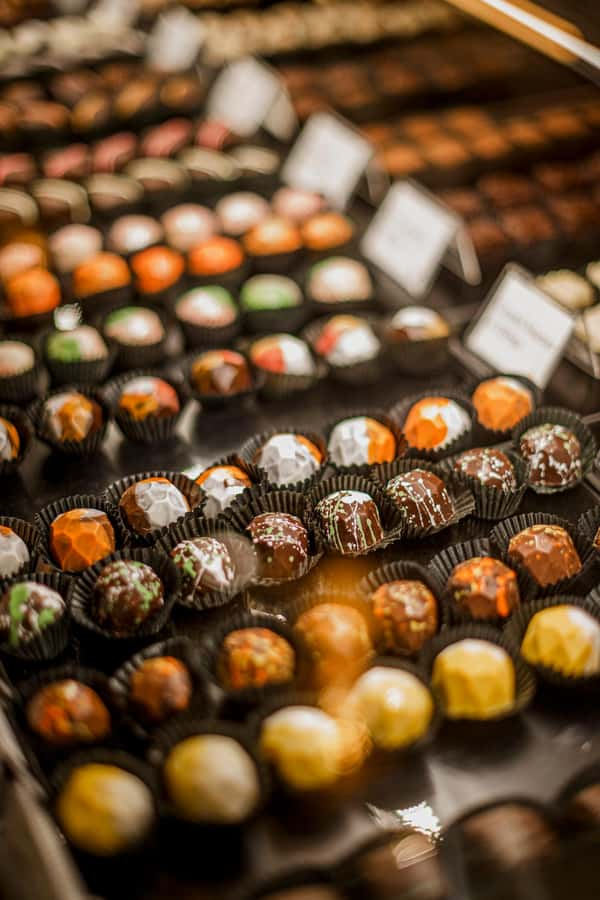
This fits best if you:
- like food craft and want an easy-to-follow explanation of the whole bean-to-bar chain
- enjoy tasting experiences where the learning connects to flavor
- want a take-home gift option from a focused shop
It is not the right choice if you:
- want a long, in-depth workshop with lots of hands-on stations
- are traveling with young kids. The experience is not suitable for children under 7 years
- want alcohol involved. Alcohol and drugs are not allowed
One more note I appreciate: the instructor is listed as English, and the experience is wheelchair accessible. That is helpful for planning. It also supports the idea that the session is designed to be clear and straightforward rather than technical in a way that excludes casual visitors.
Practical tips for the smoothest visit
Here are a few things that make the experience feel easier, and they come straight from how short and structured it is.
First, go with a small mindset shift. Instead of treating it like a quick stop, treat it like a focused lesson plus tasting. When you do that, you will remember more, and you will make better buy decisions after.
Second, come prepared to follow simple rules. No alcohol and no drugs. Keep it clean, keep it simple.
Third, if you are sensitive to strong food smells, expect chocolate scent on arrival. The store is known for it, and it is part of the experience.
Fourth, do not leave your tasting to chance. If you want to compare samples, do it in the moment. Once you walk away, your brain starts mixing notes, and you lose the sharpness of the flavor memory.
Finally, keep an eye on your language needs. This one is conducted in English, so if anyone in your group needs another language, plan ahead.
The shop and gift side, how to turn tasting into smart purchases
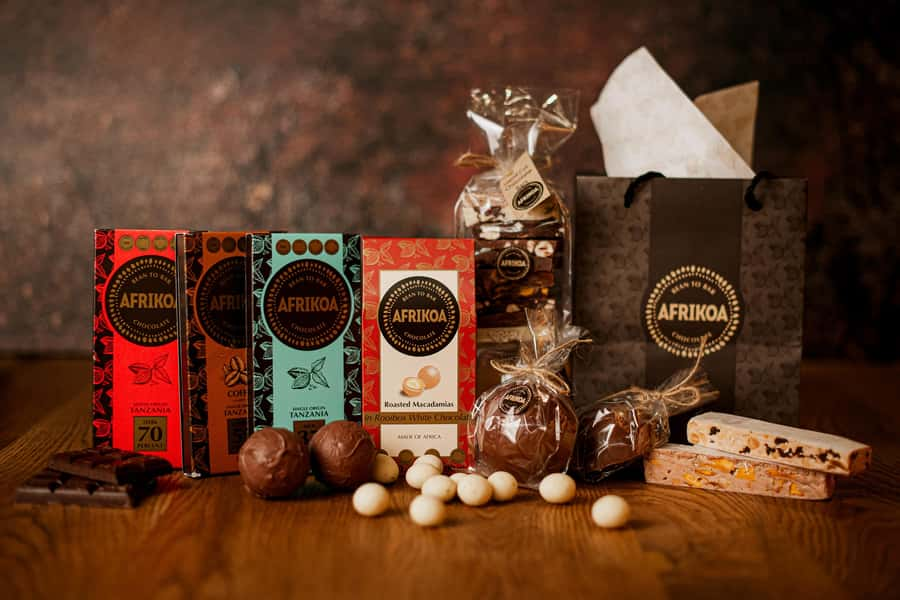
The experience includes time to sample and learn, and you also get access to a retail side where you can find unique products and gifts. The info is clear that additional products are available to buy, but they are not included in the price.
Here is how I approach gift buying after a tasting like this:
- Buy after you taste, not before. Your palate is your best guide.
- Think about who you are gifting. Some people prefer sweeter styles, others like cacao-forward bars.
- Stick to what matches the flavors you noticed during sampling.
Because this is an origin-focused, single-origin style of chocolate, buying one or two thoughtful items can feel more meaningful than grabbing random chocolate assortment. The taste has a geographic story tied to it, and that makes souvenirs feel more personal.
Final call: should you book this bean-to-bar session?
Book it if you want a compact, high-quality chocolate lesson that ends with real tasting. At $13 for 30 minutes, it is good value when you care about how the process affects flavor and you want a souvenir you can choose confidently after sampling.
Skip it if you are hoping for a long, hands-on workshop day or if you need a kids program. This is built for short, clear learning, and it has firm suitability rules.
My bottom line: if you will actually pay attention during the 12-step walkthrough and you enjoy comparing flavors, you will leave with both better chocolate understanding and a more satisfying purchase.
Newest reviews around Cape Town
- Cape Town: Half-Day Guided City Sightseeing Tour by Bus★ 4.8 · 7 reviews
- Cape Town to Cape Point Private Day Tour★ 4.5 · 7 reviews
- Abseiling Table Mountain★ 5.0 · 7 reviews
- Table Mountain Group Hike – Solo Travelers welcome★ 4.1 · 7 reviews
- Private Tour:Cape of Good Hop>Chapman’s >Penguin>Seal island★ 5.0 · 7 reviews
- Pre-Booked Ticket Robben Island Half-Day Tour from Cape Town★ 2.8 · 7 reviews
- Cape Town Airport and Hotel Private Transfers★ 5.0 · 7 reviews
- Table Mountain, Boulder’s Penguins & Cape Point Private Tour★ 4.5 · 7 reviews
Drinking Tours, compared.

Private Day Tour to Cape Point , Penguins, Wine or Beer Tasting
Read our review →

Wildlife Safari, Olive, Beer/Wine Tasting Day Tour from Cape Town
Read our review →
Hermanus Land based Whale Tour with Dave de Beer
Read our review →


Browse the lists this tour appears in