
Reviewed · FOOD & DRINK
African Food and Storytelling Tour Cape Town City Centre
This is an African food and storytelling walking tour that treats Cape Town’s inner streets like a living classroom. I love how it pairs real neighborhood food with public spaces and history, and I especially like that the guide’s storytelling often includes names you might hear firsthand like Dennis or Tawanda. One possible drawback: you need to be comfortable walking between stops and tasting multiple foods in a 2 to 3 hour window, so if you want a slow sit-down meal, this may feel fast.
It’s also more than eating. You’ll see how Church Square, Grand Parade, markets, and community spaces connect to entrepreneurship, daily informal trade, and even the effects of gentrification on city life. The max group size is 10, which helps keep things friendly and question-driven.
Key Highlights You’ll Feel From Stop to Stop
- Eight stops across Cape Town’s city core, with plenty of time to ask questions
- Three food moments: two warm shared meals plus a snack tasting with warm and cold beverages
- Somali food culture meal with spiced tea, plus an East-West African flavor thread
- Cape Malay and Creole bites tied to colonial-era layers at the Old Post Office area
- West African cuisine focus (Mali) and a community angle on why food connects people
- Local business stories around markets and small operators, including fabrics and textiles
Why This Tour Works in Cape Town City Centre
Cape Town’s city centre can feel like it’s all motion and traffic until someone slows you down and explains what you’re actually seeing. This tour does that by using food as your guide, then widening the lens to include where people gather, how trade works, and how small businesses survive and adapt.
I like the smart pacing. It’s not one long, never-ending queue. It’s a walk through key squares and markets, then a few concentrated food stops where you actually sit, taste, and listen. You get the sense of place without needing to do homework first.
Also, the focus on African owned food businesses matters. Instead of just sampling dishes, you’re learning the stories around the food, and how those dishes traveled, changed, and became part of Cape Town’s everyday life.
More Food Tours in Cape Town
- Cape Town: Full-Day Winelands Tour with Wine Tastings & Food
★ 4.9 · 1,288 reviews - The Cape Town Essentials Food Tour
★ 5.0 · 385 reviews - The 10 Tastings of Cape Town With Locals: Private Food Walking Tour
★ 4.5 · 169 reviews
First Stop: Church Square Meet-Up at Jan Hendrik Hofmeyr
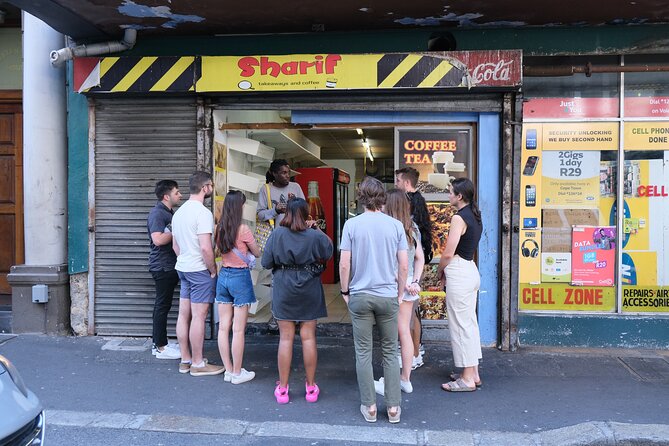
You start at Church Square, right in the city core, at the statue of Jan Hendrik Hofmeyr. The tour notes you should meet directly across from McDonald’s, at the spot where Parliament and Spin Street meet.
That detail is useful because Cape Town can have lookalike place names. The tour specifically warns not to head to Church Square in Woodstock, so take a minute to double-check your map pin before you leave your hotel.
This opening matters because Church Square is South Africa’s second oldest public square. You’re not just gathering, you’re being oriented. The guide uses the space to set up the theme: public squares are where city life happens, including daily informal food trade and small business activity.
Somali Food Culture and a Shared Warm Meal
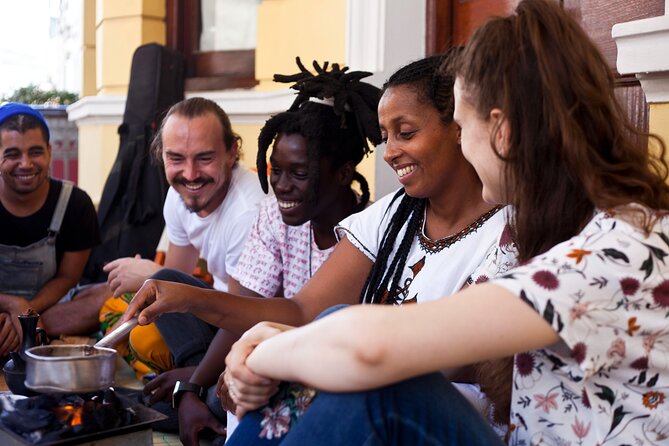
After the welcome, you head to a shared warm East African meal connected to Somali food culture. This is one of the tour’s two main warm food moments, and it’s designed to be social, shared, and chat-friendly.
You’ll taste signature Somali dishes and spiced tea. Then you’ll connect the food to the flavors, traditions, and everyday choices that make Somali cuisine recognizable.
The real value here is context. Even if you’re not deeply familiar with East African food, the guide frames what you’re tasting so it doesn’t feel like random bites. You learn what makes the flavors distinctive, then you can spot those characteristics again later in the tour.
If you’re cautious about spice levels, you can still participate. Tea and warm shared food make this stop easier to manage, and you can pace yourself before the next walk.
Old Post Office Area at Golden Acre, Cape Malay Bites
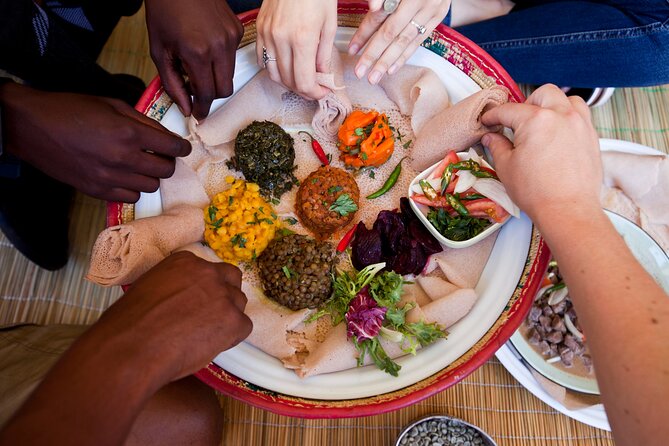
Next comes a stop at the Golden Acre Shopping Centre area, with a focus on the historic Old Post Office. Here the tour mixes colonial-era layers with how public space evolves over time.
You meet small food vendors, then enjoy Cape Malay or Creole snacks as a snack tasting. There’s also a mix of warm and cold beverages, which is a smart move when you’re walking between spots.
The practical advantage: this stop gives you variety without requiring another full sit-down meal. It’s a palate reset and a story pause, plus you’ll likely see how second-hand books fit into the local scene since the tour includes time to browse them.
If you’re the type who likes to bring home more than food, this is also where shopping can sneak in naturally, without turning the tour into a retail detour.
Something different for the Cape Town list:
- Wine Tour: Paarl, Franschhoek & Stellenbosch incl 3 wineries
★ 5.0 · 3,940 reviews - Cape Town: Hop-On Hop-Off Bus Tour with Optional Cruise
★ 4.8 · 3,929 reviews - Cape Town: Cape of Good Hope & Penguins Day Tour with Pickup
★ 4.7 · 3,362 reviews - Zipline Cape Town – From Foot of Table Mountain Reserve
★ 5.0 · 3,179 reviews
Grand Parade and Mandela Balcony, Street-Level History
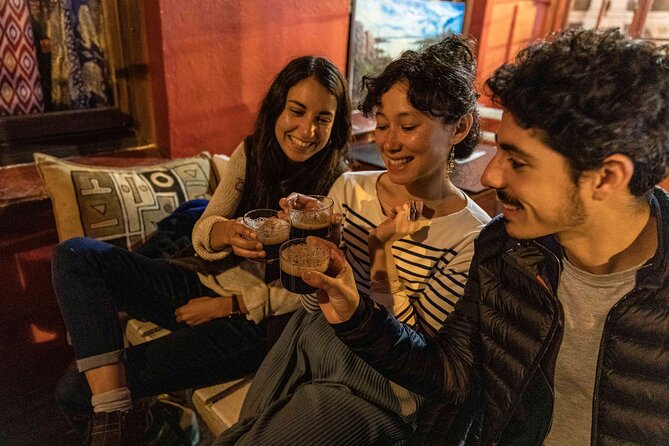
Grand Parade is South Africa’s oldest public square, and it’s one of those places where history isn’t in a museum. It’s in the layout, the movement, and the way people use the space.
You’ll walk the square and pause at the iconic Mandela balcony at City Hall, where Nelson Mandela delivered his first public address after his release from prison. The tour ties this to contemporary South African politics, so it’s not just a photo moment.
Then the tour adds a day-to-day layer. As you walk through Grand Parade, you’ll hear stories about informal food vendors who trade there daily. This is where the tour gets unusually grounded. It links “big history” to the practical reality of people earning a living, cooking, and feeding the city.
This stop can be especially meaningful if you like your travel with some political and social context. If you prefer only culinary stories, it can still be worth it, because it explains why markets and vendor culture are so central to city life.
Adderley Street Flower Market: One of the Oldest Open-Air Markets
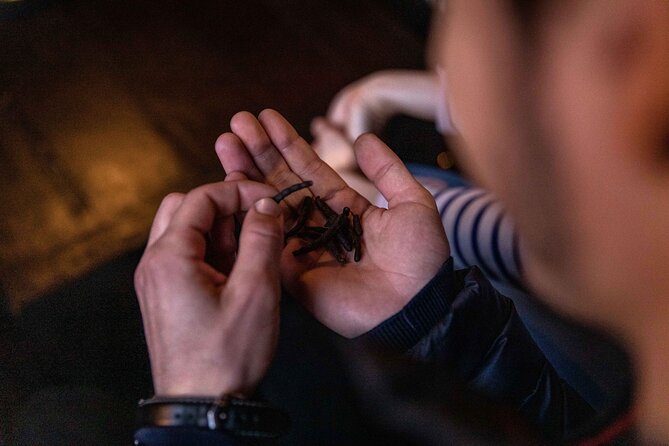
From squares, you shift into a market experience at Adderley Street, exploring one of the oldest open-air markets in South Africa. The tour frames it as the oldest flower market in Southern Africa, and you’ll get a chance to greet vendors as you walk through.
Flowers sound like a side quest until you experience it in place. Market life tells you how people move, what they value, and what “everyday commerce” looks like when it’s older than most tourists’ routes.
This stop also gives you a breather between food tastings. It’s a change of pace and a chance to stretch your legs and take photos before the final food and community moments.
Greenmarket Square and West African Community, Plus Fabrics
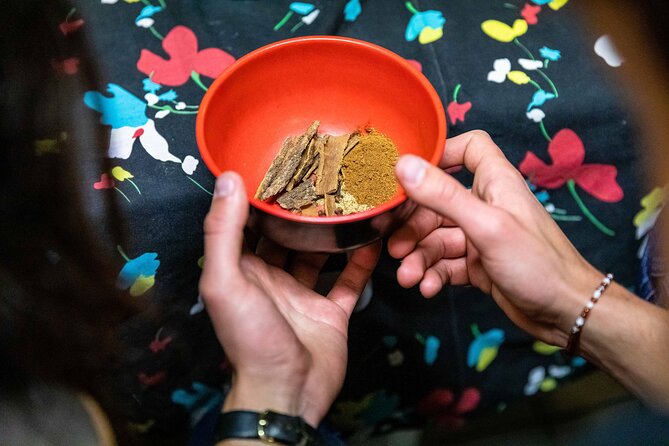
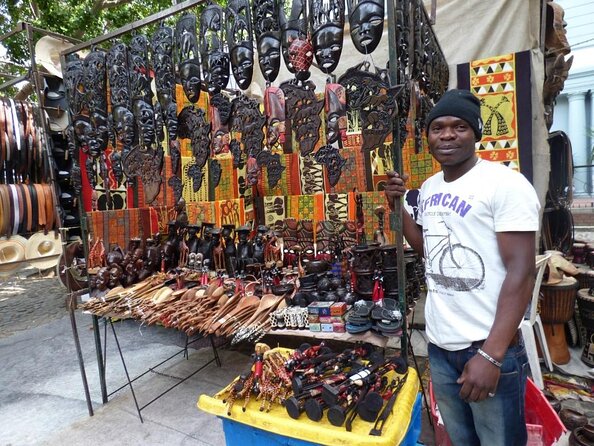
Then you arrive at Greenmarket Square, Cape Town’s third oldest public square and a major hub for informal African traders and entrepreneurs. This is the moment where the tour’s theme feels most “alive,” because you can see the variety of people and products in one place.
The tour also uses this space to focus on Cape Town’s West African community. You’ll have time to browse for souvenirs if you want, and the guide may point out options that connect to textiles and African fabrics.
If you’re interested in fabrics, the tour includes a pass by a favorite Senegalese tailor known for African textiles. Even if you don’t buy anything, it’s a great way to understand how craft and clothing fit into identity, trade, and everyday style.
This is a stop where your curiosity really drives the experience. Ask questions about meanings, materials, and sourcing, and you’ll likely get answers that go beyond price tags.
West African Cuisine Tasting From Mali at the Second Warm Meal
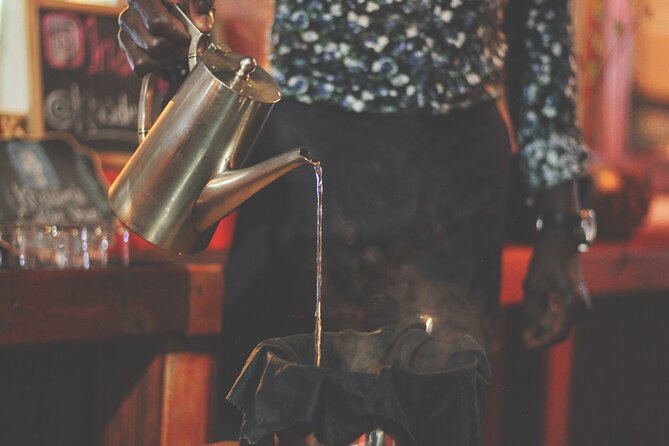
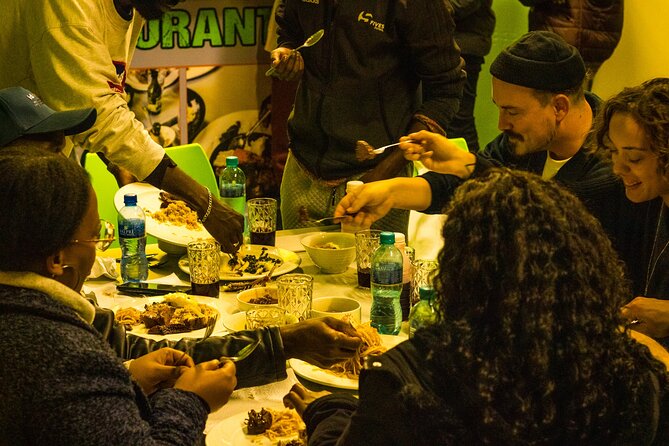
Back in Cape Town’s food rhythm, you’ll enjoy the tour’s second warm shared meal. This one introduces West African cuisine with a Mali focus.
The guide explains how African cuisine can unite people, and that idea shows up through tasting. You get to see how shared meals turn differences into something you can enjoy in the same sitting.
This is a high-value stop because you’re not just repeating the East African experience. You’re crossing into a new set of flavors and dishes, then linking it back to the broader story of African foodways in Cape Town.
If you’re traveling with someone who doesn’t always love food tours, this is the place where they usually get excited, because the meal format makes it easy to participate even if they’re picky.
Methodist Mission Pause for Tea or Coffee and a Treat
Near the tour’s end, you arrive at the Methodist Mission, described as a welcoming space where people from all walks of life gather daily. The guide connects it to community activism and social justice history, positioning it as a community “beating heart” within Cape Town’s inner city.
You pause here for tea or coffee and a treat. This is more than a rest break. It gives you a moment to slow down, digest what you’ve learned, and reflect on how spaces like this support everyday community work.
I like that the tour doesn’t rush this part. By now, you’ve walked through squares and markets, tasted a lot, and heard stories about entrepreneurship. The mission stop brings it back to human scale.
Walking the Whole Thing, Then Ending on Greenmarket Square
The whole tour runs about 2 to 3 hours and includes eight stops. You’re walking between them, so good shoes matter. Also, you’ll likely eat enough that you should treat this as your main late lunch or early dinner plan, not a side snack.
The tour uses a mobile ticket, and it ends on foot at Greenmarket Square. From there, it’s practical to take your own transport option, and the tour specifically recommends Uber because city-centre parking can be limited.
Guides, Group Size, and How to Get the Most Out of It
The group size max is 10, which is a big deal. Smaller groups make it easier to hear the stories and ask questions without constantly competing for attention.
The reviews attached to this kind of tour highlight a common thread: guides who tell stories in a way that pulls you in. Names that come up include Dennis, Tawanda, Sifiso, and Fez. If you get one of those guides, you should expect a friendly, question-based pace where you’re encouraged to engage.
Here’s how to get the best version of the experience:
- Come hungry and drink water before you start, so tastings feel fun instead of overwhelming
- Ask about spice, ingredients, and how dishes differ from what you’re used to
- If you like shopping, set a small budget early, since textiles and souvenirs show up naturally
Value for Money: What $92.02 Buys You
At $92.02 per person for a 2 to 3 hour tour, you’re paying for more than a list of dishes. You’re paying for access, context, and introductions that would take time and confidence to recreate on your own.
You get:
- Two warm shared meals (not just bites)
- A snack tasting with warm and cold beverages
- Eight stops that connect food to public squares, markets, and community spaces
- A small group experience designed for storytelling and questions
If you plan your day well, this can be excellent value because it can replace multiple meals. One of the most practical benefits of tours like this is that they prevent you from wasting your limited vacation hours guessing where to eat and what to order.
Who This Tour Is Best For
This is ideal if you want African food and culture tied to Cape Town city centre streets. It fits travelers who like real local businesses, markets, and history connected to daily life, not just monuments.
It’s also a strong fit for curious couples and small groups. With a max of 10, the vibe stays personal rather than chaotic.
If you’re only interested in a simple tasting menu and hate walking, you might want to skip it. The tour is built for movement, and the story component is part of the point.
Should You Book This African Food and Storytelling Tour?
I’d book it if you want a food experience with strong city context, not just food samples. It’s especially worth it early in your trip, so you can turn what you learn into future restaurant choices while you’re still in town.
I would hesitate only if you dislike walking, hate trying new foods, or want a totally relaxed sit-down meal with no time pressure. But if you’re willing to be curious, this tour has the ingredients for a memorable Cape Town day: shared meals, market energy, and stories that connect African food to the city you’re seeing right now.
FAQ
Where does the tour start and where does it end?
The tour starts at Church Square at the statue of Jan Hendrik Hofmeyr, across from McDonald’s in Cape Town city centre. It ends at Greenmarket Square, and the tour finishes on foot.
How long is the tour, and how many stops are included?
The tour runs about 2 to 3 hours and includes eight stops.
What kinds of food are included?
There are three food experiences total: two warm shared meals and one snack tasting. The snack tasting includes both warm and cold beverages.
What is the tour price?
The price is $92.02 per person.
What group size should I expect?
The tour has a maximum of 10 travelers.
What ticket format do I need?
You’ll receive a mobile ticket.
Is this tour affected by weather?
Yes. It requires good weather, and if it’s canceled due to poor weather, you’ll be offered a different date or a full refund.
Can I get a refund if I change my plans?
Free cancellation is available. You can cancel up to 24 hours in advance for a full refund, and cancellations within 24 hours are not refunded.
How physically active is this tour?
It’s a walking tour, and it calls for travelers with a moderate physical fitness level.
Newest reviews around Cape Town
- Cape Town: Half-Day Guided City Sightseeing Tour by Bus★ 4.8 · 7 reviews
- Cape Town to Cape Point Private Day Tour★ 4.5 · 7 reviews
- Abseiling Table Mountain★ 5.0 · 7 reviews
- Table Mountain Group Hike – Solo Travelers welcome★ 4.1 · 7 reviews
- Private Tour:Cape of Good Hop>Chapman’s >Penguin>Seal island★ 5.0 · 7 reviews
- Pre-Booked Ticket Robben Island Half-Day Tour from Cape Town★ 2.8 · 7 reviews
- Cape Town Airport and Hotel Private Transfers★ 5.0 · 7 reviews
- Table Mountain, Boulder’s Penguins & Cape Point Private Tour★ 4.5 · 7 reviews
Food & Drink, compared.

Full-Day Winelands Tour with Wine Tastings & Food
Read our review →


Stellenbosch & Franschhoek 20 Wine Tasting + Lunch Shared Tour
Read our review →

Browse the lists this tour appears in