
Reviewed · KRUGER NATIONAL PARK TOURS
Moholoholo Rehabilitation Centre
Moholoholo Rehabilitation Centre is interesting because you are not watching animals from far away. You are getting a guided look at how injured, abandoned, and poisoned wildlife is treated, and how conservation work plays out on the ground.
I especially like the close observation of the animals in the rehab setting, paired with an educational focus. I also like that this is a small group experience with a live English guide, so you can actually follow the story behind each animal.
One consideration: this is a working rehab facility, so you will hear and see real cases where animals need serious help. If that kind of information feels heavy for you, plan your mindset going in.
Key things to know before you go
- Up-close rehab viewing, not a distant viewing experience
- Guided education focused on conservation challenges wildlife faces
- A mix of outcomes: some animals can be released, others need permanent care
- Small group setting capped at 10 participants for a more personal tour
- Comfort matters with advice to wear closed shoes and bring layers for Limpopo weather
Why Moholoholo feels different from a typical wildlife stop
A lot of wildlife experiences are built around spotting and photographing. Moholoholo is built around something more practical: care. You are walking through a place created for the rehabilitation of wildlife, and you are learning why this work is needed in today’s world.
The centre treats cases where animals have been injured, abandoned, or poisoned. That means your visit is not about fantasy encounters. It is about understanding what goes wrong, what trained caretakers can do, and what it means when release back into the wild is not possible.
I like that the experience stays honest about outcomes. Some animals can be rehabilitated and released, but some cannot. Moholoholo also provides a permanent home for these animals, so you get a fuller picture of what conservation really takes, not just the success stories.
More Kruger trips:
- Kruger National Park Full Day Private safari
★ 5.0 · 799 reviews - Kruger National Park – Private full day Safari trip.
★ 5.0 · 347 reviews - From Hazyview: Kruger National Park Full-Day Safari
★ 4.8 · 205 reviews
Matumi Destinations pickup, car ride, and how the day flows
The experience runs about 4 hours total, with transfers included. You get collected from Matumi Destinations, and the drive takes you to the rehab centre directly. After the tour, you are taken back to the same collection point.
Because the tour group is limited to 10 participants, the schedule feels controlled. You are not stuck waiting around with a long, slow moving crowd, and you are guided through the time window with a clear pace.
The good part of the setup is simplicity. If you are staying in Hoedspruit, the transport removes the hassle of coordinating a separate plan. The drawback, if you prefer full control of your timing, is that you are working within the tour’s set departure and return window.
The guided tour inside the rehab centre (and what you’ll actually learn)
The guided portion takes about 1.5 hours at the centre. This is where Moholoholo’s focus really shows. You are not just walking through a facility. You are getting a guided explanation of what the animals need and why each case is different.
Expect to spend time observing animals up close within the rehab environment. The centre is designed for wildlife care, so the animals you see are there because they require help. Some are working through rehab with the goal of being returned to the wild. Others are staying in permanent care, which is part of the centre’s mission.
What makes this educational piece click is the conservation angle. The guide explains the challenges wildlife faces, and it connects those challenges to what happens at the facility. You start seeing rehab as part of a bigger conservation system, not a one-off rescue event.
A small detail I would treat as a big one: the tour is in English, which matters here. Rehabilitation care and conservation problems involve real terms and real decisions. Having a live guide who can clarify what you are seeing makes the whole thing more meaningful, and helps you leave with understanding instead of just photos.
Conservation lessons that stick after you leave
Moholoholo tries to educate visitors about conservation, and that education is not generic. It is grounded in what the animals at the centre represent: injured, abandoned, and poisoned wildlife.
That framing matters, because it changes how you interpret the animal you are looking at. Instead of treating wildlife as a backdrop, you start thinking about the human-related pressures that can harm animals and the work needed to respond.
I also like the honesty about permanent care. It prevents the visit from feeling like a feel-good story with a tidy ending. Conservation is not just about release. It includes long-term responsibility when an animal cannot return to the wild.
If you want a wildlife experience that teaches more than it shows, this is a strong fit. You walk away with a clearer sense of why rehab centres exist and how they contribute to wildlife conservation by giving animals the chance they need.
Something different for the Kruger National Park list:
- Hoedspruit: Blyde River Canyon Dam Boat Cruise
★ 4.7 · 196 reviews - Kruger National Park sunrise Morning Private safari
★ 5.0 · 185 reviews - From Johannesburg: 3-Day Budget Tent Kruger Park Safari
★ 4.5 · 163 reviews - Hazyview: 2.5-Hour Sabie River Zip Line Experience
★ 4.8 · 160 reviews
Price and value: is $40 per person worth it?
The price is $40 per person, and the time commitment is about 4 hours including transfers. For many visitors, the value is not only the guided access. It is the combination of transport plus a guided entrance experience focused on conservation education.
Here is how I think about the value:
- You get transfers to and from the centre, so you are paying for a full, organized half-day experience.
- You get a live English guide and a structured tour of about 1.5 hours inside the centre.
- You join a small group capped at 10, which usually makes questions easier and the experience less rushed.
Also, the centre has a strong overall rating of 4.5 out of 5 based on 11 ratings. I do not treat ratings as a substitute for checking fit, but it does suggest people tend to feel they got something worthwhile.
If you enjoy hands-on education and want to understand conservation challenges directly, $40 does not feel outrageous for an organized, guided, half-day outing that includes transport.
What to bring and how to dress for a comfortable visit
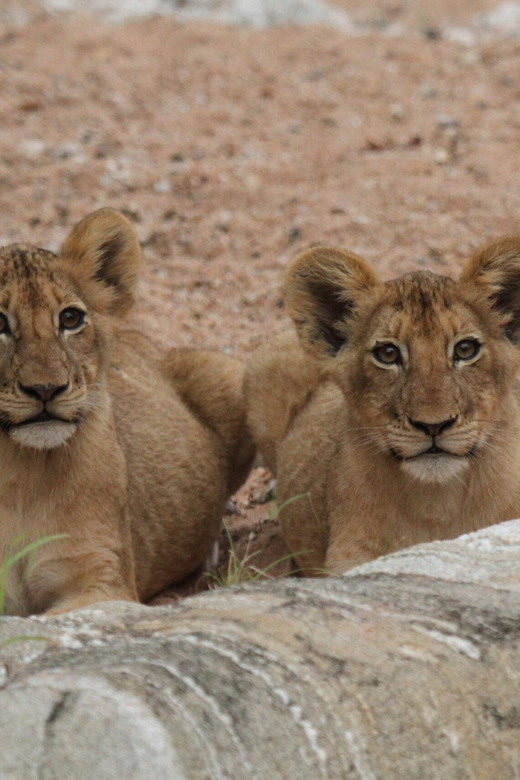
Moholoholo is in Limpopo, and weather can change how pleasant your time outside feels. The centre’s guidance is clear about what you should pack.
Bring:
- Passport or ID card
- Sunglasses
- Sun hat
- Camera
- Sunscreen
Wear:
- Closed shoes (important for a practical, safe visit)
- A warm jacket for winter months
- A rain jacket for summer months
My practical advice: treat clothing as part of the experience. If you show up with just light footwear, sunglasses, and no layers, you will spend part of the tour thinking about comfort instead of focusing on what the guide is explaining.
Tips to make the most of a small-group, guided visit
Because this is limited to 10 participants, you have a better chance of getting clarity than on bigger tours. I recommend you come in ready to ask simple questions, especially about what you are seeing and what rehab decisions mean.
Also, slow down your camera habits. The animals are the star, but the educational value comes from listening. If you constantly raise the camera, you can miss the explanations that turn the visit from sight-seeing into learning.
A last tip: wear closed shoes and plan for the weather. That sounds basic, but it is what helps you stay present when the tour moves at a steady pace for about 4 hours total.
Who this tour is best for
This experience fits best if you:
- Like conservation education and want real context, not just a quick animal encounter
- Prefer a small group setting where the guide can explain what you are seeing
- Are comfortable visiting a working wildlife rehabilitation facility where animals are there because they need help
It is also a good option if you are based in the Hoedspruit area and want a half-day activity with transport handled for you.
If your ideal wildlife trip is only about spotting healthy animals in open spaces, this may not match your expectations. Moholoholo is about rehabilitation and care, which has a different emotional tone than a classic safari.
Should you book Moholoholo Rehabilitation Centre?
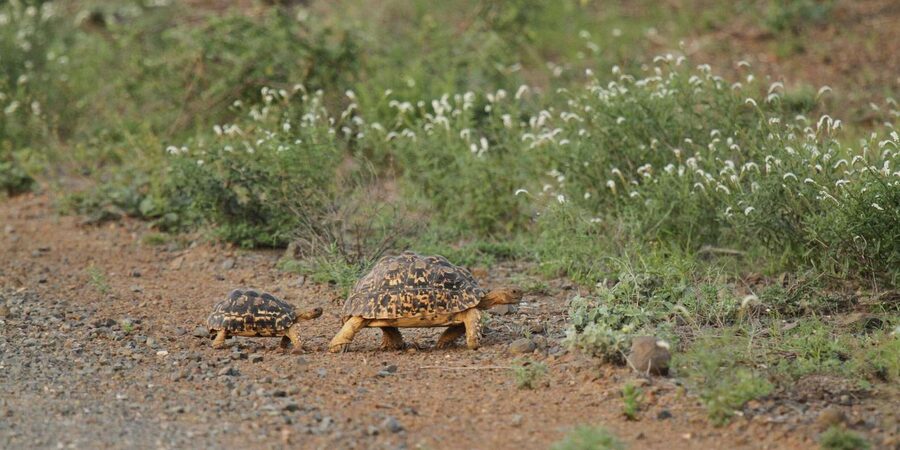
I would book Moholoholo if you want a meaningful wildlife experience with a guided conservation lesson and up-close viewing that stays grounded in reality. The small group limit, the English guide, and the included transfers make it easy to fit into a Hoedspruit stay without extra planning.
I would think twice only if you know you get overwhelmed by stories tied to injury, abandonment, or poisoning. If you can handle that reality and you want to understand what conservation work looks like, this is a strong, practical choice for your time in Limpopo.
FAQ
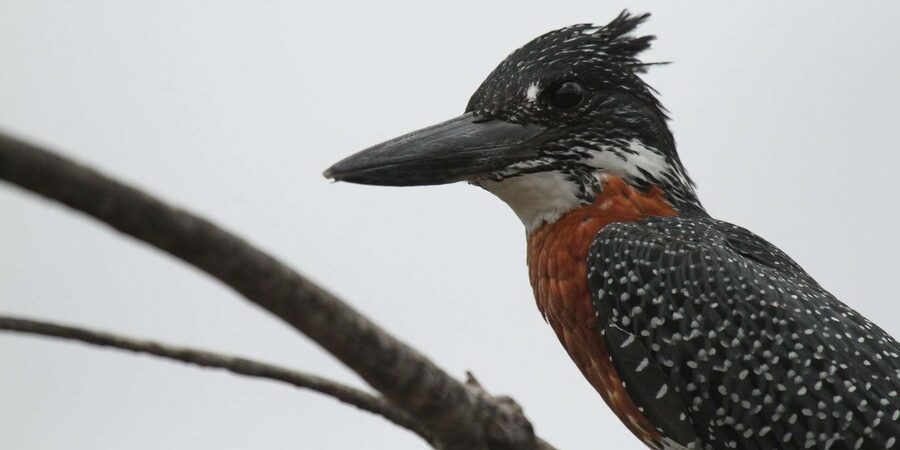
Where does the tour depart from?
You depart from one of the three main retail centres in Hoedspruit, including Matumi Destinations.
How long is the full experience?
The total duration is about 4 hours.
How long is the guided tour at Moholoholo?
The guided tour lasts about 1.5 hours at the centre.
Is the tour guide available in English?
Yes, the live tour guide is English.
How many people are in the group?
This is a small group limited to 10 participants.
What is included in the price?
The price includes transfer to and from Moholoholo Rehabilitation Centre, plus the entrance fee for guided tours.
How much does it cost per person?
It costs $40 per person.
What should I bring?
Bring a passport or ID card, sunglasses, sun hat, camera, and sunscreen. Wear closed shoes.
What if I need to change my plans?
You can cancel up to 24 hours in advance for a full refund, and you can reserve now and pay later to keep plans flexible.
Newest reviews around Kruger National Park
- Johannesburg: 3-Day Panorama Tour with Kruger Park Safari★ 5.0 · 7 reviews
- Boat & Safari Combo – Blyde Dam Boat Cruise & Private Safari★ 4.5 · 7 reviews
- Full-Day Panorama Tour from Hazyview★ 5.0 · 7 reviews
- 5-Day Kruger National Park Safari including Breakfast and Dinner★ 4.5 · 7 reviews
- Private Guided Panorama Full Day Tour★ 5.0 · 7 reviews
- Kruger National Park: 3 Day Safari Tour★ 5.0 · 7 reviews
- From Hazyview: Panorama Tour Highlights★ 4.3 · 7 reviews
- Day Tour of Maputo city (Min. 2 pax)★ 5.0 · 7 reviews
Kruger National Park Tours, compared.
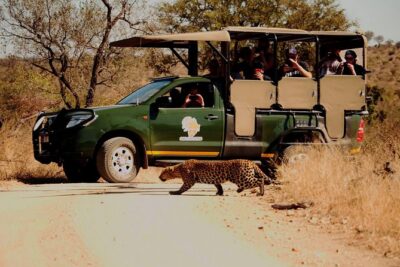
Kruger National Park sunrise Morning Private safari
Read our review →
Browse the lists this tour appears in