
Reviewed · HISTORICAL TOURS
Stellenbosch: Guided Historical Walking Tour
A historic town walk is interesting when it gives you more than photos. This Stellenbosch historical walking tour turns the streets into a timeline you can actually follow, from Simon van der Stel’s river camp to the 18th-century fires that nearly erased the place.
I really like how the guides bring the town to life. people keep mentioning Johan and Marlene for clear, funny storytelling and for answering questions without rushing you. I also like the way the route mixes “big” landmarks with small details, like the shaded oak avenues and the places where local lore hangs around.
One drawback to consider: it is still a walking tour. Plan for 90 minutes on town streets, bring comfortable shoes, and accept that weather can affect how you enjoy it.
Key highlights
- Mill Stream furrows and the village of the oaks set the scene fast
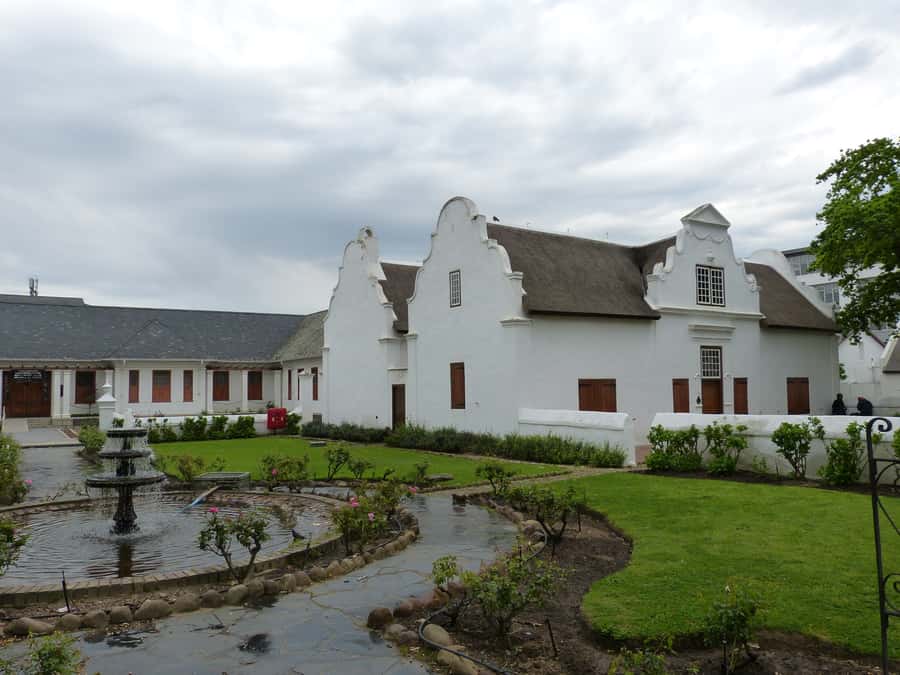
- Cape Dutch architecture comes with stories, not just labels
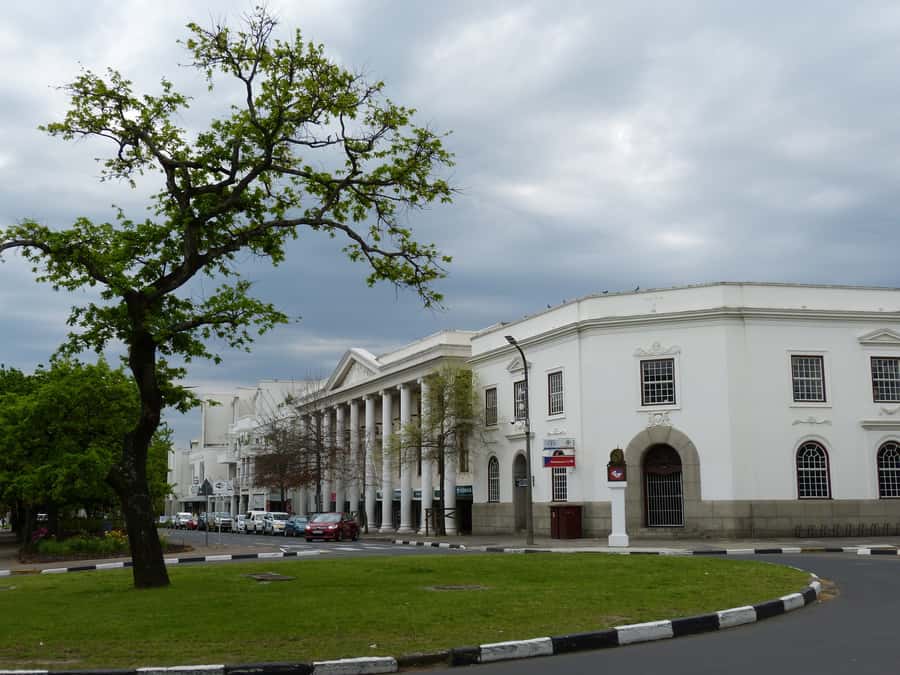
- Braak (village green) and the triangle of historic buildings give you a feel for town planning
- Dorp Street is one of those places where you understand why it mattered early on
- Angel Factory and Moederkerk graveyard add local character and spooky color
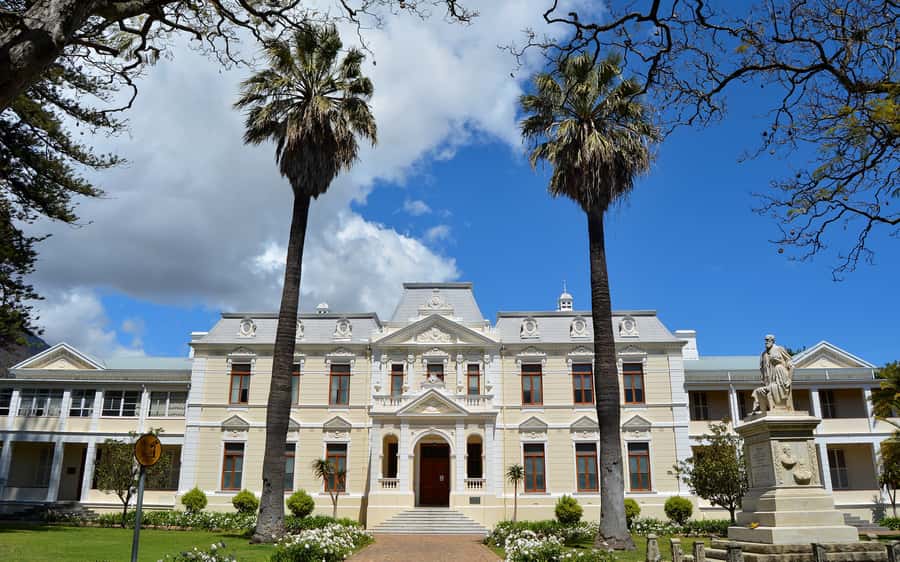
- Stellenbosch University alumni ties the town’s past to leaders in politics and sport
Walking where history still shows up on the street
Stellenbosch has that rare feel of a university town that also wears its colonial-era layers in plain sight. The big difference on this tour is that you do not just see the old buildings. You learn how and why they ended up where they are, and what changed when fires, politics, and people reshaped the town over centuries.
The route leans hard into the town’s physical details. You start with the “village of the oaks” idea, walking under shaded avenues bordered by water furrows from the Mill Stream. That matters, because it helps you understand how daily life worked, not just what happened on paper.
At the heart of it, you get a guided story of four centuries, with a steady balance of serious history and lighter local lore. The guides are praised for a friendly, engaging style, and several named guides like Johan, Marlene, and Juliana are singled out for pacing and humor.
More Walking Tours in Stellenbosch:
- Walking Tour of Stellenbosch
★ 5.0 · 81 reviews - Soweto: Walking Tour with a Local Guide and Lunch
★ 4.9 · 648 reviews - Plettenberg Bay: Bungee Jumping with Zipline and Sky Walk
★ 5.0 · 506 reviews
Meeting at 47 Church St and what to expect in real life
Your starting point is 47 Church St, Stellenbosch Central, Stellenbosch, 7599. The instruction is to arrive about 15 minutes early, which is smart. You want time to find the exact spot and settle before the group starts moving.
This is a 90-minute, English-language walking tour. That duration is long enough to cover multiple focal points, but short enough that you are not committing a whole day. For many people, it is the first structured way to get bearings in town, especially if Stellenbosch is a stop between wineries or other day trips.
A few practical notes:
- No transport is included, so plan how you will get there. The tour is built around walking in the central area.
- Comfortable shoes are required. Even if the pace feels easy, the streets are still streets, and you will be on your feet.
- It is wheelchair accessible, so the provider is set up for mobility needs.
- English is the tour language, and guides are used to working with mixed-level history curiosity.
- Pets are not allowed, and alcohol and drugs are not allowed on the tour.
Village of the Oaks: the Mill Stream and the town’s cooling rhythm
The tour’s atmosphere begins with the Mill Stream and the oak-lined avenues. In Stellenbosch, the water channels are not just scenery. They are part of how the town functioned, and the tour explains how these features shaped day-to-day movement and early settlement patterns.
You will get the “why” behind the shaded feel. Oaks create cooler walking, and the nearby water furrows connect the landscape to work, irrigation, and the practical needs of a growing town. This is the sort of detail you can easily miss when you wander on your own.
This section is also one reason the tour works even if you already visited Stellenbosch before. The guided explanation changes what you notice. Instead of treating the streets like a pretty route, you start reading them like a map.
Cape Dutch architecture and the triangle around the village green
One of the most useful parts of a guided walk is learning what to look at. Here, the guide focuses on Cape Dutch architecture in a way that makes it easier to spot patterns. You are not expected to memorize building terms. You just learn what features were important and what those features suggest about the people who lived there.
A key stop is the Braak, also called the village green. The tour highlights how the historic buildings surround it on three sides. That small detail helps you understand town layout. A village green is not just a pleasant open space. It is a social and civic center.
From there, you move into Dorp Street, described as the oldest residential street in South Africa. That is a big claim, and it is worth treating it with attention. Walking along an old residential street makes the history feel closer because you are seeing everyday spaces, not just official or religious buildings.
You will likely find that the architecture feels consistent and harmonious. The guide’s job is to explain that sense of harmony without turning it into a textbook. The best guiding here is when you learn how different eras layer on top of each other and what survived.
More Historical Tours in Stellenbosch:
- Stellenbosch: Historical Bike Tour & Wine Tasting
★ 4.9 · 248 reviews - Cape Town: Art, Culture & History Walking Tour
★ 4.9 · 392 reviews - Soweto Township Cultural Tour incl Apartheid Museum and Nelson Mandela House
★ 5.0 · 30 reviews - Cape Town Guided City Cycling Heritage Tour – Private Tour
★ 5.0 · 27 reviews
Simon van der Stel, the Eerste River, and how rivers shape names
A highlight on this tour is the story of Simon van der Stel, the colonial founder connected to where the camp was set up near the Eerste River. The guide explains where he camped and links it to the way the river got its name.
That may sound like a small trivia point, but names and placement are how places keep their memory. Rivers are often the reason towns started. And in Stellenbosch, the river story helps you understand why the settlement grew where it did and why certain areas feel more central.
When the guide brings up these connections, you start to see the town as a system: water, settlement, roads, and community. Instead of standing in one place and listening, you keep moving, so the ideas land faster.
Also, the town’s 17th-century origins and the 18th-century fires that nearly wiped it out are woven into the walk. You are not just told that fires happened. You learn what it likely meant for buildings, rebuilding, and how the town reorganized itself afterward.
Angel Factory and Moederkerk: where local stories add texture
Stellenbosch has a soft side to its history. The tour leans into that with stops tied to local lore.
One is the Angel Factory. The wording is playful, and the guide treats it like a thread in the town’s storytelling tradition. Even if you do not fully buy the legend, the stop works because it shows you how people created meaning around places over time.
Another is the Moederkerk area, including the graveyard. The tour suggests you might hear ghost stories there, but the real value is how a religious site becomes a historical anchor. Graveyards are where towns preserve names across generations, and guides can connect that continuity to the human side of the centuries you are walking through.
What I like about these stops is the balance. It is not a scary-tour gimmick. It is a way to understand how locals talk about place, memory, and identity. That is exactly the kind of detail you miss when you only focus on architecture and official dates.
Stellenbosch University alumni and why the town keeps producing leaders
The tour also touches Stellenbosch University and its notable graduates, including prime ministers and sportsmen. That is not just bragging. It helps you see how this town’s past kept feeding into present influence.
You do not get an entire lecture on politics or sports, but you do get context. University towns tend to attract energy, ideas, and ambition, and Stellenbosch has long been associated with learning and leadership. When your guide connects those dots while you are still standing in the historical core, the town stops feeling like a museum.
If you are a visitor who likes “how a place matters,” this is the part that often surprises people. It turns the walk from a list of old buildings into a story of outcomes: who the town shaped, and how the pattern continued.
Price and value: what $18 buys for 90 minutes
At $18 per person for about 90 minutes, this is priced like a practical add-on that pays off fast. The biggest value is not just the guide’s presence, it is the way you get a guided interpretation of multiple anchors in one compact route.
Think about it this way: if you spend a couple of hours wandering and only absorb a fraction of what you could learn from a local guide, you lose time that you cannot easily get back. For $18, you are paying for:
- a structured route through central Stellenbosch
- explanations for major landmarks like the Braak and Dorp Street
- context for founding stories like Simon van der Stel and the Eerste River
- human-sized anecdotes that make history stick
Guides get high praise for pacing and for creating a friendly rhythm. People also mention that guides answer questions freely, and that they keep the walk engaging rather than turning it into a nonstop lecture. That is what you want at this price point: guidance that feels worth every minute.
How to get the most out of the walk (and when it might not fit)
This tour is a great match if you:
- want to learn quickly without planning your own mini-quest through town
- enjoy walking and want your feet to help you remember
- care about how rivers, buildings, and public spaces shaped daily life
- like stories that mix official history with local personality
It may be less ideal if:
- you strongly dislike walking or you have limited mobility, even though the tour is wheelchair accessible
- you expect a slow, stop-and-stand-photo kind of pace. This is built around a moving guided route.
- you want winery stops or food tastings. This tour focuses on town streets and historical sites.
Also, bring a basic layer mindset. The walk is outdoors and you are out for 90 minutes, so plan accordingly with comfortable shoes and practical weather gear.
Final call: should you book this Stellenbosch historical walking tour?
If you only have a small window in Stellenbosch and you want the town to “click” fast, this is an easy yes. The tour’s strength is how it connects the dots: oak shade and water furrows, Cape Dutch architecture and the village green, founding stories by the river, and the Moederkerk and Angel Factory stops that give the past personality.
I would book it especially if you like guided explanations that feel conversational. The repeated praise for guides like Johan and Marlene points to a real focus on engagement, not just reciting facts.
Skip it only if you are hoping for a non-walking, purely scenic experience or if you already know every historical detail and you want something more specialized.
FAQ
Where does the Stellenbosch walking tour meet?
The meeting point is 47 Church St, Stellenbosch Central, Stellenbosch, 7599. Arrive about 15 minutes before the activity starts.
How long is the tour?
The duration is 90 minutes.
Is the tour wheelchair accessible?
Yes, the tour is wheelchair accessible.
Is it offered in English?
Yes, the live tour guide speaks English.
What should I bring?
Bring comfortable shoes, since it is a walking tour.
Is transportation included?
No. Transportation to or from the starting location is not included.
Are pets or alcohol allowed?
Pets are not allowed. Alcohol and drugs are also not allowed on the tour.
Newest reviews around Stellenbosch
- Horse Riding Wildlife Safari★ 5.0 · 7 reviews
- Stellenbosch: Daily Diffirent small group full day wine tour★ 4.7 · 8 reviews
- Non-Guided Driver Service of Cape Winelands★ 5.0 · 8 reviews
- Stellenbosch: Guided Vineyard Hike and Wine Tasting★ 5.0 · 9 reviews
- Stellenbosch: Stellenbosch E-Bike & Wine Tour (Shared Tour)★ 5.0 · 9 reviews
- Stellenbosch Family Cycle Tour★ 5.0 · 13 reviews
- Full-Day Wine Tour from Stellenbosch★ 5.0 · 13 reviews
- Full-Day Chocolate, Cheese, Olive and Wine Tour from Stellenbosch★ 5.0 · 13 reviews
Historical Tours, compared.


Soweto Township Cultural Tour incl Apartheid Museum and Nelson Mandela House
Read our review →
Cape Town Guided City Cycling Heritage Tour – Private Tour
Read our review →
Apartheid History of South Africa (Full day Experience with lunch
Read our review →
Robben Island Tour; Pickup, Drop-off; Guided Tour Historic Prison
Read our review →
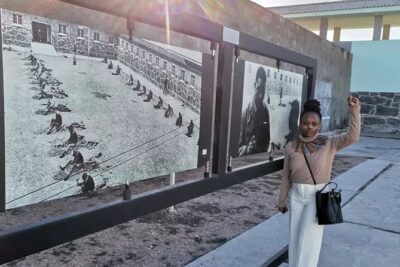
Robben Island and Long Walk To Freedom Historical Full day Tour.
Read our review →Browse the lists this tour appears in