
Reviewed · APARTHEID HISTORY TOURS
Johannesburg: Mandela Legacy Day Tour
What makes this tour interesting is that it follows Nelson Mandela’s journey for democracy through places that cover the full arc of his life, from secret resistance meetings to courtrooms and finally home. You’ll see the family man side of Mandela at his houses, and you’ll also hit the political backbone of the struggle at Constitutional Hill.
What I like most is how the day ties objects and locations together. You’ll get to view original items at the Nelson Mandela Foundation, and then you’ll move straight into sites where leaders were held and tried for challenging apartheid.
One consideration: the day runs 9 hours and food is not included, so plan for energy dips between stops.
Key highlights you will care about
- Liliesleaf Farm shows how the ANC used safe houses in the 1960s, giving you real context before you hit the bigger museums.
- Nelson Mandela Foundation lets you see personal artifacts tied to Mandela, including his briefcase and Nobel Prize medal.
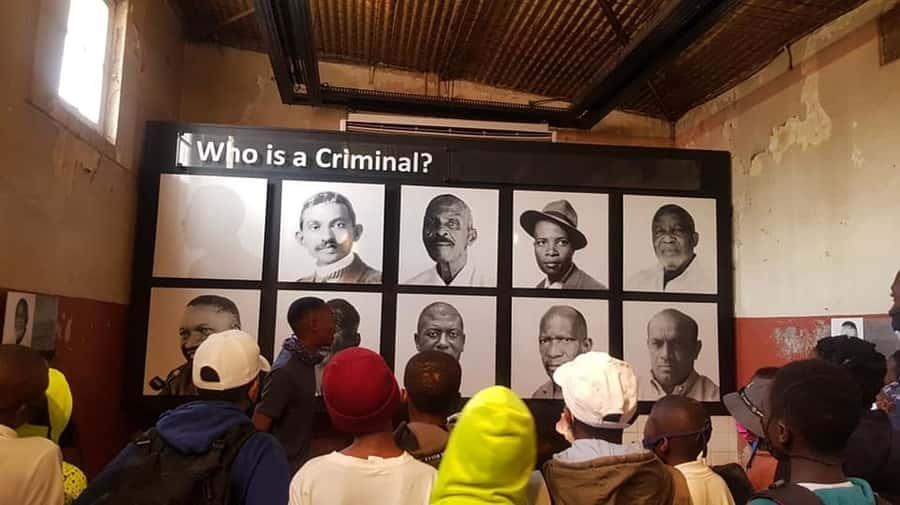
- Constitutional Hill connects Mandela’s story to other major figures, including Mahatma Gandhi, Winnie Madikizela, and Joe Slovo.
- Chancellor House is tied to the first black law firm in South Africa, linked to Mandela and Oliver Tambo.
- Mandela House is where he lived from 1946 to 1962, and where he returned after his release in 1990.
- Apartheid Museum gives you the final framing, so the stops earlier in the day click into place.
How this Mandela Legacy Day Tour actually tells the story
This is a 9-hour Johannesburg day built like a timeline you can walk through. You start in the northern part of Johannesburg at Liliesleaf Farm, then you work your way through the places that shaped Mandela’s public life, his legal and political work, and the institutions that imprisoned him and other leaders.
The big value here is sequencing. If you jump around the city on your own, it is easy to end up with a “list of places.” This route is designed to help you connect dots: secret resistance, political detention, the legal fight, and the return to family life, all while you learn how apartheid was built to control and silence people.
You also get a live English guide plus an English audio guide. That matters because this subject has layers, and the audio can help you keep up if you want a bit of extra support at the museums.
More apartheid-history tours:
- Soweto /Johannesburg and Apartheid Museum Guided Full Day Tour
★ 5.0 · 932 reviews - Jo’berg in 1 Day: Soweto, Apartheid Museum & City Tour
★ 4.8 · 524 reviews - Johannesburg: Full-Day Tour with Soweto and Apartheid Museum
★ 4.8 · 478 reviews
First stop: Liliesleaf Farm and the ANC safe-house lesson
You will meet your guide and head to your first stop at Liliesleaf Farm in northern Johannesburg. This is not just a scenic detour. It is an important starting point because it was used as a safe house for the African National Congress in the 1960s.
I like this opening because it shifts your mindset before you step into formal history spaces. You are not only learning about imprisonment and politics. You are learning about how the struggle worked day to day, including secrecy, planning, and risk. That background makes the later stops at detention sites and museums feel less abstract.
Practical note: this is a long day, so if you do not like standing around, arrive with comfortable shoes and a slow pace mindset. This stop sets the tone, and you will likely want to pay attention.
Nelson Mandela Foundation: offices, artifacts, and the man behind the myth
Next you go to the Nelson Mandela Foundation, described as the last offices Mandela occupied before his passing. This stop feels different from the typical museum visit because it focuses on the person and his working life, not only the political headline moments.
You will see original pieces of history connected to Mandela, including his briefcase, his Nobel Prize medal, and Xhosa mountain attire. Those details matter. They turn Mandela from a statue into a person with identity, movement, and possessions tied to real days.
What you should watch for: the way objects help you remember the lesson. A medal tells you global recognition happened, but the clothing and the working items remind you that the fight was grounded in culture, daily decisions, and persistent labor. It is a reminder that democracy did not appear out of nowhere.
If you are the type of traveler who likes to understand context, this foundation stop is a strong anchor. If you are expecting a quick photo-op, you may find yourself slowing down here.
Constitutional Hill: where the struggle meets the courtroom
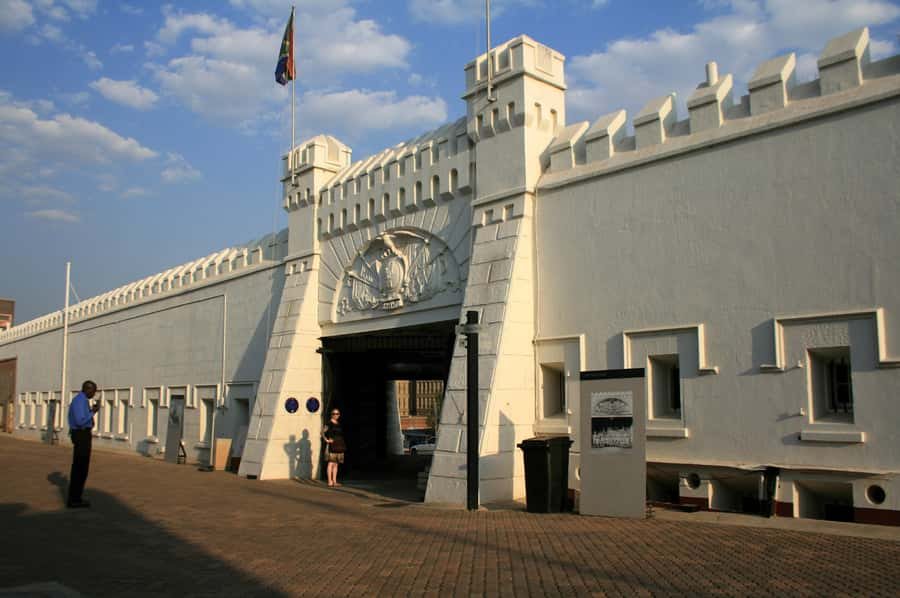
Then it is on to Constitutional Hill, one of the most powerful places on the route. This is where Mandela and many fellow struggle figures were imprisoned, including Mahatma Gandhi, Winnie Madikizela, Joe Slovo, and others.
This is where the tour’s emotional weight lands. The site forces you to think about justice, systems, and how apartheid used prisons and law as tools. It is not just about one man. You are seeing the shared experience of people who challenged power.
Why this stop is worth your time: it connects individual stories to institutions. You can look at Mandela’s life from a distance, or you can see the structures that held him and his allies. Constitutional Hill helps you understand why the fight for democracy was also a fight over legal rights and human dignity.
Practical consideration: this kind of site can feel intense. If you are sensitive to heavy topics, take breaks when you need them. The tour timing is a full day, so you will want to pace yourself rather than rush through.
Put these Johannesburg options head to head
- From Johannesburg: Pilanesberg Nature Reserve Game Safari
★ 4.8 · 1,327 reviews - Johannesburg: Hop-On Hop-Off Bus with Optional Soweto Tour
★ 4.6 · 985 reviews - Johannesburg Hop-On Hop-Off City Tour with Soweto Option
★ 4.5 · 768 reviews - Full Day Ultimate Pilanesberg National Park Safari from Johannesburg or Pretoria
★ 4.5 · 718 reviews
Chancellor House in Ferreirasdorp: the law firm chapter
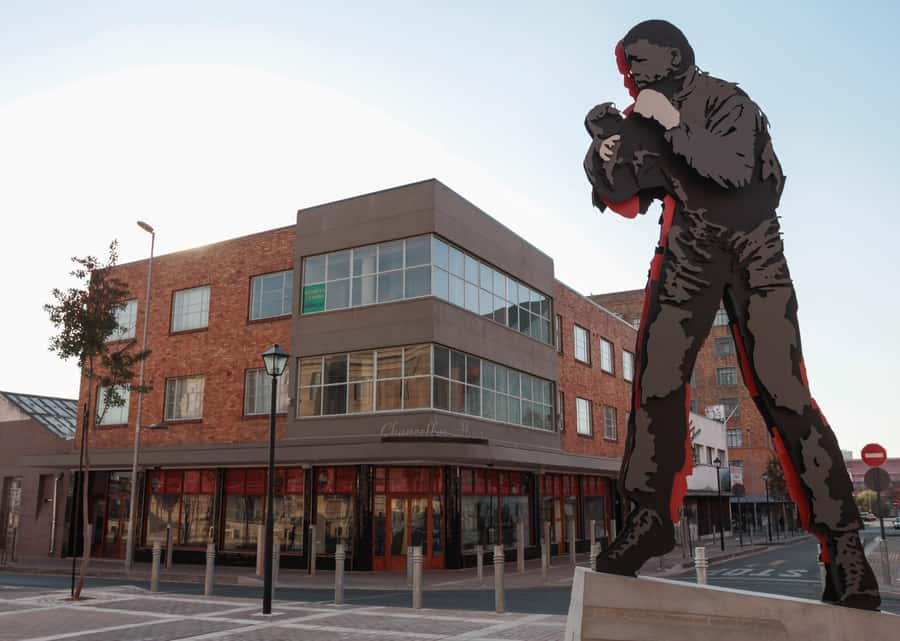
From Constitutional Hill, you will head to the Chancellor House in Johannesburg, located in the Ferreirasdorp area. This building was once home to Mandela and Oliver Tambo’s first black law firm in South Africa.
It is easy to think of Mandela only in terms of imprisonment or speeches. This stop adds a different angle: the legal work, organizing through professional networks, and using the law as a battlefield rather than just an obstacle.
You will be able to see the building’s three-story structure, and that physical presence helps you imagine people working there, making cases, and planning strategy. Even if you are not a history nerd, this stop adds something you will not get from reading headlines.
Small drawback to plan for: legal history can be less “tangible” than a prison cell. The guide becomes key here. If your guide is good at linking facts to meaning, this stop will click. If you tune out, it can feel like it takes too long. Luckily, this tour includes live guiding in English, so you can ask questions and steer your own focus.
Mandela House and the return after release
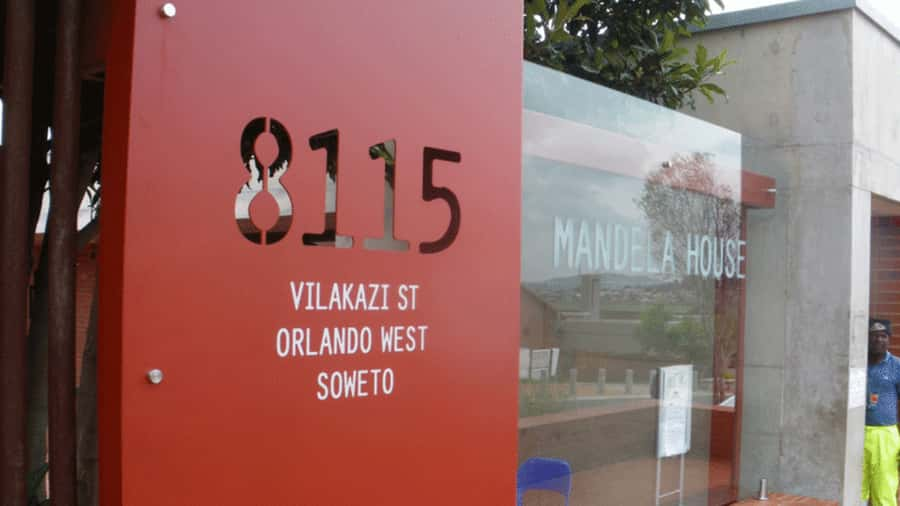
Next up is Mandela House, where he lived from 1946 to 1962 with his family. This stop sits close to the Tutu house, the residential home of Archbishop Desmond Tutu.
This part of the day is about home life and the quieter side of history. You get to see a home rather than a courtroom or a prison. It helps you remember that the struggle did not erase family, routine, or identity. Mandela was a husband, father, and a person with a daily life between political events.
Mandela House is also connected to an essential turning point: it is where Mandela returned after his 1990 release from prison. That detail gives the house a second layer, turning it from a home into a symbol of recovery and change.
Why I think this stop is especially valuable: it stops your brain from living only in “before” and “after” history books. After you have been walking through institutions and imprisonment, the home setting helps you understand what freedom is supposed to mean in real life.
The Apartheid Museum: where the day’s pieces come together
At the end of the tour, you will discover the exhibitions of the Apartheid Museum. This is where you get the broader framework. If earlier stops feel like chapters, the museum helps you see the larger story that connected those chapters.
By this point in the day, you will have already learned about ANC safe-house work, Mandela’s personal artifacts and offices, and the institutions of imprisonment and legal resistance. Walking into the museum at the end helps you connect the emotional and practical details you gathered earlier.
A museum stop can vary depending on pacing, but the strength here is that it closes the loop. You end with interpretation. Without that, it is easy to walk away with facts only. With this structure, you are more likely to leave with a clearer understanding of how apartheid functioned and why democracy required so much sacrifice.
What the 9-hour format means for your body and schedule
Nine hours is a real commitment. The tour is long enough to feel satisfying, but short enough that you cannot treat it like a slow day with endless breaks.
Here is what you can do to make it easier:
- Wear comfortable shoes. The tour moves through several sites, and you will likely stand or walk more than you expect.
- Plan a simple plan for lunch. Food is not included, so bring your own snack option or eat outside before you start, depending on your pickup time.
- Bring a water habit mindset. Bottled water is included, but a 9-hour day still means you should pace yourself.
Transport-wise, you get pickup and drop-off, and you ride with the guide between stops. That is a big value when you are trying to cover several major sites in one day without navigating city logistics on your own.
Price and value: what $183 buys you (and what it does not)
At $183 per person for a 9-hour tour, the real question is what you get for the money. This package includes pickup and drop-off, a tour guide, entry fees, and bottled water. That combination matters because it bundles the costly parts you would otherwise have to plan and pay for separately.
What it does not include is food and drinks. So you should budget for at least one meal or a few snacks during the day.
My practical take on value: this price feels more reasonable if you want a guided, structured path through key Mandela sites plus museum entry. If you only care about one or two locations, it might be cheaper to do those independently. But if you want the full “Mandela legacy arc” in one shot, the included entry fees and guide time are what make it feel like a smart deal rather than a splurge.
Who this tour is best for
This experience is ideal if you:
- Want a guided route through Mandela’s life sites in Johannesburg instead of piecing it together yourself.
- Like history that blends places, people, and objects, not only dates.
- Prefer an organized flow with live explanations in English.
This tour is not suitable for pregnant women, based on the tour’s stated limits. If mobility or comfort is a concern for you for other reasons, it is worth checking with the operator before booking.
If you are traveling as a couple or solo, it can be a strong fit because you do not have to coordinate transport between separate attractions. If you are with kids, it could work, but the subject matter is heavy, and the day is long, so you will want to think about how your family handles serious topics.
The guide experience: clarity, organization, and staying grounded
A major reason this tour lands well is the quality of the guiding style. English guides like Richard and Emmah have led this experience with a calm, structured approach that helps you feel oriented even when the topics are difficult.
The best part about a strong guide here is how they keep the day coherent. You are bouncing between safe houses, personal offices, prison history, legal history, and a major museum. Without good pacing and explanations, it would be easy to feel lost. With a good guide, you get the sense that the day is building toward understanding, not just ticking boxes.
Also, the atmosphere matters. Mandela history is not light. When the guide keeps the tone respectful and gives you room to think, you feel safer and more present.
Should you book the Johannesburg Mandela Legacy Day Tour?
Book it if you want a structured, full-day way to understand Mandela’s story across the city, with entry fees included and a guide who helps the pieces connect. It is especially worth it if you care about context, not just photos, and if you like seeing how Mandela’s public life and private life sit side by side.
Skip it or reconsider if you:
- Need a lighter day, because this is heavy material across multiple sites.
- Do not want to spend 9 hours in transit and on-site walking.
- Are looking for food included, because you will need to plan your meals.
If your goal is to leave Johannesburg with a clearer sense of how apartheid shaped the struggle and how democracy was fought for, this tour’s lineup and order make a lot of sense.
FAQ
How long is the Johannesburg Mandela Legacy Day Tour?
The tour lasts 9 hours.
Is the tour guided in English?
Yes. You get a live tour guide in English, plus an English audio guide.
What is included in the price?
Pickup and drop-off are included, along with the tour guide, entry fees, and bottled water.
Is food included?
No. Food and drinks are not included.
What should I bring?
Wear comfortable shoes.
Is this tour suitable for pregnant women?
No, it is not suitable for pregnant women.
What is the cancellation policy?
You can cancel up to 24 hours in advance for a full refund.
Newest reviews around Johannesburg
- Pilanesberg Nature Reserve & Safari Park Lion Private★ 4.0 · 4 reviews
- Safari Experience at Rhino & Lion Park★ 3.5 · 5 reviews
- From Johannesburg: Lesedi Cultural Village & Lion Park Tour★ 5.0 · 5 reviews
- Cradle of Humankind and Maropeng Day Tour from Johannesburg★ 4.0 · 5 reviews
- Lion park★ 4.5 · 5 reviews
- 5 Day Kruger Glamping Safari and Panorama Tour★ 5.0 · 5 reviews
- Johannesburg: Hot Air Balloon Flight★ 5.0 · 5 reviews
- Pretoria Historical Tour★ 4.0 · 5 reviews
Apartheid History Tours, compared.
Soweto /Johannesburg and Apartheid Museum Guided Full Day Tour
Read our review →
Jo’berg in 1 Day: Soweto, Apartheid Museum & City Tour
Read our review →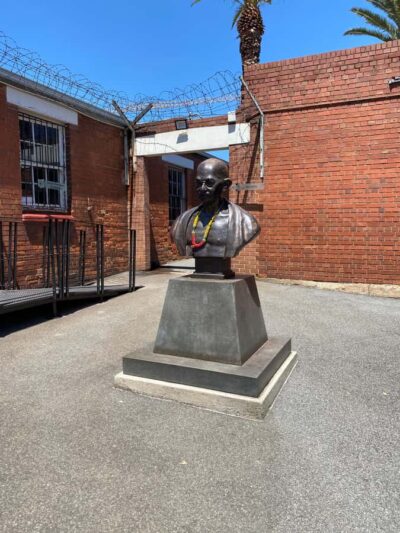
Full-Day Tour with Soweto and Apartheid Museum
Read our review →
Full-Day Soweto, Apartheid Museum and Lunch Tour
Read our review →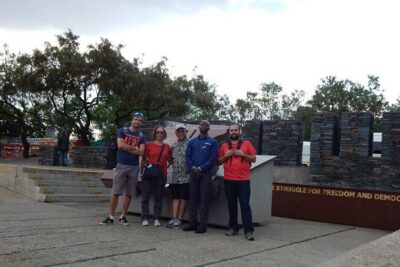
Half Guided Day Tour of Soweto And Apartheid Museum
Read our review →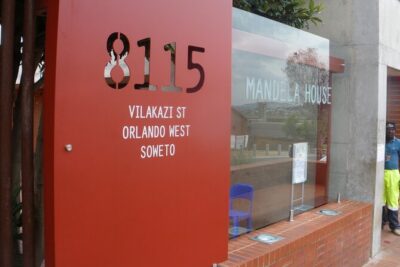
Ultimate Johannesburg Soweto Experience with Apartheid Museum
Read our review →
Hop-On Hop-Off Bus, City Tour and Apartheid Museum
Read our review →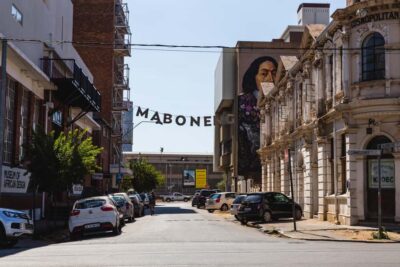
Johannesburg and Soweto Apartheid Full Day Tour w/Lunch
Read our review →Browse the lists this tour appears in