
Reviewed · MUSEUMS
Cape Town: District Six Museum Skip-the-Line Entrance Ticket
The District Six Museum is interesting because it turns apartheid history into something human sized. You’re not just reading dates and laws. You’re seeing how segregation and forced removals changed daily life in one specific neighborhood.
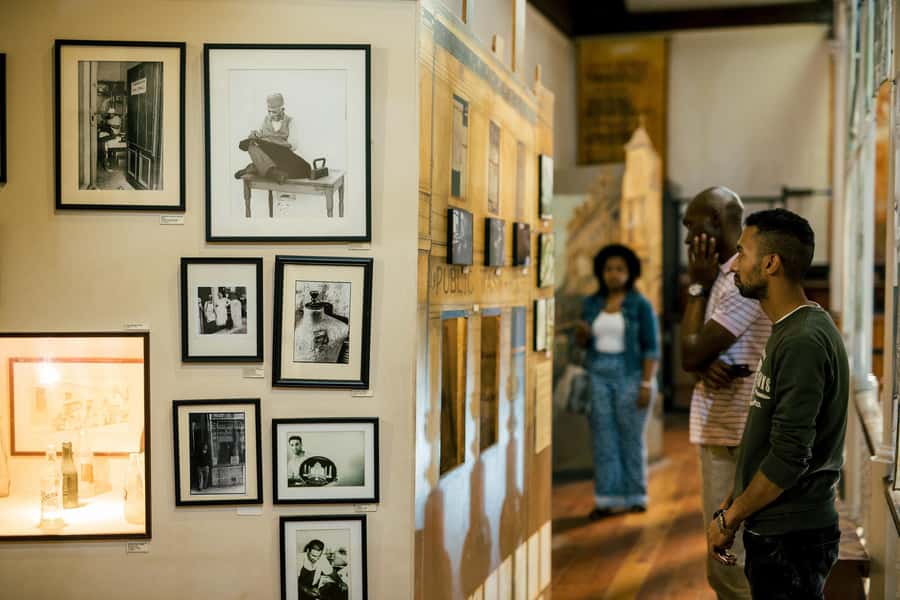
I love how the exhibits use photos, recordings, and testimonials to explain what happened. I also like the chance to talk with friendly staff members who share personal, intimate stories, many from people who were displaced themselves.
One possible drawback: there’s no guided tour included, and the museum experience can feel short if you want lots of structure or a deep interpretive walkthrough. Also, you need to plan around last entry at 15h00.
Key Things I Think You’ll Appreciate
- Skip-the-line entry helps you get started fast
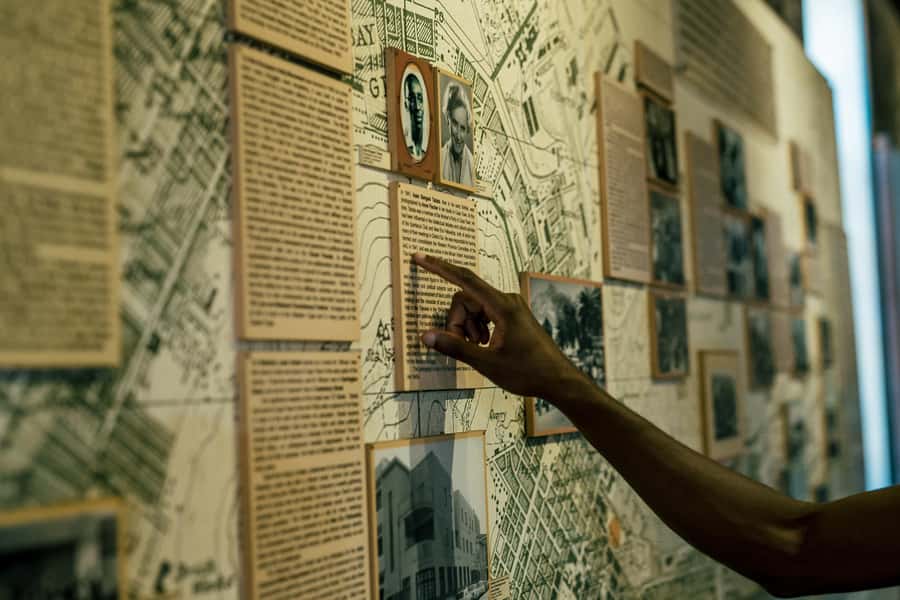
- Photos, recordings, and testimonials make apartheid’s impact feel immediate
- Staff personal stories bring District Six to life in a direct way
- Forced removals explained in a neighborhood context, not just as general history
- Small, focused visit style works best when you have a clear time window
- Open hours matter, especially if you’re visiting from a busy Cape Town schedule
Why This Museum Hits So Hard
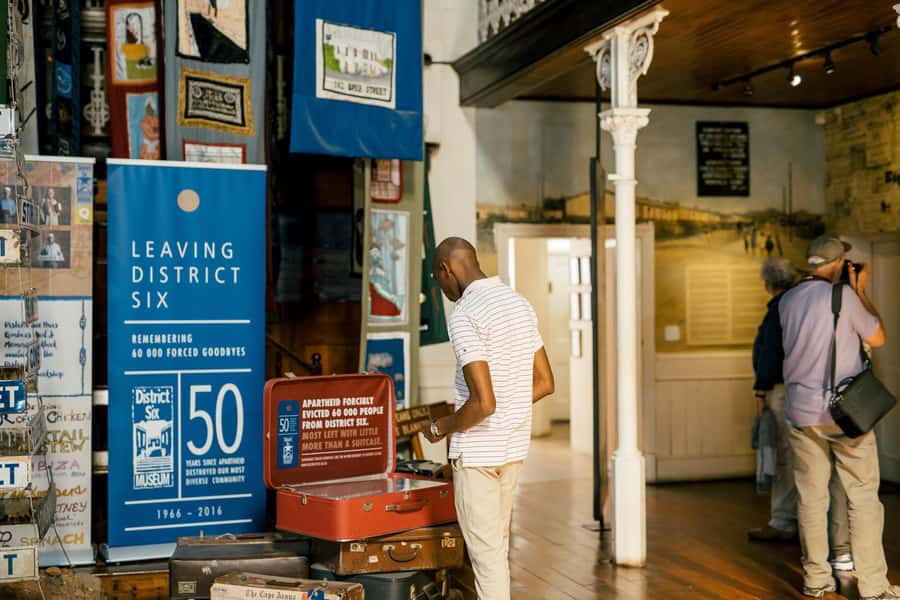
If you care about history that still affects people today, the District Six Museum is one of those stops you’ll remember. District Six was a multiracial area shaped by musicians and artists, but apartheid-era rules aimed to dismantle communities like this one. Here, the story isn’t theoretical. It’s placed in streets, homes, and everyday routines.
You’ll walk through a place that asks you to slow down. Even when the museum layout is compact, the content is heavy. You’ll see how racial segregation was enforced, then watch what forced removals did to neighbors, culture, and belonging.
The best part is that the museum doesn’t only focus on policy. It points to the lived effects, using records and testimony to show the gap between what people wanted and what the system allowed.
More Museums in Cape Town
- Museum of Contemporary African Art: Fast-Track Zeitz MOCAA
★ 4.4 · 204 reviews - Cape Town: Private Guided Tour of Cape Town Diamond Museum
★ 4.7 · 156 reviews - ROBBEN ISLAND MUSEUM TOUR, WITH OPTIONAL LAST MINUTE TICKETS
★ 3.4 · 85 reviews
What Your Self-Guided Visit Actually Looks Like
This ticket gets you entrance, with skip-the-line access, so you can spend your time on the displays instead of waiting at the front. Since a guided tour is not included, the experience is mostly self-paced. That can be a plus, because you control what you linger on.
Here’s the flow you can expect when you arrive at the District Six Museum meeting point:
1) Get in and orient yourself
You’ll enter and start with whatever introductory materials are presented. Use these first moments to learn the core timeline and the main idea: segregation policies led to forced removals, which tore apart the District Six community.
2) Move through exhibits built around evidence
The museum uses photographs, recordings, and testimonials. You’ll likely spend time reading captions, listening to audio, and watching or reviewing personal accounts. This mix is important. Photos give you faces and places. Recordings bring voice. Testimonials connect the past to what people felt in the moment.
3) Focus on how the community was dismantled
A central theme is the dismantling of a lively neighborhood hub for artists and musicians. You’ll learn how the area was stripped and cleared under apartheid, rather than changing “organically” over time. If you’re the type who wants the story to make sense, follow the cause and effect as you move room to room.
4) Talk with staff for the human version
The museum staff are described as engaging and friendly, with personal stories to share. Many staff members were displaced residents themselves, so their perspective is not generic. If you ask a question respectfully, you’ll probably get a clearer picture of what the archives can’t fully capture.
5) Finish when you feel done, not when you feel rushed
Because the museum is open limited hours and the last entry is set, plan to finish with breathing room. The last thing you want is to sprint through intense content.
The Most Praised Part: Staff Stories That Don’t Sound Like a Script
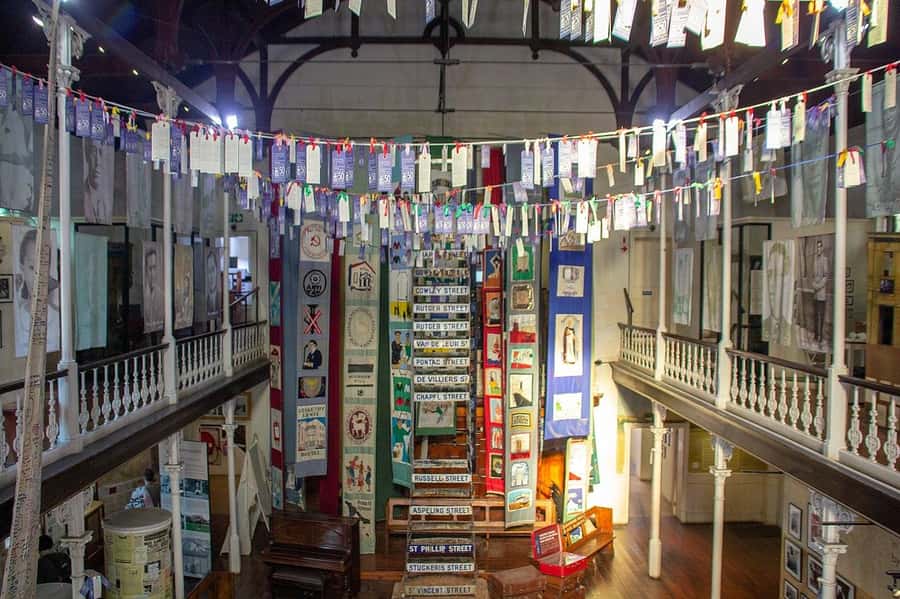
One reason the museum connects is that you’re not left alone with history facts. The staff share personal, intimate stories. That matters because forced removals were not just an administrative process. It separated families, disrupted careers, and changed how people navigated the world.
When staff members speak from lived experience, you get a layer of detail that doesn’t show up in laws and dates. You also get emotional context, like what it meant to lose a place that felt like home. If you’ve ever wondered what “apartheid” meant beyond the textbook version, this is where it becomes more direct.
From what people highlight about the experience, the staff interaction is a standout. That means you should treat your visit as partly social, not just visual. Be curious. Ask questions that you genuinely want answered.
Exhibits: Photos, Recordings, and Testimonials (How to Read Them)
The museum’s strongest tools are photographs, recordings, and testimonials. Here’s how to approach them so you actually absorb what you’re seeing.
- Photos: Look for patterns. Faces, storefronts, street scenes, and group shots can show how community life worked. Even if a photo has a caption you’ve read before, the image gives you a sense of scale and normalcy that policy writing can’t.
- Recordings: If there are listening stations, take a seat and give them attention. Audio adds voice and pacing, which helps you understand the feeling behind the words.
- Testimonials: This is where you’ll find the most personal reflections. Don’t rush through them. If something lands, pause and let it settle.
This mix is why the museum can feel intense even with a relatively small footprint. You’re not only learning what happened. You’re experiencing how people described it, remembered it, and carried it forward.
Something different for the Cape Town list:
- Wine Tour: Paarl, Franschhoek & Stellenbosch incl 3 wineries
★ 5.0 · 3,940 reviews - Cape Town: Hop-On Hop-Off Bus Tour with Optional Cruise
★ 4.8 · 3,929 reviews - Cape Town: Cape of Good Hope & Penguins Day Tour with Pickup
★ 4.7 · 3,362 reviews - Zipline Cape Town – From Foot of Table Mountain Reserve
★ 5.0 · 3,179 reviews
Price and Value: Why $4.00 Can Feel Like a Lot More
At about $4.00 per person, this is a very low-cost entrance ticket compared with many museums and cultural sites in major cities. The value comes from two things.
First, skip-the-line access means you can start your visit quickly. In a busy city like Cape Town, saving time is part of the real price you pay in a day.
Second, the museum includes entrance fee access but no guided tour. That sounds like a limitation, but it also means you can tailor your pace. You get staff interaction during the visit, plus the self-guided structure through exhibits. If you’re okay reading and listening on your own, the price is a bargain for the subject matter.
So think of it like this: you’re paying mostly for entry and for the chance to learn from serious, firsthand-backed materials. You’re not paying extra for a formal group lecture.
Timing Tips for a Museum With Strict Hours
The museum runs Monday to Saturday, 09h00 to 16h00, and the last entry is at 15h00. It’s closed on Sundays.
That schedule drives a lot of practical decisions. If your Cape Town plan includes a weekend, you may need to shift this stop to Friday or Saturday. If you’re sightseeing late, don’t. Give yourself enough time to read without feeling chased by closing time.
Also, because this is a focused museum, don’t pack your day so tightly that you’re forced to skim. You’ll get more out of it if you can slow down.
Who This Visit Suits Best
I’d aim this museum stop at you if:
- You want to understand apartheid’s impact through one neighborhood and real personal accounts
- You like museums that use firsthand testimony, not just general narratives
- You’re comfortable with emotionally serious material
- You prefer self-paced visits with optional conversation
It might not be ideal if:
- You strongly want a formal guided tour included in the ticket
- You’re looking for a long, multi-hour museum day with lots of structured activities
- Your schedule leaves you no flexibility due to Sunday closures and last-entry timing
A good way to think about it: this is a small place with big weight. Plan for the weight, not the square footage.
Should You Book the Skip-the-Line Ticket?
I think you should book this if you want a meaningful, low-cost museum visit in Cape Town that explains apartheid-era forced removals through a tightly focused set of exhibits and staff storytelling. The skip-the-line part is a real time-saver, and the content focus makes it worth your attention even if you only have a small window.
Book it especially if you can go on a weekday or between Monday and Saturday, and you’re able to arrive early enough to avoid last entry at 15h00. If you’re only free on Sunday, hold off and swap it to another day.
If you want, you can pair this visit with other inner-city stops, but keep your schedule light afterward. You’ll likely feel the message in your day, not just on your itinerary.
FAQ
Where is the District Six Museum?
The meeting point is the District Six Museum in Cape Town.
How much does this ticket cost?
The price is $4.00 per person.
Is this ticket guided?
No. A guided tour is not included with this entrance ticket.
What are the opening hours and last entry time?
The museum is open Monday to Saturday from 09h00 to 16h00. Last entry is at 15h00.
Is the museum open on Sundays?
No, the museum is closed on Sundays.
What does the ticket include?
It includes entrance fees and skip-the-line entry.
Can I cancel for a refund?
Yes. You can cancel up to 24 hours in advance for a full refund.
Newest reviews around Cape Town
- Cape Town: Half-Day Guided City Sightseeing Tour by Bus★ 4.8 · 7 reviews
- Cape Town to Cape Point Private Day Tour★ 4.5 · 7 reviews
- Abseiling Table Mountain★ 5.0 · 7 reviews
- Table Mountain Group Hike – Solo Travelers welcome★ 4.1 · 7 reviews
- Private Tour:Cape of Good Hop>Chapman’s >Penguin>Seal island★ 5.0 · 7 reviews
- Pre-Booked Ticket Robben Island Half-Day Tour from Cape Town★ 2.8 · 7 reviews
- Cape Town Airport and Hotel Private Transfers★ 5.0 · 7 reviews
- Table Mountain, Boulder’s Penguins & Cape Point Private Tour★ 4.5 · 7 reviews
Museums, compared.

Soweto /Johannesburg and Apartheid Museum Guided Full Day Tour
Read our review →
Jo’berg in 1 Day: Soweto, Apartheid Museum & City Tour
Read our review →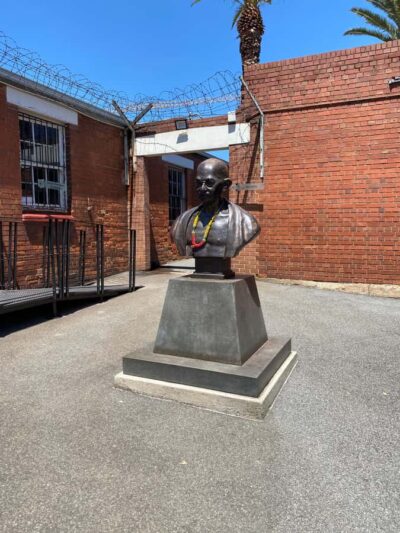
Full-Day Tour with Soweto and Apartheid Museum
Read our review →
Full-Day Soweto, Apartheid Museum and Lunch Tour
Read our review →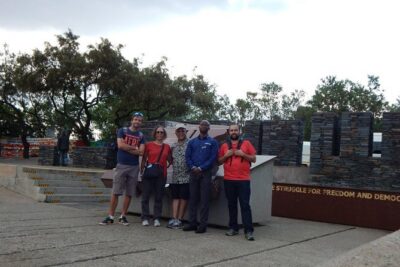
Half Guided Day Tour of Soweto And Apartheid Museum
Read our review →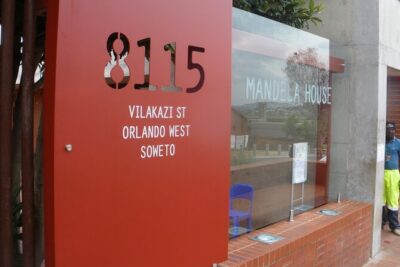
Ultimate Johannesburg Soweto Experience with Apartheid Museum
Read our review →
Hop-On Hop-Off Bus, City Tour and Apartheid Museum
Read our review →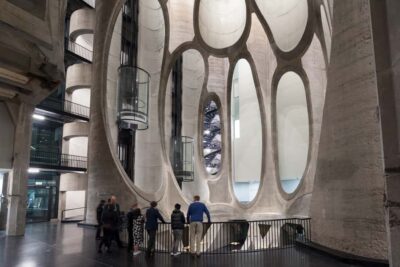
Museum of Contemporary African Art: Fast-Track Zeitz MOCAA
Read our review →Browse the lists this tour appears in